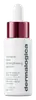
This barrier-repair serum is formulated around Squalane and Dipotassium Glycyrrhizate to strengthen the skin barrier and calm redness.
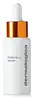
This brightening serum is formulated around Lactic Acid and Palmitoyl Tripeptide-5 to brighten dull-looking skin and soften the look of wrinkles.

What's inside
What's inside
 Key Ingredients
Benefits
Concerns
Ingredients Side-by-side
Water
Skin ConditioningPropanediol
Solvent

Squalane
Emollient
Glycerin
Humectant
Butylene Glycol
Humectant
Ethylhexyl Olivate
Skin Conditioning

Neopentyl Glycol Diheptanoate
EmollientTrimethylolpropane Tricaprylate/Tricaprate
EmollientHydroxyacetophenone
Antioxidant
Dipotassium Glycyrrhizate
Humectant

Helianthus Annuus Seed Oil
Emollient
Pelargonium Graveolens Flower Oil
Masking



Aniba Rosodora Wood Oil
Astringent
Eucalyptus Globulus Leaf Oil
Perfuming
Santalum Album Oil
Masking
Hydrolyzed Jojoba Esters
Skin Conditioning
Brassica Oleracea Italica Extract
AstringentCeratonia Siliqua Fruit Extract
MaskingBoerhavia Diffusa Root Extract
Skin Protecting
Onopordum Acanthium Flower/Leaf/Stem Extract
Skin ConditioningTasmannia Lanceolata Leaf Extract
Skin ConditioningAnetholea Anisata Leaf Extract
Skin ConditioningHydrolyzed Rhodophyceae Extract
Zingiber Officinale Root Extract
Masking
Cupressus Sempervirens Oil
Masking
Juniperus Virginiana Oil
Masking
Abies Sibirica Oil
Masking
Sea Water
HumectantAcrylates/C10-30 Alkyl Acrylate Crosspolymer
Emulsion StabilisingCarnosine
Skin Conditioning
Polyglutamic Acid
Skin Conditioning
Caprylyl Glycol
Emollient
Glyceryl Caprylate/Caprate
EmollientCaprylic/Capric Triglyceride
Masking
Citrus Reticulata Extract
Skin ConditioningBisabolol
Antioxidant
Pentylene Glycol
Skin Conditioning
Lecithin
Emollient
Xanthan Gum
EmulsifyingCetearyl Alcohol
Emollient


1,2-Hexanediol
Skin Conditioning
Tetrasodium Glutamate Diacetate
ChelatingCoco-Glucoside
Cleansing
Pistacia Lentiscus Gum
MaskingCitric Acid
Buffering

Sodium Hydroxide
BufferingPullulan
Polyacrylate Crosspolymer-6
Emulsion StabilisingWater, Propanediol, Squalane, Glycerin, Butylene Glycol, Ethylhexyl Olivate, Neopentyl Glycol Diheptanoate, Trimethylolpropane Tricaprylate/Tricaprate, Hydroxyacetophenone, Dipotassium Glycyrrhizate, Helianthus Annuus Seed Oil, Pelargonium Graveolens Flower Oil, Aniba Rosodora Wood Oil, Eucalyptus Globulus Leaf Oil, Santalum Album Oil, Hydrolyzed Jojoba Esters, Brassica Oleracea Italica Extract, Ceratonia Siliqua Fruit Extract, Boerhavia Diffusa Root Extract, Onopordum Acanthium Flower/Leaf/Stem Extract, Tasmannia Lanceolata Leaf Extract, Anetholea Anisata Leaf Extract, Hydrolyzed Rhodophyceae Extract, Zingiber Officinale Root Extract, Cupressus Sempervirens Oil, Juniperus Virginiana Oil, Abies Sibirica Oil, Sea Water, Acrylates/C10-30 Alkyl Acrylate Crosspolymer, Carnosine, Polyglutamic Acid, Caprylyl Glycol, Glyceryl Caprylate/Caprate, Caprylic/Capric Triglyceride, Citrus Reticulata Extract, Bisabolol, Pentylene Glycol, Lecithin, Xanthan Gum, Cetearyl Alcohol, 1,2-Hexanediol, Tetrasodium Glutamate Diacetate, Coco-Glucoside, Pistacia Lentiscus Gum, Citric Acid, Sodium Hydroxide, Pullulan, Polyacrylate Crosspolymer-6
Water
Skin ConditioningGlycerin
Humectant
Butylene Glycol
Humectant
Ethoxydiglycol
HumectantLactic Acid
Buffering



Salvia Hispanica Seed Extract
Emollient
Sodium PCA
Humectant
Palmitoyl Tripeptide-5
Skin Conditioning
Sophora Japonica Flower Extract
Skin ProtectingAscorbyl Methylsilanol Pectinate
Antioxidant
Sodium Hyaluronate
Humectant
Tocopherol
Antioxidant
Dipotassium Glycyrrhizate
Humectant
Aminopropyl Ascorbyl Phosphate
Antioxidant
Trehalose
Humectant
Polyacrylate-13
Propanediol
Solvent
Citrus Grandis Peel Oil
Masking
Helianthus Annuus Seed Oil
Emollient
Polyisobutene
Methylpropanediol
SolventCarrageenan
Pentylene Glycol
Skin Conditioning
Glyceryl Polyacrylate
Caprylyl Glycol
Emollient
Ethylhexylglycerin
Skin ConditioningTetrasodium Glutamate Diacetate
ChelatingXanthan Gum
EmulsifyingPolysorbate 20
Emulsifying
Limonene
Perfuming
Sodium Hydroxide
BufferingPhenoxyethanol
Preservative
Water, Glycerin, Butylene Glycol, Ethoxydiglycol, Lactic Acid, Salvia Hispanica Seed Extract, Sodium PCA, Palmitoyl Tripeptide-5, Sophora Japonica Flower Extract, Ascorbyl Methylsilanol Pectinate, Sodium Hyaluronate, Tocopherol, Dipotassium Glycyrrhizate, Aminopropyl Ascorbyl Phosphate, Trehalose, Polyacrylate-13, Propanediol, Citrus Grandis Peel Oil, Helianthus Annuus Seed Oil, Polyisobutene, Methylpropanediol, Carrageenan, Pentylene Glycol, Glyceryl Polyacrylate, Caprylyl Glycol, Ethylhexylglycerin, Tetrasodium Glutamate Diacetate, Xanthan Gum, Polysorbate 20, Limonene, Sodium Hydroxide, Phenoxyethanol
Reviews
Ingredients Explained
These ingredients are found in both products.
Ingredients higher up in an ingredient list are typically present in a larger amount.
Butylene Glycol (or BG) is used within cosmetic products for a few different reasons:
Overall, Butylene Glycol is a safe and well-rounded ingredient that works well with other ingredients.
Though this ingredient works well with most skin types, some people with sensitive skin may experience a reaction such as allergic rashes, closed comedones, or itchiness.
Learn more about Butylene GlycolCaprylyl Glycol is a humectant, skin conditioner, emollient, and preservative booster derived from either caprylic acid or synthetically created.
Typical use levels vary from 0.3-1% as a preservative booster and go up to 2% to condition skin.
Because it is not a free-fatty acid, this ingredient is fungal acne safe (there's nothing for Malassezia to feed on).
Learn more about Caprylyl GlycolDipotassium Glycyrrhizate comes from licorice root.
Extracts of licorice have demonstrated to have antibacterial, anti‐inflammatory, antiviral, antioxidant properties.
One component, glabridin, has extra potent antioxidant and soothing properties. It has also been found to block pigmentation from UVB rays in guinea pigs.
Licorice Root also contains a flavonoid. Flavonoids are a natural substance from in plants. Flavonoids also have antioxidant properties.
Another component, glycyrrhizin, has been found to have anti-inflammatory and antimicrobial benefits. This may make licorice root extract effective at treating acne. However, more research is needed to support this.
Liquiritin is one of the flavone compounds found in licorice. It has been found to help lighten skin by preventing tyrosinase from reacting with tyrosine. When the two react, protein is converted to melanin. Melanin is the substance in your body that gives your features pigmentation.
Licorice root is native to Southern Europe and Asia. It has been used in traditional Chinese medicine to help with respiratory issues.
Learn more about Dipotassium GlycyrrhizateGlycerin (or glycerol) is a compound naturally found in your skin. It's a powerhouse humectant that pulls water into the stratum corneum.
Topically, glycerin does several things at once:
Your skin makes glycerin on its own (mostly from sebaceous oil breakdown) and shuttles it to your outermost layer of skin, or your epidermis, via aquaporin-3.
Aquaporin-3 is a transporter that is essential for normal skin hydration, elasticity, and repair. Interestingly, mice lacking in AQP3 have dry and less elastic skin that can be fully corrected with glycerin.
This ingredient is non-irritating, plays well with almost every ingredient, and works across all skin types. Typical use is anywhere between 3-10% but can go up to 79% in some leave-on products.
Just know very high concentrations (>40%) can feel tacky in low humidity.
Glycerin is the name for this ingredient in American English. British English uses Glycerol/Glycerine.
Learn more about GlycerinHelianthus Annuus Seed Oil is a plant oil derived from the seeds of a sunflower.
It is rich in fatty acids, primarily linoleic acid and oleic acid. This gives it emollient and skin conditioning properties.
The reason this ingredient is so effective is because it forms a thin film on the skin that reduces transepidermal water loss (TEWL) while supplying linoleic acid to the stratum corneum to improve barrier strength.
The high linoleic acid content is particularly noteworthy for acne-prone skin.
Research suggests that acne-prone skin tends to be deficient in linoleic acid in sebum. Topical application may help replenish this to support a healthier follicular environment and less comedone-promoting sebum.
One randomized study found sunflower seed oil preserved skin barrier integrity in adult volunteers with and without atopic dermatitis (outperforming olive oil).
This ingredient is well-studied, gentle, and an effective emollient suitable for most skin types.
On fungal acne: This ingredient may not be Fungal acne (Malassezia folliculitis) safe. This is because it contains fatty acids with carbon chain lengths in the C11-C24 range.
Learn more about Helianthus Annuus Seed OilPentylene Glycol (1,2-pentanediol) is a multitasking little diol with three main roles in a formula:
Research on alkanediols (the family pentylene glycol belongs to) show they work by disrupting microbial cell membranes. This disruption helps the primary preservative system in a product work more effectively at lower doses.
On the safety side, the Cosmetic Ingredient Review Expert Panel has concluded this ingredient to be safe as used in current cosmetic practices + concentrations.
Typical use levels in a formula run about 1-5%.
Learn more about Pentylene GlycolPropanediol is an all-star ingredient. It softens, hydrates, and smooths the skin.
It’s often used to:
Propanediol is not likely to cause sensitivity and considered safe to use. It is derived from corn or petroleum with a clear color and no scent.
Learn more about PropanediolSodium Hydroxide is also known as lye or caustic soda. It is used to adjust the pH of products; many ingredients require a specific pH to be effective.
In small amounts, sodium hydroxide is considered safe to use. However, large amounts may cause chemical burns due to its high alkaline.
Your skin has a natural pH and acid mantle. This acid mantle helps prevent harmful bacteria from breaking through. The acid mantle also helps keep your skin hydrated.
"Alkaline" refers to a high pH level. A low pH level would be considered acidic.
Learn more about Sodium HydroxideTetrasodium Glutamate Diacetate is a chelating agent. Chelating agents help prevent metal ions from binding to other ingredients. This helps prevent unwanted effects and reactions from a product. These metal ions may come from water and are found in miniscule amounts.
Tetrasodium Glutamate Diacetate can also help other preservatives be more effective.
Water. It's the most common cosmetic ingredient of all. You'll usually see it at the top of ingredient lists, meaning that it makes up the largest part of the product.
So why is it so popular? Water most often acts as a solvent - this means that it helps dissolve other ingredients into the formulation.
You'll also recognize water as that liquid we all need to stay alive. If you see this, drink a glass of water. Remember to stay hydrated!
Learn more about WaterXanthan gum is used as a stabilizer and thickener within cosmetic products. It helps give products a sticky, thick feeling - preventing them from being too runny.
On the technical side of things, xanthan gum is a polysaccharide - a combination consisting of multiple sugar molecules bonded together.
Xanthan gum is a pretty common and great ingredient. It is a natural, non-toxic, non-irritating ingredient that is also commonly used in food products.
Learn more about Xanthan Gum

