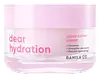
This barrier-repair moisturizer is formulated around Xylitol and Panthenol to strengthen the skin barrier and hydrate skin.
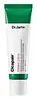
This calming night moisturizer is formulated around Centella Asiatica Leaf Water and Panthenol to calm redness and strengthen the skin barrier.

What's inside
What's inside
 Key Ingredients
Benefits
Concerns
Ingredients Side-by-side
Water
Skin ConditioningPropanediol
Solvent

Glycerin
Humectant
Xylitol
Humectant
1,2-Hexanediol
Skin Conditioning
Pentylene Glycol
Skin Conditioning
Diisostearyl Malate
EmollientMethyl Hydrogenated Rosinate
Perfuming

Methylpropanediol
SolventDicaprylyl Ether
Emollient
Dicaprylyl Carbonate
EmollientOpuntia Ficus-Indica Fruit Extract
Skin ConditioningAmmonium Acryloyldimethyltaurate/Vp Copolymer
Acrylates/C10-30 Alkyl Acrylate Crosspolymer
Emulsion StabilisingTromethamine
BufferingButylene Glycol
Humectant
Chlorella Vulgaris Extract
Skin ConditioningGlucose
Humectant
Fructooligosaccharides
Humectant
Fructose
Humectant
Panthenol
Skin Conditioning

Camellia Sinensis Seed Oil
Humectant


Cetearyl Olivate
Glyceryl Acrylate/Acrylic Acid Copolymer
HumectantXanthan Gum
EmulsifyingEthylhexylglycerin
Skin ConditioningParfum
Masking

Methyl Diisopropyl Propionamide
MaskingSorbitan Olivate
Emulsifying
Eclipta Prostrata Extract
Skin Conditioning
Sodium Phytate
ChelatingCaprylic/Capric Triglyceride
Masking
Menthyl PCA
HumectantEthyl Menthane Carboxamide
TonicMelia Azadirachta Leaf Extract
Skin ConditioningYeast Ferment Extract
Skin ConditioningHydrogenated Lecithin
Emulsifying
Melia Azadirachta Flower Extract
Skin ConditioningOcimum Sanctum Leaf Extract
Skin ConditioningCynanchum Atratum Extract
Skin ConditioningCurcuma Longa Root Extract
Antioxidant
Corallina Officinalis Extract
Skin Conditioning
Moringa Oleifera Seed Oil
Emollient
Ceramide NP
Skin Conditioning

Candida Bombicola/Glucose/Methyl Rapeseedate Ferment
AntimicrobialTocopherol
Antioxidant


Althaea Rosea Flower Extract
Skin ConditioningSodium Stearoyl Glutamate
CleansingWater, Propanediol, Glycerin, Xylitol, 1,2-Hexanediol, Pentylene Glycol, Diisostearyl Malate, Methyl Hydrogenated Rosinate, Methylpropanediol, Dicaprylyl Ether, Dicaprylyl Carbonate, Opuntia Ficus-Indica Fruit Extract, Ammonium Acryloyldimethyltaurate/Vp Copolymer, Acrylates/C10-30 Alkyl Acrylate Crosspolymer, Tromethamine, Butylene Glycol, Chlorella Vulgaris Extract, Glucose, Fructooligosaccharides, Fructose, Panthenol, Camellia Sinensis Seed Oil, Cetearyl Olivate, Glyceryl Acrylate/Acrylic Acid Copolymer, Xanthan Gum, Ethylhexylglycerin, Parfum, Methyl Diisopropyl Propionamide, Sorbitan Olivate, Eclipta Prostrata Extract, Sodium Phytate, Caprylic/Capric Triglyceride, Menthyl PCA, Ethyl Menthane Carboxamide, Melia Azadirachta Leaf Extract, Yeast Ferment Extract, Hydrogenated Lecithin, Melia Azadirachta Flower Extract, Ocimum Sanctum Leaf Extract, Cynanchum Atratum Extract, Curcuma Longa Root Extract, Corallina Officinalis Extract, Moringa Oleifera Seed Oil, Ceramide NP, Candida Bombicola/Glucose/Methyl Rapeseedate Ferment, Tocopherol, Althaea Rosea Flower Extract, Sodium Stearoyl Glutamate
Water
Skin ConditioningPropanediol
Solvent
Centella Asiatica Leaf Water
Skin Conditioning
Butylene Glycol
Humectant
Caprylic/Capric Triglyceride
Masking
Panthenol
Skin Conditioning
Diisostearyl Malate
EmollientPolyglyceryl-3 Methylglucose Distearate
Emulsifying
Butyrospermum Parkii Butter
Skin Conditioning
Glyceryl Stearate
Emollient
Macadamia Ternifolia Seed Oil
Emollient
Cetearyl Alcohol
Emollient
Hydrogenated Poly(C6-14 Olefin)
EmollientHydrogenated Polydecene
EmollientHydrogenated Polyisobutene
Emollient1,2-Hexanediol
Skin Conditioning
PEG-8
HumectantPEG-100 Stearate
Surfactant
Polyacrylate-13
Palmitic Acid
Emollient
Tocopheryl Acetate
Antioxidant
Beeswax
Emulsion Stabilising
Glycerin
Humectant
Stearic Acid
Cleansing
Phenoxyethanol
Preservative
Polyisobutene
Asiaticoside
Antioxidant
Carbomer
Emulsion StabilisingMadecassic Acid
Skin Conditioning
Asiatic Acid
Skin Conditioning
Spirulina Platensis Powder
Skin ProtectingAlcohol
Antimicrobial

Polysorbate 20
Emulsifying
Ethylhexylglycerin
Skin ConditioningLavandula Angustifolia Oil
Masking

Sorbitan Isostearate
Emulsifying
Adenosine
Skin Conditioning
Ceramide AP
Skin Conditioning
Citrus Grandis Peel Oil
Masking
Hydrogenated Lecithin
Emulsifying
Disodium EDTA
ChelatingRosmarinus Officinalis Leaf Oil
Masking
Anthemis Nobilis Flower Oil
Masking
Sodium Hyaluronate
Humectant
Centella Asiatica Extract
Cleansing
Theobroma Cacao Extract
Skin ConditioningDextrin
AbsorbentHouttuynia Cordata Extract
Skin Conditioning
Aniba Rosaeodora Wood Oil
Astringent
Centella Asiatica Meristem Cell Culture
Antioxidant
Madecassoside
Antioxidant
Citric Acid
Buffering
Achillea Millefolium Extract
CleansingArtemisia Absinthium Extract
Skin ConditioningArnica Montana Flower Extract
Masking
Gentiana Lutea Root Extract
Skin ConditioningSucrose Laurate
Emollient
Sodium Glycerophosphate
Selaginella Lepidophylla Extract
EmollientPotassium Magnesium Aspartate
BufferingLysolecithin
EmulsifyingMagnesium Gluconate
Skin ConditioningCalcium Gluconate
HumectantPotassium Sorbate
Preservative
Sodium Ascorbyl Phosphate
Antioxidant

Sodium Benzoate
Masking
Xanthan Gum
EmulsifyingWater, Propanediol, Centella Asiatica Leaf Water, Butylene Glycol, Caprylic/Capric Triglyceride, Panthenol, Diisostearyl Malate, Polyglyceryl-3 Methylglucose Distearate, Butyrospermum Parkii Butter, Glyceryl Stearate, Macadamia Ternifolia Seed Oil, Cetearyl Alcohol, Hydrogenated Poly(C6-14 Olefin), Hydrogenated Polydecene, Hydrogenated Polyisobutene, 1,2-Hexanediol, PEG-8, PEG-100 Stearate, Polyacrylate-13, Palmitic Acid, Tocopheryl Acetate, Beeswax, Glycerin, Stearic Acid, Phenoxyethanol, Polyisobutene, Asiaticoside, Carbomer, Madecassic Acid, Asiatic Acid, Spirulina Platensis Powder, Alcohol, Polysorbate 20, Ethylhexylglycerin, Lavandula Angustifolia Oil, Sorbitan Isostearate, Adenosine, Ceramide AP, Citrus Grandis Peel Oil, Hydrogenated Lecithin, Disodium EDTA, Rosmarinus Officinalis Leaf Oil, Anthemis Nobilis Flower Oil, Sodium Hyaluronate, Centella Asiatica Extract, Theobroma Cacao Extract, Dextrin, Houttuynia Cordata Extract, Aniba Rosaeodora Wood Oil, Centella Asiatica Meristem Cell Culture, Madecassoside, Citric Acid, Achillea Millefolium Extract, Artemisia Absinthium Extract, Arnica Montana Flower Extract, Gentiana Lutea Root Extract, Sucrose Laurate, Sodium Glycerophosphate, Selaginella Lepidophylla Extract, Potassium Magnesium Aspartate, Lysolecithin, Magnesium Gluconate, Calcium Gluconate, Potassium Sorbate, Sodium Ascorbyl Phosphate, Sodium Benzoate, Xanthan Gum
Reviews
Ingredients Explained
These ingredients are found in both products.
Ingredients higher up in an ingredient list are typically present in a larger amount.
1,2-Hexanediol is a synthetic liquid and another multi-functional powerhouse.
It is a:
- Humectant, drawing moisture into the skin
- Emollient, helping to soften skin
- Solvent, dispersing and stabilizing formulas
- Preservative booster, enhancing the antimicrobial activity of other preservatives
Butylene Glycol (or BG) is used within cosmetic products for a few different reasons:
Overall, Butylene Glycol is a safe and well-rounded ingredient that works well with other ingredients.
Though this ingredient works well with most skin types, some people with sensitive skin may experience a reaction such as allergic rashes, closed comedones, or itchiness.
Learn more about Butylene GlycolCaprylic/Capric Triglyceride (aka MCT Oil) is a lightweight emollient, solvent, and texture enhancer. It is considered a skin-softener by helping to prevent moisture loss.
Though it behaves like an oil, it is not technically one due to its chemical composition. One perk of this ingredient is that it is very stable, resistant to oxidation, and unlikely to go rancid.
In practice, that translates to a long shelf life and a consistently elegant skin feel.
While there is an assumption Caprylic Triglyceride can clog pores due to it being derived from coconut oil, there is no research supporting this. Just patch test if you have concerns.
Fractionated coconut oil and MCT Oil are both listed as Caprylic/Capric Triglyceride according to INCI. This is because INCI names are based on the ingredient’s final chemical composition and not its marketing name or source.
This ingredient is treated as the gold standard fungal acne safe oil. Even though it is coconut derived, the problematic lauric acid is stripped out.
This leaves just caprylic (C8) and capric (C10) acid. These chain lengths actually trend antifungal; a 2020 study found caprylic acid was enough to disrupt Malassezia furfur cell membrane, with a caprylic acid derivative damaging membrane structures at concentrations as low as 0.2%.
Learn more about Caprylic/Capric TriglycerideDiisostearyl Malate is an emollient and most often used in lip products. It comes from isostearyl alcohol, a fatty acid, and malic acid, an AHA.
As an emollient, Diisostearyl Malate helps create a thin film on your skin to trap moisture in. This helps keep your skin soft and smooth.
Ethylhexylglycerin is created from glycerin. It is a multitasker ingredient that:
The CIR Expert Panel found minimal skin absorption or sensitization of any kind in a safety assessment. Though this ingredient is considered well-tolerated, a small number of cases of allergic dermatitis have been published since 2002. Just be sure to patch test if you are unsure.
Industry-reported use ranges from 8% in rinse-off products and 2% in leave-on formulations.
Learn more about EthylhexylglycerinGlycerin (or glycerol) is a compound naturally found in your skin. It's a powerhouse humectant that pulls water into the stratum corneum.
Topically, glycerin does several things at once:
Your skin makes glycerin on its own (mostly from sebaceous oil breakdown) and shuttles it to your outermost layer of skin, or your epidermis, via aquaporin-3.
Aquaporin-3 is a transporter that is essential for normal skin hydration, elasticity, and repair. Interestingly, mice lacking in AQP3 have dry and less elastic skin that can be fully corrected with glycerin.
This ingredient is non-irritating, plays well with almost every ingredient, and works across all skin types. Typical use is anywhere between 3-10% but can go up to 79% in some leave-on products.
Just know very high concentrations (>40%) can feel tacky in low humidity.
Glycerin is the name for this ingredient in American English. British English uses Glycerol/Glycerine.
Learn more about GlycerinHydrogenated Lecithin is a more stable version of lecithin.
It's made by taking lecithin (a phospholipid commonly found in soybeans and egg yolks) and hydrogenating it. This just means the unsaturated fatty acids are turned into saturated ones so they don't go bad as easily.
This ingredient is an emollient, emulsifier, and penetration enhancer. As an emollient, it helps soften and hydrate skin by trapping moisture within. As an emulsifier, it prevents oil and water ingredients from separating.
Hydrogenated Lecithin can form tiny spherical structures made of phospholipid bilayers called liposomes. These liposomes are able to capture compounds inside their structure and deliver them through the skin barrier.
Because phospholipids are a natural component of our cell membranes, this ingredient is inherently compatible with skin.
A 2021 study found lecithin-based surfactants were less harsh and more tolerable comared to Sodium Lauryl Sulfate (SLS).
Learn more about Hydrogenated LecithinPanthenol is a common ingredient that helps hydrate and soothe the skin. It is found naturally in our skin and hair.
There are two forms of panthenol: D and L.
D-panthenol is also known as dexpanthenol. Most cosmetics use dexpanthenol or a mixture of D and L-panthenol.
Panthenol is famous due to its ability to go deeper into the skin's layers. Using this ingredient has numerous pros (and no cons):
Like hyaluronic acid, panthenol is a humectant. Humectants are able to bind and hold large amounts of water to keep skin hydrated.
This ingredient works well for wound healing. It works by increasing tissue in the wound and helps close open wounds.
Once oxidized, panthenol converts to pantothenic acid. Panthothenic acid is found in all living cells.
This ingredient is also referred to as pro-vitamin B5.
Learn more about PanthenolPropanediol is an all-star ingredient. It softens, hydrates, and smooths the skin.
It’s often used to:
Propanediol is not likely to cause sensitivity and considered safe to use. It is derived from corn or petroleum with a clear color and no scent.
Learn more about PropanediolWater. It's the most common cosmetic ingredient of all. You'll usually see it at the top of ingredient lists, meaning that it makes up the largest part of the product.
So why is it so popular? Water most often acts as a solvent - this means that it helps dissolve other ingredients into the formulation.
You'll also recognize water as that liquid we all need to stay alive. If you see this, drink a glass of water. Remember to stay hydrated!
Learn more about WaterXanthan gum is used as a stabilizer and thickener within cosmetic products. It helps give products a sticky, thick feeling - preventing them from being too runny.
On the technical side of things, xanthan gum is a polysaccharide - a combination consisting of multiple sugar molecules bonded together.
Xanthan gum is a pretty common and great ingredient. It is a natural, non-toxic, non-irritating ingredient that is also commonly used in food products.
Learn more about Xanthan Gum

