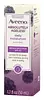
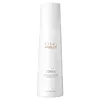
Aveeno Absolutely Ageless Daily Facial Moisturizer with Broad Spectrum SPF 30 Sunscreen Versus Atomy Absolute Toner
This brightening moisturizer is formulated around Hexylresorcinol and Ascorbyl Glucoside to fade the look of dark spots.
This hydrating toner is formulated around Niacinamide and Bifida Ferment Lysate to hydrate skin and strengthen the skin barrier.


What's inside
What's inside
 Key Ingredients
Benefits
Concerns
Ingredients Side-by-side
Butyl Methoxydibenzoylmethane 2%
UV Absorber
Homosalate 4%
Skin Conditioning
Ethylhexyl Salicylate 4%
UV Absorber
Octocrylene 2%
UV Absorber

Water
Skin ConditioningPropylene Glycol
Humectant

Glycerin
Humectant

Isononyl Isononanoate
EmollientDimethicone
Emollient
Steareth-2
EmulsifyingEthylhexyl Palmitate
Emollient


Styrene/Acrylates Copolymer
Butyrospermum Parkii Butter
Skin Conditioning
Vinyl Dimethicone/Methicone Silsesquioxane Crosspolymer

Hexylresorcinol
Antimicrobial
Steareth-21
CleansingBehenyl Alcohol
Emollient
Phenoxyethanol
Preservative
Dimethicone Crosspolymer
Emulsion Stabilising
Ammonium Acryloyldimethyltaurate/Vp Copolymer
Ascorbyl Glucoside
Antioxidant



Parfum
Masking

Sclerotium Gum
Emulsion StabilisingChlorphenesin
Antimicrobial
Disodium EDTA
ChelatingTocopheryl Acetate
Antioxidant
Maltodextrin
Absorbent
Ethylhexylglycerin
Skin ConditioningSodium Hydroxide
BufferingButylene Glycol
Humectant
Peucedanum Graveolens Extract
TonicRubus Fruticosus Leaf Extract
MaskingXanthan Gum
EmulsifyingButyl Methoxydibenzoylmethane 2%, Homosalate 4%, Ethylhexyl Salicylate 4%, Octocrylene 2%, Water, Propylene Glycol, Glycerin, Isononyl Isononanoate, Dimethicone, Steareth-2, Ethylhexyl Palmitate, Styrene/Acrylates Copolymer, Butyrospermum Parkii Butter, Vinyl Dimethicone/Methicone Silsesquioxane Crosspolymer, Hexylresorcinol, Steareth-21, Behenyl Alcohol, Phenoxyethanol, Dimethicone Crosspolymer, Ammonium Acryloyldimethyltaurate/Vp Copolymer, Ascorbyl Glucoside, Parfum, Sclerotium Gum, Chlorphenesin, Disodium EDTA, Tocopheryl Acetate, Maltodextrin, Ethylhexylglycerin, Sodium Hydroxide, Butylene Glycol, Peucedanum Graveolens Extract, Rubus Fruticosus Leaf Extract, Xanthan Gum
Camellia Sinensis Leaf Water
Masking
Hylocereus Undatus Fruit Extract
Skin ConditioningMethylpropanediol
SolventPropanediol
Solvent
Niacinamide
Smoothing





Glycerin
Humectant
Lavandula Angustifolia Flower/Leaf/Stem Extract
Masking
Rosmarinus Officinalis Extract
AntimicrobialAlthaea Officinalis Leaf/Root Extract
EmollientOcimum Basilicum Flower/Leaf Extract
TonicPyrus Malus Fruit Water
MaskingHouttuynia Cordata Extract
Skin Conditioning
Anthemis Nobilis Flower Extract
Masking
Foeniculum Vulgare Leaf Extract
Humectant1,2-Hexanediol
Skin Conditioning
Bifida Ferment Lysate
Skin Conditioning
Pichia Ferment Lysate Filtrate
HumectantHydrolyzed Lupine Protein
Skin ConditioningLactic Acid/Glycolic Acid Copolymer
Skin ConditioningPolyvinyl Alcohol
Palmitic Acid
Emollient
Alanine
Masking
Aspartic Acid
Masking
Glutamine
Skin ConditioningIsoleucine
Skin ConditioningLeucine
Skin ConditioningSerine
Masking
Arginine
Masking
Glutamic Acid
Humectant
Glycine
Buffering
Histidine
Humectant
Lysine
Skin ConditioningPhenylalanine
Masking
Proline
Skin Conditioning
Tryptophan
MaskingTyrosine
MaskingValine
MaskingCamellia Sinensis Leaf Extract
Antimicrobial
Dioscorea Japonica Root Extract
Skin Conditioning
Ulmus Davidiana Root Extract
Skin Conditioning
Amaranthus Caudatus Seed Extract
Skin Conditioning
Phellinus Linteus Extract
Skin ConditioningAlgae Extract
Emollient
Cordyceps Sinensis Extract
Antioxidant
Eclipta Prostrata Leaf Extract
Skin ConditioningAvena Sativa Kernel Extract
Abrasive
Pteris Multifida Extract
Antioxidant
Cynara Scolymus Leaf Extract
Skin ConditioningHydrogenated Lecithin
Emulsifying
Argania Spinosa Kernel Oil
Emollient
Sodium Hyaluronate
Humectant
Tocopheryl Acetate
Antioxidant
Caprylic/Capric Triglyceride
Masking
Polyglyceryl-10 Laurate
Skin Conditioning
Carbomer
Emulsion StabilisingPolyquaternium-51
Skin Conditioning
Dimethicone
Emollient
Squalane
Emollient
Hydrogenated Polyisobutene
EmollientDipropylene Glycol
HumectantTromethamine
BufferingSaccharomyces/Rice Ferment Filtrate
Skin Conditioning
Glycosyl Trehalose
Emulsion StabilisingBeta-Glucan
Skin Conditioning
Isononyl Isononanoate
EmollientPolyglyceryl-10 Stearate
Skin Conditioning
Disodium EDTA
ChelatingHydrogenated Starch Hydrolysate
HumectantRaffinose
Skin ConditioningButylene Glycol
Humectant
Ceramide NP
Skin Conditioning
Cetearyl Alcohol
Emollient
Biosaccharide Gum-1
Humectant
Butyrospermum Parkii Butter
Skin Conditioning
Stearic Acid
Cleansing
Polyglyceryl-2 Dipolyhydroxystearate
Skin Conditioning
Cholesterol
Emollient
Lecithin
Emollient
Fructooligosaccharides
Humectant
Inulin Lauryl Carbamate
Emulsion StabilisingHydrogenated Phosphatidylcholine
Emulsifying
Panthenol
Skin Conditioning
Isostearyl Isostearate
Emollient
Triethylhexanoin
MaskingHydrolyzed Hyaluronic Acid
Humectant
Tocopheryl Linoleate
Antioxidant
Disodium Stearoyl Glutamate
CleansingHydrogenated Polydecene
EmollientPhospholipids
Skin Conditioning
Glyceryl Oleate
Emollient
Folic Acid
Skin ConditioningCeramide Ng
Skin Conditioning
Potassium Cetyl Phosphate
EmulsifyingTocopherol
Antioxidant
Palmitoyl Pentapeptide-4
Skin Conditioning
Phytosphingosine
Skin Conditioning
Parfum
Masking
Ethylhexylglycerin
Skin ConditioningPentylene Glycol
Skin Conditioning
Camellia Sinensis Leaf Water, Hylocereus Undatus Fruit Extract, Methylpropanediol, Propanediol, Niacinamide, Glycerin, Lavandula Angustifolia Flower/Leaf/Stem Extract, Rosmarinus Officinalis Extract, Althaea Officinalis Leaf/Root Extract, Ocimum Basilicum Flower/Leaf Extract, Pyrus Malus Fruit Water, Houttuynia Cordata Extract, Anthemis Nobilis Flower Extract, Foeniculum Vulgare Leaf Extract, 1,2-Hexanediol, Bifida Ferment Lysate, Pichia Ferment Lysate Filtrate, Hydrolyzed Lupine Protein, Lactic Acid/Glycolic Acid Copolymer, Polyvinyl Alcohol, Palmitic Acid, Alanine, Aspartic Acid, Glutamine, Isoleucine, Leucine, Serine, Arginine, Glutamic Acid, Glycine, Histidine, Lysine, Phenylalanine, Proline, Tryptophan, Tyrosine, Valine, Camellia Sinensis Leaf Extract, Dioscorea Japonica Root Extract, Ulmus Davidiana Root Extract, Amaranthus Caudatus Seed Extract, Phellinus Linteus Extract, Algae Extract, Cordyceps Sinensis Extract, Eclipta Prostrata Leaf Extract, Avena Sativa Kernel Extract, Pteris Multifida Extract, Cynara Scolymus Leaf Extract, Hydrogenated Lecithin, Argania Spinosa Kernel Oil, Sodium Hyaluronate, Tocopheryl Acetate, Caprylic/Capric Triglyceride, Polyglyceryl-10 Laurate, Carbomer, Polyquaternium-51, Dimethicone, Squalane, Hydrogenated Polyisobutene, Dipropylene Glycol, Tromethamine, Saccharomyces/Rice Ferment Filtrate, Glycosyl Trehalose, Beta-Glucan, Isononyl Isononanoate, Polyglyceryl-10 Stearate, Disodium EDTA, Hydrogenated Starch Hydrolysate, Raffinose, Butylene Glycol, Ceramide NP, Cetearyl Alcohol, Biosaccharide Gum-1, Butyrospermum Parkii Butter, Stearic Acid, Polyglyceryl-2 Dipolyhydroxystearate, Cholesterol, Lecithin, Fructooligosaccharides, Inulin Lauryl Carbamate, Hydrogenated Phosphatidylcholine, Panthenol, Isostearyl Isostearate, Triethylhexanoin, Hydrolyzed Hyaluronic Acid, Tocopheryl Linoleate, Disodium Stearoyl Glutamate, Hydrogenated Polydecene, Phospholipids, Glyceryl Oleate, Folic Acid, Ceramide Ng, Potassium Cetyl Phosphate, Tocopherol, Palmitoyl Pentapeptide-4, Phytosphingosine, Parfum, Ethylhexylglycerin, Pentylene Glycol
Reviews
Ingredients Explained
These ingredients are found in both products.
Ingredients higher up in an ingredient list are typically present in a larger amount.
Butylene Glycol (or BG) is used within cosmetic products for a few different reasons:
Overall, Butylene Glycol is a safe and well-rounded ingredient that works well with other ingredients.
Though this ingredient works well with most skin types, some people with sensitive skin may experience a reaction such as allergic rashes, closed comedones, or itchiness.
Learn more about Butylene GlycolThis ingredient is also known as shea butter. It is a plant-derived extract from the nuts of the Africa shea tree and one of the most well-studied emollients.
Because it has a high concentration of fatty acids (primarily oleic, stearic, and linoleic) it is able to form a protective barrier on the skin's surface. This helps seal in moisture and prevents transepidermal water loss (TEWL).
In vitro research found an increase in skin hydration by 58% and a decrease in TEWL by 37.8% after 24 hours of applying this ingredient (pretty impressive for a single ingredient!).
Besides hydration, shea butter also contains triterpenes that have anti-inflammatory potential. In particule, lupeol cinnamate has shown the highest anti-inflammatory activity in vivo.
Shea butter also contains vitamins A and E which may contribute to antioxidant activity.
While Shea Butter has an SPF rating of about 3-4, it is not a sunscreen replacement.
This ingredient may not be fungal acne safe because its fatty acids fall within the C11-C24 range that the Malassezia yeast can metabolize.
This ingredient shows up on a lot of "pore-clogging" lists but there's no real evidence behind that. It doesn't even have a comedogenic rating from an actual study; the numbers you'll find online come from blogs citing other blogs.
Ratings for other ingredients mostly come from a 1980s rabbit ear test. This test doesn't translate well to human skin or to real products because the ingredient sits at a much lower percentage.
Some people still find it breaks them out. So if that's you, definitely trust your skin. Just know this one's based on experience and not evidence.
Learn more about Butyrospermum Parkii ButterDimethicone is a type of synthetic silicone created from natural materials such as quartz. It is also known as polydimethylsiloxane.
What it does:
Dimethicone comes in different viscosities:
Depending on the viscosity, dimethicone has different properties.
Ingredients lists don't always show which type is used, so we recommend reaching out to the brand if you have questions about the viscosity.
This ingredient is unlikely to cause irritation because it does not get absorbed into skin. However, people with silicone allergies should be careful about using this ingredient.
Note: Dimethicone may contribute to pilling. This is because it is not oil or water soluble, so pilling may occur when layered with products. When mixed with heavy oils in a formula, the outcome is also quite greasy.
Learn more about DimethiconeDisodium EDTA is a chelating agent. It grabs onto and deactivates metal ions that sneak into your products from water, packaging, or air.
This ingredient mainly works behind the scenes and helps with:
On top of that, this ingredient can counteract the effects of hard water by binding to the minerals in it.
One thing worth knowing is that Disodium EDTA has been shown to be a mild penetration enhancer. It can help other ingredients absorb into skin more effectively which can be a double-edged sword (great for actives, but can also make the active too strong if you have sensitive skin).
Clinical patch testing showed no significant skin irritation at typical use concentrations and minimal dermal absorption.
You'll most likely see this ingredient near the end of an ingredient list. It's typically found in concentrations less than 1%.
Learn more about Disodium EDTAEthylhexylglycerin is created from glycerin. It is a multitasker ingredient that:
The CIR Expert Panel found minimal skin absorption or sensitization of any kind in a safety assessment. Though this ingredient is considered well-tolerated, a small number of cases of allergic dermatitis have been published since 2002. Just be sure to patch test if you are unsure.
Industry-reported use ranges from 8% in rinse-off products and 2% in leave-on formulations.
Learn more about EthylhexylglycerinGlycerin (or glycerol) is a compound naturally found in your skin. It's a powerhouse humectant that pulls water into the stratum corneum.
Topically, glycerin does several things at once:
Your skin makes glycerin on its own (mostly from sebaceous oil breakdown) and shuttles it to your outermost layer of skin, or your epidermis, via aquaporin-3.
Aquaporin-3 is a transporter that is essential for normal skin hydration, elasticity, and repair. Interestingly, mice lacking in AQP3 have dry and less elastic skin that can be fully corrected with glycerin.
This ingredient is non-irritating, plays well with almost every ingredient, and works across all skin types. Typical use is anywhere between 3-10% but can go up to 79% in some leave-on products.
Just know very high concentrations (>40%) can feel tacky in low humidity.
Glycerin is the name for this ingredient in American English. British English uses Glycerol/Glycerine.
Learn more about GlycerinIsononyl Isononanoate is a synthetic skin-conditioner and texture enhancer. It is created from nonanoic acid, a fatty acid found in cocoa and lavender oil.
As an emollient, Isononyl Isononanoate helps keep your skin soft and smooth. This is because emollients create a barrier on the skin to trap moisture in.
Isononyl Isononanoate helps give products a velvet feel and improves spreadability.
Learn more about Isononyl IsononanoateParfum is a catch-all term for an ingredient or more that is used to give a scent to products.
Also called "fragrance", this ingredient can be a blend of hundreds of chemicals or plant oils. This means every product with "fragrance" or "parfum" in the ingredients list is a different mixture.
For instance, Habanolide is a proprietary trade name for a specific aroma chemical. When used as a fragrance ingredient in cosmetics, most aroma chemicals fall under the broad labeling category of “FRAGRANCE” or “PARFUM” according to EU and US regulations.
The term 'parfum' or 'fragrance' is not regulated in many countries. In many cases, it is up to the brand to define this term.
For instance, many brands choose to label themselves as "fragrance-free" because they are not using synthetic fragrances. However, their products may still contain ingredients such as essential oils that are considered a fragrance by INCI standards.
One example is Calendula flower extract. Calendula is an essential oil that still imparts a scent or 'fragrance'.
Depending on the blend, the ingredients in the mixture can cause allergies and sensitivities on the skin. Some ingredients that are known EU allergens include linalool and citronellol.
Parfum can also be used to mask or cover an unpleasant scent.
The bottom line is: not all fragrances/parfum/ingredients are created equally. If you are worried about fragrances, we recommend taking a closer look at an ingredient. And of course, we always recommend speaking with a professional.
Learn more about ParfumTocopheryl Acetate is a stable, shelf-friendly form of vitamin E.
Formulators love it because plain vitamin E oxidizes quickly once it hits air. This acetate version stays stable and resists going off, helping to extend a product's shelf life.
It's actually inactive on its own and works like a slow-release "storage" form; the enzymes in your skin called esterases gradually convert it into active vitamin E over time.
One in vivo study showed 5% of the acetate in the living layer of the epidermis converted to vitamin E after 5 days of application. This study also found the skin gained protection against UV damage even though the conversion was slow and small.
Once converted, vitamin E acts as a skin's main fat-soluble antioxidant that fights free radicals to protect skin from damage.
Topical vitamin E generally boosts the skin's photoprotection, and it reduced UV-damage in animal models.
This ingredient has some brightening potential but it's more of a prevention ingredient than spot-fader. Cell studies show it can slow down melanin production but it's worth noting that it's not the most powerful brightener out there.
Overall, it has a pretty solid safety profile and has been found to be non-irritating and non-comedogenic. Allergic reactions may happen but stay rare due to how widely the ingredient gets used.
The concentration will vary depending on the formula; industry data shows 0.1% in baby lotions, 3% in lipsticks, and 5% in foot powders. You can also find this ingredient at 100% in a pure vitamin E oil.
Most leave-on skincare keeps it at the lower end, often between 0.5-1%.
Learn more about Tocopheryl Acetate

