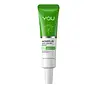
This acne serum is formulated around Niacinamide and Salicylic Acid to clear breakouts and calm redness.
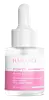
This acne serum is formulated around Salicylic Acid and Glycolic Acid to clear breakouts and refine skin texture.

What's inside
What's inside
 Key Ingredients
Benefits
Concerns
Ingredients Side-by-side
Water
Skin ConditioningPropanediol
Solvent

Niacinamide
Smoothing










Ethylhexyl Palmitate
Emollient




Polysorbate 60
Emulsifying
Propylene Glycol
Humectant
Caprylic/Capric Triglyceride
Masking
Cetearyl Alcohol
Emollient
Dimethicone
Emollient
Sorbitan Stearate
Emulsifying
Hydroxyethylpiperazine Ethane Sulfonic Acid
BufferingHydroxypropyl Cyclodextrin
MaskingIsononyl Isononanoate
EmollientGlyceryl Stearate
Emollient
PEG-100 Stearate
Surfactant
Panthenol
Skin Conditioning
Cetyl Alcohol
Emollient
Laurocapram
Skin ConditioningGalla Rhois Gallnut Extract
Antimicrobial
Polyacrylate-13
Phenoxyethanol
Preservative
Glycerin
Humectant
Butylene Glycol
Humectant
Triethanolamine
BufferingHydroxyacetophenone
Antioxidant
Menthol
Masking


Salvia Miltiorrhiza Root Extract
Skin ConditioningPaeonol
Antioxidant
Dipotassium Glycyrrhizate
Humectant
Scutellaria Baicalensis Root Extract
Astringent
Acrylates/C10-30 Alkyl Acrylate Crosspolymer
Emulsion StabilisingPolyisobutene
Xanthan Gum
EmulsifyingDisodium EDTA
ChelatingPolysorbate 20
Emulsifying
Camphor
Masking
Sorbitan Isostearate
Emulsifying
Salicylic Acid
Masking
Allantoin
Skin Conditioning
Gluconolactone
Chelating
Astragalus Membranaceus Root Extract
Emollient
Sclerotium Gum
Emulsion Stabilising1,2-Hexanediol
Skin Conditioning
Caprylyl Glycol
Emollient
Saposhnikovia Divaricata Root Extract
AntimicrobialPapain
Skin Conditioning
Pentylene Glycol
Skin Conditioning
Calendula Officinalis Flower Extract
Masking
Albizia Julibrissin Flower Extract
Skin ConditioningGastrodia Elata Root Extract
Skin ConditioningCentella Asiatica Extract
Cleansing
Quaternium-73
Gentiana Scabra Root Extract
Skin ConditioningCapryloyl Glycine
CleansingHexylene Glycol
EmulsifyingMelaleuca Alternifolia Leaf Oil
Antioxidant

Phellodendron Amurense Bark Extract
Skin ConditioningSophora Angustifolia Root Extract
Skin ConditioningRheum Palmatum Root Extract
Astringent
Sarcosine
Skin Conditioning
Madecassoside
Antioxidant
Cinnamomum Zeylanicum Bark Extract
Antimicrobial
Asiaticoside
Antioxidant
Anthemis Nobilis Flower Oil
Masking
Glyceryl Caprylate
EmollientHydroxycinnamic Acid
Skin ConditioningRutin
Antioxidant
Asiatic Acid
Skin Conditioning
Stephania Tetrandra Root Extract
Skin ConditioningMadecassic Acid
Skin Conditioning
Zinc PCA
Humectant
Water, Propanediol, Niacinamide, Ethylhexyl Palmitate, Polysorbate 60, Propylene Glycol, Caprylic/Capric Triglyceride, Cetearyl Alcohol, Dimethicone, Sorbitan Stearate, Hydroxyethylpiperazine Ethane Sulfonic Acid, Hydroxypropyl Cyclodextrin, Isononyl Isononanoate, Glyceryl Stearate, PEG-100 Stearate, Panthenol, Cetyl Alcohol, Laurocapram, Galla Rhois Gallnut Extract, Polyacrylate-13, Phenoxyethanol, Glycerin, Butylene Glycol, Triethanolamine, Hydroxyacetophenone, Menthol, Salvia Miltiorrhiza Root Extract, Paeonol, Dipotassium Glycyrrhizate, Scutellaria Baicalensis Root Extract, Acrylates/C10-30 Alkyl Acrylate Crosspolymer, Polyisobutene, Xanthan Gum, Disodium EDTA, Polysorbate 20, Camphor, Sorbitan Isostearate, Salicylic Acid, Allantoin, Gluconolactone, Astragalus Membranaceus Root Extract, Sclerotium Gum, 1,2-Hexanediol, Caprylyl Glycol, Saposhnikovia Divaricata Root Extract, Papain, Pentylene Glycol, Calendula Officinalis Flower Extract, Albizia Julibrissin Flower Extract, Gastrodia Elata Root Extract, Centella Asiatica Extract, Quaternium-73, Gentiana Scabra Root Extract, Capryloyl Glycine, Hexylene Glycol, Melaleuca Alternifolia Leaf Oil, Phellodendron Amurense Bark Extract, Sophora Angustifolia Root Extract, Rheum Palmatum Root Extract, Sarcosine, Madecassoside, Cinnamomum Zeylanicum Bark Extract, Asiaticoside, Anthemis Nobilis Flower Oil, Glyceryl Caprylate, Hydroxycinnamic Acid, Rutin, Asiatic Acid, Stephania Tetrandra Root Extract, Madecassic Acid, Zinc PCA
Water
Skin ConditioningButylene Glycol
Humectant
Hydroxyethyl Urea
Humectant
Betaine
Humectant
Methyl Gluceth-20
Humectant
Salicylic Acid
Masking
Glycolic Acid
Buffering

Propanediol
Solvent
Ethoxydiglycol
HumectantSuccinic Acid
BufferingPhenoxyethanol
Preservative
Biosaccharide Gum-1
Humectant
Glycerin
Humectant
PEG-20
HumectantCaprylic/Capric Triglyceride
Masking
PEG-60 Almond Glycerides
Emulsifying
Vaccinium Myrtillus Fruit Extract
Skin ConditioningCaprylyl Glycol
Emollient
Allantoin
Skin Conditioning
Ammonium Acryloyldimethyltaurate/Vp Copolymer
Arginine
Masking
Saccharum Officinarum Extract
MoisturisingEthylhexylglycerin
Skin ConditioningLecithin
Emollient
Dehydroxanthan Gum
Emulsion StabilisingDisodium EDTA
ChelatingTocopheryl Acetate
Antioxidant
Sodium Hyaluronate
Humectant
Citrus Aurantium Dulcis Fruit Extract
MaskingCitrus Limon Fruit Extract
Masking
Ascorbic Acid
Antioxidant
Acer Saccharum Extract
Skin ConditioningPlatycarya Strobilacea Extract
Skin ConditioningPsoralea Corylifolia Fruit Extract
Skin ConditioningSophora Flavescens Root Extract
Antioxidant
Carbomer
Emulsion StabilisingNordihydroguaiaretic Acid
Antioxidant
Oleanolic Acid
Skin ConditioningWater, Butylene Glycol, Hydroxyethyl Urea, Betaine, Methyl Gluceth-20, Salicylic Acid, Glycolic Acid, Propanediol, Ethoxydiglycol, Succinic Acid, Phenoxyethanol, Biosaccharide Gum-1, Glycerin, PEG-20, Caprylic/Capric Triglyceride, PEG-60 Almond Glycerides, Vaccinium Myrtillus Fruit Extract, Caprylyl Glycol, Allantoin, Ammonium Acryloyldimethyltaurate/Vp Copolymer, Arginine, Saccharum Officinarum Extract, Ethylhexylglycerin, Lecithin, Dehydroxanthan Gum, Disodium EDTA, Tocopheryl Acetate, Sodium Hyaluronate, Citrus Aurantium Dulcis Fruit Extract, Citrus Limon Fruit Extract, Ascorbic Acid, Acer Saccharum Extract, Platycarya Strobilacea Extract, Psoralea Corylifolia Fruit Extract, Sophora Flavescens Root Extract, Carbomer, Nordihydroguaiaretic Acid, Oleanolic Acid
Reviews
Ingredients Explained
These ingredients are found in both products.
Ingredients higher up in an ingredient list are typically present in a larger amount.
Allantoin is a soothing ingredient known for its protective and moisturizing properties; it's basically a quiet workhorse ingredient you can find in a huge range of cosmetics.
Though it can be derived from the comfrey plant, allantoin is produced synthetically for cosmetic products to ensure purity.
Research shows it can encourage your skin cells to turn over and renew by stimulating keratinocyte and fibroblast proliferation.
It also has mild keratolytic properties to help loosen and shed dead skin cells without being harsh.
Studies also suggest allantoin can help calm inflammation by dialing down some of the chemical signals your skin sends out when it is irritated.
This ingredient is typically used in the 0.1-0.5% range, and the FDA recognizes it as a skin protectant in OTC products up to 2%.
Overall, allantoin is a wonderful addition to most routines; it is stable across a wide pH range (~4-8), works well with other ingredients, and is considered non-sensitizing/non-irritating.
Fun fact: Allantoin is naturally occurring in comfrey root, beets, chamomile, and wheat sprouts. Our bodies even produce it as a byproduct of uric acid metabolism.
Learn more about AllantoinButylene Glycol (or BG) is used within cosmetic products for a few different reasons:
Overall, Butylene Glycol is a safe and well-rounded ingredient that works well with other ingredients.
Though this ingredient works well with most skin types, some people with sensitive skin may experience a reaction such as allergic rashes, closed comedones, or itchiness.
Learn more about Butylene GlycolCaprylic/Capric Triglyceride (aka MCT Oil) is a lightweight emollient, solvent, and texture enhancer. It is considered a skin-softener by helping to prevent moisture loss.
Though it behaves like an oil, it is not technically one due to its chemical composition. One perk of this ingredient is that it is very stable, resistant to oxidation, and unlikely to go rancid.
In practice, that translates to a long shelf life and a consistently elegant skin feel.
While there is an assumption Caprylic Triglyceride can clog pores due to it being derived from coconut oil, there is no research supporting this. Just patch test if you have concerns.
Fractionated coconut oil and MCT Oil are both listed as Caprylic/Capric Triglyceride according to INCI. This is because INCI names are based on the ingredient’s final chemical composition and not its marketing name or source.
This ingredient is treated as the gold standard fungal acne safe oil. Even though it is coconut derived, the problematic lauric acid is stripped out.
This leaves just caprylic (C8) and capric (C10) acid. These chain lengths actually trend antifungal; a 2020 study found caprylic acid was enough to disrupt Malassezia furfur cell membrane, with a caprylic acid derivative damaging membrane structures at concentrations as low as 0.2%.
Learn more about Caprylic/Capric TriglycerideCaprylyl Glycol is a humectant, skin conditioner, emollient, and preservative booster derived from either caprylic acid or synthetically created.
Typical use levels vary from 0.3-1% as a preservative booster and go up to 2% to condition skin.
Because it is not a free-fatty acid, this ingredient is fungal acne safe (there's nothing for Malassezia to feed on).
Learn more about Caprylyl GlycolDisodium EDTA is a chelating agent. It grabs onto and deactivates metal ions that sneak into your products from water, packaging, or air.
This ingredient mainly works behind the scenes and helps with:
On top of that, this ingredient can counteract the effects of hard water by binding to the minerals in it.
One thing worth knowing is that Disodium EDTA has been shown to be a mild penetration enhancer. It can help other ingredients absorb into skin more effectively which can be a double-edged sword (great for actives, but can also make the active too strong if you have sensitive skin).
Clinical patch testing showed no significant skin irritation at typical use concentrations and minimal dermal absorption.
You'll most likely see this ingredient near the end of an ingredient list. It's typically found in concentrations less than 1%.
Learn more about Disodium EDTAGlycerin (or glycerol) is a compound naturally found in your skin. It's a powerhouse humectant that pulls water into the stratum corneum.
Topically, glycerin does several things at once:
Your skin makes glycerin on its own (mostly from sebaceous oil breakdown) and shuttles it to your outermost layer of skin, or your epidermis, via aquaporin-3.
Aquaporin-3 is a transporter that is essential for normal skin hydration, elasticity, and repair. Interestingly, mice lacking in AQP3 have dry and less elastic skin that can be fully corrected with glycerin.
This ingredient is non-irritating, plays well with almost every ingredient, and works across all skin types. Typical use is anywhere between 3-10% but can go up to 79% in some leave-on products.
Just know very high concentrations (>40%) can feel tacky in low humidity.
Glycerin is the name for this ingredient in American English. British English uses Glycerol/Glycerine.
Learn more about GlycerinPhenoxyethanol is one of the most widely used preservatives in skincare (and for good reason!).
It has a large spectrum of antimicrobial activity and especially effective bacteria, yeast, and mold while only having a weak effect on your skin's natural microbiome.
On a cellular level, it disrupts the cell membranes of microbes by poking holes that make the cell leak. This shuts down the chemical reactions the microbe needs to make energy so it can no longer survive.
Another perk of this ingredient is that it stays functional across a wide pH range (3-10).
You'll often see it paired with boosters like Ethylhexylglycerin; one study showed that a 1:9 ratio of Ethylhexylglycerin to Phenoxyethanol damages bacterial membranes as effectively as doubling the Phenoxyethanol concentration on its own.
Typical use concentrations range from 0.3-1% depending on the formula, and this ingredient is capped at 1% int the EU.
Safety-wise, the fear mongering does not hold up to the evidence. The EU's Scientific Committee on Consumer Safety and FDA consider it safe as a preservative at up to 1%, including for children of all ages.
Adverse systemic effects only showed up in animal studies at exposures roughly 200x higher than what people get from cosmetics. And despite its very widespread use, this ingredient is a rare sensitizer and allergic reactions are uncommon.
Learn more about PhenoxyethanolPropanediol is an all-star ingredient. It softens, hydrates, and smooths the skin.
It’s often used to:
Propanediol is not likely to cause sensitivity and considered safe to use. It is derived from corn or petroleum with a clear color and no scent.
Learn more about PropanediolSalicylic Acid (also known as beta hydroxy acid or BHA) is a well-known ingredient for treating skin that struggles with acne and clogged pores. It exfoliates both the skin's surface and deep within the pores to help clear out buildup, control oil, and reduce inflammation.
Unlike AHAs (alpha hydroxy acids), salicylic acid is oil-soluble. This allows it to penetrate into pores which makes it especially effective for treating blackheads and preventing future breakouts.
Salicylic acid is also known for its soothing properties. It has a similar structure to aspirin and can calm inflamed or irritated skin, making it a good option for acne-prone skin that is also sensitive.
Concentrations of 0.5-2% are recognized by the U.S. FDA as an over-the-counter topical acne product.
It can cause irritation and/or dryness if one's skin already has a compromised moisture barrier, so it's best to focus on repairing that before introducing this ingredient into your routine.
While salicylic acid does not increase sun sensitivity, it’s still important to wear sunscreen daily to protect your skin.
If you are looking for the ingredient called BHA or Butylated Hydroxyanisole, click here.
Learn more about Salicylic AcidWater. It's the most common cosmetic ingredient of all. You'll usually see it at the top of ingredient lists, meaning that it makes up the largest part of the product.
So why is it so popular? Water most often acts as a solvent - this means that it helps dissolve other ingredients into the formulation.
You'll also recognize water as that liquid we all need to stay alive. If you see this, drink a glass of water. Remember to stay hydrated!
Learn more about Water

