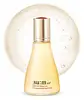
This hydrating treatment is formulated around Ferulic Acid and Glycyrrhiza Glabra Root Extract to hydrate skin and brighten dull-looking skin.
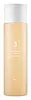
This brightening toner is formulated around Niacinamide and Lactobacillus Ferment to brighten dull-looking skin and strengthen the skin barrier.

What's inside
What's inside
 Key Ingredients
Benefits
Concerns
Ingredients Side-by-side
Water
Skin ConditioningDipropylene Glycol
HumectantGlycereth-26
Humectant
Spiraea Ulmaria Flower Extract
Skin Conditioning1,2-Hexanediol
Skin Conditioning
Butylene Glycol
Humectant
Glycerin
Humectant
Methyl Gluceth-20
Humectant
Ferulic Acid
Antimicrobial


Lactobacillus/Pear Juice Ferment Filtrate
Skin ConditioningSaccharomyces/Barley Seed Ferment Filtrate
HumectantLactobacillus/Wasabia Japonica Root Ferment Extract
Antioxidant
Lactobacillus/Water Hyacinth Ferment
Skin ProtectingLactobacillus
Skin ConditioningLactobacillus/Soybean Ferment Extract
Skin ConditioningLactobacillus/Rye Flour Ferment
Skin ConditioningMonascus/Rice Ferment
Antioxidant
Saccharomyces/Potato Extract Ferment Filtrate
Humectant

Saccharomyces/Xylinum/Black Tea Ferment
Skin Conditioning
Saccharomyces/Grape Ferment Extract
Skin Conditioning
Glycyrrhiza Glabra Root Extract
Bleaching

Diospyros Kaki Fruit Extract
Skin ConditioningCurcuma Longa Root Extract
Antioxidant
Actinidia Polygama Fruit Extract
Skin ConditioningCassia Tora Seed Extract
Skin ConditioningIpomoea Batatas Root Extract
Skin ConditioningTrichosanthes Kirilowii Root Extract
Skin ProtectingLycium Chinense Fruit Extract
Antioxidant
Citrus Unshiu Peel Extract
MaskingLonicera Japonica Flower Extract
Skin ConditioningPanicum Miliaceum Seed Extract
Skin ConditioningGlechoma Hederacea Extract
Skin ConditioningPlatycodon Grandiflorus Root Extract
Antioxidant
Acer Palmatum Leaf Extract
Antioxidant
Daucus Carota Sativa Root Extract
Skin Conditioning
Codonopsis Lanceolata Root Extract
Skin ConditioningCamellia Japonica Leaf Extract
Skin ConditioningRubus Idaeus Fruit Extract
AstringentMelilotus Officinalis Extract
AstringentLippia Citriodora Leaf Extract
Astringent

Rosmarinus Officinalis Leaf Extract
AntimicrobialAllium Sativum Bulb Extract
Skin ConditioningPortulaca Oleracea Extract
Skin Conditioning
Chaenomeles Sinensis Fruit Extract
Antioxidant
Raphanus Sativus Root Extract
AstringentFicus Carica Fruit Extract
Humectant
Musa Sapientum Fruit Extract
Skin ConditioningOcimum Basilicum Leaf Extract
Skin ConditioningCitrus Aurantium Bergamia Leaf Extract
AstringentCentella Asiatica Extract
Cleansing
Prunus Persica Fruit Extract
Abrasive
Beta Vulgaris Root Extract
Skin ConditioningEriobotrya Japonica Leaf Extract
Skin ConditioningPyrus Malus Fruit Extract
Skin Conditioning
Morus Bombycis Leaf Extract
SmoothingPrunus Armeniaca Fruit Extract
Skin ConditioningZingiber Officinale Root Extract
Masking
Taraxacum Officinale Leaf Extract
Skin ConditioningThymus Vulgaris Leaf Extract
Skin ProtectingSalvia Officinalis Leaf Extract
CleansingEquisetum Arvense Extract
AstringentCitrullus Lanatus Fruit Extract
Skin Conditioning
Brassica Rapa Leaf Extract
Skin ConditioningSpinacia Oleracea Leaf Extract
Skin ConditioningArtemisia Princeps Leaf Extract
Skin ConditioningBrassica Oleracea Capitata Leaf Extract
Skin ConditioningAllium Cepa Bulb Extract
Skin Conditioning
Houttuynia Cordata Extract
Skin Conditioning
Sasa Veitchii Leaf Extract
Skin ConditioningNelumbo Nucifera Root Extract
Skin ConditioningCucumis Sativus Fruit Extract
Emollient
Plantago Major Seed Extract
Skin ConditioningHemerocallis Fulva Flower Extract
Skin ConditioningCitrus Junos Fruit Extract
Skin ConditioningAkebia Quinata Extract
Skin ConditioningGinkgo Biloba Nut Extract
Skin ConditioningCrataegus Cuneata Fruit Extract
Skin ConditioningGrifola Frondosa Fruiting Body Extract
EmollientPrunus Salicina Fruit Extract
Antioxidant
Perilla Frutescens Leaf Extract
MaskingGeranium Robertianum Extract
AstringentAnemarrhena Asphodeloides Root Extract
Skin Conditioning
Rehmannia Chinensis Root Extract
Skin ConditioningSesamum Indicum Seed Extract
Skin Conditioning
Undaria Pinnatifida Extract
Skin ConditioningAcorus Calamus Root Extract
Perfuming
Anthemis Nobilis Flower Extract
Masking
Carica Papaya Fruit Extract
Skin ConditioningPhaseolus Angularis Seed Extract
Antioxidant
Mentha Piperita Flower/Leaf/Stem Extract
Masking
Lentinus Edodes Extract
Skin ConditioningHelianthus Annuus Seed Extract
Skin Conditioning
Schizonepeta Tenuifolia Extract
Skin ConditioningCarthamus Tinctorius Flower Extract
Skin ConditioningCichorium Intybus Root Extract
MaskingVanilla Tahitensis Fruit Extract
Skin ConditioningPoloxamer 234
EmulsifyingBetaine
Humectant
Glycosphingolipids
EmollientPhospholipids
Skin Conditioning
Niacinamide
Smoothing


Sodium Hyaluronate
Humectant
Ceramide NP
Skin Conditioning
Polyquaternium-51
Skin Conditioning
Lauryl Dimethicone/Polyglycerin-3 Crosspolymer
Cleansing
Cholesterol
Emollient
Polymethylsilsesquioxane
Hydroxyethylcellulose
Emulsion StabilisingCetearyl Alcohol
Emollient




Acrylates/C10-30 Alkyl Acrylate Crosspolymer
Emulsion StabilisingPEG/PPG-17/6 Copolymer
SolventTromethamine
BufferingLavandula Angustifolia Oil
Masking

Citrus Aurantium Bergamia Fruit Oil
Masking
Anthemis Nobilis Flower Oil
Masking
Pelargonium Graveolens Flower Oil
Masking
Citrus Aurantifolia Oil
Cleansing
Limonene
Perfuming
Linalool
Perfuming
Citronellol
Perfuming
Water, Dipropylene Glycol, Glycereth-26, Spiraea Ulmaria Flower Extract, 1,2-Hexanediol, Butylene Glycol, Glycerin, Methyl Gluceth-20, Ferulic Acid, Lactobacillus/Pear Juice Ferment Filtrate, Saccharomyces/Barley Seed Ferment Filtrate, Lactobacillus/Wasabia Japonica Root Ferment Extract, Lactobacillus/Water Hyacinth Ferment, Lactobacillus, Lactobacillus/Soybean Ferment Extract, Lactobacillus/Rye Flour Ferment, Monascus/Rice Ferment, Saccharomyces/Potato Extract Ferment Filtrate, Saccharomyces/Xylinum/Black Tea Ferment, Saccharomyces/Grape Ferment Extract, Glycyrrhiza Glabra Root Extract, Diospyros Kaki Fruit Extract, Curcuma Longa Root Extract, Actinidia Polygama Fruit Extract, Cassia Tora Seed Extract, Ipomoea Batatas Root Extract, Trichosanthes Kirilowii Root Extract, Lycium Chinense Fruit Extract, Citrus Unshiu Peel Extract, Lonicera Japonica Flower Extract, Panicum Miliaceum Seed Extract, Glechoma Hederacea Extract, Platycodon Grandiflorus Root Extract, Acer Palmatum Leaf Extract, Daucus Carota Sativa Root Extract, Codonopsis Lanceolata Root Extract, Camellia Japonica Leaf Extract, Rubus Idaeus Fruit Extract, Melilotus Officinalis Extract, Lippia Citriodora Leaf Extract, Rosmarinus Officinalis Leaf Extract, Allium Sativum Bulb Extract, Portulaca Oleracea Extract, Chaenomeles Sinensis Fruit Extract, Raphanus Sativus Root Extract, Ficus Carica Fruit Extract, Musa Sapientum Fruit Extract, Ocimum Basilicum Leaf Extract, Citrus Aurantium Bergamia Leaf Extract, Centella Asiatica Extract, Prunus Persica Fruit Extract, Beta Vulgaris Root Extract, Eriobotrya Japonica Leaf Extract, Pyrus Malus Fruit Extract, Morus Bombycis Leaf Extract, Prunus Armeniaca Fruit Extract, Zingiber Officinale Root Extract, Taraxacum Officinale Leaf Extract, Thymus Vulgaris Leaf Extract, Salvia Officinalis Leaf Extract, Equisetum Arvense Extract, Citrullus Lanatus Fruit Extract, Brassica Rapa Leaf Extract, Spinacia Oleracea Leaf Extract, Artemisia Princeps Leaf Extract, Brassica Oleracea Capitata Leaf Extract, Allium Cepa Bulb Extract, Houttuynia Cordata Extract, Sasa Veitchii Leaf Extract, Nelumbo Nucifera Root Extract, Cucumis Sativus Fruit Extract, Plantago Major Seed Extract, Hemerocallis Fulva Flower Extract, Citrus Junos Fruit Extract, Akebia Quinata Extract, Ginkgo Biloba Nut Extract, Crataegus Cuneata Fruit Extract, Grifola Frondosa Fruiting Body Extract, Prunus Salicina Fruit Extract, Perilla Frutescens Leaf Extract, Geranium Robertianum Extract, Anemarrhena Asphodeloides Root Extract, Rehmannia Chinensis Root Extract, Sesamum Indicum Seed Extract, Undaria Pinnatifida Extract, Acorus Calamus Root Extract, Anthemis Nobilis Flower Extract, Carica Papaya Fruit Extract, Phaseolus Angularis Seed Extract, Mentha Piperita Flower/Leaf/Stem Extract, Lentinus Edodes Extract, Helianthus Annuus Seed Extract, Schizonepeta Tenuifolia Extract, Carthamus Tinctorius Flower Extract, Cichorium Intybus Root Extract, Vanilla Tahitensis Fruit Extract, Poloxamer 234, Betaine, Glycosphingolipids, Phospholipids, Niacinamide, Sodium Hyaluronate, Ceramide NP, Polyquaternium-51, Lauryl Dimethicone/Polyglycerin-3 Crosspolymer, Cholesterol, Polymethylsilsesquioxane, Hydroxyethylcellulose, Cetearyl Alcohol, Acrylates/C10-30 Alkyl Acrylate Crosspolymer, PEG/PPG-17/6 Copolymer, Tromethamine, Lavandula Angustifolia Oil, Citrus Aurantium Bergamia Fruit Oil, Anthemis Nobilis Flower Oil, Pelargonium Graveolens Flower Oil, Citrus Aurantifolia Oil, Limonene, Linalool, Citronellol
Water
Skin ConditioningDipropylene Glycol
HumectantGlycereth-26
Humectant
1,2-Hexanediol
Skin Conditioning
Niacinamide
Smoothing
Butylene Glycol
Humectant
Glycerin
Humectant
Methyl Gluceth-20
Humectant
Spiraea Ulmaria Extract
AstringentLactococcus/Bean Seed Extract Ferment Filtrate
AntimicrobialLactobacillus/Rice Ferment
Skin Conditioning
Chlorella Ferment
Skin Conditioning
Lactobacillus/Algae Extract Ferment
Skin ProtectingSaccharomyces/Grape Ferment Extract
Skin Conditioning
Lactobacillus/Pumpkin Ferment Extract
Skin ConditioningLactobacillus/Soybean Ferment Extract
Skin ConditioningLactobacillus/Soybean Extract Ferment Filtrate
Skin ConditioningSaccharomyces/Rice Ferment Filtrate
Skin Conditioning
Saccharomyces/Barley Seed Ferment Filtrate
HumectantSaccharomyces/Calcium Ferment
Skin Conditioning
Saccharomyces/Laminaria Saccharina Ferment
Skin Conditioning
Saccharomyces/Potato Extract Ferment Filtrate
Humectant
Lactobacillus/Eriodictyon Californicum Ferment Extract
Skin ConditioningLactobacillus/Water Hyacinth Ferment
Skin ProtectingLactobacillus/Rye Flour Ferment
Skin ConditioningLactobacillus/Hibiscus Sabdariffa Flower Ferment Filtrate
Skin ConditioningLactobacillus/Milk Ferment Filtrate
Skin ConditioningLactobacillus
Skin ConditioningLactobacillus/Acerola Cherry Ferment
Skin ProtectingLactobacillus Ferment
Skin Conditioning
Lactobacillus Ferment Lysate Filtrate
Skin ConditioningLactococcus/Milk Ferment Lysate
Lactococcus Ferment
Skin ConditioningLactococcus Ferment Extract
Skin ConditioningLactococcus Ferment Lysate
Skin Conditioning
Streptococcus Thermophilus Ferment
Humectant
Aureobasidium Pullulans Ferment Filtrate
HumectantBifida Ferment Filtrate
Skin Conditioning
Leuconostoc/Radish Root Ferment Filtrate
Antimicrobial
Lactobacillus/Wasabia Japonica Root Ferment Extract
Antioxidant
Lactobacillus/Punica Granatum Fruit Ferment Extract
Antioxidant
Bacillus/Glutamic Acid Ferment Filtrate
Skin ConditioningBacillus/Rice Bran Extract/Soybean Extract Ferment Filtrate
Antioxidant
Monascus/Rice Ferment
Antioxidant
Saccharomyces/Rice Bran Ferment Filtrate Extract
Skin Conditioning
Saccharomyces/Rice Bran Ferment
Humectant
Lactobacillus/Pear Juice Ferment Filtrate
Skin ConditioningPichia Ferment Lysate Filtrate
HumectantAlteromonas Ferment Extract
Skin Conditioning
Saccharomyces/Coix Lacryma-Jobi Ma-Yuen Seed Ferment Filtrate
Skin Conditioning
Saccharomyces/Soy Protein Ferment
Skin Conditioning
Sphingomonas Ferment Extract
Skin Conditioning
Saccharomyces/Malachite Ferment
Skin Conditioning
Saccharomyces Ferment
Skin Conditioning
Saccharomyces Ferment Filtrate
Humectant
Aspergillus Ferment
Skin ConditioningAspergillus/Glucose/Soybean/Starch Ferment Filtrate
Pelargonium Graveolens Flower Oil
Masking
Sodium Hyaluronate
Humectant
Polyglyceryl-10 Laurate
Skin Conditioning
Cetearyl Alcohol
Emollient
Betaine
Humectant
Acrylates/C10-30 Alkyl Acrylate Crosspolymer
Emulsion StabilisingTromethamine
BufferingPolyquaternium-51
Skin Conditioning
Hydroxyethylcellulose
Emulsion StabilisingAdenosine
Skin Conditioning
Geraniol
Perfuming
Citronellol
Perfuming
Water, Dipropylene Glycol, Glycereth-26, 1,2-Hexanediol, Niacinamide, Butylene Glycol, Glycerin, Methyl Gluceth-20, Spiraea Ulmaria Extract, Lactococcus/Bean Seed Extract Ferment Filtrate, Lactobacillus/Rice Ferment, Chlorella Ferment, Lactobacillus/Algae Extract Ferment, Saccharomyces/Grape Ferment Extract, Lactobacillus/Pumpkin Ferment Extract, Lactobacillus/Soybean Ferment Extract, Lactobacillus/Soybean Extract Ferment Filtrate, Saccharomyces/Rice Ferment Filtrate, Saccharomyces/Barley Seed Ferment Filtrate, Saccharomyces/Calcium Ferment, Saccharomyces/Laminaria Saccharina Ferment, Saccharomyces/Potato Extract Ferment Filtrate, Lactobacillus/Eriodictyon Californicum Ferment Extract, Lactobacillus/Water Hyacinth Ferment, Lactobacillus/Rye Flour Ferment, Lactobacillus/Hibiscus Sabdariffa Flower Ferment Filtrate, Lactobacillus/Milk Ferment Filtrate, Lactobacillus, Lactobacillus/Acerola Cherry Ferment, Lactobacillus Ferment, Lactobacillus Ferment Lysate Filtrate, Lactococcus/Milk Ferment Lysate, Lactococcus Ferment, Lactococcus Ferment Extract, Lactococcus Ferment Lysate, Streptococcus Thermophilus Ferment, Aureobasidium Pullulans Ferment Filtrate, Bifida Ferment Filtrate, Leuconostoc/Radish Root Ferment Filtrate, Lactobacillus/Wasabia Japonica Root Ferment Extract, Lactobacillus/Punica Granatum Fruit Ferment Extract, Bacillus/Glutamic Acid Ferment Filtrate, Bacillus/Rice Bran Extract/Soybean Extract Ferment Filtrate, Monascus/Rice Ferment, Saccharomyces/Rice Bran Ferment Filtrate Extract, Saccharomyces/Rice Bran Ferment, Lactobacillus/Pear Juice Ferment Filtrate, Pichia Ferment Lysate Filtrate, Alteromonas Ferment Extract, Saccharomyces/Coix Lacryma-Jobi Ma-Yuen Seed Ferment Filtrate, Saccharomyces/Soy Protein Ferment, Sphingomonas Ferment Extract, Saccharomyces/Malachite Ferment, Saccharomyces Ferment, Saccharomyces Ferment Filtrate, Aspergillus Ferment, Aspergillus/Glucose/Soybean/Starch Ferment Filtrate, Pelargonium Graveolens Flower Oil, Sodium Hyaluronate, Polyglyceryl-10 Laurate, Cetearyl Alcohol, Betaine, Acrylates/C10-30 Alkyl Acrylate Crosspolymer, Tromethamine, Polyquaternium-51, Hydroxyethylcellulose, Adenosine, Geraniol, Citronellol
Reviews
Alternatives
Ingredients Explained
These ingredients are found in both products.
Ingredients higher up in an ingredient list are typically present in a larger amount.
1,2-Hexanediol is a synthetic liquid and another multi-functional powerhouse.
It is a:
- Humectant, drawing moisture into the skin
- Emollient, helping to soften skin
- Solvent, dispersing and stabilizing formulas
- Preservative booster, enhancing the antimicrobial activity of other preservatives
Acrylates/C10-30 Alkyl Acrylate Crosspolymer is a synthetic polymer. It is used to thicken, emulsify, and improve the texture of products.
As an emulsifier, it helps stabilize oil-in-water emulsions to give products an elegant feel when applied.
It can also form a thin protective film on skin. One study found that a formula using this polymer helped slow down how quickly other ingredients (like DEET) were absorbed through skin.
A 2024 study of over 1,300 patients confirmed that sensitization to this ingredient is rare. It is also non-mutagenic and has a clean track record.
Learn more about Acrylates/C10-30 Alkyl Acrylate CrosspolymerBetaine is a humectant. Like hyaluronic acid, it helps attract and retain moisture in the skin. It’s known for being gentle and for helping the skin maintain balanced hydration.
Betaine is mainly used to improve hydration and support calmer skin. It helps skin cells regulate water balance because it functions as an osmolyte.
Some studies suggest betaine may support making skin tone more even.
Fun fact: Betaine naturally exists in the skin and the body. In cosmetic products, it can be either plant-derived (most commonly from sugar beets) or synthetically produced for consistency and stability.
Betaine is also known as trimethylglycine.
Learn more about BetaineButylene Glycol (or BG) is used within cosmetic products for a few different reasons:
Overall, Butylene Glycol is a safe and well-rounded ingredient that works well with other ingredients.
Though this ingredient works well with most skin types, some people with sensitive skin may experience a reaction such as allergic rashes, closed comedones, or itchiness.
Learn more about Butylene GlycolCetearyl alcohol is a waxy mixture of two fatty alcohols: cetyl alcohol and stearyl alcohol. It is an emollient and emulsifier.
Despite having "alcohol" in its name, it has nothing to do with drying solvent alcohols; the FDA also allows "alcohol-free" products to contain fatty alcohols like this ingredient.
It plays several roles in a formula:
Typical use levels for this ingredient sit around 1-10% and the Cosmetic Ingredient Review Expert Panel has affirmed safety at concentrations up to 25% in leave-on products.
Multiple assessments have found it to be non-irritating and non-sensitizing to most people.
However, there have been some cases of allergic contact dermatitis in patients with chronically compromised skin barriers.
Cetearyl alcohol has a comedogenic rating of 2 and irritancy rating of 1. Both of these numbers come from the 1989 study that used rabbit ears; a "2" means mildly comedogenic and a "1" means low irritancy.
Here's the catch: rabbit skin is more sensitive than human skin and throws a lot of false positives. A 1996 reappraisal found that ingredients rated 1-2 in the rabbit ear tests are generally safe for humans.
Remember comedogenic ratings are unable to assess the entire formula of a product or how it will react on your skin. Just be sure to patch test if you are unsure about certain ingredients.
This ingredient is not fungal acne safe. Cetearyl alcohol is a fatty alcohol with chain lengths that fall within the range that Malassezia can metabolize.
A 2019 study has also observed Malassezia growth in the presence of this ingredient, confirming it to be not-fungal acne safe.
Learn more about Cetearyl AlcoholCitronellol is used to add fragrance/parfum to a product. It is often derived from plants such as roses. In fact, it can be found in many essential oils including geranium, lavender, neroli, and more. The scent of Citronellol is often described as "fresh, grassy, and citrus-like".
Since the Citronellol molecule is already unstable, Citronellol becomes irritating on the skin when exposed to air.
Citronellol is a modified terpene. Terpenes are unsaturated hydrocarbons found in plants. They make up the primary part of essential oils.
Citronellol is not able to be absorbed into deeper layers of the skin. It has low permeability,
Citronellol is also a natural insect repellent.
Learn more about CitronellolDipropylene Glycol is a synthetically created humectant, stabilizer, and solvent.
This ingredient helps:
Dipropylene glycol is technically an alcohol, but it belongs to the glycol family (often considered part of the ‘good’ alcohols). This means it is hydrating and gentle on skin unlike drying solvent alcohols like denatured alcohol.
As a masking agent, Dipropylene Glycol can be used to cover the smell of other ingredients. However, it does not have a scent.
Studies show Dipropylene Glycol is considered safe to use in skincare.
Learn more about Dipropylene GlycolGlycereth-26 is a synthetic ingredient and polyethylene glycol ether of Glycerin. Glycerin is already naturally found in your skin and helps keep your skin moisturized.
It is a humectant and helps add texture to products. It can make your product thicker.
As a humectant, it helps draw moisture from the air to your skin. This helps your skin stay hydrated.
Learn more about Glycereth-26Glycerin (or glycerol) is a compound naturally found in your skin. It's a powerhouse humectant that pulls water into the stratum corneum.
Topically, glycerin does several things at once:
Your skin makes glycerin on its own (mostly from sebaceous oil breakdown) and shuttles it to your outermost layer of skin, or your epidermis, via aquaporin-3.
Aquaporin-3 is a transporter that is essential for normal skin hydration, elasticity, and repair. Interestingly, mice lacking in AQP3 have dry and less elastic skin that can be fully corrected with glycerin.
This ingredient is non-irritating, plays well with almost every ingredient, and works across all skin types. Typical use is anywhere between 3-10% but can go up to 79% in some leave-on products.
Just know very high concentrations (>40%) can feel tacky in low humidity.
Glycerin is the name for this ingredient in American English. British English uses Glycerol/Glycerine.
Learn more about GlycerinHydroxyethylcellulose is used to improve the texture of products. It is created from a chemical reaction involving ethylene oxide and alkali-cellulose. Cellulose is a sugar found in plant cell walls and help give plants structure.
This ingredient helps stabilize products by preventing ingredients from separating. It can also help thicken the texture of a product.
This ingredient can also be found in pill medicines to help our bodies digest other ingredients.
Learn more about HydroxyethylcelluloseLactobacillus is the INCI name for the live, whole lactic bacteria culture itself and is classified as a skin conditioning agent.
It is the same genus of probiotic that you can find in yogurt or fermented foods and it shows up at low levels naturally on human skin.
This ingredient is more of a microbiome agent rather than an active; it helps rebalance the skin's microbial community.
The bacteria and their metabolites produce lactic acid and other antimicrobial compounds that crowd out the "bad bacteria". Research on Lactobacillus strains shows activity against pathogens and acne-causing bacteria.
One strain, Lactobacillus plantarum, has also been shown to boost collagen synthesis and lower melanin synthesis in lab and clinical observation.
The most eye-catching data comes from acne research, a topical cream with live lactobacilli was well-tolerated and improved skin hydration by 37.3% after 14 days of use and 45.6% after 28 days.
Sources for this ingredient are usually fermented substrates like dairy, soy, or rice.
In general, this is a low-irritation and well-tolerated ingredient that plays nice with most of your routine.
One thing to keep in mind is that live bacteria are hard to keep alive inside of a skincare product. They struggle to survive on the shelf and don't get along with the preservatives that stop products from spoiling.
That's why you'll see ferment and postbiotic forms instead, like Lactobacillus Ferment or Lactobacillus Ferment Lysate.
There isn't a fixed percentage for this ingredient since it is dosed by strain and viable count.
On the fungal acne front: Lactobacillus is a bacterium (not a fungus). The whole culture contains no fatty acids, esters, or oils that Malassezia can feed on so it is considered fungal acne safe.
Learn more about LactobacillusThis ingredient is exactly what it sounds like: pear juice fermented with the Lactobacillus bacteria (the bacteria is filtered out of the final product).
The main thing that comes out of this process is lactic acid, an AHA.
Lactic acid is one of the more well-studied AHAs in skincare:
Fermentation also adds some bonus phenolic compounds with antioxidant activity.
The only catch with this ingredient is that it is difficult to tell how much lactic acid is in any given product. Ferment filtrates don't come with standardized acid concentration like a 5% lactic acid serum would; this just means the actual exfoliating effect will vary depending on the formula's overall percentage and pH.
Remember that AHAs make your skin more sun-sensitive, so be sure to wear sunscreen.
Learn more about Lactobacillus/Pear Juice Ferment FiltrateWe don't have a description for Lactobacillus/Rye Flour Ferment yet.
Lactobacillus/Soybean Ferment Extract is the result of fermenting soybeans with the Lactobacillus bacteria. It mainly acts as a skin conditioning agent in a formula, and the interesting part is what fermentation does to the soy.
Fermenting soy:
The isoflavones are the workhorses behind the common claims; lab and animal studies show they mop up free radicals, help protect skin cells from UVB damage, and nudge fibroblasts to make more collagen while slowing the enzymes that break collagen down.
One controlled clinical study using an isoflavone cream reported softer wrinkles and better skin texture over time. A topical fermented soy extract also improved hydration and elasticity in an animal aging model.
The big caveat is that most of this evidence comes from soy isoflavones and related fermented soy extracts rather than this exact INCI. Some of the strongest data also comes from oral studies.
So it's best to think of this ingredient as a gentle, antioxidant-leaning conditioning agent rather than a proven wrinkle eraser.
At this time, there's no published concentration levels for this specific ferment but it usually shows up at modest levels in real products (~1% or less).
One last thing for people with soy allergies: it's always worth patch testing this ingredient despite the lowered allergy risk.
Learn more about Lactobacillus/Soybean Ferment ExtractLactobacillus/Wasabia Japonica Root Ferment Extract is an antioxidant.
We don't have a description for Lactobacillus/Water Hyacinth Ferment yet.
Methyl Gluceth-20 is a humectant. Humectants help draw moisture from the air to your skin.
It is created by combining polyethylene glycol with glucose.
Monascus/Rice Ferment is an antioxidant.
Niacinamide is a multitasking form of vitamin B3 that strengthens the skin barrier, reduces pores and dark spots, regulates oil, and improves signs of aging.
And the best part? It's gentle and well-tolerated by most skin types, including sensitive and reactive skin.
You might have heard of "niacin flush", or the reddening of skin that causes itchiness. Niacinamide has not been found to cause this.
In very rare cases, some individuals may not be able to tolerate niacinamide at all or experience an allergic reaction to it.
If you are experiencing flaking, irritation, and dryness with this ingredient, be sure to double check all your products as this ingredient can be found in all categories of skincare.
When incorporating niacinamide into your routine, look out for concentration amounts. Typically, 5% niacinamide provides benefits such as fading dark spots. However, if you have sensitive skin, it is better to begin with a smaller concentration.
When you apply niacinamide to your skin, your body converts it into nicotinamide adenine dinucleotide (NAD). NAD is an essential coenzyme that is already found in your cells as "fuel" and powers countless biological processes.
In your skin, NAD helps repair cell damage, produce new healthy cells, support collagen production, strengthen the skin barrier, and fight environmental stressors (like UV and pollution).
Our natural NAD levels start to decline with age, leading to slower skin repair, visible aging, and a weaker skin barrier. By providing your skin niacinamide, you're recharging your skin's NAD levels. This leads to stronger, healthier, and younger looking skin.
Another name for vitamin B3 is nicotinamide. This vitamin is water-soluble and our bodies don't store it. We obtain Vitamin B3 from either food or skincare. Meat, fish, wheat, yeast, and leafy greens contain vitamin B3.
The type of niacinamide used in skincare is synthetically created.
Learn more about NiacinamidePelargonium Graveolens Flower Oil is the pressed oil of the Rose Geranium plant. It is volatile, meaning it evaporates off the skin.
Fragrant components of Rose Geranium include citronellol and geraniol. These may cause allergies and skin-sensitivity. We recommend speaking with a professional if you have any concerns.
The scent of Rose Geranium closely resembles traditional roses.
Learn more about Pelargonium Graveolens Flower OilPolyquaternium-51 is a polymer salt. It helps hydrate the skin by creating a film on top. This film traps moisture in, keeping your skin soft and hydrated.
Saccharomyces/Barley Seed Ferment Filtrate is the filtered liquid you get after Saccharomyces yeast ferments barley seeds.
In skincare, it mainly works as a humectant and skin conditioning agent.
The fermentation part is interesting:
Research on fermented barley by-products shows that fermentation raises free amino acid, phenolic, and mineral content while breaking down larger molecules. This makes it easier for these compounds to absorb into skin and also gives the filtrate antioxidant potential.
An in vitro study on young barley extract found it boosted fibroblast survival/ migration after UVB exposure and lowered the enzymes that chew through collagen.
Related yeast ferment filtrates point the same direction; rice ferment filtrate increased collagen gene expression and reduced oxidative/inflammatory stress in skin cells.
Brands don't typically publish concentrations for this ingredient but it's used in low levels (commonly under a few percent).
Overall, this is a nice hydrating ingredient that can be added to any routine. Just keep in mind that the direct clinical proof is still thin at this time.
Learn more about Saccharomyces/Barley Seed Ferment FiltrateSaccharomyces/Grape Ferment Extract isn't fungal acne safe.
Saccharomyces/Potato Extract Ferment Filtrate isn't fungal acne safe.
Sodium Hyaluronate is the salt form of hyaluronic acid. It is a long sugar chain that is naturally found in your skin, joints, and connective tissue that maintains hydration and elasticity.
In skincare, it works as a humectant. It pulls water from the environment and deeper layers of skin and binds it to the surface.
Interestingly, the size of the molecule affects its behavior:
Some clinical evidence links low molecular weight versions to improved wrinkle depth, elasticity, anti-inflammatory effects, and barrier repair.
Many serums use a blend of both weights so you can get surface hydration plus longer-lasting and deeper effects.
You'll typically see concentrations between 0.1-2% for this ingredient.
Learn more about Sodium HyaluronateTromethamine (aka THAM) is a synthetic amino acid that shows up in skincare as a helper ingredient.
It functions as a pH adjuster to help neutralize acidic ingredients and set a formula's pH to the right spot.
This matters a lot because a lot of actives (like vitamin C) needs a specific pH to work well and feel comfortable on skin.
Concentration use ranges from 0.1-1.0% depending on the formula.
Learn more about TromethamineWater. It's the most common cosmetic ingredient of all. You'll usually see it at the top of ingredient lists, meaning that it makes up the largest part of the product.
So why is it so popular? Water most often acts as a solvent - this means that it helps dissolve other ingredients into the formulation.
You'll also recognize water as that liquid we all need to stay alive. If you see this, drink a glass of water. Remember to stay hydrated!
Learn more about Water

