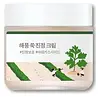
This calming moisturizer is formulated around Niacinamide and Madecassoside to calm redness and strengthen the skin barrier.
This calming moisturizer is formulated around Artemisia Vulgaris Extract and Panthenol to calm redness and hydrate skin.

What's inside
What's inside
 Key Ingredients
Benefits
Concerns
No concerns
Ingredients Side-by-side
Water
Skin ConditioningButylene Glycol
Humectant

Glycerin
Humectant
Caprylic/Capric Triglyceride
Masking
Niacinamide
Smoothing









Cetyl Ethylhexanoate
Emollient1,2-Hexanediol
Skin Conditioning
Pinus Densiflora Leaf Extract
Antimicrobial
Hydrogenated Poly(C6-14 Olefin)
EmollientTriethylhexanoin
MaskingCetearyl Alcohol
Emollient





Polyglyceryl-3 Methylglucose Distearate
Emulsifying
Polyglyceryl-3 Distearate
Emulsifying
Glyceryl Stearate
Emollient
Vinyldimethicone

Cetearyl Olivate
Theobroma Grandiflorum Seed Butter
Skin Conditioning
Arginine
Masking
Sorbitan Olivate
Emulsifying
C14-22 Alcohols
Emulsion Stabilising
Hydroxyethyl Acrylate/Sodium Acryloyldimethyl Taurate Copolymer
Emulsion StabilisingHydroxyacetophenone
Antioxidant
Palmitic Acid
Emollient
Stearic Acid
Cleansing
Melia Azadirachta Leaf Extract
Skin ConditioningEthylhexylglycerin
Skin ConditioningPolyacrylate-13
C12-20 Alkyl Glucoside
EmulsifyingAdenosine
Skin Conditioning
Glyceryl Stearate Citrate
Emollient
Melia Azadirachta Flower Extract
Skin ConditioningSphingomonas Ferment Extract
Skin Conditioning
Hydrogenated Polyisobutene
EmollientSimmondsia Chinensis Seed Oil
Emollient
Decyl Glucoside
Cleansing
Sorbitan Isostearate
Emulsifying
Centella Asiatica Extract
Cleansing
Beta-Sitosterol
Emulsion Stabilising
Polyglyceryl-10 Laurate
Skin Conditioning
Ethylhexyl Palmitate
Emollient
Theobroma Cacao Extract
Skin ConditioningPolyglyceryl-10 Stearate
Skin Conditioning
Hydrogenated Lecithin
Emulsifying
Camellia Sinensis Leaf Extract
Antimicrobial
Cladosiphon Okamuranus Extract
Skin Conditioning
Salix Alba Bark Extract
Astringent
Coffea Arabica Seed Extract
Masking
Centella Asiatica Leaf Extract
Skin Conditioning
Glucose
Humectant
Sodium Hyaluronate
Humectant
Hydroxypropyltrimonium Hyaluronate
Hydrolyzed Hyaluronic Acid
Humectant
Sodium Acetylated Hyaluronate
Humectant
Hyaluronic Acid
Humectant
Hydrolyzed Sodium Hyaluronate
Skin Conditioning
Sodium Hyaluronate Crosspolymer
Humectant
Potassium Hyaluronate
Skin ConditioningGlutathione
Ceramide NP
Skin Conditioning
Glycoproteins
Skin Conditioning
Citrus Aurantium Bergamia Leaf Extract
AstringentDextrin
AbsorbentAsiaticoside
Antioxidant
Asiatic Acid
Skin Conditioning
Madecassic Acid
Skin Conditioning
Madecassoside
Antioxidant
Disodium EDTA
ChelatingCarbomer
Emulsion StabilisingXanthan Gum
EmulsifyingWater, Butylene Glycol, Glycerin, Caprylic/Capric Triglyceride, Niacinamide, Cetyl Ethylhexanoate, 1,2-Hexanediol, Pinus Densiflora Leaf Extract, Hydrogenated Poly(C6-14 Olefin), Triethylhexanoin, Cetearyl Alcohol, Polyglyceryl-3 Methylglucose Distearate, Polyglyceryl-3 Distearate, Glyceryl Stearate, Vinyldimethicone, Cetearyl Olivate, Theobroma Grandiflorum Seed Butter, Arginine, Sorbitan Olivate, C14-22 Alcohols, Hydroxyethyl Acrylate/Sodium Acryloyldimethyl Taurate Copolymer, Hydroxyacetophenone, Palmitic Acid, Stearic Acid, Melia Azadirachta Leaf Extract, Ethylhexylglycerin, Polyacrylate-13, C12-20 Alkyl Glucoside, Adenosine, Glyceryl Stearate Citrate, Melia Azadirachta Flower Extract, Sphingomonas Ferment Extract, Hydrogenated Polyisobutene, Simmondsia Chinensis Seed Oil, Decyl Glucoside, Sorbitan Isostearate, Centella Asiatica Extract, Beta-Sitosterol, Polyglyceryl-10 Laurate, Ethylhexyl Palmitate, Theobroma Cacao Extract, Polyglyceryl-10 Stearate, Hydrogenated Lecithin, Camellia Sinensis Leaf Extract, Cladosiphon Okamuranus Extract, Salix Alba Bark Extract, Coffea Arabica Seed Extract, Centella Asiatica Leaf Extract, Glucose, Sodium Hyaluronate, Hydroxypropyltrimonium Hyaluronate, Hydrolyzed Hyaluronic Acid, Sodium Acetylated Hyaluronate, Hyaluronic Acid, Hydrolyzed Sodium Hyaluronate, Sodium Hyaluronate Crosspolymer, Potassium Hyaluronate, Glutathione, Ceramide NP, Glycoproteins, Citrus Aurantium Bergamia Leaf Extract, Dextrin, Asiaticoside, Asiatic Acid, Madecassic Acid, Madecassoside, Disodium EDTA, Carbomer, Xanthan Gum
Water
Skin ConditioningGlycerin
Humectant
Propanediol
Solvent
Pentylene Glycol
Skin Conditioning
Butylene Glycol
Humectant
Cyclohexasiloxane
Emollient
Caprylyl Methicone
Skin Conditioning
Artemisia Vulgaris Extract
Skin Conditioning
Diglycerin
Humectant
Pentaerythrityl Tetraethylhexanoate
Emollient
Hydroxyethyl Acrylate/Sodium Acryloyldimethyl Taurate Copolymer
Emulsion StabilisingVinyldimethicone
Panthenol
Skin Conditioning
Silica
Abrasive
Chlorella Vulgaris Extract
Skin ConditioningGlucose
Humectant
Carbomer
Emulsion StabilisingHydroxyacetophenone
Antioxidant
Dimethiconol
Emollient
Fructooligosaccharides
Humectant
Fructose
Humectant
Tromethamine
BufferingAcrylates/C10-30 Alkyl Acrylate Crosspolymer
Emulsion StabilisingGlyceryl Acrylate/Acrylic Acid Copolymer
HumectantLactobionic Acid
Buffering
Xanthan Gum
Emulsifying1,2-Hexanediol
Skin Conditioning
Artemisia Princeps Leaf Extract
Skin ConditioningEthylhexylglycerin
Skin ConditioningAllantoin
Skin Conditioning
Dipotassium Glycyrrhizate
Humectant
Sodium Citrate
BufferingSodium Phytate
ChelatingXylitol
Humectant
Dextrin
AbsorbentTheobroma Cacao Seed Extract
Antioxidant
Madecassoside
Antioxidant
Salvia Officinalis Oil
Masking
Asiaticoside
Antioxidant
Centella Asiatica Leaf Extract
Skin Conditioning
Tocopherol
Antioxidant
Water, Glycerin, Propanediol, Pentylene Glycol, Butylene Glycol, Cyclohexasiloxane, Caprylyl Methicone, Artemisia Vulgaris Extract, Diglycerin, Pentaerythrityl Tetraethylhexanoate, Hydroxyethyl Acrylate/Sodium Acryloyldimethyl Taurate Copolymer, Vinyldimethicone, Panthenol, Silica, Chlorella Vulgaris Extract, Glucose, Carbomer, Hydroxyacetophenone, Dimethiconol, Fructooligosaccharides, Fructose, Tromethamine, Acrylates/C10-30 Alkyl Acrylate Crosspolymer, Glyceryl Acrylate/Acrylic Acid Copolymer, Lactobionic Acid, Xanthan Gum, 1,2-Hexanediol, Artemisia Princeps Leaf Extract, Ethylhexylglycerin, Allantoin, Dipotassium Glycyrrhizate, Sodium Citrate, Sodium Phytate, Xylitol, Dextrin, Theobroma Cacao Seed Extract, Madecassoside, Salvia Officinalis Oil, Asiaticoside, Centella Asiatica Leaf Extract, Tocopherol
Reviews
Ingredients Explained
These ingredients are found in both products.
Ingredients higher up in an ingredient list are typically present in a larger amount.
1,2-Hexanediol is a synthetic liquid and another multi-functional powerhouse.
It is a:
- Humectant, drawing moisture into the skin
- Emollient, helping to soften skin
- Solvent, dispersing and stabilizing formulas
- Preservative booster, enhancing the antimicrobial activity of other preservatives
Asiaticoside comes from the super popular skin-soothing ingredient, Centella asiatica. It's the reason centella-based products have a strong reputation for repairing and calming skin, along with its sibling compound Madecassoside.
Research from 2016-2025 supports its role in:
You'll usually find this in concentrations between 0.2-5%.
Learn more about AsiaticosideButylene Glycol (or BG) is used within cosmetic products for a few different reasons:
Overall, Butylene Glycol is a safe and well-rounded ingredient that works well with other ingredients.
Though this ingredient works well with most skin types, some people with sensitive skin may experience a reaction such as allergic rashes, closed comedones, or itchiness.
Learn more about Butylene GlycolCarbomer is a synthetic thickening and gelling agent. It's basically the ingredient that gives a lot of serums, gels, creams, and sunscreens their smooth, non-sticky texture.
Although legally permitted at very high levels, carbomers are normally used at concentrations below 1%.
It also needs to be neutralized to actually thicken, and because it is a large molecule, it doesn't really penetrate the skin barrier.
Allergy-wise, the risk is very low. Clinical studies show carbomers have low potential for skin irritation/sensitization even at concentrations up to 100%.
A 2024 UK study patch-tested 1,302 patients and found true allergy to the parent group of carbomer to be rare with no confirmed relevant reactions.
Learn more about CarbomerCentella Asiatica Leaf Extract comes from the leaves of an herb plant native to Southeast Asia. Centella Asiatica is rich in antioxidants and amino acids. It can help reduce irritation and soothe the skin.
Many active components found in centella asiatica, such as Madecassic Acid and Asiaticoside, encourage the skin to naturally produce hyaluronic acid. This helps keep our skin hydrated. Many of these components also show antioxidant activity and may help reduce the signs of aging.
Research shows centella asiatica can help increase Type I collagen production by increasing fibroblast production. Fibroblast helps form connective tissue.
The combination of all these properties makes centella asiatica leaf extract effective at soothing the skin.
Other components of centella asiatica leaf extract include Vitamin A, vitamin C, several B vitamins, and Asiatic Acid.
Recent studies found madecassoside may help prevent damage from UV rays by preventing UV-induced inflammation. Further research is needed.
This plant has been used as a medicine and in food for many centuries. As a medicine, it is used to treat burns, scratches, and wounds.
Learn more about Centella Asiatica Leaf ExtractDextrin is a starch-derived polysaccharide. It's made by partially breaking down corn, potato, or other plant starches.
Think of it as "half-processed" starch; it's less complex than the original but not fully broken down into sugar like maltodextrin.
In cosmetics, it mainly functions as a bulking agent, viscosity controller, binder, and absorbent. It helps thicken products, stabilize powders, and get certain textures a less "wet" feel.
This ingredient has a pretty solid safety profile; it's recognized as a safe food additive and its large molecular size means it doesn't meaningfully penetrate skin.
Human repeat insult patch tests using a rinse-off facial product containing 42.69% dextrin found no skin irritation or sensitization in 54 subjects.
Typical real-world usage is much lower: usually under 1% as a texture modifier and up to 40% in masks (rinse off products use less).
Learn more about DextrinEthylhexylglycerin is created from glycerin. It is a multitasker ingredient that:
The CIR Expert Panel found minimal skin absorption or sensitization of any kind in a safety assessment. Though this ingredient is considered well-tolerated, a small number of cases of allergic dermatitis have been published since 2002. Just be sure to patch test if you are unsure.
Industry-reported use ranges from 8% in rinse-off products and 2% in leave-on formulations.
Learn more about EthylhexylglycerinGlucose is a simple sugar (a monosaccharide). In skincare, it is mostly a humectant and skin conditioning agent.
Mechanistically, it has multiple hydroxyl groups that hydrogen-bond to water. This pulls moisture into the upper layers of skin to keep the surface soft and hydrated.
It's worth knowing sugars are already a natural component of the skin's NMF (natural moisturizing factor) so it's a molecule that your stratum corneum is well-acquainted with.
Just so you know, glucose is hydrophilic (water-loving) and the stratum corneum is a strong barrier to hydrophilic compounds. This just means penetration is slow and most of the action is happening on the surface.
Gram-to-gram, glucose is not as efficient as a humectant as glycerin. This is why you'll likely see glycose paired with stronger humectants for a bigger hydration payoff.
In skincare, glucose is typically derived from corn or other starch sources.
Learn more about GlucoseGlycerin (or glycerol) is a compound naturally found in your skin. It's a powerhouse humectant that pulls water into the stratum corneum.
Topically, glycerin does several things at once:
Your skin makes glycerin on its own (mostly from sebaceous oil breakdown) and shuttles it to your outermost layer of skin, or your epidermis, via aquaporin-3.
Aquaporin-3 is a transporter that is essential for normal skin hydration, elasticity, and repair. Interestingly, mice lacking in AQP3 have dry and less elastic skin that can be fully corrected with glycerin.
This ingredient is non-irritating, plays well with almost every ingredient, and works across all skin types. Typical use is anywhere between 3-10% but can go up to 79% in some leave-on products.
Just know very high concentrations (>40%) can feel tacky in low humidity.
Glycerin is the name for this ingredient in American English. British English uses Glycerol/Glycerine.
Learn more about GlycerinHydroxyacetophenone is a small phenolic molecule that earns its place in a formulas as an antioxidant and preservative booster.
As a phenol, it is able to neutralize free radicals to protect both the product and the skin from oxidative stress.
Though it can't kill microbes on its own, it works as a good supporting agent when combined with other preservatives like Phenoxyethanol or 1,2-Hexanediol.
This ingredient naturally occurs as piceol in Norwegian spruce needles (~0.4-1.1% dry weight and in cloudberries). Though the cosmetic-grade material is synthesized for purity and consistency.
You'll usually see it used at low levels and suppliers recommend up to 1% added to a water phase.
Safety testing was done at concentrations like 0.05% in SPF products and 0.5% in a Human Repeated Insult Patch Test. The safety evidence is assuring; this ingredient is safe for cosmetics in current use and also holds safety status as a food flavoring as well.
An honest caveat: the "soothing" and "anti-inflammatory" claims come mostly from supplier marketing rather than published clinical trials. The Cosmetic Ingredient Review's own literature search found no useful efficacy studies on this ingredient.
So the antioxidant and preservative-boosting roles are the well supported ones while the calming benefit is plausible but thinly evidenced.
Overall, this is a well-tolerated, low-irritation multitasker that quietly helps a formula stay fresh and stable.
Learn more about HydroxyacetophenoneThis is a synthetic polymer. It helps improve the texture of products by adding thickness and gel-like feel.
It is also an emulsifer, meaning it prevents ingredients such as oil and water from separating. It also helps evenly disperse other ingredients.
Madecassoside is one of four active compounds found in Centella asiatica and is one of the main reasons Centella is so effective at calming irritated skin and supporting the moisture barrier.
There's a solid body of peer-reviewed research backing Madecassoside for several skin benefits. Studies have found:
Madecassoside pairs well with other hydrating or antioxidant ingredients like Ascorbic Acid or Hyaluronic Acid.
Learn more about MadecassosideVinyldimethicone is a type of silicone.
Water. It's the most common cosmetic ingredient of all. You'll usually see it at the top of ingredient lists, meaning that it makes up the largest part of the product.
So why is it so popular? Water most often acts as a solvent - this means that it helps dissolve other ingredients into the formulation.
You'll also recognize water as that liquid we all need to stay alive. If you see this, drink a glass of water. Remember to stay hydrated!
Learn more about WaterXanthan gum is used as a stabilizer and thickener within cosmetic products. It helps give products a sticky, thick feeling - preventing them from being too runny.
On the technical side of things, xanthan gum is a polysaccharide - a combination consisting of multiple sugar molecules bonded together.
Xanthan gum is a pretty common and great ingredient. It is a natural, non-toxic, non-irritating ingredient that is also commonly used in food products.
Learn more about Xanthan Gum

