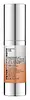
This anti-aging eye moisturizer is formulated around Tetrahexyldecyl Ascorbate and Tocopheryl Acetate to soften the look of wrinkles and brighten dull-looking skin.
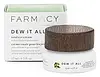
This eye moisturizer is formulated around Gluconolactone to brighten and support scar healing.

What's inside
What's inside
 Key Ingredients
Benefits
Concerns
Ingredients Side-by-side
Water
Skin ConditioningButylene Glycol
Humectant

Tetrahexyldecyl Ascorbate
Antioxidant






C9-12 Alkane
SolventTocopheryl Acetate
Antioxidant
Bambusa Arundinacea Stem Powder
Abrasive

PEG-100 Stearate
Surfactant

Cetyl Ricinoleate
Emollient
Ferulic Acid
Antimicrobial
Butyrospermum Parkii Butter
Skin Conditioning


Behenyl Alcohol
Emollient
Methyl Trimethicone
Skin Conditioning
Glycerin
Humectant
Carbomer
Emulsion StabilisingMethyldihydrojasmonate
MaskingPolymethylsilsesquioxane
Saccharomyces Ferment Filtrate
Humectant
Hydrogenated Lecithin
Emulsifying
Diamond Powder
Abrasive
Caffeine
Skin Conditioning
Sodium Hyaluronate
Humectant
Ubiquinone
Antioxidant
Ethylhexylglycerin
Skin ConditioningSqualane
Emollient
Soluble Collagen
Humectant
Undaria Pinnatifida Extract
Skin ConditioningCaesalpinia Spinosa Fruit Extract
Skin ProtectingArnica Montana Flower Extract
Masking
Olea Europaea Fruit Oil
Masking
Corallina Officinalis Extract
Skin Conditioning
Kappaphycus Alvarezii Extract
Skin Conditioning
Tribehenin
Emollient
C12-15 Alkyl Benzoate
AntimicrobialCoco-Caprylate/Caprate
Emollient
Caprylic/Capric Triglyceride
Masking
Jojoba Wax PEG-120 Esters
Surfactant
Sodium Hydroxide
BufferingMyristyl Alcohol
Emollient
Steareth-20
CleansingMica
Cosmetic ColorantSodium Benzoate
Masking
Potassium Sorbate
Preservative
Phenoxyethanol
Preservative
Water, Butylene Glycol, Tetrahexyldecyl Ascorbate, C9-12 Alkane, Tocopheryl Acetate, Bambusa Arundinacea Stem Powder, PEG-100 Stearate, Cetyl Ricinoleate, Ferulic Acid, Butyrospermum Parkii Butter, Behenyl Alcohol, Methyl Trimethicone, Glycerin, Carbomer, Methyldihydrojasmonate, Polymethylsilsesquioxane, Saccharomyces Ferment Filtrate, Hydrogenated Lecithin, Diamond Powder, Caffeine, Sodium Hyaluronate, Ubiquinone, Ethylhexylglycerin, Squalane, Soluble Collagen, Undaria Pinnatifida Extract, Caesalpinia Spinosa Fruit Extract, Arnica Montana Flower Extract, Olea Europaea Fruit Oil, Corallina Officinalis Extract, Kappaphycus Alvarezii Extract, Tribehenin, C12-15 Alkyl Benzoate, Coco-Caprylate/Caprate, Caprylic/Capric Triglyceride, Jojoba Wax PEG-120 Esters, Sodium Hydroxide, Myristyl Alcohol, Steareth-20, Mica, Sodium Benzoate, Potassium Sorbate, Phenoxyethanol
Water
Skin ConditioningGlycerin
Humectant
Coco-Caprylate/Caprate
Emollient
Jojoba Esters
Emollient
Copernicia Cerifera Wax
Cetyl Alcohol
Emollient
Caprylic/Capric Triglyceride
Masking
Echinacea Purpurea Root Extract
MoisturisingCandelilla/Jojoba/Rice Bran Polyglyceryl-3 Esters
Emulsifying
Glyceryl Stearate
Emollient
Undecane
EmollientAdansonia Digitata Seed Oil
Emollient
Cetearyl Alcohol
Emollient
Gluconolactone
Skin Conditioning


Sodium Stearoyl Lactylate
EmulsifyingTridecane
Perfuming
Arachidyl Alcohol
Emollient
Ribose
HumectantButyrospermum Parkii Butter
Skin Conditioning
Xanthan Gum
EmulsifyingPotassium Sorbate
Preservative
Behenyl Alcohol
Emollient
Strelitzia Nicolai Seed Aril Extract
Skin ConditioningSodium Benzoate
Masking
Cetearyl Glucoside
Emulsifying
Arachidyl Glucoside
EmulsifyingSodium Hydroxide
BufferingAllantoin
Skin Conditioning
Gellan Gum
Hydrolyzed Hyaluronic Acid
Humectant
Sodium Phytate
Cellulose Gum
Emulsion StabilisingMelia Azadirachta Leaf Extract
Skin ConditioningChamomilla Recutita Flower Extract
Masking
Calendula Officinalis Flower Extract
Masking
Melia Azadirachta Flower Extract
Skin ConditioningBenzyl Alcohol
Perfuming

Opuntia Ficus-Indica Extract
Skin Conditioning
Amino Esters-1
Skin ConditioningCalcium Gluconate
HumectantCoccinia Indica Fruit Extract
Skin Conditioning
Solanum Muricatum Fruit Extract
Skin ConditioningRosa Canina Fruit Extract
Astringent
Aloe Barbadensis Flower Extract
EmollientAlgae Extract
Emollient
Salicylic Acid
Masking

Ocimum Sanctum Leaf Extract
Skin ConditioningTocopherol
Antioxidant
Curcuma Longa Root Extract
Antioxidant
Lawsonia Inermis Extract
Antimicrobial
Ocimum Basilicum Extract
Antioxidant
Pearl Powder
Sorbic Acid
Preservative
Lactic Acid
Buffering
Sodium Chloride
MaskingSodium Glycolate
BufferingWater, Glycerin, Coco-Caprylate/Caprate, Jojoba Esters, Copernicia Cerifera Wax, Cetyl Alcohol, Caprylic/Capric Triglyceride, Echinacea Purpurea Root Extract, Candelilla/Jojoba/Rice Bran Polyglyceryl-3 Esters, Glyceryl Stearate, Undecane, Adansonia Digitata Seed Oil, Cetearyl Alcohol, Gluconolactone, Sodium Stearoyl Lactylate, Tridecane, Arachidyl Alcohol, Ribose, Butyrospermum Parkii Butter, Xanthan Gum, Potassium Sorbate, Behenyl Alcohol, Strelitzia Nicolai Seed Aril Extract, Sodium Benzoate, Cetearyl Glucoside, Arachidyl Glucoside, Sodium Hydroxide, Allantoin, Gellan Gum, Hydrolyzed Hyaluronic Acid, Sodium Phytate, Cellulose Gum, Melia Azadirachta Leaf Extract, Chamomilla Recutita Flower Extract, Calendula Officinalis Flower Extract, Melia Azadirachta Flower Extract, Benzyl Alcohol, Opuntia Ficus-Indica Extract, Amino Esters-1, Calcium Gluconate, Coccinia Indica Fruit Extract, Solanum Muricatum Fruit Extract, Rosa Canina Fruit Extract, Aloe Barbadensis Flower Extract, Algae Extract, Salicylic Acid, Ocimum Sanctum Leaf Extract, Tocopherol, Curcuma Longa Root Extract, Lawsonia Inermis Extract, Ocimum Basilicum Extract, Pearl Powder, Sorbic Acid, Lactic Acid, Sodium Chloride, Sodium Glycolate
Ingredients Explained
These ingredients are found in both products.
Ingredients higher up in an ingredient list are typically present in a larger amount.
Behenyl Alcohol is a type of fatty alcohol (these are different from the drying, solvent alcohols).
Fatty Alcohols have hydrating properties and are most often used as an emollient or to thicken a product. They are usually derived from natural fats and oils; behenyl alcohol is derived from the fats of vegetable oils.
Emollients help keep your skin soft and hydrated by creating a film that traps moisture in.
In 2000, Behenyl Alcohol was approved by the US as medicine to reduce the duration of cold sores.
Learn more about Behenyl AlcoholThis ingredient is also known as shea butter. It is a plant-derived extract from the nuts of the Africa shea tree and one of the most well-studied emollients.
Because it has a high concentration of fatty acids (primarily oleic, stearic, and linoleic) it is able to form a protective barrier on the skin's surface. This helps seal in moisture and prevents transepidermal water loss (TEWL).
In vitro research found an increase in skin hydration by 58% and a decrease in TEWL by 37.8% after 24 hours of applying this ingredient (pretty impressive for a single ingredient!).
Besides hydration, shea butter also contains triterpenes that have anti-inflammatory potential. In particule, lupeol cinnamate has shown the highest anti-inflammatory activity in vivo.
Shea butter also contains vitamins A and E which may contribute to antioxidant activity.
While Shea Butter has an SPF rating of about 3-4, it is not a sunscreen replacement.
This ingredient may not be fungal acne safe because its fatty acids fall within the C11-C24 range that the Malassezia yeast can metabolize.
This ingredient shows up on a lot of "pore-clogging" lists but there's no real evidence behind that. It doesn't even have a comedogenic rating from an actual study; the numbers you'll find online come from blogs citing other blogs.
Ratings for other ingredients mostly come from a 1980s rabbit ear test. This test doesn't translate well to human skin or to real products because the ingredient sits at a much lower percentage.
Some people still find it breaks them out. So if that's you, definitely trust your skin. Just know this one's based on experience and not evidence.
Learn more about Butyrospermum Parkii ButterCaprylic/Capric Triglyceride (aka MCT Oil) is a lightweight emollient, solvent, and texture enhancer. It is considered a skin-softener by helping to prevent moisture loss.
Though it behaves like an oil, it is not technically one due to its chemical composition. One perk of this ingredient is that it is very stable, resistant to oxidation, and unlikely to go rancid.
In practice, that translates to a long shelf life and a consistently elegant skin feel.
While there is an assumption Caprylic Triglyceride can clog pores due to it being derived from coconut oil, there is no research supporting this. Just patch test if you have concerns.
Fractionated coconut oil and MCT Oil are both listed as Caprylic/Capric Triglyceride according to INCI. This is because INCI names are based on the ingredient’s final chemical composition and not its marketing name or source.
This ingredient is treated as the gold standard fungal acne safe oil. Even though it is coconut derived, the problematic lauric acid is stripped out.
This leaves just caprylic (C8) and capric (C10) acid. These chain lengths actually trend antifungal; a 2020 study found caprylic acid was enough to disrupt Malassezia furfur cell membrane, with a caprylic acid derivative damaging membrane structures at concentrations as low as 0.2%.
Learn more about Caprylic/Capric TriglycerideCoco-Caprylate/Caprate is a lightweight ester created from coconut oil fatty acids, caprylic acid, and capric acid.
It is an emollient that helps soften skin and reduce transepidermal water loss (TEWL). What sets it apart from heavier emollients is its ultralight, non-greasy feel.
Once applied, this ingredient dries down quickly and leaves a dry, silky finish behind. This also helps improve spreadability and texture.
This ingredient has an excellent safety-record and is non-irritating.
Typical concentrations for cosmetics range from 0.5-62%.
Research on Malassezia growth found no growth on fatty acid esters with chain lengths shorter than 12 carbons (it prefers C11-24).
Since Coco-Caprylate/Caprate is built on C8 and C10 fatty acids, it is out of the range that Malassezia metabolizes, and therefore safe for fungal acne.
Learn more about Coco-Caprylate/CaprateGlycerin (or glycerol) is a compound naturally found in your skin. It's a powerhouse humectant that pulls water into the stratum corneum.
Topically, glycerin does several things at once:
Your skin makes glycerin on its own (mostly from sebaceous oil breakdown) and shuttles it to your outermost layer of skin, or your epidermis, via aquaporin-3.
Aquaporin-3 is a transporter that is essential for normal skin hydration, elasticity, and repair. Interestingly, mice lacking in AQP3 have dry and less elastic skin that can be fully corrected with glycerin.
This ingredient is non-irritating, plays well with almost every ingredient, and works across all skin types. Typical use is anywhere between 3-10% but can go up to 79% in some leave-on products.
Just know very high concentrations (>40%) can feel tacky in low humidity.
Glycerin is the name for this ingredient in American English. British English uses Glycerol/Glycerine.
Learn more about GlycerinPotassium Sorbate is a preservative used to prevent yeast and mold in products. It is commonly found in both cosmetic and food products.
This ingredient comes from potassium salt derived from sorbic acid. Sorbic acid is a natural antibiotic and effective against fungus.
Both potassium sorbate and sorbic acid can be found in baked goods, cheeses, dried meats, dried fruit, ice cream, pickles, wine, yogurt, and more.
You'll often find this ingredient used with other preservatives.
Learn more about Potassium SorbateSodium Benzoate is a preservative. It's used in both cosmetic and food products to inhibit the growth of mold and bacteria. It is typically produced synthetically.
Both the US FDA and EU Health Committee have approved the use of sodium benzoate. In the US, levels of 0.1% (of the total product) are allowed.
Sodium benzoate works as a preservative by inhibiting the growth of bacteria inside of cells. It prevents the cell from fermenting a type of sugar using an enzyme called phosphofructokinase.
It is the salt of benzoic acid. Foods containing sodium benzoate include soda, salad dressings, condiments, fruit juices, wines, and snack foods.
Studies for using ascorbic acid and sodium benzoate in cosmetics are lacking, especially in skincare routines with multiple steps.
We always recommend speaking with a professional, such as a dermatologist, if you have any concerns.
Learn more about Sodium BenzoateSodium Hydroxide is also known as lye or caustic soda. It is used to adjust the pH of products; many ingredients require a specific pH to be effective.
In small amounts, sodium hydroxide is considered safe to use. However, large amounts may cause chemical burns due to its high alkaline.
Your skin has a natural pH and acid mantle. This acid mantle helps prevent harmful bacteria from breaking through. The acid mantle also helps keep your skin hydrated.
"Alkaline" refers to a high pH level. A low pH level would be considered acidic.
Learn more about Sodium HydroxideWater. It's the most common cosmetic ingredient of all. You'll usually see it at the top of ingredient lists, meaning that it makes up the largest part of the product.
So why is it so popular? Water most often acts as a solvent - this means that it helps dissolve other ingredients into the formulation.
You'll also recognize water as that liquid we all need to stay alive. If you see this, drink a glass of water. Remember to stay hydrated!
Learn more about Water

