Farmacy Dew It All Total Eye Cream Versus Tula Skincare Glow & Get It Cooling & Brightening Eye Balm
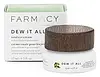
This eye moisturizer is formulated around Gluconolactone to brighten and support scar healing.
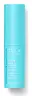
This calming eye moisturizer is formulated around Aloe Barbadensis Leaf Juice and Lactococcus Ferment Lysate to calm redness and hydrate skin.

What's inside
What's inside
 Key Ingredients
Benefits
Concerns
Ingredients Side-by-side
Water
Skin ConditioningGlycerin
Humectant


Coco-Caprylate/Caprate
Emollient
Jojoba Esters
Emollient

Copernicia Cerifera Wax
Cetyl Alcohol
Emollient
Caprylic/Capric Triglyceride
Masking
Echinacea Purpurea Root Extract
MoisturisingCandelilla/Jojoba/Rice Bran Polyglyceryl-3 Esters
Emulsifying
Glyceryl Stearate
Emollient
Undecane
EmollientAdansonia Digitata Seed Oil
Emollient
Cetearyl Alcohol
Emollient


Gluconolactone
Chelating






Sodium Stearoyl Lactylate
EmulsifyingTridecane
Perfuming

Arachidyl Alcohol
Emollient
Ribose
HumectantButyrospermum Parkii Butter
Skin Conditioning
Xanthan Gum
EmulsifyingPotassium Sorbate
Preservative
Behenyl Alcohol
Emollient
Strelitzia Nicolai Seed Aril Extract
Skin ConditioningSodium Benzoate
Masking
Cetearyl Glucoside
Emulsifying
Arachidyl Glucoside
EmulsifyingSodium Hydroxide
BufferingAllantoin
Skin Conditioning

Gellan Gum
Hydrolyzed Hyaluronic Acid
Humectant
Sodium Phytate
ChelatingCellulose Gum
Emulsion StabilisingMelia Azadirachta Leaf Extract
Skin ConditioningChamomilla Recutita Flower Extract
Masking
Calendula Officinalis Flower Extract
Masking
Melia Azadirachta Flower Extract
Skin ConditioningBenzyl Alcohol
Perfuming


Opuntia Ficus-Indica Extract
Skin Conditioning
Amino Esters-1
Skin ConditioningCalcium Gluconate
HumectantCoccinia Indica Fruit Extract
Skin Conditioning
Solanum Muricatum Fruit Extract
Skin ConditioningRosa Canina Fruit Extract
Astringent
Aloe Barbadensis Flower Extract
EmollientAlgae Extract
Emollient
Salicylic Acid
Masking

Ocimum Sanctum Leaf Extract
Skin ConditioningTocopherol
Antioxidant

Curcuma Longa Root Extract
Antioxidant
Lawsonia Inermis Extract
Antimicrobial
Ocimum Basilicum Extract
Antioxidant
Pearl Powder
Sorbic Acid
Preservative
Lactic Acid
Buffering
Sodium Chloride
MaskingSodium Glycolate
BufferingWater, Glycerin, Coco-Caprylate/Caprate, Jojoba Esters, Copernicia Cerifera Wax, Cetyl Alcohol, Caprylic/Capric Triglyceride, Echinacea Purpurea Root Extract, Candelilla/Jojoba/Rice Bran Polyglyceryl-3 Esters, Glyceryl Stearate, Undecane, Adansonia Digitata Seed Oil, Cetearyl Alcohol, Gluconolactone, Sodium Stearoyl Lactylate, Tridecane, Arachidyl Alcohol, Ribose, Butyrospermum Parkii Butter, Xanthan Gum, Potassium Sorbate, Behenyl Alcohol, Strelitzia Nicolai Seed Aril Extract, Sodium Benzoate, Cetearyl Glucoside, Arachidyl Glucoside, Sodium Hydroxide, Allantoin, Gellan Gum, Hydrolyzed Hyaluronic Acid, Sodium Phytate, Cellulose Gum, Melia Azadirachta Leaf Extract, Chamomilla Recutita Flower Extract, Calendula Officinalis Flower Extract, Melia Azadirachta Flower Extract, Benzyl Alcohol, Opuntia Ficus-Indica Extract, Amino Esters-1, Calcium Gluconate, Coccinia Indica Fruit Extract, Solanum Muricatum Fruit Extract, Rosa Canina Fruit Extract, Aloe Barbadensis Flower Extract, Algae Extract, Salicylic Acid, Ocimum Sanctum Leaf Extract, Tocopherol, Curcuma Longa Root Extract, Lawsonia Inermis Extract, Ocimum Basilicum Extract, Pearl Powder, Sorbic Acid, Lactic Acid, Sodium Chloride, Sodium Glycolate
Water
Skin ConditioningPropanediol
Solvent
Aloe Barbadensis Leaf Juice
Skin Conditioning
Sodium Stearate
CleansingXylitol
Humectant
Lactococcus Ferment Lysate
Skin Conditioning
Synthetic Fluorphlogopite
Oleth-20
CleansingGlycerin
Humectant
Caffeine
Skin Conditioning
Citrullus Lanatus Fruit Extract
Skin Conditioning
Lens Esculenta Fruit Extract
Skin ConditioningPyrus Malus Fruit Extract
Skin Conditioning
Hyaluronic Acid
Humectant
Vaccinium Angustifolium Fruit Extract
Skin Protecting
Tocopherol
Antioxidant
Sodium PCA
Humectant
Dicapryl Succinate
Emollient
Menthone Glycerin Acetal
Refreshing
Menthyl Lactate
Masking
Capryloyl Glycerin/Sebacic Acid Copolymer
Skin ConditioningXanthan Gum
EmulsifyingSodium Lactate
Buffering
Tin Oxide
Abrasive
Sodium Chloride
MaskingEthylhexylglycerin
Skin ConditioningPhenoxyethanol
Preservative
Sodium Benzoate
Masking
Potassium Sorbate
Preservative
CI 77891
Cosmetic ColorantCI 42090
Cosmetic ColorantCI 19140
Cosmetic ColorantWater, Propanediol, Aloe Barbadensis Leaf Juice, Sodium Stearate, Xylitol, Lactococcus Ferment Lysate, Synthetic Fluorphlogopite, Oleth-20, Glycerin, Caffeine, Citrullus Lanatus Fruit Extract, Lens Esculenta Fruit Extract, Pyrus Malus Fruit Extract, Hyaluronic Acid, Vaccinium Angustifolium Fruit Extract, Tocopherol, Sodium PCA, Dicapryl Succinate, Menthone Glycerin Acetal, Menthyl Lactate, Capryloyl Glycerin/Sebacic Acid Copolymer, Xanthan Gum, Sodium Lactate, Tin Oxide, Sodium Chloride, Ethylhexylglycerin, Phenoxyethanol, Sodium Benzoate, Potassium Sorbate, CI 77891, CI 42090, CI 19140
Reviews
Ingredients Explained
These ingredients are found in both products.
Ingredients higher up in an ingredient list are typically present in a larger amount.
Glycerin (or glycerol) is a compound naturally found in your skin. It's a powerhouse humectant that pulls water into the stratum corneum.
Topically, glycerin does several things at once:
Your skin makes glycerin on its own (mostly from sebaceous oil breakdown) and shuttles it to your outermost layer of skin, or your epidermis, via aquaporin-3.
Aquaporin-3 is a transporter that is essential for normal skin hydration, elasticity, and repair. Interestingly, mice lacking in AQP3 have dry and less elastic skin that can be fully corrected with glycerin.
This ingredient is non-irritating, plays well with almost every ingredient, and works across all skin types. Typical use is anywhere between 3-10% but can go up to 79% in some leave-on products.
Just know very high concentrations (>40%) can feel tacky in low humidity.
Glycerin is the name for this ingredient in American English. British English uses Glycerol/Glycerine.
Learn more about GlycerinPotassium Sorbate is a preservative used to prevent yeast and mold in products. It is commonly found in both cosmetic and food products.
This ingredient comes from potassium salt derived from sorbic acid. Sorbic acid is a natural antibiotic and effective against fungus.
Both potassium sorbate and sorbic acid can be found in baked goods, cheeses, dried meats, dried fruit, ice cream, pickles, wine, yogurt, and more.
You'll often find this ingredient used with other preservatives.
Learn more about Potassium SorbateSodium Benzoate is a preservative. It's used in both cosmetic and food products to inhibit the growth of mold and bacteria. It is typically produced synthetically.
Both the US FDA and EU Health Committee have approved the use of sodium benzoate. In the US, levels of 0.1% (of the total product) are allowed.
Sodium benzoate works as a preservative by inhibiting the growth of bacteria inside of cells. It prevents the cell from fermenting a type of sugar using an enzyme called phosphofructokinase.
It is the salt of benzoic acid. Foods containing sodium benzoate include soda, salad dressings, condiments, fruit juices, wines, and snack foods.
Studies for using ascorbic acid and sodium benzoate in cosmetics are lacking, especially in skincare routines with multiple steps.
We always recommend speaking with a professional, such as a dermatologist, if you have any concerns.
Learn more about Sodium BenzoateChances are, you eat sodium chloride every day. Sodium Chloride is also known as table salt. This ingredient has many purposes in skincare: thickener, emulsifier, and exfoliator.
You'll most likely find this ingredient in cleansers where it is used to create a gel-like texture. As an emulsifier, it also prevents ingredients from separating.
You might see people debate whether Sodium Chloride is comedogenic, but there actually haven't been any comedogenic tests done on it. Either way, the overall formulation of a product matters a lot more than any single ingredient.
You might see this ingredient used in scrubs as a primary exfoliating ingredient.
Learn more about Sodium ChlorideTocopherol is a fat-soluble antioxidant known as Vitamin E.
You'll find this ingredient in the vast majority of skincare (for good reason). It works to neutralize free radicals, or unstable molecules generated by UV exposure, pollution, and other environmental stressors, before they can cause oxidative damage to your skin cells.
Topically applied tocopherol has been shown to protect against UV damage by ramping up the skin's own natural defense enzymes.
It also acts as a skin conditioning agent; some studies show that regular topical use can improve the skin's water-binding capacity over 2-4 weeks.
This ingredient is especially loved for being a team player. When combined with Vitamin C, the photoprotective effect of both ingredients roughly doubles and the combo also helps reduce UV-induced DNA damage.
This ingredient has some brightening potential but it's more of a prevention ingredient than spot-fader. Cell studies show it can slow down melanin production but it's worth noting that it's not the most powerful brightener out there.
In formulations, it also serves as a stabilizer that helps protect other oxidation-prone ingredients from degrading.
Concentrations usually range from 0.1-1% in most leave-on products.
Learn more about TocopherolWater. It's the most common cosmetic ingredient of all. You'll usually see it at the top of ingredient lists, meaning that it makes up the largest part of the product.
So why is it so popular? Water most often acts as a solvent - this means that it helps dissolve other ingredients into the formulation.
You'll also recognize water as that liquid we all need to stay alive. If you see this, drink a glass of water. Remember to stay hydrated!
Learn more about WaterXanthan gum is used as a stabilizer and thickener within cosmetic products. It helps give products a sticky, thick feeling - preventing them from being too runny.
On the technical side of things, xanthan gum is a polysaccharide - a combination consisting of multiple sugar molecules bonded together.
Xanthan gum is a pretty common and great ingredient. It is a natural, non-toxic, non-irritating ingredient that is also commonly used in food products.
Learn more about Xanthan Gum

