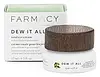
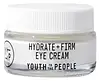
Farmacy Dew It All Total Eye Cream Versus Youth To The People Superfood Hydrate + Firm Peptide Eye Cream
This eye moisturizer is formulated around Gluconolactone to brighten and support scar healing.
This anti-aging eye moisturizer is formulated around Camellia Sinensis Leaf Extract and Palmitoyl Tripeptide-5 to soften the look of wrinkles and hydrate skin.

What's inside
What's inside
 Key Ingredients
Benefits
Concerns
Ingredients Side-by-side
Water
Skin ConditioningGlycerin
Humectant


Coco-Caprylate/Caprate
Emollient
Jojoba Esters
Emollient

Copernicia Cerifera Wax
Cetyl Alcohol
Emollient
Caprylic/Capric Triglyceride
Masking
Echinacea Purpurea Root Extract
MoisturisingCandelilla/Jojoba/Rice Bran Polyglyceryl-3 Esters
Emulsifying
Glyceryl Stearate
Emollient
Undecane
EmollientAdansonia Digitata Seed Oil
Emollient
Cetearyl Alcohol
Emollient


Gluconolactone
Chelating






Sodium Stearoyl Lactylate
EmulsifyingTridecane
Perfuming

Arachidyl Alcohol
Emollient
Ribose
HumectantButyrospermum Parkii Butter
Skin Conditioning
Xanthan Gum
EmulsifyingPotassium Sorbate
Preservative
Behenyl Alcohol
Emollient
Strelitzia Nicolai Seed Aril Extract
Skin ConditioningSodium Benzoate
Masking
Cetearyl Glucoside
Emulsifying
Arachidyl Glucoside
EmulsifyingSodium Hydroxide
BufferingAllantoin
Skin Conditioning

Gellan Gum
Hydrolyzed Hyaluronic Acid
Humectant
Sodium Phytate
ChelatingCellulose Gum
Emulsion StabilisingMelia Azadirachta Leaf Extract
Skin ConditioningChamomilla Recutita Flower Extract
Masking
Calendula Officinalis Flower Extract
Masking
Melia Azadirachta Flower Extract
Skin ConditioningBenzyl Alcohol
Perfuming


Opuntia Ficus-Indica Extract
Skin Conditioning
Amino Esters-1
Skin ConditioningCalcium Gluconate
HumectantCoccinia Indica Fruit Extract
Skin Conditioning
Solanum Muricatum Fruit Extract
Skin ConditioningRosa Canina Fruit Extract
Astringent
Aloe Barbadensis Flower Extract
EmollientAlgae Extract
Emollient
Salicylic Acid
Masking

Ocimum Sanctum Leaf Extract
Skin ConditioningTocopherol
Antioxidant

Curcuma Longa Root Extract
Antioxidant
Lawsonia Inermis Extract
Antimicrobial
Ocimum Basilicum Extract
Antioxidant
Pearl Powder
Sorbic Acid
Preservative
Lactic Acid
Buffering
Sodium Chloride
MaskingSodium Glycolate
BufferingWater, Glycerin, Coco-Caprylate/Caprate, Jojoba Esters, Copernicia Cerifera Wax, Cetyl Alcohol, Caprylic/Capric Triglyceride, Echinacea Purpurea Root Extract, Candelilla/Jojoba/Rice Bran Polyglyceryl-3 Esters, Glyceryl Stearate, Undecane, Adansonia Digitata Seed Oil, Cetearyl Alcohol, Gluconolactone, Sodium Stearoyl Lactylate, Tridecane, Arachidyl Alcohol, Ribose, Butyrospermum Parkii Butter, Xanthan Gum, Potassium Sorbate, Behenyl Alcohol, Strelitzia Nicolai Seed Aril Extract, Sodium Benzoate, Cetearyl Glucoside, Arachidyl Glucoside, Sodium Hydroxide, Allantoin, Gellan Gum, Hydrolyzed Hyaluronic Acid, Sodium Phytate, Cellulose Gum, Melia Azadirachta Leaf Extract, Chamomilla Recutita Flower Extract, Calendula Officinalis Flower Extract, Melia Azadirachta Flower Extract, Benzyl Alcohol, Opuntia Ficus-Indica Extract, Amino Esters-1, Calcium Gluconate, Coccinia Indica Fruit Extract, Solanum Muricatum Fruit Extract, Rosa Canina Fruit Extract, Aloe Barbadensis Flower Extract, Algae Extract, Salicylic Acid, Ocimum Sanctum Leaf Extract, Tocopherol, Curcuma Longa Root Extract, Lawsonia Inermis Extract, Ocimum Basilicum Extract, Pearl Powder, Sorbic Acid, Lactic Acid, Sodium Chloride, Sodium Glycolate
Water
Skin ConditioningGlycerin
Humectant
Brassica Oleracea Acephala Leaf Extract
HumectantSpinacia Oleracea Leaf Extract
Skin ConditioningCamellia Sinensis Leaf Extract
Antimicrobial
Chamomilla Recutita Flower Extract
Masking
Medicago Sativa Extract
TonicAloe Barbadensis Leaf Extract
Emollient
Spirulina Platensis Extract
Skin ProtectingPalmitoyl Tripeptide-5
Skin Conditioning
Palmitoyl Dipeptide-5 Diaminobutyroyl Hydroxythreonine
Skin Conditioning
Tetradecyl Aminobutyroylvalylaminobutyric Urea Trifluoroacetate
Skin ConditioningSodium Hyaluronate Crosspolymer
Humectant
Helianthus Annuus Seed Oil
Emollient
Stearic Acid
Cleansing
Glyceryl Stearate
Emollient
Cetyl Alcohol
Emollient
Lecithin
Emollient
Ascorbic Acid
Antioxidant
Panthenol
Skin Conditioning
Sodium Hyaluronate
Humectant
Tocopheryl Acetate
Antioxidant
Parfum
Masking
Hydroxyethylcellulose
Emulsion StabilisingPentylene Glycol
Skin Conditioning
Ethylhexylglycerin
Skin ConditioningMagnesium Chloride
Phenoxyethanol
Preservative
Potassium Sorbate
Preservative
Water, Glycerin, Brassica Oleracea Acephala Leaf Extract, Spinacia Oleracea Leaf Extract, Camellia Sinensis Leaf Extract, Chamomilla Recutita Flower Extract, Medicago Sativa Extract, Aloe Barbadensis Leaf Extract, Spirulina Platensis Extract, Palmitoyl Tripeptide-5, Palmitoyl Dipeptide-5 Diaminobutyroyl Hydroxythreonine, Tetradecyl Aminobutyroylvalylaminobutyric Urea Trifluoroacetate, Sodium Hyaluronate Crosspolymer, Helianthus Annuus Seed Oil, Stearic Acid, Glyceryl Stearate, Cetyl Alcohol, Lecithin, Ascorbic Acid, Panthenol, Sodium Hyaluronate, Tocopheryl Acetate, Parfum, Hydroxyethylcellulose, Pentylene Glycol, Ethylhexylglycerin, Magnesium Chloride, Phenoxyethanol, Potassium Sorbate
Reviews
Ingredients Explained
These ingredients are found in both products.
Ingredients higher up in an ingredient list are typically present in a larger amount.
Cetyl Alcohol is a fatty alcohol. Fatty Alcohols are most often used as an emollient or to thicken a product.
Its main roles are:
Though it has "alcohol" in the name, it is not related to denatured alcohol or ethyl alcohol.
The FDA allows products labeled "alcohol-free" to have fatty alcohols.
This ingredient may not be fungal acne safe. It is a primary fatty alcohol with a chain length above 12 carbons. A study from 2019 show Malassezia can feed on fatty alcohols in this range, so it may trigger fungal acne in those prone to it.
Learn more about Cetyl AlcoholChamomilla Recutita Flower Extract comes from the Chamomile flower.
Chamomile is rich in antioxidants and has anti-inflammatory properties. Several compounds found in chamomile help with soothing, such as bisbolol.
Antioxidant components in chamomile make it an effective ingredient to help slow the signs of aging. Antioxidants help fight free-radical molecules, or molecules that may damage your skin.
Essential oils from chamomile have been found to improve wound healing due to its antimicrobial properties.
Ancient Greeks and Egyptians used Chamomile to treat skin redness and dryness. Chamomile has also been used to help treat stomach issues.
Learn more about Chamomilla Recutita Flower ExtractGlycerin (or glycerol) is a compound naturally found in your skin. It's a powerhouse humectant that pulls water into the stratum corneum.
Topically, glycerin does several things at once:
Your skin makes glycerin on its own (mostly from sebaceous oil breakdown) and shuttles it to your outermost layer of skin, or your epidermis, via aquaporin-3.
Aquaporin-3 is a transporter that is essential for normal skin hydration, elasticity, and repair. Interestingly, mice lacking in AQP3 have dry and less elastic skin that can be fully corrected with glycerin.
This ingredient is non-irritating, plays well with almost every ingredient, and works across all skin types. Typical use is anywhere between 3-10% but can go up to 79% in some leave-on products.
Just know very high concentrations (>40%) can feel tacky in low humidity.
Glycerin is the name for this ingredient in American English. British English uses Glycerol/Glycerine.
Learn more about GlycerinGlyceryl Stearate is made by reacting glycerin with stearic acid (typically sourced from plant oils like palm or coconut). It's an emulsifier, emollient, and mild occlusive.
Emulsifiers help ingredients like oil and water stay mixed so your formula stays nicely blended and uniform in texture.
This ingredient is typically used in concentrations between 1-10%. Studies have found it to be non-sensitizing, non-phototoxic, and non-photoallergenic.
A close cousin of this ingredient is Glyceryl Stearate SE ("self-emulsifying"). This just has a small amount of sodium or potassium stearate added so it can emulsify without a co-emulsifier.
Since this ingredient is an ester of a C18 fatty acid, it may not be fungal acne safe. The Malassezia yeast can potentially metabolize within the C11-C24 range.
Fun fact: The human body also creates Glyceryl Stearate naturally.
Learn more about Glyceryl StearatePotassium Sorbate is a preservative used to prevent yeast and mold in products. It is commonly found in both cosmetic and food products.
This ingredient comes from potassium salt derived from sorbic acid. Sorbic acid is a natural antibiotic and effective against fungus.
Both potassium sorbate and sorbic acid can be found in baked goods, cheeses, dried meats, dried fruit, ice cream, pickles, wine, yogurt, and more.
You'll often find this ingredient used with other preservatives.
Learn more about Potassium SorbateWater. It's the most common cosmetic ingredient of all. You'll usually see it at the top of ingredient lists, meaning that it makes up the largest part of the product.
So why is it so popular? Water most often acts as a solvent - this means that it helps dissolve other ingredients into the formulation.
You'll also recognize water as that liquid we all need to stay alive. If you see this, drink a glass of water. Remember to stay hydrated!
Learn more about Water

