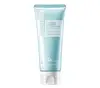
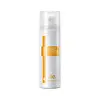
Papa Feel 5x Ceramide Gentle Cleanser Versus Papa Feel Niacinamide Whitening Sunscreen Spray SPF 50+
This hybrid sunscreen covers the full UV range and blocks ~98% of UVB at SPF 50.

What's inside
What's inside
 Key Ingredients
Benefits
Concerns
Ingredients Side-by-side
Water
Skin ConditioningSodium Laureth Sulfate
Cleansing



Potassium Laureth Phosphate
EmulsifyingGlycol Distearate
Emollient

Cocamide DEA
Emulsifying
Lauryl Hydroxysultaine
CleansingAcrylates Copolymer
Sodium Chloride
MaskingSodium Cocoyl Amino Acids
Cleansing
Niacinamide
Smoothing











Ceramide As
Skin Conditioning

Glycerin
Humectant
Disodium Coco-Glucoside Sulfosuccinate
Cleansing
Methylparaben
Preservative


Parfum
Masking

Disodium EDTA
ChelatingPropylene Glycol
Humectant
Glyceryl Cocoate
Emollient
Phenethyl Alcohol
MaskingMethylisothiazolinone
Preservative
Butylene Glycol
Humectant
1,2-Hexanediol
Skin Conditioning
Phenoxyethanol
Preservative
Stearic Acid
Cleansing
Hyaluronic Acid
Humectant
Citric Acid
Buffering
Ethylhexylglycerin
Skin ConditioningGlyceryl Stearate
Emollient
Sodium Benzoate
Masking
Panthenol
Skin Conditioning
Salicylic Acid
Masking
Arginine
Masking
Olea Europaea Fruit Oil
Masking

Ricinus Communis Seed Oil
Masking
Sodium Cocoyl Glycinate
Cleansing
Sodium Phytate
ChelatingSodium Lauroyl Lactylate
EmulsifyingQuillaja Saponaria Bark Extract
CleansingHydroxypropyl Starch Phosphate
Polyquaternium-7
Ceramide Ns
Skin Conditioning
Ceramide Ng
Skin Conditioning
Pentylene Glycol
Skin Conditioning
Polyglyceryl-3 Methylglucose Distearate
Emulsifying
Hydrogenated Polyisobutene
EmollientCeramide NP
Skin Conditioning
Phytosphingosine
Skin Conditioning
Ceramide AP
Skin Conditioning
Dicaprylyl Carbonate
EmollientTocopheryl Acetate
Antioxidant

Cholesterol
Emollient
Caprylic/Capric Triglyceride
Masking
Butyrospermum Parkii Butter
Skin Conditioning
Behenyl Alcohol
Emollient
Cetearyl Alcohol
Emollient
Xanthan Gum
EmulsifyingCarbomer
Emulsion StabilisingTrehalose
Humectant
Limnanthes Alba Seed Oil
Skin Conditioning
Propylparaben
Preservative
Sodium Oleate
CleansingHydrogenated Lecithin
Emulsifying
Ceramide EOP
Skin Conditioning
Water, Sodium Laureth Sulfate, Potassium Laureth Phosphate, Glycol Distearate, Cocamide DEA, Lauryl Hydroxysultaine, Acrylates Copolymer, Sodium Chloride, Sodium Cocoyl Amino Acids, Niacinamide, Ceramide As, Glycerin, Disodium Coco-Glucoside Sulfosuccinate, Methylparaben, Parfum, Disodium EDTA, Propylene Glycol, Glyceryl Cocoate, Phenethyl Alcohol, Methylisothiazolinone, Butylene Glycol, 1,2-Hexanediol, Phenoxyethanol, Stearic Acid, Hyaluronic Acid, Citric Acid, Ethylhexylglycerin, Glyceryl Stearate, Sodium Benzoate, Panthenol, Salicylic Acid, Arginine, Olea Europaea Fruit Oil, Ricinus Communis Seed Oil, Sodium Cocoyl Glycinate, Sodium Phytate, Sodium Lauroyl Lactylate, Quillaja Saponaria Bark Extract, Hydroxypropyl Starch Phosphate, Polyquaternium-7, Ceramide Ns, Ceramide Ng, Pentylene Glycol, Polyglyceryl-3 Methylglucose Distearate, Hydrogenated Polyisobutene, Ceramide NP, Phytosphingosine, Ceramide AP, Dicaprylyl Carbonate, Tocopheryl Acetate, Cholesterol, Caprylic/Capric Triglyceride, Butyrospermum Parkii Butter, Behenyl Alcohol, Cetearyl Alcohol, Xanthan Gum, Carbomer, Trehalose, Limnanthes Alba Seed Oil, Propylparaben, Sodium Oleate, Hydrogenated Lecithin, Ceramide EOP
Butane
Propane
Isobutane
Water
Skin ConditioningIsododecane
EmollientEthyl Methoxycinnamate
UV AbsorberHomosalate
Skin Conditioning
Dibutyl Adipate
EmollientEthyl Salicylate
Perfuming
Zinc Oxide
Cosmetic Colorant
Ethylhexyl Triazone
UV Absorber
Methylene Bis-Benzotriazolyl Tetramethylbutylphenol
UV Filter
Octocrylene
UV Absorber
Bis-Ethylhexyloxyphenol Methoxyphenyl Triazine
UV Absorber
Silica
Abrasive
Niacinamide
Smoothing
Lauryl PEG-10 Tris(Trimethylsiloxy)Silylethyl Dimethicone
Emulsifying
Methicone
Emollient
Vinyldimethicone
Polyhydroxystearic Acid
Emulsifying
Decyl Glucoside
Cleansing
Phenoxyethanol
Preservative
Parfum
Masking
Butylene Glycol
Humectant
Propylene Glycol
Humectant
Tocopheryl Acetate
Antioxidant
Triethoxycaprylylsilane
Bisabolol
Antioxidant
Cyclopentasiloxane
Emollient
Polydimethylsiloxyethyl Dimethicone/Methicone Copolymer
Skin Conditioning
Menthol
Masking
Menthyl Lactate
Masking
Ethylhexylglycerin
Skin ConditioningDipotassium Glycyrrhizate
Humectant
Fructose
Humectant
Xanthan Gum
EmulsifyingSodium Hyaluronate
Humectant
Opunta Dillenii Extract
Phosphatidylcholine
EmulsifyingAloe Barbadensis Leaf Extract
Emollient
Avena Sativa Bran Extract
Abrasive
Ophiopogon Japonicus Root Extract
Skin ConditioningCeramide NP
Skin Conditioning
Paeonia Albiflora Root Extract
Skin ConditioningScutellaria Baicalensis Root Extract
Astringent
Sodium Stearoyl Glutamate
CleansingTripeptide-1
Skin Conditioning
CI 77400
Cosmetic ColorantButane, Propane, Isobutane, Water, Isododecane, Ethyl Methoxycinnamate, Homosalate, Dibutyl Adipate, Ethyl Salicylate, Zinc Oxide, Ethylhexyl Triazone, Methylene Bis-Benzotriazolyl Tetramethylbutylphenol, Octocrylene, Bis-Ethylhexyloxyphenol Methoxyphenyl Triazine, Silica, Niacinamide, Lauryl PEG-10 Tris(Trimethylsiloxy)Silylethyl Dimethicone, Methicone, Vinyldimethicone, Polyhydroxystearic Acid, Decyl Glucoside, Phenoxyethanol, Parfum, Butylene Glycol, Propylene Glycol, Tocopheryl Acetate, Triethoxycaprylylsilane, Bisabolol, Cyclopentasiloxane, Polydimethylsiloxyethyl Dimethicone/Methicone Copolymer, Menthol, Menthyl Lactate, Ethylhexylglycerin, Dipotassium Glycyrrhizate, Fructose, Xanthan Gum, Sodium Hyaluronate, Opunta Dillenii Extract, Phosphatidylcholine, Aloe Barbadensis Leaf Extract, Avena Sativa Bran Extract, Ophiopogon Japonicus Root Extract, Ceramide NP, Paeonia Albiflora Root Extract, Scutellaria Baicalensis Root Extract, Sodium Stearoyl Glutamate, Tripeptide-1, CI 77400
Ingredients Explained
These ingredients are found in both products.
Ingredients higher up in an ingredient list are typically present in a larger amount.
Butylene Glycol (or BG) is used within cosmetic products for a few different reasons:
Overall, Butylene Glycol is a safe and well-rounded ingredient that works well with other ingredients.
Though this ingredient works well with most skin types, some people with sensitive skin may experience a reaction such as allergic rashes, closed comedones, or itchiness.
Learn more about Butylene GlycolCeramide NP (formerly known as Ceramide 3) is one of the skin's naturally occurring lipids.
Since ceramides are the major lipid components of the skin, they are crucial for maintaining skin barrier and hydration. Ceramide NP most closely mirrors the dominant kind in human skin amongst ceramide subtypes.
This ceramide works by slotting into gaps within the stratum corneum's lipid matrix to limit trans-epidermal water loss (TEWL) and shield the skin against external irritants.
A study with 312 patients found that using a ceramide-containing routine for 4 weeks reduced the severity of atopic dermatitis by over 61%.
Another clinical study in subjects aged 60 and older found that a ceramide body wash and moisturizer improved skin dryness and itchy skin in 15 days.
Overall, ceramides are considered non-irritating and safety tests have found little to no observable adverse effects from using this ingredient.
Ceramide NP is usually sourced from plants (like soybean or rice bran), or produced synthetically.
Learn more about Ceramide NPEthylhexylglycerin is created from glycerin. It is a multitasker ingredient that:
The CIR Expert Panel found minimal skin absorption or sensitization of any kind in a safety assessment. Though this ingredient is considered well-tolerated, a small number of cases of allergic dermatitis have been published since 2002. Just be sure to patch test if you are unsure.
Industry-reported use ranges from 8% in rinse-off products and 2% in leave-on formulations.
Learn more about EthylhexylglycerinNiacinamide is a multitasking form of vitamin B3 that strengthens the skin barrier, reduces pores and dark spots, regulates oil, and improves signs of aging.
And the best part? It's gentle and well-tolerated by most skin types, including sensitive and reactive skin.
You might have heard of "niacin flush", or the reddening of skin that causes itchiness. Niacinamide has not been found to cause this.
In very rare cases, some individuals may not be able to tolerate niacinamide at all or experience an allergic reaction to it.
If you are experiencing flaking, irritation, and dryness with this ingredient, be sure to double check all your products as this ingredient can be found in all categories of skincare.
When incorporating niacinamide into your routine, look out for concentration amounts. Typically, 5% niacinamide provides benefits such as fading dark spots. However, if you have sensitive skin, it is better to begin with a smaller concentration.
When you apply niacinamide to your skin, your body converts it into nicotinamide adenine dinucleotide (NAD). NAD is an essential coenzyme that is already found in your cells as "fuel" and powers countless biological processes.
In your skin, NAD helps repair cell damage, produce new healthy cells, support collagen production, strengthen the skin barrier, and fight environmental stressors (like UV and pollution).
Our natural NAD levels start to decline with age, leading to slower skin repair, visible aging, and a weaker skin barrier. By providing your skin niacinamide, you're recharging your skin's NAD levels. This leads to stronger, healthier, and younger looking skin.
Another name for vitamin B3 is nicotinamide. This vitamin is water-soluble and our bodies don't store it. We obtain Vitamin B3 from either food or skincare. Meat, fish, wheat, yeast, and leafy greens contain vitamin B3.
The type of niacinamide used in skincare is synthetically created.
Learn more about NiacinamideParfum is a catch-all term for an ingredient or more that is used to give a scent to products.
Also called "fragrance", this ingredient can be a blend of hundreds of chemicals or plant oils. This means every product with "fragrance" or "parfum" in the ingredients list is a different mixture.
For instance, Habanolide is a proprietary trade name for a specific aroma chemical. When used as a fragrance ingredient in cosmetics, most aroma chemicals fall under the broad labeling category of “FRAGRANCE” or “PARFUM” according to EU and US regulations.
The term 'parfum' or 'fragrance' is not regulated in many countries. In many cases, it is up to the brand to define this term.
For instance, many brands choose to label themselves as "fragrance-free" because they are not using synthetic fragrances. However, their products may still contain ingredients such as essential oils that are considered a fragrance by INCI standards.
One example is Calendula flower extract. Calendula is an essential oil that still imparts a scent or 'fragrance'.
Depending on the blend, the ingredients in the mixture can cause allergies and sensitivities on the skin. Some ingredients that are known EU allergens include linalool and citronellol.
Parfum can also be used to mask or cover an unpleasant scent.
The bottom line is: not all fragrances/parfum/ingredients are created equally. If you are worried about fragrances, we recommend taking a closer look at an ingredient. And of course, we always recommend speaking with a professional.
Learn more about ParfumPhenoxyethanol is one of the most widely used preservatives in skincare (and for good reason!).
It has a large spectrum of antimicrobial activity and especially effective bacteria, yeast, and mold while only having a weak effect on your skin's natural microbiome.
On a cellular level, it disrupts the cell membranes of microbes by poking holes that make the cell leak. This shuts down the chemical reactions the microbe needs to make energy so it can no longer survive.
Another perk of this ingredient is that it stays functional across a wide pH range (3-10).
You'll often see it paired with boosters like Ethylhexylglycerin; one study showed that a 1:9 ratio of Ethylhexylglycerin to Phenoxyethanol damages bacterial membranes as effectively as doubling the Phenoxyethanol concentration on its own.
Typical use concentrations range from 0.3-1% depending on the formula, and this ingredient is capped at 1% int the EU.
Safety-wise, the fear mongering does not hold up to the evidence. The EU's Scientific Committee on Consumer Safety and FDA consider it safe as a preservative at up to 1%, including for children of all ages.
Adverse systemic effects only showed up in animal studies at exposures roughly 200x higher than what people get from cosmetics. And despite its very widespread use, this ingredient is a rare sensitizer and allergic reactions are uncommon.
Learn more about PhenoxyethanolPropylene Glycol is a synthetic, colorless, odorless liquid that has been a staple in cosmetics for decades. It is a skin conditioning agent, humectant, and solvent.
As a humectant, it draw water to the skin to reduce flaking and restore suppleness. It's also a solvent that helps dissolve other actives and keeps formulas stable across temperature changes.
The CIR Expert Panel has confirmed this ingredient to be nontoxic and clinical studies show no sensitization at cosmetic use concentrations.
True allergic reactions are quite rare: a 15-year retrospective study of 6,751 patients found only 0.31% had a positive reaction (and less than half were considered clinically relevant).
It seemed that when sensitization does occur, it's most commonly linked to topical medication (like corticosteroids) and not cosmetics. Allergic contact dermatitis also appears largely limited to individuals with underlying skin conditions.
Overall, propylene glycol is a well-studied ingredient that most people can tolerate without issue.
Learn more about Propylene GlycolTocopheryl Acetate is a stable, shelf-friendly form of vitamin E.
Formulators love it because plain vitamin E oxidizes quickly once it hits air. This acetate version stays stable and resists going off, helping to extend a product's shelf life.
It's actually inactive on its own and works like a slow-release "storage" form; the enzymes in your skin called esterases gradually convert it into active vitamin E over time.
One in vivo study showed 5% of the acetate in the living layer of the epidermis converted to vitamin E after 5 days of application. This study also found the skin gained protection against UV damage even though the conversion was slow and small.
Once converted, vitamin E acts as a skin's main fat-soluble antioxidant that fights free radicals to protect skin from damage.
Topical vitamin E generally boosts the skin's photoprotection, and it reduced UV-damage in animal models.
This ingredient has some brightening potential but it's more of a prevention ingredient than spot-fader. Cell studies show it can slow down melanin production but it's worth noting that it's not the most powerful brightener out there.
Overall, it has a pretty solid safety profile and has been found to be non-irritating and non-comedogenic. Allergic reactions may happen but stay rare due to how widely the ingredient gets used.
The concentration will vary depending on the formula; industry data shows 0.1% in baby lotions, 3% in lipsticks, and 5% in foot powders. You can also find this ingredient at 100% in a pure vitamin E oil.
Most leave-on skincare keeps it at the lower end, often between 0.5-1%.
Learn more about Tocopheryl AcetateWater. It's the most common cosmetic ingredient of all. You'll usually see it at the top of ingredient lists, meaning that it makes up the largest part of the product.
So why is it so popular? Water most often acts as a solvent - this means that it helps dissolve other ingredients into the formulation.
You'll also recognize water as that liquid we all need to stay alive. If you see this, drink a glass of water. Remember to stay hydrated!
Learn more about WaterXanthan gum is used as a stabilizer and thickener within cosmetic products. It helps give products a sticky, thick feeling - preventing them from being too runny.
On the technical side of things, xanthan gum is a polysaccharide - a combination consisting of multiple sugar molecules bonded together.
Xanthan gum is a pretty common and great ingredient. It is a natural, non-toxic, non-irritating ingredient that is also commonly used in food products.
Learn more about Xanthan Gum

