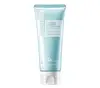
This mild gel cleanser is made to cleanse without leaving your skin tight or dry.


What's inside
What's inside
 Key Ingredients
Benefits
Concerns
Ingredients Side-by-side
Water
Skin ConditioningSodium Laureth Sulfate
Cleansing



Potassium Laureth Phosphate
EmulsifyingGlycol Distearate
Emollient

Cocamide DEA
Emulsifying
Lauryl Hydroxysultaine
CleansingAcrylates Copolymer
Sodium Chloride
MaskingSodium Cocoyl Amino Acids
Cleansing
Niacinamide
Smoothing











Ceramide As
Skin Conditioning

Glycerin
Humectant
Disodium Coco-Glucoside Sulfosuccinate
Cleansing
Methylparaben
Preservative


Parfum
Masking

Disodium EDTA
ChelatingPropylene Glycol
Humectant
Glyceryl Cocoate
Emollient
Phenethyl Alcohol
MaskingMethylisothiazolinone
Preservative
Butylene Glycol
Humectant
1,2-Hexanediol
Skin Conditioning
Phenoxyethanol
Preservative
Stearic Acid
Cleansing
Hyaluronic Acid
Humectant
Citric Acid
Buffering
Ethylhexylglycerin
Skin ConditioningGlyceryl Stearate
Emollient
Sodium Benzoate
Masking
Panthenol
Skin Conditioning
Salicylic Acid
Masking
Arginine
Masking
Olea Europaea Fruit Oil
Masking

Ricinus Communis Seed Oil
Masking
Sodium Cocoyl Glycinate
Cleansing
Sodium Phytate
ChelatingSodium Lauroyl Lactylate
EmulsifyingQuillaja Saponaria Bark Extract
CleansingHydroxypropyl Starch Phosphate
Polyquaternium-7
Ceramide Ns
Skin Conditioning
Ceramide Ng
Skin Conditioning
Pentylene Glycol
Skin Conditioning
Polyglyceryl-3 Methylglucose Distearate
Emulsifying
Hydrogenated Polyisobutene
EmollientCeramide NP
Skin Conditioning
Phytosphingosine
Skin Conditioning
Ceramide AP
Skin Conditioning
Dicaprylyl Carbonate
EmollientTocopheryl Acetate
Antioxidant

Cholesterol
Emollient
Caprylic/Capric Triglyceride
Masking
Butyrospermum Parkii Butter
Skin Conditioning
Behenyl Alcohol
Emollient
Cetearyl Alcohol
Emollient
Xanthan Gum
EmulsifyingCarbomer
Emulsion StabilisingTrehalose
Humectant
Limnanthes Alba Seed Oil
Skin Conditioning
Propylparaben
Preservative
Sodium Oleate
CleansingHydrogenated Lecithin
Emulsifying
Ceramide EOP
Skin Conditioning
Water, Sodium Laureth Sulfate, Potassium Laureth Phosphate, Glycol Distearate, Cocamide DEA, Lauryl Hydroxysultaine, Acrylates Copolymer, Sodium Chloride, Sodium Cocoyl Amino Acids, Niacinamide, Ceramide As, Glycerin, Disodium Coco-Glucoside Sulfosuccinate, Methylparaben, Parfum, Disodium EDTA, Propylene Glycol, Glyceryl Cocoate, Phenethyl Alcohol, Methylisothiazolinone, Butylene Glycol, 1,2-Hexanediol, Phenoxyethanol, Stearic Acid, Hyaluronic Acid, Citric Acid, Ethylhexylglycerin, Glyceryl Stearate, Sodium Benzoate, Panthenol, Salicylic Acid, Arginine, Olea Europaea Fruit Oil, Ricinus Communis Seed Oil, Sodium Cocoyl Glycinate, Sodium Phytate, Sodium Lauroyl Lactylate, Quillaja Saponaria Bark Extract, Hydroxypropyl Starch Phosphate, Polyquaternium-7, Ceramide Ns, Ceramide Ng, Pentylene Glycol, Polyglyceryl-3 Methylglucose Distearate, Hydrogenated Polyisobutene, Ceramide NP, Phytosphingosine, Ceramide AP, Dicaprylyl Carbonate, Tocopheryl Acetate, Cholesterol, Caprylic/Capric Triglyceride, Butyrospermum Parkii Butter, Behenyl Alcohol, Cetearyl Alcohol, Xanthan Gum, Carbomer, Trehalose, Limnanthes Alba Seed Oil, Propylparaben, Sodium Oleate, Hydrogenated Lecithin, Ceramide EOP
Water
Skin ConditioningGlycerin
Humectant
Sodium Cocoyl Glycinate
Cleansing
Cocamidopropyl Betaine
Cleansing
Corn Starch Modified
AbsorbentCocoyl Glutamic Acid
Cleansing
Sodium Lauroyl Sarcosinate
CleansingGlycol Distearate
Emollient
Sodium Lauroyl Oat Amino Acids
CleansingCocamide Mea
Emulsifying
Polyquaternium-39
Sodium Chloride
MaskingAcrylates Copolymer
PEG-150 Distearate
Emulsifying
DMDM Hydantoin
Preservative
Phenoxyethanol
Preservative
Trehalose
Humectant
4-Butylresorcinol
Antioxidant
Portulaca Oleracea Extract
Skin Conditioning
Lavandula Angustifolia Flower Extract
Cleansing
Freesia Refracta Extract
Skin ConditioningChamomilla Recutita Flower Extract
Masking
Rosmarinus Officinalis Leaf Extract
AntimicrobialMentha Piperita Leaf Extract
Skin Conditioning1,2-Hexanediol
Skin Conditioning
Sodium Lauroyl Glutamate
SurfactantEthylhexylglycerin
Skin ConditioningButoxyethanol
MaskingCamellia Japonica Extract
Skin ConditioningWater, Glycerin, Sodium Cocoyl Glycinate, Cocamidopropyl Betaine, Corn Starch Modified, Cocoyl Glutamic Acid, Sodium Lauroyl Sarcosinate, Glycol Distearate, Sodium Lauroyl Oat Amino Acids, Cocamide Mea, Polyquaternium-39, Sodium Chloride, Acrylates Copolymer, PEG-150 Distearate, DMDM Hydantoin, Phenoxyethanol, Trehalose, 4-Butylresorcinol, Portulaca Oleracea Extract, Lavandula Angustifolia Flower Extract, Freesia Refracta Extract, Chamomilla Recutita Flower Extract, Rosmarinus Officinalis Leaf Extract, Mentha Piperita Leaf Extract, 1,2-Hexanediol, Sodium Lauroyl Glutamate, Ethylhexylglycerin, Butoxyethanol, Camellia Japonica Extract
Ingredients Explained
These ingredients are found in both products.
Ingredients higher up in an ingredient list are typically present in a larger amount.
1,2-Hexanediol is a synthetic liquid and another multi-functional powerhouse.
It is a:
- Humectant, drawing moisture into the skin
- Emollient, helping to soften skin
- Solvent, dispersing and stabilizing formulas
- Preservative booster, enhancing the antimicrobial activity of other preservatives
Acrylates Copolymer is used as a film-forming agent and texture enhancer.
After applied, Acrylates Copolymer forms a thin film cover that helps skin feel more soft. It can help sunscreens become more water-resistant.
It is also used to make a product more thick.
Learn more about Acrylates CopolymerEthylhexylglycerin is created from glycerin. It is a multitasker ingredient that:
The CIR Expert Panel found minimal skin absorption or sensitization of any kind in a safety assessment. Though this ingredient is considered well-tolerated, a small number of cases of allergic dermatitis have been published since 2002. Just be sure to patch test if you are unsure.
Industry-reported use ranges from 8% in rinse-off products and 2% in leave-on formulations.
Learn more about EthylhexylglycerinGlycerin (or glycerol) is a compound naturally found in your skin. It's a powerhouse humectant that pulls water into the stratum corneum.
Topically, glycerin does several things at once:
Your skin makes glycerin on its own (mostly from sebaceous oil breakdown) and shuttles it to your outermost layer of skin, or your epidermis, via aquaporin-3.
Aquaporin-3 is a transporter that is essential for normal skin hydration, elasticity, and repair. Interestingly, mice lacking in AQP3 have dry and less elastic skin that can be fully corrected with glycerin.
This ingredient is non-irritating, plays well with almost every ingredient, and works across all skin types. Typical use is anywhere between 3-10% but can go up to 79% in some leave-on products.
Just know very high concentrations (>40%) can feel tacky in low humidity.
Glycerin is the name for this ingredient in American English. British English uses Glycerol/Glycerine.
Learn more about GlycerinGlycol Distearate is an emulsifier and emollient that adds a "pearly" appearance to formulations.
That lustrous look you see in many shampoos is due to this ingredient: when cooled, it crystallizes into small platelets that reflect light to give products that rich, shimmering look.
This ingredient is considered safe at present practices of use and concentration and repeated insult patch test with 50% Glycol Distearate on 125 subjects found no evidence of skin irritation, hypersensitivity, or acute toxicity.
Typical use concentrations range from 0.1-10%.
Because it's an ester of stearic acid, it falls into the range that Malassezia likes to metabolize. This ingredient may not be fungal acne safe.
Learn more about Glycol DistearatePhenoxyethanol is one of the most widely used preservatives in skincare (and for good reason!).
It has a large spectrum of antimicrobial activity and especially effective bacteria, yeast, and mold while only having a weak effect on your skin's natural microbiome.
On a cellular level, it disrupts the cell membranes of microbes by poking holes that make the cell leak. This shuts down the chemical reactions the microbe needs to make energy so it can no longer survive.
Another perk of this ingredient is that it stays functional across a wide pH range (3-10).
You'll often see it paired with boosters like Ethylhexylglycerin; one study showed that a 1:9 ratio of Ethylhexylglycerin to Phenoxyethanol damages bacterial membranes as effectively as doubling the Phenoxyethanol concentration on its own.
Typical use concentrations range from 0.3-1% depending on the formula, and this ingredient is capped at 1% int the EU.
Safety-wise, the fear mongering does not hold up to the evidence. The EU's Scientific Committee on Consumer Safety and FDA consider it safe as a preservative at up to 1%, including for children of all ages.
Adverse systemic effects only showed up in animal studies at exposures roughly 200x higher than what people get from cosmetics. And despite its very widespread use, this ingredient is a rare sensitizer and allergic reactions are uncommon.
Learn more about PhenoxyethanolChances are, you eat sodium chloride every day. Sodium Chloride is also known as table salt. This ingredient has many purposes in skincare: thickener, emulsifier, and exfoliator.
You'll most likely find this ingredient in cleansers where it is used to create a gel-like texture. As an emulsifier, it also prevents ingredients from separating.
You might see people debate whether Sodium Chloride is comedogenic, but there actually haven't been any comedogenic tests done on it. Either way, the overall formulation of a product matters a lot more than any single ingredient.
You might see this ingredient used in scrubs as a primary exfoliating ingredient.
Learn more about Sodium ChlorideSodium Cocoyl Glycinate is a cleansing agent. It can be naturally derived or synthetically-created.
As a surfactant, it helps clean your skin by gathering dirt, oil, and other pollutants to be rinsed away more easily.
Trehalose is a disaccharide made of two glucose molecules (glucose is sugar!). Trehalose is used to help moisturize skin. It also has antioxidant properties.
As a humectant, trehalose helps draw moisture from the air to your skin. This helps keep your skin hydrated.
Due to its antioxidant properties, trehalose may help with signs of aging. Antioxidants help fight free-radical molecules, unstable molecules that may damage your skin.
In medicine, trehalose and hyaluronic acid are used to help treat dry eyes.
Some animals, plants, and bacteria create trehalose as a source of energy to survive freeze or lack of water.
Learn more about TrehaloseWater. It's the most common cosmetic ingredient of all. You'll usually see it at the top of ingredient lists, meaning that it makes up the largest part of the product.
So why is it so popular? Water most often acts as a solvent - this means that it helps dissolve other ingredients into the formulation.
You'll also recognize water as that liquid we all need to stay alive. If you see this, drink a glass of water. Remember to stay hydrated!
Learn more about Water

