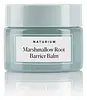
This barrier-repair overnight mask is formulated around Colloidal Oatmeal and Centella Asiatica Extract to strengthen the skin barrier and calm redness.
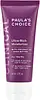
This barrier-repair moisturizer is formulated around Butyrospermum Parkii Butter Unsaponifiables and Ceramide NP to strengthen the skin barrier and hydrate skin.

What's inside
What's inside
 Key Ingredients
Benefits
Concerns
Ingredients Side-by-side
Water
Skin ConditioningPropanediol
Solvent

Cetearyl Alcohol
Emollient






Dimethicone
Emollient

Butyrospermum Parkii Butter
Skin Conditioning
Undecane
EmollientGlycerin
Humectant
Dipentaerythrityl Hexahydroxystearate/Hexastearate/Hexarosinate
Skin ConditioningCetearyl Olivate
Tridecane
Perfuming

Sorbitan Olivate
Emulsifying
Althaea Officinalis Root
Skin ConditioningColloidal Oatmeal
Absorbent

Centella Asiatica Extract
Cleansing

Arnica Montana Flower Extract
Masking
Silybum Marianum Seed Oil
Skin Conditioning
Allantoin
Skin Conditioning
Bisabolol
Antioxidant
Magnesium Carboxymethyl Beta-Glucan
Skin ConditioningChamomilla Recutita Flower Extract
Masking
Squalane
Emollient
Fructooligosaccharides
Humectant
Beta Vulgaris Root Extract
Skin ConditioningNigella Sativa Seed Oil
Emollient
Panthenol
Skin Conditioning
Rosa Canina Fruit Oil
Emollient
Sambucus Nigra Seed Oil
Oenothera Biennis Oil
Emollient
Aloe Barbadensis Leaf Juice
Skin Conditioning
Tocopheryl Acetate
Antioxidant

Olea Europaea Fruit Oil
Masking
Leuconostoc/Radish Root Ferment Filtrate
Antimicrobial
Calendula Officinalis Flower Extract
Masking
Sodium Hyaluronate
Humectant
Helianthus Annuus Seed Oil
Emollient
Ethylhexylglycerin
Skin ConditioningAmmonium Acryloyldimethyltaurate/Vp Copolymer
Xanthan Gum
EmulsifyingPhenoxyethanol
Preservative
Sodium Phytate
ChelatingPotassium Lactate
BufferingLactic Acid
Buffering




Melia Azadirachta Leaf Extract
Skin ConditioningMelia Azadirachta Flower Extract
Skin ConditioningCorallina Officinalis Extract
Skin Conditioning
Eclipta Prostrata Extract
Skin Conditioning
Ocimum Sanctum Leaf Extract
Skin ConditioningTocopherol
Antioxidant
Moringa Oleifera Seed Oil
Emollient
Amber Powder
Coccinia Indica Fruit Extract
Skin Conditioning
Solanum Melongena Fruit Extract
Skin ConditioningCurcuma Longa Leaf Extract
Skin ConditioningGlycolic Acid
Buffering

Citric Acid
Buffering
Potassium Sorbate
Preservative
Sodium Benzoate
Masking
Rosmarinus Officinalis Leaf Extract
AntimicrobialWater, Propanediol, Cetearyl Alcohol, Dimethicone, Butyrospermum Parkii Butter, Undecane, Glycerin, Dipentaerythrityl Hexahydroxystearate/Hexastearate/Hexarosinate, Cetearyl Olivate, Tridecane, Sorbitan Olivate, Althaea Officinalis Root, Colloidal Oatmeal, Centella Asiatica Extract, Arnica Montana Flower Extract, Silybum Marianum Seed Oil, Allantoin, Bisabolol, Magnesium Carboxymethyl Beta-Glucan, Chamomilla Recutita Flower Extract, Squalane, Fructooligosaccharides, Beta Vulgaris Root Extract, Nigella Sativa Seed Oil, Panthenol, Rosa Canina Fruit Oil, Sambucus Nigra Seed Oil, Oenothera Biennis Oil, Aloe Barbadensis Leaf Juice, Tocopheryl Acetate, Olea Europaea Fruit Oil, Leuconostoc/Radish Root Ferment Filtrate, Calendula Officinalis Flower Extract, Sodium Hyaluronate, Helianthus Annuus Seed Oil, Ethylhexylglycerin, Ammonium Acryloyldimethyltaurate/Vp Copolymer, Xanthan Gum, Phenoxyethanol, Sodium Phytate, Potassium Lactate, Lactic Acid, Melia Azadirachta Leaf Extract, Melia Azadirachta Flower Extract, Corallina Officinalis Extract, Eclipta Prostrata Extract, Ocimum Sanctum Leaf Extract, Tocopherol, Moringa Oleifera Seed Oil, Amber Powder, Coccinia Indica Fruit Extract, Solanum Melongena Fruit Extract, Curcuma Longa Leaf Extract, Glycolic Acid, Citric Acid, Potassium Sorbate, Sodium Benzoate, Rosmarinus Officinalis Leaf Extract
Water
Skin ConditioningButyrospermum Parkii Butter Unsaponifiables
Skin Conditioning
Caprylic/Capric Triglyceride
Masking
Glyceryl Stearate Se
Emulsifying
Olea Europaea Fruit Oil
Masking
Dimethicone
Emollient
Stearic Acid
Cleansing
Glyceryl Stearate
Emollient
Mangifera Indica Seed Butter
Skin Conditioning
Cetyl Alcohol
Emollient
Cocos Nucifera Fruit Extract
Emollient
Ceramide NP
Skin Conditioning
Ceramide AP
Skin Conditioning
Ceramide EOP
Skin Conditioning
Sphingolipids
Emollient
Phospholipids
Skin Conditioning
Phytosphingosine
Skin Conditioning
Squalene
Emollient
Cholesterol
Emollient
Tocopherol
Antioxidant
Simmondsia Chinensis Seed Oil
Emollient
Persea Gratissima Oil
Skin Conditioning
Glycine Soja Oil
Emollient
Oryza Sativa Bran Extract
Skin Conditioning
Avena Sativa Kernel Extract
Abrasive
Glycerin
Humectant
Panthenol
Skin Conditioning
Ascorbyl Palmitate
Antioxidant
Beta-Sitosterol
Emulsion Stabilising
Hydrogenated Vegetable Glycerides Citrate
EmollientPropylene Glycol
Humectant
Sodium Lauroyl Lactylate
EmulsifyingXanthan Gum
EmulsifyingCarbomer
Emulsion StabilisingDisodium EDTA
ChelatingEthylhexylglycerin
Skin ConditioningPhenoxyethanol
Preservative
Water, Butyrospermum Parkii Butter Unsaponifiables, Caprylic/Capric Triglyceride, Glyceryl Stearate Se, Olea Europaea Fruit Oil, Dimethicone, Stearic Acid, Glyceryl Stearate, Mangifera Indica Seed Butter, Cetyl Alcohol, Cocos Nucifera Fruit Extract, Ceramide NP, Ceramide AP, Ceramide EOP, Sphingolipids, Phospholipids, Phytosphingosine, Squalene, Cholesterol, Tocopherol, Simmondsia Chinensis Seed Oil, Persea Gratissima Oil, Glycine Soja Oil, Oryza Sativa Bran Extract, Avena Sativa Kernel Extract, Glycerin, Panthenol, Ascorbyl Palmitate, Beta-Sitosterol, Hydrogenated Vegetable Glycerides Citrate, Propylene Glycol, Sodium Lauroyl Lactylate, Xanthan Gum, Carbomer, Disodium EDTA, Ethylhexylglycerin, Phenoxyethanol
Reviews
Ingredients Explained
These ingredients are found in both products.
Ingredients higher up in an ingredient list are typically present in a larger amount.
Dimethicone is a type of synthetic silicone created from natural materials such as quartz. It is also known as polydimethylsiloxane.
What it does:
Dimethicone comes in different viscosities:
Depending on the viscosity, dimethicone has different properties.
Ingredients lists don't always show which type is used, so we recommend reaching out to the brand if you have questions about the viscosity.
This ingredient is unlikely to cause irritation because it does not get absorbed into skin. However, people with silicone allergies should be careful about using this ingredient.
Note: Dimethicone may contribute to pilling. This is because it is not oil or water soluble, so pilling may occur when layered with products. When mixed with heavy oils in a formula, the outcome is also quite greasy.
Learn more about DimethiconeEthylhexylglycerin is created from glycerin. It is a multitasker ingredient that:
The CIR Expert Panel found minimal skin absorption or sensitization of any kind in a safety assessment. Though this ingredient is considered well-tolerated, a small number of cases of allergic dermatitis have been published since 2002. Just be sure to patch test if you are unsure.
Industry-reported use ranges from 8% in rinse-off products and 2% in leave-on formulations.
Learn more about EthylhexylglycerinGlycerin (or glycerol) is a compound naturally found in your skin. It's a powerhouse humectant that pulls water into the stratum corneum.
Topically, glycerin does several things at once:
Your skin makes glycerin on its own (mostly from sebaceous oil breakdown) and shuttles it to your outermost layer of skin, or your epidermis, via aquaporin-3.
Aquaporin-3 is a transporter that is essential for normal skin hydration, elasticity, and repair. Interestingly, mice lacking in AQP3 have dry and less elastic skin that can be fully corrected with glycerin.
This ingredient is non-irritating, plays well with almost every ingredient, and works across all skin types. Typical use is anywhere between 3-10% but can go up to 79% in some leave-on products.
Just know very high concentrations (>40%) can feel tacky in low humidity.
Glycerin is the name for this ingredient in American English. British English uses Glycerol/Glycerine.
Learn more about GlycerinThis ingredient is also known as olive oil. It has been used in skincare for centuries and science largely backs up its reputation as a nourishing emollient.
The main components of olive oil are oleic acid (55-83%), linoleic acid (3.5-20%), and palmitic acid (7-20%). Oleic acid promotes skin regeneration and helps regulate inflammatory responses.
Squalene is also naturally present in olive oil and exhibits moisturizing and antioxidant properties.
The polyphenols in olive oil also show anti-aging promise; one clinical study found a measurable improvement in skin appearance after 30 days of topical serum use.
Just be aware that applying olive oil directly to skin can weaken the barrier and cause redness. One study with volunteers found even people without sensitive skin experienced a significant reduction in stratum corneum integrity and induced mild erythema.
It's best to use this ingredient as part of a carefully crafted formula (instead of putting it on skin directly from the bottle).
Because it has a 0-2 on the comedogenic scale, it is low risk for acne-prone skin. Just remember the overall formulation of a product matters more than a few ingredients with comedogenic ratings.
This ingredient may not be fungal acne safe because of the oleic and palmitic acid content. These fall within the C11-24 fatty acid range that the Malassezia yeast can metabolize to grow.
Overall, olive oil is a well-studied and nourishing skincare ingredient.
Learn more about Olea Europaea Fruit OilPanthenol is a common ingredient that helps hydrate and soothe the skin. It is found naturally in our skin and hair.
There are two forms of panthenol: D and L.
D-panthenol is also known as dexpanthenol. Most cosmetics use dexpanthenol or a mixture of D and L-panthenol.
Panthenol is famous due to its ability to go deeper into the skin's layers. Using this ingredient has numerous pros (and no cons):
Like hyaluronic acid, panthenol is a humectant. Humectants are able to bind and hold large amounts of water to keep skin hydrated.
This ingredient works well for wound healing. It works by increasing tissue in the wound and helps close open wounds.
Once oxidized, panthenol converts to pantothenic acid. Panthothenic acid is found in all living cells.
This ingredient is also referred to as pro-vitamin B5.
Learn more about PanthenolPhenoxyethanol is one of the most widely used preservatives in skincare (and for good reason!).
It has a large spectrum of antimicrobial activity and especially effective bacteria, yeast, and mold while only having a weak effect on your skin's natural microbiome.
On a cellular level, it disrupts the cell membranes of microbes by poking holes that make the cell leak. This shuts down the chemical reactions the microbe needs to make energy so it can no longer survive.
Another perk of this ingredient is that it stays functional across a wide pH range (3-10).
You'll often see it paired with boosters like Ethylhexylglycerin; one study showed that a 1:9 ratio of Ethylhexylglycerin to Phenoxyethanol damages bacterial membranes as effectively as doubling the Phenoxyethanol concentration on its own.
Typical use concentrations range from 0.3-1% depending on the formula, and this ingredient is capped at 1% int the EU.
Safety-wise, the fear mongering does not hold up to the evidence. The EU's Scientific Committee on Consumer Safety and FDA consider it safe as a preservative at up to 1%, including for children of all ages.
Adverse systemic effects only showed up in animal studies at exposures roughly 200x higher than what people get from cosmetics. And despite its very widespread use, this ingredient is a rare sensitizer and allergic reactions are uncommon.
Learn more about PhenoxyethanolTocopherol is a fat-soluble antioxidant known as Vitamin E.
You'll find this ingredient in the vast majority of skincare (for good reason). It works to neutralize free radicals, or unstable molecules generated by UV exposure, pollution, and other environmental stressors, before they can cause oxidative damage to your skin cells.
Topically applied tocopherol has been shown to protect against UV damage by ramping up the skin's own natural defense enzymes.
It also acts as a skin conditioning agent; some studies show that regular topical use can improve the skin's water-binding capacity over 2-4 weeks.
This ingredient is especially loved for being a team player. When combined with Vitamin C, the photoprotective effect of both ingredients roughly doubles and the combo also helps reduce UV-induced DNA damage.
This ingredient has some brightening potential but it's more of a prevention ingredient than spot-fader. Cell studies show it can slow down melanin production but it's worth noting that it's not the most powerful brightener out there.
In formulations, it also serves as a stabilizer that helps protect other oxidation-prone ingredients from degrading.
Concentrations usually range from 0.1-1% in most leave-on products.
Learn more about TocopherolWater. It's the most common cosmetic ingredient of all. You'll usually see it at the top of ingredient lists, meaning that it makes up the largest part of the product.
So why is it so popular? Water most often acts as a solvent - this means that it helps dissolve other ingredients into the formulation.
You'll also recognize water as that liquid we all need to stay alive. If you see this, drink a glass of water. Remember to stay hydrated!
Learn more about WaterXanthan gum is used as a stabilizer and thickener within cosmetic products. It helps give products a sticky, thick feeling - preventing them from being too runny.
On the technical side of things, xanthan gum is a polysaccharide - a combination consisting of multiple sugar molecules bonded together.
Xanthan gum is a pretty common and great ingredient. It is a natural, non-toxic, non-irritating ingredient that is also commonly used in food products.
Learn more about Xanthan Gum

