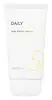
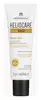
This chemical sunscreen covers the full UV range and blocks ~98% of UVB at SPF 50.
This chemical sunscreen covers the full UV range and blocks ~98% of UVB at SPF 50.


What's inside
What's inside
 Key Ingredients
Benefits
Concerns
Ingredients Side-by-side
Water
Skin ConditioningHomosalate
Skin Conditioning

Silica
Abrasive


Propanediol
Solvent

Ethylhexyl Salicylate
UV Absorber
CI 77891
Cosmetic ColorantDipropylene Glycol
HumectantC12-15 Alkyl Benzoate
AntimicrobialDiethylamino Hydroxybenzoyl Hexyl Benzoate
UV Filter
Dimethicone
Emollient

Alcohol Denat.
Antimicrobial




Polysorbate 60
Emulsifying
Potassium Cetyl Phosphate
EmulsifyingButylene Glycol
Humectant
Bis-Ethylhexyloxyphenol Methoxyphenyl Triazine
UV Absorber
Glyceryl Stearate
Emollient
Sodium Acrylate/Sodium Acryloyldimethyl Taurate Copolymer
Emulsion StabilisingCetearyl Olivate
Stearic Acid
Cleansing
Sorbitan Olivate
Emulsifying
Aluminum Hydroxide
EmollientIsohexadecane
EmollientSorbitan Stearate
Emulsifying
Cetearyl Alcohol
Emollient


Caprylyl Glycol
Emollient
Parfum
Masking

Ethylhexylglycerin
Skin ConditioningCarbomer
Emulsion StabilisingPolysorbate 80
Emulsifying
Palmitic Acid
Emollient
Tromethamine
BufferingTocopheryl Acetate
Antioxidant


Xanthan Gum
Emulsifying1,2-Hexanediol
Skin Conditioning
Sorbitan Oleate
Emulsifying
Disodium EDTA
ChelatingPotassium Hydroxide
BufferingLeontopodium Alpinum Flower/Leaf Extract
Skin ConditioningMyristic Acid
Cleansing
Vp/Hexadecene Copolymer
Cyclopentasiloxane
Emollient
Anthemis Nobilis Flower Extract
Masking

Helianthus Annuus Seed Extract
Skin Conditioning
Acrylates/Dimethicone Copolymer
Skin Conditioning
Phenoxyethanol
Preservative
Calendula Officinalis Flower Extract
Masking
Aloe Barbadensis Leaf Extract
Emollient
Morus Alba Fruit Extract
Antioxidant
Pueraria Lobata Root Extract
HumectantCamellia Sinensis Leaf Extract
Antimicrobial
Chrysanthemum Indicum Flower Extract
Skin Conditioning
Sodium Benzoate
Masking
Artemisia Princeps Leaf Extract
Skin ConditioningCinnamomum Cassia Bark Extract
Masking
Diospyros Kaki Leaf Extract
Skin Protecting
Citric Acid
Buffering
Centaurea Cyanus Flower Water
Skin Conditioning
Helichrysum Italicum Flower Water
Skin ConditioningThymus Vulgaris Leaf Water
Skin ConditioningWater, Homosalate, Silica, Propanediol, Ethylhexyl Salicylate, CI 77891, Dipropylene Glycol, C12-15 Alkyl Benzoate, Diethylamino Hydroxybenzoyl Hexyl Benzoate, Dimethicone, Alcohol Denat., Polysorbate 60, Potassium Cetyl Phosphate, Butylene Glycol, Bis-Ethylhexyloxyphenol Methoxyphenyl Triazine, Glyceryl Stearate, Sodium Acrylate/Sodium Acryloyldimethyl Taurate Copolymer, Cetearyl Olivate, Stearic Acid, Sorbitan Olivate, Aluminum Hydroxide, Isohexadecane, Sorbitan Stearate, Cetearyl Alcohol, Caprylyl Glycol, Parfum, Ethylhexylglycerin, Carbomer, Polysorbate 80, Palmitic Acid, Tromethamine, Tocopheryl Acetate, Xanthan Gum, 1,2-Hexanediol, Sorbitan Oleate, Disodium EDTA, Potassium Hydroxide, Leontopodium Alpinum Flower/Leaf Extract, Myristic Acid, Vp/Hexadecene Copolymer, Cyclopentasiloxane, Anthemis Nobilis Flower Extract, Helianthus Annuus Seed Extract, Acrylates/Dimethicone Copolymer, Phenoxyethanol, Calendula Officinalis Flower Extract, Aloe Barbadensis Leaf Extract, Morus Alba Fruit Extract, Pueraria Lobata Root Extract, Camellia Sinensis Leaf Extract, Chrysanthemum Indicum Flower Extract, Sodium Benzoate, Artemisia Princeps Leaf Extract, Cinnamomum Cassia Bark Extract, Diospyros Kaki Leaf Extract, Citric Acid, Centaurea Cyanus Flower Water, Helichrysum Italicum Flower Water, Thymus Vulgaris Leaf Water
Water
Skin ConditioningOctocrylene
UV Absorber
Ethylhexyl Salicylate
UV Absorber
Butyl Methoxydibenzoylmethane
UV Absorber
Butylene Glycol
Humectant
Phenylbenzimidazole Sulfonic Acid
UV Absorber
Arginine
Masking
Dimethicone
Emollient
Phenethyl Benzoate
Emollient
Diethylamino Hydroxybenzoyl Hexyl Benzoate
UV Filter
Silica
Abrasive
Butylene Glycol Cocoate
Emulsifying
Polypodium Leucotomos Leaf Extract
Skin Protecting
Aspalathus Linearis Extract
Skin ConditioningPlankton Extract
Skin ConditioningChlorella Vulgaris Extract
Skin ConditioningChlamydomonas Reinhardtii Extract
HumectantSodium Hyaluronate
Humectant
Physalis Angulata Extract
Skin ProtectingEthylhexyl Triazone
UV Absorber
Glycerin
Humectant
Trehalose
Humectant
Urea
Buffering

Serine
Masking
Ascorbic Acid
Antioxidant

Ascorbyl Palmitate
Antioxidant
Lecithin
Emollient
Melanin
Skin ProtectingC20-22 Alkyl Phosphate
EmulsifyingPhenylpropanol
Masking
C20-22 Alcohols
Emulsion Stabilising
Vp/Acrylates/Lauryl Methacrylate Copolymer
Propanediol
Solvent
Caprylyl Glycol
Emollient
Propylene Glycol
Humectant
Pentylene Glycol
Skin Conditioning
Tocopheryl Acetate
Antioxidant
Tocopherol
Antioxidant
Sodium Phytate
ChelatingAcrylates/C10-30 Alkyl Acrylate Crosspolymer
Emulsion StabilisingMethicone
Emollient
Caprylic/Capric Triglyceride
Masking
PEG-8
HumectantGlyceryl Polyacrylate
Algin
MaskingPullulan
Disodium Phosphate
BufferingOxothiazolidine
Skin ProtectingPotassium Phosphate
BufferingEthylhexylglycerin
Skin ConditioningCellulose
Absorbent
Magnesium Stearate
Cosmetic ColorantPhenoxyethanol
Preservative
Citric Acid
Buffering
Sodium Benzoate
Masking
Parfum
Masking
Linalool
Perfuming
Water, Octocrylene, Ethylhexyl Salicylate, Butyl Methoxydibenzoylmethane, Butylene Glycol, Phenylbenzimidazole Sulfonic Acid, Arginine, Dimethicone, Phenethyl Benzoate, Diethylamino Hydroxybenzoyl Hexyl Benzoate, Silica, Butylene Glycol Cocoate, Polypodium Leucotomos Leaf Extract, Aspalathus Linearis Extract, Plankton Extract, Chlorella Vulgaris Extract, Chlamydomonas Reinhardtii Extract, Sodium Hyaluronate, Physalis Angulata Extract, Ethylhexyl Triazone, Glycerin, Trehalose, Urea, Serine, Ascorbic Acid, Ascorbyl Palmitate, Lecithin, Melanin, C20-22 Alkyl Phosphate, Phenylpropanol, C20-22 Alcohols, Vp/Acrylates/Lauryl Methacrylate Copolymer, Propanediol, Caprylyl Glycol, Propylene Glycol, Pentylene Glycol, Tocopheryl Acetate, Tocopherol, Sodium Phytate, Acrylates/C10-30 Alkyl Acrylate Crosspolymer, Methicone, Caprylic/Capric Triglyceride, PEG-8, Glyceryl Polyacrylate, Algin, Pullulan, Disodium Phosphate, Oxothiazolidine, Potassium Phosphate, Ethylhexylglycerin, Cellulose, Magnesium Stearate, Phenoxyethanol, Citric Acid, Sodium Benzoate, Parfum, Linalool
Reviews
Ingredients Explained
These ingredients are found in both products.
Ingredients higher up in an ingredient list are typically present in a larger amount.
Butylene Glycol (or BG) is used within cosmetic products for a few different reasons:
Overall, Butylene Glycol is a safe and well-rounded ingredient that works well with other ingredients.
Though this ingredient works well with most skin types, some people with sensitive skin may experience a reaction such as allergic rashes, closed comedones, or itchiness.
Learn more about Butylene GlycolCaprylyl Glycol is a humectant, skin conditioner, emollient, and preservative booster derived from either caprylic acid or synthetically created.
Typical use levels vary from 0.3-1% as a preservative booster and go up to 2% to condition skin.
Because it is not a free-fatty acid, this ingredient is fungal acne safe (there's nothing for Malassezia to feed on).
Learn more about Caprylyl GlycolCitric Acid is an alpha hydroxy acid (AHA) naturally found in citrus fruits like oranges, lemons, and limes.
Like other AHAs, citric acid can exfoliate skin by breaking down the bonds that hold dead skin cells together. This helps reveal smoother and brighter skin underneath.
However, this exfoliating effect only happens at high concentrations (20%) which can be hard to find in cosmetic products.
Due to this, citric acid is usually included in small amounts as a pH adjuster. This helps keep products slightly more acidic and compatible with skin's natural pH.
In skincare formulas, citric acid can:
While it can provide some skin benefits, research shows lactic acid and glycolic acid are generally more effective and less irritating exfoliants.
Most citric acid used in skincare today is made by fermenting sugars (usually from molasses). This synthetic version is identical to the natural citrus form but easier to stabilize and use in formulations.
Rosacea skin has a lower threshold for acids generally, with 62.5% of rosacea subjects in one study reacting to lactic acid in a sting test. This is why we mark citric acid as a potential rosacea trigger.
However, this ingredient shows up as a pH adjuster or chelator at roughly 0.1-1% in many products. These low levels are unlikely to be an issue for rosacea skin and becomes a potential trigger at exfoliating concentrations (20%). Because everybody's skin is unique, we recommend a patch test if you are unsure.
Learn more about Citric AcidDiethylamino Hydroxybenzoyl Hexyl Benzoate (DHHB) is a chemical UV-A absorber. It is formulated for high UVA protection (320-400 nm).
DHHB is well-liked for:
DHHB has been approved by the EU, Japan, Taiwan, and South America for use up to 10%. Unfortunately, it has not been approved for use in the US or Canada due to slow regulatory processes.
This ingredient is soluble in oils, fats, and lipids.
Learn more about Diethylamino Hydroxybenzoyl Hexyl BenzoateDimethicone is a type of synthetic silicone created from natural materials such as quartz. It is also known as polydimethylsiloxane.
What it does:
Dimethicone comes in different viscosities:
Depending on the viscosity, dimethicone has different properties.
Ingredients lists don't always show which type is used, so we recommend reaching out to the brand if you have questions about the viscosity.
This ingredient is unlikely to cause irritation because it does not get absorbed into skin. However, people with silicone allergies should be careful about using this ingredient.
Note: Dimethicone may contribute to pilling. This is because it is not oil or water soluble, so pilling may occur when layered with products. When mixed with heavy oils in a formula, the outcome is also quite greasy.
Learn more about DimethiconeEthylhexyl Salicylate (also called Octisalate or Octyl Salicylate) is an oil-soluble organic UV filter that's been used in sunscreen since the 1950's.
It absorbs UVB light in the 280-320 nm range with a peak absorbance around 306 nm.
You'll often see it paired with other UV filters to boost overall SPF because octisalate is a fairly week filter on its own.
The reason you'll see it so often is because it can help solubilize and stabilize the trickier filters like oxybenzone and avobenzone.
Unlike these filters, octisalate has pretty good photostability and doesn't create skin-damaging free radicals when exposed to sunlight.
The fatty-alcohol part of the molecule also gives it a light, emollient feel so it doubles as a nice texture enhancer.
Usage levels vary around the world:
Safety-wise, this ingredient has a pretty reassuring track record. The EU's Scientific Committee on Consumer Products (SCCP) found very low skin penetration in human skin tests and negative results for irritation, phototoxicity, and photoallergy.
The real-world allergy risk is pretty low too; a 2012 European study of 1,031 people recorded only 2 reactions to it (a rate of 0.19%).
You might have seen scary headlines about sunscreen getting into your blood.
In 2019, the FDA found that several chemical filters can absorb through the skin and show up in the bloodstream at small but measurable levels.
Here's the important part: these tiny levels are just a cutoff the FDA uses to decide which ingredients need more testing and doesn't mean anything harmful was found.
The researchers were clear that the results are no reason to stop wearing sunscreen.
Learn more about Ethylhexyl SalicylateEthylhexylglycerin is created from glycerin. It is a multitasker ingredient that:
The CIR Expert Panel found minimal skin absorption or sensitization of any kind in a safety assessment. Though this ingredient is considered well-tolerated, a small number of cases of allergic dermatitis have been published since 2002. Just be sure to patch test if you are unsure.
Industry-reported use ranges from 8% in rinse-off products and 2% in leave-on formulations.
Learn more about EthylhexylglycerinParfum is a catch-all term for an ingredient or more that is used to give a scent to products.
Also called "fragrance", this ingredient can be a blend of hundreds of chemicals or plant oils. This means every product with "fragrance" or "parfum" in the ingredients list is a different mixture.
For instance, Habanolide is a proprietary trade name for a specific aroma chemical. When used as a fragrance ingredient in cosmetics, most aroma chemicals fall under the broad labeling category of “FRAGRANCE” or “PARFUM” according to EU and US regulations.
The term 'parfum' or 'fragrance' is not regulated in many countries. In many cases, it is up to the brand to define this term.
For instance, many brands choose to label themselves as "fragrance-free" because they are not using synthetic fragrances. However, their products may still contain ingredients such as essential oils that are considered a fragrance by INCI standards.
One example is Calendula flower extract. Calendula is an essential oil that still imparts a scent or 'fragrance'.
Depending on the blend, the ingredients in the mixture can cause allergies and sensitivities on the skin. Some ingredients that are known EU allergens include linalool and citronellol.
Parfum can also be used to mask or cover an unpleasant scent.
The bottom line is: not all fragrances/parfum/ingredients are created equally. If you are worried about fragrances, we recommend taking a closer look at an ingredient. And of course, we always recommend speaking with a professional.
Learn more about ParfumPhenoxyethanol is one of the most widely used preservatives in skincare (and for good reason!).
It has a large spectrum of antimicrobial activity and especially effective bacteria, yeast, and mold while only having a weak effect on your skin's natural microbiome.
On a cellular level, it disrupts the cell membranes of microbes by poking holes that make the cell leak. This shuts down the chemical reactions the microbe needs to make energy so it can no longer survive.
Another perk of this ingredient is that it stays functional across a wide pH range (3-10).
You'll often see it paired with boosters like Ethylhexylglycerin; one study showed that a 1:9 ratio of Ethylhexylglycerin to Phenoxyethanol damages bacterial membranes as effectively as doubling the Phenoxyethanol concentration on its own.
Typical use concentrations range from 0.3-1% depending on the formula, and this ingredient is capped at 1% int the EU.
Safety-wise, the fear mongering does not hold up to the evidence. The EU's Scientific Committee on Consumer Safety and FDA consider it safe as a preservative at up to 1%, including for children of all ages.
Adverse systemic effects only showed up in animal studies at exposures roughly 200x higher than what people get from cosmetics. And despite its very widespread use, this ingredient is a rare sensitizer and allergic reactions are uncommon.
Learn more about PhenoxyethanolPropanediol is an all-star ingredient. It softens, hydrates, and smooths the skin.
It’s often used to:
Propanediol is not likely to cause sensitivity and considered safe to use. It is derived from corn or petroleum with a clear color and no scent.
Learn more about PropanediolSilica, also known as silicon dioxide, is a naturally occurring mineral. It is used as a fine, spherical, and porous powder in cosmetics.
Though it has exfoliant properties, the function of silica varies depending on the product.
The unique structure of silica enhances the spreadability and adds smoothness, making it a great texture enhancer.
It is also used as an active carrier, emulsifier, and mattifier due to its ability to absorb excess oil.
In some products, tiny microneedles called spicules are made from silica or hydrolyzed sponge. When you rub them in, they lightly polish away dead skin layers and enhance the penetration of active ingredients.
Learn more about SilicaSodium Benzoate is a preservative. It's used in both cosmetic and food products to inhibit the growth of mold and bacteria. It is typically produced synthetically.
Both the US FDA and EU Health Committee have approved the use of sodium benzoate. In the US, levels of 0.1% (of the total product) are allowed.
Sodium benzoate works as a preservative by inhibiting the growth of bacteria inside of cells. It prevents the cell from fermenting a type of sugar using an enzyme called phosphofructokinase.
It is the salt of benzoic acid. Foods containing sodium benzoate include soda, salad dressings, condiments, fruit juices, wines, and snack foods.
Studies for using ascorbic acid and sodium benzoate in cosmetics are lacking, especially in skincare routines with multiple steps.
We always recommend speaking with a professional, such as a dermatologist, if you have any concerns.
Learn more about Sodium BenzoateTocopheryl Acetate is a stable, shelf-friendly form of vitamin E.
Formulators love it because plain vitamin E oxidizes quickly once it hits air. This acetate version stays stable and resists going off, helping to extend a product's shelf life.
It's actually inactive on its own and works like a slow-release "storage" form; the enzymes in your skin called esterases gradually convert it into active vitamin E over time.
One in vivo study showed 5% of the acetate in the living layer of the epidermis converted to vitamin E after 5 days of application. This study also found the skin gained protection against UV damage even though the conversion was slow and small.
Once converted, vitamin E acts as a skin's main fat-soluble antioxidant that fights free radicals to protect skin from damage.
Topical vitamin E generally boosts the skin's photoprotection, and it reduced UV-damage in animal models.
This ingredient has some brightening potential but it's more of a prevention ingredient than spot-fader. Cell studies show it can slow down melanin production but it's worth noting that it's not the most powerful brightener out there.
Overall, it has a pretty solid safety profile and has been found to be non-irritating and non-comedogenic. Allergic reactions may happen but stay rare due to how widely the ingredient gets used.
The concentration will vary depending on the formula; industry data shows 0.1% in baby lotions, 3% in lipsticks, and 5% in foot powders. You can also find this ingredient at 100% in a pure vitamin E oil.
Most leave-on skincare keeps it at the lower end, often between 0.5-1%.
Learn more about Tocopheryl AcetateWater. It's the most common cosmetic ingredient of all. You'll usually see it at the top of ingredient lists, meaning that it makes up the largest part of the product.
So why is it so popular? Water most often acts as a solvent - this means that it helps dissolve other ingredients into the formulation.
You'll also recognize water as that liquid we all need to stay alive. If you see this, drink a glass of water. Remember to stay hydrated!
Learn more about Water

