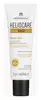
This chemical sunscreen covers the full UV range and blocks ~98% of UVB at SPF 50.
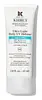
This hybrid sunscreen covers the full UV range and blocks ~98% of UVB at SPF 50.


What's inside
What's inside
 Key Ingredients
Benefits
Concerns
Ingredients Side-by-side
Water
Skin ConditioningOctocrylene
UV Absorber



Ethylhexyl Salicylate
UV Absorber
Butyl Methoxydibenzoylmethane
UV Absorber
Butylene Glycol
Humectant

Phenylbenzimidazole Sulfonic Acid
UV Absorber
Arginine
Masking
Dimethicone
Emollient
Phenethyl Benzoate
Emollient

Diethylamino Hydroxybenzoyl Hexyl Benzoate
UV Filter
Silica
Abrasive


Butylene Glycol Cocoate
Emulsifying



Polypodium Leucotomos Leaf Extract
Skin Protecting
Aspalathus Linearis Extract
Skin ConditioningPlankton Extract
Skin ConditioningChlorella Vulgaris Extract
Skin ConditioningChlamydomonas Reinhardtii Extract
HumectantSodium Hyaluronate
Humectant

Physalis Angulata Extract
Skin ProtectingEthylhexyl Triazone
UV Absorber
Glycerin
Humectant
Trehalose
Humectant
Urea
Buffering

Serine
Masking
Ascorbic Acid
Antioxidant



Ascorbyl Palmitate
Antioxidant
Lecithin
Emollient
Melanin
Skin ProtectingC20-22 Alkyl Phosphate
EmulsifyingPhenylpropanol
Masking
C20-22 Alcohols
Emulsion Stabilising
Vp/Acrylates/Lauryl Methacrylate Copolymer
Propanediol
Solvent
Caprylyl Glycol
Emollient
Propylene Glycol
Humectant
Pentylene Glycol
Skin Conditioning
Tocopheryl Acetate
Antioxidant
Tocopherol
Antioxidant
Sodium Phytate
ChelatingAcrylates/C10-30 Alkyl Acrylate Crosspolymer
Emulsion StabilisingMethicone
Emollient
Caprylic/Capric Triglyceride
Masking
PEG-8
HumectantGlyceryl Polyacrylate
Algin
MaskingPullulan
Disodium Phosphate
BufferingOxothiazolidine
Skin ProtectingPotassium Phosphate
BufferingEthylhexylglycerin
Skin ConditioningCellulose
Absorbent
Magnesium Stearate
Cosmetic ColorantPhenoxyethanol
Preservative
Citric Acid
Buffering
Sodium Benzoate
Masking
Parfum
Masking
Linalool
Perfuming
Water, Octocrylene, Ethylhexyl Salicylate, Butyl Methoxydibenzoylmethane, Butylene Glycol, Phenylbenzimidazole Sulfonic Acid, Arginine, Dimethicone, Phenethyl Benzoate, Diethylamino Hydroxybenzoyl Hexyl Benzoate, Silica, Butylene Glycol Cocoate, Polypodium Leucotomos Leaf Extract, Aspalathus Linearis Extract, Plankton Extract, Chlorella Vulgaris Extract, Chlamydomonas Reinhardtii Extract, Sodium Hyaluronate, Physalis Angulata Extract, Ethylhexyl Triazone, Glycerin, Trehalose, Urea, Serine, Ascorbic Acid, Ascorbyl Palmitate, Lecithin, Melanin, C20-22 Alkyl Phosphate, Phenylpropanol, C20-22 Alcohols, Vp/Acrylates/Lauryl Methacrylate Copolymer, Propanediol, Caprylyl Glycol, Propylene Glycol, Pentylene Glycol, Tocopheryl Acetate, Tocopherol, Sodium Phytate, Acrylates/C10-30 Alkyl Acrylate Crosspolymer, Methicone, Caprylic/Capric Triglyceride, PEG-8, Glyceryl Polyacrylate, Algin, Pullulan, Disodium Phosphate, Oxothiazolidine, Potassium Phosphate, Ethylhexylglycerin, Cellulose, Magnesium Stearate, Phenoxyethanol, Citric Acid, Sodium Benzoate, Parfum, Linalool
Water
Skin ConditioningAlcohol Denat.
Antimicrobial
Diisopropyl Sebacate
EmollientIsopropyl Lauroyl Sarcosinate
Skin ConditioningEthylhexyl Triazone
UV Absorber
Propylene Glycol
Humectant
Bis-Ethylhexyloxyphenol Methoxyphenyl Triazine
UV Absorber
Diethylamino Hydroxybenzoyl Hexyl Benzoate
UV Filter
Titanium Dioxide
Cosmetic Colorant
Glycerin
Humectant
Methyl Methacrylate Crosspolymer
Drometrizole Trisiloxane
UV Absorber
Tocopherol
Antioxidant
Stearic Acid
Cleansing
Phenoxyethanol
Preservative
Cetyl Alcohol
Emollient
Palmitic Acid
Emollient
Styrene/Acrylates Copolymer
Ceteth-10
EmulsifyingCaprylyl Glycol
Emollient
Menthoxypropanediol
Masking
Dextrin Palmitate
Emulsifying
Acrylates/C10-30 Alkyl Acrylate Crosspolymer
Emulsion StabilisingAluminum Hydroxide
EmollientAmmonium Polyacryloyldimethyl Taurate
Emulsion StabilisingButylene Glycol
Humectant
Potassium Hydroxide
BufferingPEG-8 Laurate
Emulsifying
Disodium EDTA
ChelatingAdenosine
Skin Conditioning
Myristic Acid
Cleansing
Gentiana Lutea Root Extract
Skin ConditioningPentylene Glycol
Skin Conditioning
Mentha Piperita Extract
CleansingButyrospermum Parkii Seedcake Extract
Skin Protecting
Rosa Gallica Flower Extract
AstringentSorbitol
Humectant
Moringa Oleifera Seed Extract
Skin Conditioning
Disodium Phosphate
BufferingCitric Acid
Buffering
Water, Alcohol Denat., Diisopropyl Sebacate, Isopropyl Lauroyl Sarcosinate, Ethylhexyl Triazone, Propylene Glycol, Bis-Ethylhexyloxyphenol Methoxyphenyl Triazine, Diethylamino Hydroxybenzoyl Hexyl Benzoate, Titanium Dioxide, Glycerin, Methyl Methacrylate Crosspolymer, Drometrizole Trisiloxane, Tocopherol, Stearic Acid, Phenoxyethanol, Cetyl Alcohol, Palmitic Acid, Styrene/Acrylates Copolymer, Ceteth-10, Caprylyl Glycol, Menthoxypropanediol, Dextrin Palmitate, Acrylates/C10-30 Alkyl Acrylate Crosspolymer, Aluminum Hydroxide, Ammonium Polyacryloyldimethyl Taurate, Butylene Glycol, Potassium Hydroxide, PEG-8 Laurate, Disodium EDTA, Adenosine, Myristic Acid, Gentiana Lutea Root Extract, Pentylene Glycol, Mentha Piperita Extract, Butyrospermum Parkii Seedcake Extract, Rosa Gallica Flower Extract, Sorbitol, Moringa Oleifera Seed Extract, Disodium Phosphate, Citric Acid
Reviews
Ingredients Explained
These ingredients are found in both products.
Ingredients higher up in an ingredient list are typically present in a larger amount.
Acrylates/C10-30 Alkyl Acrylate Crosspolymer is a synthetic polymer. It is used to thicken, emulsify, and improve the texture of products.
As an emulsifier, it helps stabilize oil-in-water emulsions to give products an elegant feel when applied.
It can also form a thin protective film on skin. One study found that a formula using this polymer helped slow down how quickly other ingredients (like DEET) were absorbed through skin.
A 2024 study of over 1,300 patients confirmed that sensitization to this ingredient is rare. It is also non-mutagenic and has a clean track record.
Learn more about Acrylates/C10-30 Alkyl Acrylate CrosspolymerButylene Glycol (or BG) is used within cosmetic products for a few different reasons:
Overall, Butylene Glycol is a safe and well-rounded ingredient that works well with other ingredients.
Though this ingredient works well with most skin types, some people with sensitive skin may experience a reaction such as allergic rashes, closed comedones, or itchiness.
Learn more about Butylene GlycolCaprylyl Glycol is a humectant, skin conditioner, emollient, and preservative booster derived from either caprylic acid or synthetically created.
Typical use levels vary from 0.3-1% as a preservative booster and go up to 2% to condition skin.
Because it is not a free-fatty acid, this ingredient is fungal acne safe (there's nothing for Malassezia to feed on).
Learn more about Caprylyl GlycolCitric Acid is an alpha hydroxy acid (AHA) naturally found in citrus fruits like oranges, lemons, and limes.
Like other AHAs, citric acid can exfoliate skin by breaking down the bonds that hold dead skin cells together. This helps reveal smoother and brighter skin underneath.
However, this exfoliating effect only happens at high concentrations (20%) which can be hard to find in cosmetic products.
Due to this, citric acid is usually included in small amounts as a pH adjuster. This helps keep products slightly more acidic and compatible with skin's natural pH.
In skincare formulas, citric acid can:
While it can provide some skin benefits, research shows lactic acid and glycolic acid are generally more effective and less irritating exfoliants.
Most citric acid used in skincare today is made by fermenting sugars (usually from molasses). This synthetic version is identical to the natural citrus form but easier to stabilize and use in formulations.
Rosacea skin has a lower threshold for acids generally, with 62.5% of rosacea subjects in one study reacting to lactic acid in a sting test. This is why we mark citric acid as a potential rosacea trigger.
However, this ingredient shows up as a pH adjuster or chelator at roughly 0.1-1% in many products. These low levels are unlikely to be an issue for rosacea skin and becomes a potential trigger at exfoliating concentrations (20%). Because everybody's skin is unique, we recommend a patch test if you are unsure.
Learn more about Citric AcidDiethylamino Hydroxybenzoyl Hexyl Benzoate (DHHB) is a chemical UV-A absorber. It is formulated for high UVA protection (320-400 nm).
DHHB is well-liked for:
DHHB has been approved by the EU, Japan, Taiwan, and South America for use up to 10%. Unfortunately, it has not been approved for use in the US or Canada due to slow regulatory processes.
This ingredient is soluble in oils, fats, and lipids.
Learn more about Diethylamino Hydroxybenzoyl Hexyl BenzoateDisodium Phosphate is a water-soluble powder used as a pH adjuster and mild chelating agent. It basically holds a specific pH and binds stray metal ions so your product stays stable.
This ingredient is usually used at very low levels and concentrations range from 0.000054% - 2.9%. The CIR Expert Panel states this ingredient to be non-irritating at current use levels.
Ethylhexyl Triazone (aka Octyl Triazone) is an oil-soluble organic UVB filter. It has peak absorption around 314 nm, right in the middle of the UVB range.
This ingredient is described as one of the most effective UVB filters available and small concentrations are enough to deliver a high SPF thanks to its strong UV absorbing power.
Formulators love it for its stability; its ability to filter UV stays practically unchanged even under intense radiation and it can also help boost the photostability of less stable filters like avobenzone.
It's also a great pick for water resistant products because it's insoluble in water and has a good affinity for keratin.
Because it's a big, heavy molecule, the European Scientific Committee has found to to have very low dermal penetration and negative results for allergenicity.
In vitro testing also showed a low absorption rate and clean results on irritation.
Typical use levels are 1-5% with 5% being the maximum in the EU, Japan, and other markets that allow it. However, this ingredient is not approved yet in the US or Canada.
Learn more about Ethylhexyl TriazoneGlycerin (or glycerol) is a compound naturally found in your skin. It's a powerhouse humectant that pulls water into the stratum corneum.
Topically, glycerin does several things at once:
Your skin makes glycerin on its own (mostly from sebaceous oil breakdown) and shuttles it to your outermost layer of skin, or your epidermis, via aquaporin-3.
Aquaporin-3 is a transporter that is essential for normal skin hydration, elasticity, and repair. Interestingly, mice lacking in AQP3 have dry and less elastic skin that can be fully corrected with glycerin.
This ingredient is non-irritating, plays well with almost every ingredient, and works across all skin types. Typical use is anywhere between 3-10% but can go up to 79% in some leave-on products.
Just know very high concentrations (>40%) can feel tacky in low humidity.
Glycerin is the name for this ingredient in American English. British English uses Glycerol/Glycerine.
Learn more about GlycerinPentylene Glycol (1,2-pentanediol) is a multitasking little diol with three main roles in a formula:
Research on alkanediols (the family pentylene glycol belongs to) show they work by disrupting microbial cell membranes. This disruption helps the primary preservative system in a product work more effectively at lower doses.
On the safety side, the Cosmetic Ingredient Review Expert Panel has concluded this ingredient to be safe as used in current cosmetic practices + concentrations.
Typical use levels in a formula run about 1-5%.
Learn more about Pentylene GlycolPhenoxyethanol is one of the most widely used preservatives in skincare (and for good reason!).
It has a large spectrum of antimicrobial activity and especially effective bacteria, yeast, and mold while only having a weak effect on your skin's natural microbiome.
On a cellular level, it disrupts the cell membranes of microbes by poking holes that make the cell leak. This shuts down the chemical reactions the microbe needs to make energy so it can no longer survive.
Another perk of this ingredient is that it stays functional across a wide pH range (3-10).
You'll often see it paired with boosters like Ethylhexylglycerin; one study showed that a 1:9 ratio of Ethylhexylglycerin to Phenoxyethanol damages bacterial membranes as effectively as doubling the Phenoxyethanol concentration on its own.
Typical use concentrations range from 0.3-1% depending on the formula, and this ingredient is capped at 1% int the EU.
Safety-wise, the fear mongering does not hold up to the evidence. The EU's Scientific Committee on Consumer Safety and FDA consider it safe as a preservative at up to 1%, including for children of all ages.
Adverse systemic effects only showed up in animal studies at exposures roughly 200x higher than what people get from cosmetics. And despite its very widespread use, this ingredient is a rare sensitizer and allergic reactions are uncommon.
Learn more about PhenoxyethanolPropylene Glycol is a synthetic, colorless, odorless liquid that has been a staple in cosmetics for decades. It is a skin conditioning agent, humectant, and solvent.
As a humectant, it draw water to the skin to reduce flaking and restore suppleness. It's also a solvent that helps dissolve other actives and keeps formulas stable across temperature changes.
The CIR Expert Panel has confirmed this ingredient to be nontoxic and clinical studies show no sensitization at cosmetic use concentrations.
True allergic reactions are quite rare: a 15-year retrospective study of 6,751 patients found only 0.31% had a positive reaction (and less than half were considered clinically relevant).
It seemed that when sensitization does occur, it's most commonly linked to topical medication (like corticosteroids) and not cosmetics. Allergic contact dermatitis also appears largely limited to individuals with underlying skin conditions.
Overall, propylene glycol is a well-studied ingredient that most people can tolerate without issue.
Learn more about Propylene GlycolTocopherol is a fat-soluble antioxidant known as Vitamin E.
You'll find this ingredient in the vast majority of skincare (for good reason). It works to neutralize free radicals, or unstable molecules generated by UV exposure, pollution, and other environmental stressors, before they can cause oxidative damage to your skin cells.
Topically applied tocopherol has been shown to protect against UV damage by ramping up the skin's own natural defense enzymes.
It also acts as a skin conditioning agent; some studies show that regular topical use can improve the skin's water-binding capacity over 2-4 weeks.
This ingredient is especially loved for being a team player. When combined with Vitamin C, the photoprotective effect of both ingredients roughly doubles and the combo also helps reduce UV-induced DNA damage.
This ingredient has some brightening potential but it's more of a prevention ingredient than spot-fader. Cell studies show it can slow down melanin production but it's worth noting that it's not the most powerful brightener out there.
In formulations, it also serves as a stabilizer that helps protect other oxidation-prone ingredients from degrading.
Concentrations usually range from 0.1-1% in most leave-on products.
Learn more about TocopherolWater. It's the most common cosmetic ingredient of all. You'll usually see it at the top of ingredient lists, meaning that it makes up the largest part of the product.
So why is it so popular? Water most often acts as a solvent - this means that it helps dissolve other ingredients into the formulation.
You'll also recognize water as that liquid we all need to stay alive. If you see this, drink a glass of water. Remember to stay hydrated!
Learn more about Water

