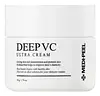
This brightening moisturizer is formulated around Butyrospermum Parkii Butter and Niacinamide to brighten dull-looking skin and hydrate skin.
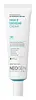
This anti-aging moisturizer is formulated around Niacinamide and Adenosine to soften the look of wrinkles and strengthen the skin barrier.

What's inside
What's inside
 Key Ingredients
Benefits
Concerns
Ingredients Side-by-side
Water
Skin ConditioningDipropylene Glycol
HumectantHydrogenated Polydecene
EmollientButyrospermum Parkii Butter
Skin Conditioning






Cetyl Ethylhexanoate
EmollientGlycerin
Humectant
Cyclopentasiloxane
Emollient
Dipentaerythrityl Hexa C5-9 Acid Esters
Skin Conditioning1,2-Hexanediol
Skin Conditioning
Niacinamide
Smoothing









Panthenol
Skin Conditioning
Methyl Gluceth-20
Humectant
Pentaerythrityl Tetraisostearate
Emollient
Triethylhexanoin
MaskingCetearyl Alcohol
Emollient

Glyceryl Glucoside
Humectant
Hydrolyzed Collagen
Emollient
Glyceryl Stearate Se
Emulsifying
Dimethicone
Emollient
Cetearyl Olivate
C14-22 Alcohols
Emulsion Stabilising
Glyceryl Stearate
Emollient
PEG-100 Stearate
Surfactant
Sorbitan Olivate
Emulsifying
Squalane
Emollient
Palmitic Acid
Emollient
Stearic Acid
Cleansing
Ammonium Acryloyldimethyltaurate/Vp Copolymer
C12-20 Alkyl Glucoside
EmulsifyingCitrus Paradisi Seed Oil
Perfuming

Xanthan Gum
EmulsifyingCarbomer
Emulsion StabilisingTromethamine
BufferingHydrogenated Lecithin
Emulsifying
Adenosine
Skin Conditioning
Propanediol
Solvent
Sodium Hyaluronate
Humectant
Sodium Polyacrylate Starch
AbsorbentMagnolia Officinalis Bark Extract
Antimicrobial
Sodium Hyaluronate Crosspolymer
Humectant
Ceramide NP
Skin Conditioning
Hydrolyzed Glycosaminoglycans
HumectantButylene Glycol
Humectant
Lactobacillus/Rye Flour Ferment
Skin ConditioningLactobacillus/Soymilk Ferment Filtrate
Skin ConditioningBacillus/Soybean Ferment Extract
Skin ConditioningMaltodextrin
Absorbent
Calcium Pantothenate
Sodium Starch Octenylsuccinate
AbsorbentBenzyl Glycol
SolventGlycereth-20
HumectantSodium Ascorbyl Phosphate
Antioxidant

PEG-10 Rapeseed Sterol
CleansingFructan
Skin ConditioningHydrolyzed Hyaluronic Acid
Humectant
Pyridoxine Hcl
Skin ConditioningTocopheryl Acetate
Antioxidant
Ethylhexylglycerin
Skin ConditioningSilica
Abrasive
Hyaluronic Acid
Humectant
Folic Acid
Skin ConditioningPantothenic Acid
Skin ConditioningPyridoxine
Skin ConditioningRaspberry Ketone
Masking
Thiamine Hcl
MaskingRiboflavin
Cosmetic ColorantCyanocobalamin
Skin ConditioningCI 19140
Cosmetic ColorantCI 15985
Cosmetic ColorantLimonene
Perfuming

Water, Dipropylene Glycol, Hydrogenated Polydecene, Butyrospermum Parkii Butter, Cetyl Ethylhexanoate, Glycerin, Cyclopentasiloxane, Dipentaerythrityl Hexa C5-9 Acid Esters, 1,2-Hexanediol, Niacinamide, Panthenol, Methyl Gluceth-20, Pentaerythrityl Tetraisostearate, Triethylhexanoin, Cetearyl Alcohol, Glyceryl Glucoside, Hydrolyzed Collagen, Glyceryl Stearate Se, Dimethicone, Cetearyl Olivate, C14-22 Alcohols, Glyceryl Stearate, PEG-100 Stearate, Sorbitan Olivate, Squalane, Palmitic Acid, Stearic Acid, Ammonium Acryloyldimethyltaurate/Vp Copolymer, C12-20 Alkyl Glucoside, Citrus Paradisi Seed Oil, Xanthan Gum, Carbomer, Tromethamine, Hydrogenated Lecithin, Adenosine, Propanediol, Sodium Hyaluronate, Sodium Polyacrylate Starch, Magnolia Officinalis Bark Extract, Sodium Hyaluronate Crosspolymer, Ceramide NP, Hydrolyzed Glycosaminoglycans, Butylene Glycol, Lactobacillus/Rye Flour Ferment, Lactobacillus/Soymilk Ferment Filtrate, Bacillus/Soybean Ferment Extract, Maltodextrin, Calcium Pantothenate, Sodium Starch Octenylsuccinate, Benzyl Glycol, Glycereth-20, Sodium Ascorbyl Phosphate, PEG-10 Rapeseed Sterol, Fructan, Hydrolyzed Hyaluronic Acid, Pyridoxine Hcl, Tocopheryl Acetate, Ethylhexylglycerin, Silica, Hyaluronic Acid, Folic Acid, Pantothenic Acid, Pyridoxine, Raspberry Ketone, Thiamine Hcl, Riboflavin, Cyanocobalamin, CI 19140, CI 15985, Limonene
Water
Skin ConditioningGlycerin
Humectant
Propanediol
Solvent
Butylene Glycol
Humectant
Niacinamide
Smoothing
Isononyl Isononanoate
Emollient1,2-Hexanediol
Skin Conditioning
C13-16 Isoalkane
SolventAmmonium Acryloyldimethyltaurate/Vp Copolymer
Cetearyl Olivate
Heptyl Undecylenate
EmollientSorbitan Olivate
Emulsifying
Xanthan Gum
EmulsifyingAcrylates/C10-30 Alkyl Acrylate Crosspolymer
Emulsion StabilisingEthylhexylglycerin
Skin ConditioningGlyceryl Acrylate/Acrylic Acid Copolymer
HumectantAdenosine
Skin Conditioning
Tromethamine
BufferingDextrin
AbsorbentTheobroma Cacao Extract
Skin ConditioningCentella Asiatica Leaf Extract
Skin Conditioning
Sodium PCA
Humectant
Sodium Lactate
Buffering
Maltodextrin
Absorbent
Ascorbic Acid
Antioxidant
Magnesium Ascorbyl Phosphate
Antioxidant
Ascorbyl Tetraisopalmitate
Antioxidant
Ferulic Acid
Antimicrobial
Palmitoyl Isoleucine
Skin ProtectingArginine
Masking
Aspartic Acid
Masking
PCA
Humectant
Hydrogenated Lecithin
Emulsifying
Sodium Starch Octenylsuccinate
AbsorbentCaprylic/Capric Triglyceride
Masking
Polyglyceryl-10 Laurate
Skin Conditioning
Calcium Pantothenate
Glycine
Buffering
Alanine
Masking
Sodium Ascorbyl Phosphate
Antioxidant
Lecithin
Emollient
Panthenol
Skin Conditioning
Polysorbate 20
Emulsifying
Palmitic Acid
Emollient
Serine
Masking
Valine
MaskingResveratrol
Antioxidant
Caprylyl Glycol
Emollient
Isoleucine
Skin ConditioningThreonine
Proline
Skin Conditioning
Gardenia Florida Fruit Extract
Skin ConditioningSodium Polyphosphate
ChelatingTocopheryl Acetate
Antioxidant
Pyridoxine Hcl
Skin ConditioningPhenylalanine
Masking
Histidine
Humectant
Sodium Ascorbate
Antioxidant
Palmitoyl Tripeptide-5
Skin Conditioning
Glucose
Humectant
Dipeptide Diaminobutyroyl Benzylamide Diacetate
Skin Conditioning
Tricalcium Phosphate
Abrasive
Disodium EDTA
ChelatingSodium Hyaluronate
Humectant
Silica
Abrasive
Copper Tripeptide-1
Skin Conditioning
Chondrus Crispus Extract
Skin Conditioning
Biotin
AntiseborrhoeicPyridoxine
Skin ConditioningFolic Acid
Skin ConditioningHydroxypropyltrimonium Hyaluronate
Cyanocobalamin
Skin ConditioningTocopherol
Antioxidant
Tripeptide-1
Skin Conditioning
Hydrolyzed Hyaluronic Acid
Humectant
Sodium Acetylated Hyaluronate
Humectant
Riboflavin
Cosmetic ColorantThiamine Hcl
MaskingPalmitoyl Tripeptide-1
Skin Conditioning
Linoleic Acid
Cleansing
Tripeptide-2
Skin Conditioning
Hexapeptide-11
Skin Conditioning
Beta-Carotene
Skin ConditioningAcetyl Hexapeptide-8
Humectant
Palmitoyl Tetrapeptide-7
Skin Conditioning
Palmitoyl Pentapeptide-4
Skin Conditioning
Hyaluronic Acid
Humectant
Hexapeptide-9
Skin Conditioning
Nonapeptide-1
Skin Conditioning
Sodium Hyaluronate Crosspolymer
Humectant
Hydrolyzed Sodium Hyaluronate
Skin Conditioning
Potassium Hyaluronate
Skin ConditioningWater, Glycerin, Propanediol, Butylene Glycol, Niacinamide, Isononyl Isononanoate, 1,2-Hexanediol, C13-16 Isoalkane, Ammonium Acryloyldimethyltaurate/Vp Copolymer, Cetearyl Olivate, Heptyl Undecylenate, Sorbitan Olivate, Xanthan Gum, Acrylates/C10-30 Alkyl Acrylate Crosspolymer, Ethylhexylglycerin, Glyceryl Acrylate/Acrylic Acid Copolymer, Adenosine, Tromethamine, Dextrin, Theobroma Cacao Extract, Centella Asiatica Leaf Extract, Sodium PCA, Sodium Lactate, Maltodextrin, Ascorbic Acid, Magnesium Ascorbyl Phosphate, Ascorbyl Tetraisopalmitate, Ferulic Acid, Palmitoyl Isoleucine, Arginine, Aspartic Acid, PCA, Hydrogenated Lecithin, Sodium Starch Octenylsuccinate, Caprylic/Capric Triglyceride, Polyglyceryl-10 Laurate, Calcium Pantothenate, Glycine, Alanine, Sodium Ascorbyl Phosphate, Lecithin, Panthenol, Polysorbate 20, Palmitic Acid, Serine, Valine, Resveratrol, Caprylyl Glycol, Isoleucine, Threonine, Proline, Gardenia Florida Fruit Extract, Sodium Polyphosphate, Tocopheryl Acetate, Pyridoxine Hcl, Phenylalanine, Histidine, Sodium Ascorbate, Palmitoyl Tripeptide-5, Glucose, Dipeptide Diaminobutyroyl Benzylamide Diacetate, Tricalcium Phosphate, Disodium EDTA, Sodium Hyaluronate, Silica, Copper Tripeptide-1, Chondrus Crispus Extract, Biotin, Pyridoxine, Folic Acid, Hydroxypropyltrimonium Hyaluronate, Cyanocobalamin, Tocopherol, Tripeptide-1, Hydrolyzed Hyaluronic Acid, Sodium Acetylated Hyaluronate, Riboflavin, Thiamine Hcl, Palmitoyl Tripeptide-1, Linoleic Acid, Tripeptide-2, Hexapeptide-11, Beta-Carotene, Acetyl Hexapeptide-8, Palmitoyl Tetrapeptide-7, Palmitoyl Pentapeptide-4, Hyaluronic Acid, Hexapeptide-9, Nonapeptide-1, Sodium Hyaluronate Crosspolymer, Hydrolyzed Sodium Hyaluronate, Potassium Hyaluronate
Reviews
Ingredients Explained
These ingredients are found in both products.
Ingredients higher up in an ingredient list are typically present in a larger amount.
1,2-Hexanediol is a synthetic liquid and another multi-functional powerhouse.
It is a:
- Humectant, drawing moisture into the skin
- Emollient, helping to soften skin
- Solvent, dispersing and stabilizing formulas
- Preservative booster, enhancing the antimicrobial activity of other preservatives
Adenosine is a purine nucleoside that your body already makes in every cell. In skincare, it acts mainly as a skin conditioning and anti-aging agent.
The way it works is fairly well mapped out:
Your skin has cells called fibroblasts that build collagen (the stuff that keeps skin firm and smooth). Adenosine basically flips a switch on these cells that tells them to get to work making more collagen and other proteins. These cells slow down on their own as skin ages, so Adenosine helps give them a little nudge to keep going.
The clinical backing is pretty solid too.
A blind, randomized, placebo-controlled trial of 126 women aged 45-65 tested a 0.1% cream twice daily and found real improvements in crow's feet and frown lines using a precise 3D skin-mapping technique; these changes showed up by week 3 and held at 2 months.
A later study using Adenosine-loaded dissolving microneedle patches reported gains in wrinkle depth, dermal density, elasticity, and hydration.
On concentrations, South Korea's Ministry of Food and Drug Safety has set 0.04% as the approved functional anti-wrinkle level. You'll typically see this ingredient used somewhere in the 0.04-0.1% range since it works at low doses.
This ingredient has been found safe for cosmetics with the data showing no irritation or sensitization.
Overall, this is a great ingredient for any anti-aging routine and has no photosensitizing effect, so it suits both AM and PM use.
Learn more about AdenosineAmmonium Acryloyldimethyltaurate/Vp Copolymer is a synthetically created polymer. It's used as a film-forming agent and used to thicken the consistency of products.
Think of it as a supportive ingredient that helps your gel-creams feel silky, "cloud cream-like", and spread evenly without being greasy.
The Cosmetic Ingredient Review (CIR) Expert Panel evaluated it (along with 22 other acryloyldimethyltaurate polymers) and concluded it's:
Due to its large molecular size, it sits on the surface of skin rather than penetrating it.
Learn more about Ammonium Acryloyldimethyltaurate/Vp CopolymerButylene Glycol (or BG) is used within cosmetic products for a few different reasons:
Overall, Butylene Glycol is a safe and well-rounded ingredient that works well with other ingredients.
Though this ingredient works well with most skin types, some people with sensitive skin may experience a reaction such as allergic rashes, closed comedones, or itchiness.
Learn more about Butylene GlycolCalcium Pantothenate is calcium salt from Vitamin B5. It can be naturally found in plants and animals.
Calcium Pantothenate is a potent antioxidant. Antioxidants help fight free-radical molecules. Free-radical molecules are capable of damaging our cells and other genetic material. Antioxidants help stabilize free-radicals by donating extra electrons. This may help reduce the signs of aging.
Our bodies use Calcium Pantothenate for various metabolic functinos. These functions include metabolizing carbohydrates, proteins, and fatty acids.
Learn more about Calcium PantothenateCetearyl Olivate is a plant-derived emulsifier and texture enhancer. It helps keep the oil and water phases from separating so your formulas stay stable.
You'll likely see it combined with Sorbitan Olivate (together sold as the trade name Olivem 1000). This combination generates a liquid crystal structure that closely resemble the lipid organization of the stratum corneum.
These "skin-like" liquid crystals improve skin barrier integrity and promote the delivery of actives into the skin.
This ingredient is well-tolerated and has no significant sensitization data.
Because it is derived from the fatty acids in olive oil, this ingredient may not be fungal acne safe.
Learn more about Cetearyl OlivateCyanocobalamin is the manufactured version of vitamin B12. It has skin soothing, antioxidant, and barrier protecting properties. Topical cyanocobalamin is used to treat skin irritation and atopic dermatitis.
Ethylhexylglycerin is created from glycerin. It is a multitasker ingredient that:
The CIR Expert Panel found minimal skin absorption or sensitization of any kind in a safety assessment. Though this ingredient is considered well-tolerated, a small number of cases of allergic dermatitis have been published since 2002. Just be sure to patch test if you are unsure.
Industry-reported use ranges from 8% in rinse-off products and 2% in leave-on formulations.
Learn more about EthylhexylglycerinFolic acid is a form of Vitamin B9. Our bodies use folic acid for creating new cells and for DNA repair.
Folic acid is an antioxidant, making it an effective skin repair ingredient.
In vivo studies show folic acid to decrease UV-C induced DNA damage on human fibroblasts. This is because folic acid is effective at rejoining breaks in the fibroblast DNA. It is believed folic acid may play a role in reducing UV-B damage as well. While the mechanisms are unknown, it is believed folic acid plays a role in disrupting the DNA damage process.
Studies show using moisturizers rich in folic acid led to increased hydration of the skin. Hydrated skin is essential for collagen and elastin, or for keeping skin plump. One study found a reduction in wrinkles from using folic acid creams.
Foods rich in folic acid include leafy vegetables, beans, peanuts, fresh fruit, and eggs.
Learn more about Folic AcidGlycerin (or glycerol) is a compound naturally found in your skin. It's a powerhouse humectant that pulls water into the stratum corneum.
Topically, glycerin does several things at once:
Your skin makes glycerin on its own (mostly from sebaceous oil breakdown) and shuttles it to your outermost layer of skin, or your epidermis, via aquaporin-3.
Aquaporin-3 is a transporter that is essential for normal skin hydration, elasticity, and repair. Interestingly, mice lacking in AQP3 have dry and less elastic skin that can be fully corrected with glycerin.
This ingredient is non-irritating, plays well with almost every ingredient, and works across all skin types. Typical use is anywhere between 3-10% but can go up to 79% in some leave-on products.
Just know very high concentrations (>40%) can feel tacky in low humidity.
Glycerin is the name for this ingredient in American English. British English uses Glycerol/Glycerine.
Learn more about GlycerinHyaluronic acid (HA) is a glycosaminoglycan (basically a long sugar chain) that your skin already makes on its own. In your skin, HA lives in the extracellular matrix and acts as the body's moisture reservoir.
Topically, HA is a humectant that binds water and helps skin look more plump, smooth, and hydrated.
The only catch is that HA isn't a single thing; it actually comes in a wide range of molecular weights (~50 - 2,000+ kDA) and size matters.
Some clinical evidence links low molecular weight versions to improved wrinkle depth, elasticity, anti-inflammatory effects, and barrier repair.
This is why the best HA serums blend the two sizes together so you get the best of both worlds.
The majority of cosmetic HA is produced by bacterial fermentation, typically using Streptococcus or Bacillus strains. Typical use levels in skincare sit around 0.1-2%.
A clinical study using a 0.2% low-molecular weight HA gel showed improvement in facial seborrheic dermatitis with excellent tolerance.
These are some other common types of Hyaluronic Acid:
Learn more about Hyaluronic AcidHydrogenated Lecithin is a more stable version of lecithin.
It's made by taking lecithin (a phospholipid commonly found in soybeans and egg yolks) and hydrogenating it. This just means the unsaturated fatty acids are turned into saturated ones so they don't go bad as easily.
This ingredient is an emollient, emulsifier, and penetration enhancer. As an emollient, it helps soften and hydrate skin by trapping moisture within. As an emulsifier, it prevents oil and water ingredients from separating.
Hydrogenated Lecithin can form tiny spherical structures made of phospholipid bilayers called liposomes. These liposomes are able to capture compounds inside their structure and deliver them through the skin barrier.
Because phospholipids are a natural component of our cell membranes, this ingredient is inherently compatible with skin.
A 2021 study found lecithin-based surfactants were less harsh and more tolerable comared to Sodium Lauryl Sulfate (SLS).
Learn more about Hydrogenated LecithinHydrolyzed Hyaluronic Acid is hyaluronic acid (HA) that is broken down into lower molecular weight fragments.
It's a humectant that pulls and holds water in the skin to help with hydration, plumpness, and reduce transepidermal water loss.
Because hydrolyzed hyaluronic acid is smaller in size, it can slip past your outermost layer of skin more easily than full-sized HA.
Most formulations will combine all sizes to get the best of both worlds.
Typical usage levels range from 0.01-1%. Any percentage higher than 2% might become goopy and tacky.
Learn more about Hydrolyzed Hyaluronic AcidMaltodextrin is a plant-derived carbohydrate made by breaking down starch (usually from corn, potato, or rice). In cosmetic formulas, it's a multitasking absorbent, emulsion stabilizer, and skin conditioner.
This ingredient is mostly used to stabilize emulsions and improve the powdery, non-greasy feel of products (like dry shampoos).
Safety-wise, this ingredient is pretty solid; it's even recognized as a food additive. Both animal and clinical studies found no adverse effects at the levels used in cosmetics.
Industry data shows this ingredient is used up to 45.7% in spray products and up to 33% in powder products.
Learn more about MaltodextrinNiacinamide is a multitasking form of vitamin B3 that strengthens the skin barrier, reduces pores and dark spots, regulates oil, and improves signs of aging.
And the best part? It's gentle and well-tolerated by most skin types, including sensitive and reactive skin.
You might have heard of "niacin flush", or the reddening of skin that causes itchiness. Niacinamide has not been found to cause this.
In very rare cases, some individuals may not be able to tolerate niacinamide at all or experience an allergic reaction to it.
If you are experiencing flaking, irritation, and dryness with this ingredient, be sure to double check all your products as this ingredient can be found in all categories of skincare.
When incorporating niacinamide into your routine, look out for concentration amounts. Typically, 5% niacinamide provides benefits such as fading dark spots. However, if you have sensitive skin, it is better to begin with a smaller concentration.
When you apply niacinamide to your skin, your body converts it into nicotinamide adenine dinucleotide (NAD). NAD is an essential coenzyme that is already found in your cells as "fuel" and powers countless biological processes.
In your skin, NAD helps repair cell damage, produce new healthy cells, support collagen production, strengthen the skin barrier, and fight environmental stressors (like UV and pollution).
Our natural NAD levels start to decline with age, leading to slower skin repair, visible aging, and a weaker skin barrier. By providing your skin niacinamide, you're recharging your skin's NAD levels. This leads to stronger, healthier, and younger looking skin.
Another name for vitamin B3 is nicotinamide. This vitamin is water-soluble and our bodies don't store it. We obtain Vitamin B3 from either food or skincare. Meat, fish, wheat, yeast, and leafy greens contain vitamin B3.
The type of niacinamide used in skincare is synthetically created.
Learn more about NiacinamidePalmitic Acid is a fatty acid naturally found in our skin and in many plant and animal sources.
In cosmetics, it is usually derived from palm oil. It serves many purposes in skincare, acting as a cleanser, emollient, and emulsifier.
Interestingly, topically applied Palmitic Acid can be elongated into longer chain fatty acids and ceramides. A 2019 study found low levels of Palmitic Acid lead to slower development of cells, suggesting it plays a role in keeping your skin's renewal process on track.
The CIR (Cosmetic Ingredient Review) panel determined it safe as used in cosmetics at concentrations up to 13%. It is non-irritating and non-sensitizing in clinical studies.
The culprit behind fungal acne, the Malassezia yeast, feeds on fatty acids with carbon chain lengths between C11-C24. Palmitic Acid, at C16, falls right into that sweet spot.
In vitro studies have shown that Palmitic Acid is one of the fatty acids that induce rapid Malassezia growth in lab settings.
It's worth noting that what feeds yeast in a lab doesn't necessarily feed it on your face since formulation and your skin's chemistry play a bigger role.
This ingredient does have a comedogenic rating of 2, but this doesn't mean a formula with this ingredient will clog pores.
Human testing has proved that any finished product with a comedogenic ingredient won't automatically make you break out; it really comes down to concentration, formula, and your skin.
Learn more about Palmitic AcidPanthenol is a common ingredient that helps hydrate and soothe the skin. It is found naturally in our skin and hair.
There are two forms of panthenol: D and L.
D-panthenol is also known as dexpanthenol. Most cosmetics use dexpanthenol or a mixture of D and L-panthenol.
Panthenol is famous due to its ability to go deeper into the skin's layers. Using this ingredient has numerous pros (and no cons):
Like hyaluronic acid, panthenol is a humectant. Humectants are able to bind and hold large amounts of water to keep skin hydrated.
This ingredient works well for wound healing. It works by increasing tissue in the wound and helps close open wounds.
Once oxidized, panthenol converts to pantothenic acid. Panthothenic acid is found in all living cells.
This ingredient is also referred to as pro-vitamin B5.
Learn more about PanthenolPropanediol is an all-star ingredient. It softens, hydrates, and smooths the skin.
It’s often used to:
Propanediol is not likely to cause sensitivity and considered safe to use. It is derived from corn or petroleum with a clear color and no scent.
Learn more about PropanediolWe don't have a description for Pyridoxine yet.
Pyridoxine hydrochloride, also known as vitamin B6, has skin conditioning properties. According to a manufacturer, this ingredient is an effective anti-dandruff treatment as it reduces sebum levels and oily spots.
Riboflavin is Vitamin B2. Our bodies use riboflavin in the creation of skin, digestive tract lining, and blood cells.
Riboflavin is naturally found in Royal Jelly.
Foods rich in riboflavin include eggs, milk, organ meat, cheese, and yogurt.
Learn more about other types of Vitamin B:
Learn more about RiboflavinSilica, also known as silicon dioxide, is a naturally occurring mineral. It is used as a fine, spherical, and porous powder in cosmetics.
Though it has exfoliant properties, the function of silica varies depending on the product.
The unique structure of silica enhances the spreadability and adds smoothness, making it a great texture enhancer.
It is also used as an active carrier, emulsifier, and mattifier due to its ability to absorb excess oil.
In some products, tiny microneedles called spicules are made from silica or hydrolyzed sponge. When you rub them in, they lightly polish away dead skin layers and enhance the penetration of active ingredients.
Learn more about SilicaSodium Ascorbyl Phosphate (SAP) is a water-soluble form of Vitamin C. It is the salt of ascorbic acid.
This ingredient is commonly used in skincare because it's more formulation-stable while still offering the same benefits as pure ascorbic acid. Ascorbic acid is notorious for breaking down when exposed to sunlight and oxygen whereas SAP has been shown to be more stable.
Studies show SAP has anti-acne and antioxidant benefits. One study found 5% of SAP lotion to be an effective ingredient for treating acne vulgaris. This is because research shows that SAP may help control acne by reducing acne-causing bacteria and slowing the oxidation of skin oils caused by UV exposure.
In addition to acne, vitamin C is important for skin structure. Lab studies suggest SAP may support collagen production in skin cells, making it a great ingredient in anti-aging routines.
Vitamin C has many benefits: it helps reduce redness, improve skin texture, fade the appearance of dark spots, and brighten the skin.
Read more about other types of Vitamin C:
Learn more about Sodium Ascorbyl PhosphateSodium Hyaluronate is the salt form of hyaluronic acid. It is a long sugar chain that is naturally found in your skin, joints, and connective tissue that maintains hydration and elasticity.
In skincare, it works as a humectant. It pulls water from the environment and deeper layers of skin and binds it to the surface.
Interestingly, the size of the molecule affects its behavior:
Some clinical evidence links low molecular weight versions to improved wrinkle depth, elasticity, anti-inflammatory effects, and barrier repair.
Many serums use a blend of both weights so you can get surface hydration plus longer-lasting and deeper effects.
You'll typically see concentrations between 0.1-2% for this ingredient.
Learn more about Sodium HyaluronateSodium Hyaluronate Crosspolymer is a crosslinked version of sodium hyaluronate. This just means it's linked into a 3D mesh network that lets it be more stable and sit on skin as a cohesive, gel-like film rather than sinking into skin.
A 2016 human skin study found crosslinked HA increased epidermal water content by 7.6% over the control group and reduced transepidermal water loss by 27.8%.
A follow-up clinical trial found that a topical crosslinked HA serum applied after fillers, microneedling, or chemical peels was well-tolerated and enhanced skin quality at 14 / 28 days.
More recent research suggests that concentrations as low as 0.03% can act as a penetration enhancer for other skincare actives.
Learn more about Sodium Hyaluronate CrosspolymerWe don't have a description for Sodium Starch Octenylsuccinate yet.
Sorbitan Olivate is created from the fatty acids in olive oil and sorbitol.
This ingredient is an oil in water emulsifier. It helps stabilize a product by preventing oils and waters from separating. Sorbitan Olivate also helps hydrate the skin.
This ingredient is also known as part of Olivem 1000, with Cetearyl Olivate being the other part.
According to a manufacturer, this ingredient helps preserve the natural microbiome of skin. Having a healthy microbiome helps keep our skin healthy and protects against harmful bacteria.
Please note, having a healthy microbiome is different from fungal acne; a healthy microbiome includes small amounts of yeast that normally live on your skin without causing problems.
Fungal acne happens when one type of yeast (Malassezia) grows out of control. This is usually because it's feeding on certain oils or fatty acids. Due to the olive oil base, this ingredient may not be fungal acne safe.
Learn more about Sorbitan OlivateThiamine Hcl is Vitamin B1. The HCL stands for hydrochloride. Thiamine HCL is created using thiamine chloride and hydrochloric acid.
Our bodies use Thiamine HCL for aerobic metabolism, cell growth, and transmission of nerve impulses.
Learn more about Vitamin B in skincare:
Learn more about Thiamine HclTocopheryl Acetate is a stable, shelf-friendly form of vitamin E.
Formulators love it because plain vitamin E oxidizes quickly once it hits air. This acetate version stays stable and resists going off, helping to extend a product's shelf life.
It's actually inactive on its own and works like a slow-release "storage" form; the enzymes in your skin called esterases gradually convert it into active vitamin E over time.
One in vivo study showed 5% of the acetate in the living layer of the epidermis converted to vitamin E after 5 days of application. This study also found the skin gained protection against UV damage even though the conversion was slow and small.
Once converted, vitamin E acts as a skin's main fat-soluble antioxidant that fights free radicals to protect skin from damage.
Topical vitamin E generally boosts the skin's photoprotection, and it reduced UV-damage in animal models.
This ingredient has some brightening potential but it's more of a prevention ingredient than spot-fader. Cell studies show it can slow down melanin production but it's worth noting that it's not the most powerful brightener out there.
Overall, it has a pretty solid safety profile and has been found to be non-irritating and non-comedogenic. Allergic reactions may happen but stay rare due to how widely the ingredient gets used.
The concentration will vary depending on the formula; industry data shows 0.1% in baby lotions, 3% in lipsticks, and 5% in foot powders. You can also find this ingredient at 100% in a pure vitamin E oil.
Most leave-on skincare keeps it at the lower end, often between 0.5-1%.
Learn more about Tocopheryl AcetateTromethamine (aka THAM) is a synthetic amino acid that shows up in skincare as a helper ingredient.
It functions as a pH adjuster to help neutralize acidic ingredients and set a formula's pH to the right spot.
This matters a lot because a lot of actives (like vitamin C) needs a specific pH to work well and feel comfortable on skin.
Concentration use ranges from 0.1-1.0% depending on the formula.
Learn more about TromethamineWater. It's the most common cosmetic ingredient of all. You'll usually see it at the top of ingredient lists, meaning that it makes up the largest part of the product.
So why is it so popular? Water most often acts as a solvent - this means that it helps dissolve other ingredients into the formulation.
You'll also recognize water as that liquid we all need to stay alive. If you see this, drink a glass of water. Remember to stay hydrated!
Learn more about WaterXanthan gum is used as a stabilizer and thickener within cosmetic products. It helps give products a sticky, thick feeling - preventing them from being too runny.
On the technical side of things, xanthan gum is a polysaccharide - a combination consisting of multiple sugar molecules bonded together.
Xanthan gum is a pretty common and great ingredient. It is a natural, non-toxic, non-irritating ingredient that is also commonly used in food products.
Learn more about Xanthan Gum

