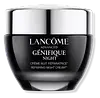
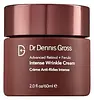
Lancôme Advanced Génifique Night Cream Versus Dr. Dennis Gross Skincare Advanced Retinol + Ferulic Intense Wrinkle Cream
This barrier-repair night moisturizer is formulated around Bifida Ferment Lysate and Ceramide NP to strengthen the skin barrier and soften the look of wrinkles.


What's inside
What's inside
 Key Ingredients
Benefits
Concerns
Ingredients Side-by-side
Water
Skin ConditioningBifida Ferment Lysate
Skin Conditioning



Glycerin
Humectant
Dicaprylyl Ether
Emollient
Pentylene Glycol
Skin Conditioning
Polyglyceryl-6 Distearate
Emulsifying

Propanediol
Solvent
Cetyl Esters
Emollient
Jojoba Esters
Emollient
Ammonium Polyacryloyldimethyl Taurate
Emulsion StabilisingBehenyl Alcohol
Emollient
Octyldodecanol
Emollient
Acacia Decurrens Flower Wax
Emollient
Helianthus Annuus Seed Wax
Skin Conditioning
Helianthus Annuus Seed Oil
Emollient
Polymnia Sonchifolia Root Juice
Skin ConditioningCeramide NP
Skin Conditioning

Alpha-Glucan Oligosaccharide
Cleansing
Sodium Hyaluronate
Humectant
Sodium Hydroxide
BufferingSodium Stearoyl Glutamate
CleansingSalicyloyl Phytosphingosine
Skin Conditioning2-Oleamido-1,3-Octadecanediol
Skin ConditioningAdenosine
Skin Conditioning
Mannose
HumectantCoco-Caprylate/Caprate
Emollient
Ascorbyl Glucoside
Antioxidant


Hydroxyacetophenone
Antioxidant
Hydroxypalmitoyl Sphinganine
Skin Conditioning
Hydroxypropyl Starch Phosphate
Capryloyl Salicylic Acid
Exfoliating




Trisodium Ethylenediamine Disuccinate
Lactic Acid
Buffering



Lactobacillus
Skin ConditioningAcetic Acid
BufferingMaltodextrin
Absorbent
Faex Extract
Skin ConditioningPolyglycerin-3
Humectant
Polyglyceryl-3 Beeswax
Emulsifying
Cetyl Alcohol
Emollient
Tocopherol
Antioxidant
Sodium Benzoate
Masking
Linalool
Perfuming

Limonene
Perfuming
Citronellol
Perfuming
Parfum
Masking
Water, Bifida Ferment Lysate, Glycerin, Dicaprylyl Ether, Pentylene Glycol, Polyglyceryl-6 Distearate, Propanediol, Cetyl Esters, Jojoba Esters, Ammonium Polyacryloyldimethyl Taurate, Behenyl Alcohol, Octyldodecanol, Acacia Decurrens Flower Wax, Helianthus Annuus Seed Wax, Helianthus Annuus Seed Oil, Polymnia Sonchifolia Root Juice, Ceramide NP, Alpha-Glucan Oligosaccharide, Sodium Hyaluronate, Sodium Hydroxide, Sodium Stearoyl Glutamate, Salicyloyl Phytosphingosine, 2-Oleamido-1,3-Octadecanediol, Adenosine, Mannose, Coco-Caprylate/Caprate, Ascorbyl Glucoside, Hydroxyacetophenone, Hydroxypalmitoyl Sphinganine, Hydroxypropyl Starch Phosphate, Capryloyl Salicylic Acid, Trisodium Ethylenediamine Disuccinate, Lactic Acid, Lactobacillus, Acetic Acid, Maltodextrin, Faex Extract, Polyglycerin-3, Polyglyceryl-3 Beeswax, Cetyl Alcohol, Tocopherol, Sodium Benzoate, Linalool, Limonene, Citronellol, Parfum
Water
Skin ConditioningMethyl Glucose Sesquistearate
Emollient
Glycerin
Humectant
Diisostearyl Malate
EmollientCaprylyl Caprylate/Caprate
Emollient
Cetearyl Alcohol
Emollient

Butyrospermum Parkii Butter
Skin Conditioning
Dimethicone
Emollient
Propylene Glycol
Humectant
Caprylic/Capric Triglyceride
Masking
Cetyl Alcohol
Emollient
Bakuchiol
Antimicrobial
Retinol
Skin Conditioning
Ferulic Acid
Antimicrobial
Nephelium Lappaceum Leaf Extract
Skin ConditioningSodium Hyaluronate
Humectant
Squalane
Emollient
Oenothera Biennis Oil
Emollient
Ceramide Ng
Skin Conditioning
Emblica Officinalis Fruit Extract
Skin ConditioningSilybum Marianum Extract
Skin Conditioning
Prunus Amygdalus Dulcis Oil
Skin Conditioning
Jojoba Esters
Emollient
Soy Isoflavones
Skin ConditioningPhospholipids
Skin Conditioning
Saccharide Isomerate
Humectant
Hippophae Rhamnoides Fruit Oil
Skin Protecting
Centella Asiatica Extract
Cleansing
Ursolic Acid
MaskingAdenosine
Skin Conditioning
Camellia Japonica Seed Oil
Emollient
Helianthus Annuus Seed Oil
Emollient
Arnica Montana Flower Extract
Masking
Salix Alba Bark Extract
Astringent
Pyrus Malus Fruit Extract
Skin Conditioning
Hydrolyzed Sodium Hyaluronate
Skin Conditioning
Sodium Hyaluronate Crosspolymer
Humectant
Glycine Soja Oil
Emollient
Tocopherol
Antioxidant
Sodium Acetylated Hyaluronate
Humectant
Lactic Acid
Buffering
Hydrolyzed Soy Protein
Humectant
Pentylene Glycol
Skin Conditioning
Sodium Stearoyl Glutamate
CleansingEthylhexylglycerin
Skin ConditioningButylene Glycol
Humectant
Tetrahydropiperine
Skin ConditioningPolyglyceryl-4 Oleate
Emulsifying
Ethylhexyl Olivate
Skin Conditioning
Glyceryl Stearate Citrate
Emollient
Glyceryl Caprylate
EmollientMaltodextrin
Absorbent
Sodium Acrylates Copolymer
Sodium Phytate
Citric Acid
Buffering
Sodium Citrate
BufferingIlomastat
Skin ConditioningCitrus Limon Peel Extract
EmollientCitrus Aurantium Bergamia Fruit Extract
Skin ConditioningLavandula Angustifolia Flower/Leaf/Stem Extract
Masking
Phenoxyethanol
Preservative
Benzyl Alcohol
Perfuming
Sodium Benzoate
Masking
Potassium Sorbate
Preservative
Water, Methyl Glucose Sesquistearate, Glycerin, Diisostearyl Malate, Caprylyl Caprylate/Caprate, Cetearyl Alcohol, Butyrospermum Parkii Butter, Dimethicone, Propylene Glycol, Caprylic/Capric Triglyceride, Cetyl Alcohol, Bakuchiol, Retinol, Ferulic Acid, Nephelium Lappaceum Leaf Extract, Sodium Hyaluronate, Squalane, Oenothera Biennis Oil, Ceramide Ng, Emblica Officinalis Fruit Extract, Silybum Marianum Extract, Prunus Amygdalus Dulcis Oil, Jojoba Esters, Soy Isoflavones, Phospholipids, Saccharide Isomerate, Hippophae Rhamnoides Fruit Oil, Centella Asiatica Extract, Ursolic Acid, Adenosine, Camellia Japonica Seed Oil, Helianthus Annuus Seed Oil, Arnica Montana Flower Extract, Salix Alba Bark Extract, Pyrus Malus Fruit Extract, Hydrolyzed Sodium Hyaluronate, Sodium Hyaluronate Crosspolymer, Glycine Soja Oil, Tocopherol, Sodium Acetylated Hyaluronate, Lactic Acid, Hydrolyzed Soy Protein, Pentylene Glycol, Sodium Stearoyl Glutamate, Ethylhexylglycerin, Butylene Glycol, Tetrahydropiperine, Polyglyceryl-4 Oleate, Ethylhexyl Olivate, Glyceryl Stearate Citrate, Glyceryl Caprylate, Maltodextrin, Sodium Acrylates Copolymer, Sodium Phytate, Citric Acid, Sodium Citrate, Ilomastat, Citrus Limon Peel Extract, Citrus Aurantium Bergamia Fruit Extract, Lavandula Angustifolia Flower/Leaf/Stem Extract, Phenoxyethanol, Benzyl Alcohol, Sodium Benzoate, Potassium Sorbate
Ingredients Explained
These ingredients are found in both products.
Ingredients higher up in an ingredient list are typically present in a larger amount.
Adenosine is a purine nucleoside that your body already makes in every cell. In skincare, it acts mainly as a skin conditioning and anti-aging agent.
The way it works is fairly well mapped out:
Your skin has cells called fibroblasts that build collagen (the stuff that keeps skin firm and smooth). Adenosine basically flips a switch on these cells that tells them to get to work making more collagen and other proteins. These cells slow down on their own as skin ages, so Adenosine helps give them a little nudge to keep going.
The clinical backing is pretty solid too.
A blind, randomized, placebo-controlled trial of 126 women aged 45-65 tested a 0.1% cream twice daily and found real improvements in crow's feet and frown lines using a precise 3D skin-mapping technique; these changes showed up by week 3 and held at 2 months.
A later study using Adenosine-loaded dissolving microneedle patches reported gains in wrinkle depth, dermal density, elasticity, and hydration.
On concentrations, South Korea's Ministry of Food and Drug Safety has set 0.04% as the approved functional anti-wrinkle level. You'll typically see this ingredient used somewhere in the 0.04-0.1% range since it works at low doses.
This ingredient has been found safe for cosmetics with the data showing no irritation or sensitization.
Overall, this is a great ingredient for any anti-aging routine and has no photosensitizing effect, so it suits both AM and PM use.
Learn more about AdenosineCetyl Alcohol is a fatty alcohol. Fatty Alcohols are most often used as an emollient or to thicken a product.
Its main roles are:
Though it has "alcohol" in the name, it is not related to denatured alcohol or ethyl alcohol.
The FDA allows products labeled "alcohol-free" to have fatty alcohols.
This ingredient may not be fungal acne safe. It is a primary fatty alcohol with a chain length above 12 carbons. A study from 2019 show Malassezia can feed on fatty alcohols in this range, so it may trigger fungal acne in those prone to it.
Learn more about Cetyl AlcoholGlycerin (or glycerol) is a compound naturally found in your skin. It's a powerhouse humectant that pulls water into the stratum corneum.
Topically, glycerin does several things at once:
Your skin makes glycerin on its own (mostly from sebaceous oil breakdown) and shuttles it to your outermost layer of skin, or your epidermis, via aquaporin-3.
Aquaporin-3 is a transporter that is essential for normal skin hydration, elasticity, and repair. Interestingly, mice lacking in AQP3 have dry and less elastic skin that can be fully corrected with glycerin.
This ingredient is non-irritating, plays well with almost every ingredient, and works across all skin types. Typical use is anywhere between 3-10% but can go up to 79% in some leave-on products.
Just know very high concentrations (>40%) can feel tacky in low humidity.
Glycerin is the name for this ingredient in American English. British English uses Glycerol/Glycerine.
Learn more about GlycerinHelianthus Annuus Seed Oil is a plant oil derived from the seeds of a sunflower.
It is rich in fatty acids, primarily linoleic acid and oleic acid. This gives it emollient and skin conditioning properties.
The reason this ingredient is so effective is because it forms a thin film on the skin that reduces transepidermal water loss (TEWL) while supplying linoleic acid to the stratum corneum to improve barrier strength.
The high linoleic acid content is particularly noteworthy for acne-prone skin.
Research suggests that acne-prone skin tends to be deficient in linoleic acid in sebum. Topical application may help replenish this to support a healthier follicular environment and less comedone-promoting sebum.
One randomized study found sunflower seed oil preserved skin barrier integrity in adult volunteers with and without atopic dermatitis (outperforming olive oil).
This ingredient is well-studied, gentle, and an effective emollient suitable for most skin types.
On fungal acne: This ingredient may not be Fungal acne (Malassezia folliculitis) safe. This is because it contains fatty acids with carbon chain lengths in the C11-C24 range.
Learn more about Helianthus Annuus Seed OilJojoba Esters is a wax created from Jojoba oil. It is an emollient and film-forming ingredient. In bead form, it is an exfoliator.
This ingredient has high oxidative stability, meaning it doesn't break down when exposed to oxygen.
Its similarity to our skin's natural oils makes it a great emollient. Emollients help soften and soothe our skin by creating a barrier on top. This barrier helps trap moisture in, keeping skin hydrated.
It is created using either the hydrogenation or transesterification processes on jojoba oil.
Learn more about Jojoba EstersLactic Acid is another well-loved alpha hydroxy acid (AHA). It is gentler than glycolic acid but still highly effective.
Its main role is to exfoliate the surface of the skin by loosening the “glue” that holds dead skin cells together. Shedding those old cells leads to smoother, softer, and more even-toned skin.
Because lactic acid molecules are larger than glycolic acid, they don’t penetrate as deeply. This means they’re less likely to sting or irritate, making it a great choice for beginners or those with sensitive skin.
Like glycolic acid, it can:
Lactic acid also acts as a humectant (like hyaluronic acid). It can draw water into the skin to improve hydration and also plays a role in the skin's natural moisturizing factor (NMF) in the form of sodium lactate.
Studies show it can boost ceramide production to strengthen the skin barrier and even help balance the skin’s microbiome.
To get results, choose products with a pH between 3-4.
Lower strengths (5-12%) focus on surface exfoliation; higher strengths (12% and up) can reach deeper in the dermis (deeper, supportive layer) to improve skin texture and firmness over time.
Though it was originally derived from milk, most modern lactic acid used in skincare is vegan. It is made through non-dairy fermentation to create a bio-identical and stable form suitable for all formulations.
When lactic acid shows up near the end of an ingredient list, it usually means the brand added just a tiny amount to adjust the product’s pH.
Legend has it that Cleopatra used to bathe in sour milk to help reduce wrinkles.
Lactic acid is truly a gentle multitasker: it exfoliates, hydrates, strengthens, and brightens. It's a great ingredient for giving your skin a smooth, glowing, and healthy look without the harshness of stronger acids.
Read more about some other popular AHA's here:
Learn more about Lactic AcidMaltodextrin is a plant-derived carbohydrate made by breaking down starch (usually from corn, potato, or rice). In cosmetic formulas, it's a multitasking absorbent, emulsion stabilizer, and skin conditioner.
This ingredient is mostly used to stabilize emulsions and improve the powdery, non-greasy feel of products (like dry shampoos).
Safety-wise, this ingredient is pretty solid; it's even recognized as a food additive. Both animal and clinical studies found no adverse effects at the levels used in cosmetics.
Industry data shows this ingredient is used up to 45.7% in spray products and up to 33% in powder products.
Learn more about MaltodextrinPentylene Glycol (1,2-pentanediol) is a multitasking little diol with three main roles in a formula:
Research on alkanediols (the family pentylene glycol belongs to) show they work by disrupting microbial cell membranes. This disruption helps the primary preservative system in a product work more effectively at lower doses.
On the safety side, the Cosmetic Ingredient Review Expert Panel has concluded this ingredient to be safe as used in current cosmetic practices + concentrations.
Typical use levels in a formula run about 1-5%.
Learn more about Pentylene GlycolSodium Benzoate is a preservative. It's used in both cosmetic and food products to inhibit the growth of mold and bacteria. It is typically produced synthetically.
Both the US FDA and EU Health Committee have approved the use of sodium benzoate. In the US, levels of 0.1% (of the total product) are allowed.
Sodium benzoate works as a preservative by inhibiting the growth of bacteria inside of cells. It prevents the cell from fermenting a type of sugar using an enzyme called phosphofructokinase.
It is the salt of benzoic acid. Foods containing sodium benzoate include soda, salad dressings, condiments, fruit juices, wines, and snack foods.
Studies for using ascorbic acid and sodium benzoate in cosmetics are lacking, especially in skincare routines with multiple steps.
We always recommend speaking with a professional, such as a dermatologist, if you have any concerns.
Learn more about Sodium BenzoateSodium Hyaluronate is the salt form of hyaluronic acid. It is a long sugar chain that is naturally found in your skin, joints, and connective tissue that maintains hydration and elasticity.
In skincare, it works as a humectant. It pulls water from the environment and deeper layers of skin and binds it to the surface.
Interestingly, the size of the molecule affects its behavior:
Some clinical evidence links low molecular weight versions to improved wrinkle depth, elasticity, anti-inflammatory effects, and barrier repair.
Many serums use a blend of both weights so you can get surface hydration plus longer-lasting and deeper effects.
You'll typically see concentrations between 0.1-2% for this ingredient.
Learn more about Sodium HyaluronateSodium Stearoyl Glutamate is an amino-acid based emulsifier. It is made by combining stearic acid with L-glutamic acid and neutralizing it to a sodium salt.
As an emulsifier, it works mainly as an oil-in-water one and helps keep the oil and water in your formulas blended. It also contributes to a smooth, non-greasy skin feel.
This ingredient is biodegradable and commonly available in natural/COSMOS-certified grades.
Learn more about Sodium Stearoyl GlutamateTocopherol is a fat-soluble antioxidant known as Vitamin E.
You'll find this ingredient in the vast majority of skincare (for good reason). It works to neutralize free radicals, or unstable molecules generated by UV exposure, pollution, and other environmental stressors, before they can cause oxidative damage to your skin cells.
Topically applied tocopherol has been shown to protect against UV damage by ramping up the skin's own natural defense enzymes.
It also acts as a skin conditioning agent; some studies show that regular topical use can improve the skin's water-binding capacity over 2-4 weeks.
This ingredient is especially loved for being a team player. When combined with Vitamin C, the photoprotective effect of both ingredients roughly doubles and the combo also helps reduce UV-induced DNA damage.
This ingredient has some brightening potential but it's more of a prevention ingredient than spot-fader. Cell studies show it can slow down melanin production but it's worth noting that it's not the most powerful brightener out there.
In formulations, it also serves as a stabilizer that helps protect other oxidation-prone ingredients from degrading.
Concentrations usually range from 0.1-1% in most leave-on products.
Learn more about TocopherolWater. It's the most common cosmetic ingredient of all. You'll usually see it at the top of ingredient lists, meaning that it makes up the largest part of the product.
So why is it so popular? Water most often acts as a solvent - this means that it helps dissolve other ingredients into the formulation.
You'll also recognize water as that liquid we all need to stay alive. If you see this, drink a glass of water. Remember to stay hydrated!
Learn more about Water

