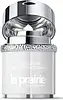
This brightening moisturizer is formulated around Glycoproteins and Sodium Ascorbyl Phosphate to brighten dull-looking skin and fade the look of dark spots.
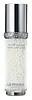
This brightening serum is formulated around Panax Ginseng Root Extract and Isobutylamido Thiazolyl Resorcinol to fade the look of dark spots.

What's inside
What's inside
 Key Ingredients
Benefits
Concerns
Ingredients Side-by-side
Water
Skin ConditioningGlycerin
Humectant


Polymethylsilsesquioxane

Tridecyl Stearate
Emollient

Cyclopentasiloxane
Emollient
Hdi/Trimethylol Hexyllactone Crosspolymer
Isododecane
EmollientPetrolatum
Emollient


Cetyl PEG/PPG-10/1 Dimethicone
Emulsifying
Sorbitan Tristearate
EmulsifyingHydroxyethyl Acrylate/Sodium Acryloyldimethyl Taurate Copolymer
Emulsion StabilisingDimethicone
Emollient
Glycoproteins
Skin Conditioning
Panax Ginseng Root
Emollient
Equisetum Arvense Juice
Skin ConditioningCaprylic Acid
CleansingPalmitoyl Heptapeptide-5
Skin Conditioning
Larix Sibirica Wood Extract
Antimicrobial
Glycyrrhiza Glabra Root
Skin ConditioningSodium Ascorbyl Phosphate
Antioxidant





Lepidium Sativum Sprout Extract
Skin ConditioningNelumbo Nucifera Germ
HumectantJasminum Officinale Oil
Masking


Boswellia Serrata Gum Extract
Skin ConditioningProline
Skin Conditioning
Hydroxyproline
Skin ConditioningGlycine
Buffering
Isooctanoyl Tetrapeptide-25
Skin Conditioning
Resveratrol
Antioxidant
Polygonum Cuspidatum Extract
Skin ConditioningCentella Asiatica Extract
Cleansing
Thalassiosira Pseudonana Extract
Skin ProtectingSodium Hyaluronate
Humectant
Honey
Humectant
Tuber Magnatum Extract
Skin ConditioningTremella Fuciformis Polysaccharide
Emulsion Stabilising
Vitis Vinifera Vine Extract
Skin ConditioningTocopheryl Acetate
Antioxidant
Retinyl Palmitate
Skin Conditioning

Acrylates Copolymer
PEG-7 Trimethylolpropane Coconut Ether
Emulsifying
Polymethyl Methacrylate

Sorbitan Olivate
Emulsifying
Cetearyl Olivate
Lecithin
Emollient
Ammonium Polyacryloyldimethyl Taurate
Emulsion StabilisingHydrogenated Coco-Glycerides
Emollient
Tricaprylin
Perfuming
Sodium Chloride
MaskingCaprylyl Glycol
Emollient
Stearyl Alcohol
Emollient
Cetyl Alcohol
Emollient
Sorbitan Stearate
Emulsifying
Tocopherol
Antioxidant
PEG-40 Stearate
Emulsifying
Polysilicone-11
Propylene Glycol
Humectant
Dimethicone/Divinyldimethicone/Silsesquioxane Crosspolymer
Humectant
Hexylene Glycol
EmulsifyingIsohexadecane
EmollientPolysorbate 80
Emulsifying
Sorbitan Palmitate
Emulsifying
Cetyl Palmitate
Emollient
Disodium EDTA
Glyceryl Caprylate
EmollientPolysorbate 20
Emulsifying
Glyceryl Stearate
Emollient
Palmitic Acid
Emollient
Behenyl Alcohol
Emollient
Dextran
Stearic Acid
Cleansing
Polyisobutene
Stearoxymethicone/Dimethicone Copolymer
Emollient
Carbomer
Emulsion StabilisingSorbitol
Humectant
Xanthan Gum
EmulsifyingParfum
Masking
Linalool
Perfuming
Citronellol
Perfuming
Geraniol
Perfuming
Limonene
Perfuming
Eugenol
Perfuming
Benzyl Benzoate
Antimicrobial
Benzyl Salicylate
Perfuming
Phenoxyethanol
Preservative
Sodium Benzoate
Masking
PEG-7
HumectantTrimethylolpropane
HumectantWater, Glycerin, Polymethylsilsesquioxane, Tridecyl Stearate, Cyclopentasiloxane, Hdi/Trimethylol Hexyllactone Crosspolymer, Isododecane, Petrolatum, Cetyl PEG/PPG-10/1 Dimethicone, Sorbitan Tristearate, Hydroxyethyl Acrylate/Sodium Acryloyldimethyl Taurate Copolymer, Dimethicone, Glycoproteins, Panax Ginseng Root, Equisetum Arvense Juice, Caprylic Acid, Palmitoyl Heptapeptide-5, Larix Sibirica Wood Extract, Glycyrrhiza Glabra Root, Sodium Ascorbyl Phosphate, Lepidium Sativum Sprout Extract, Nelumbo Nucifera Germ, Jasminum Officinale Oil, Boswellia Serrata Gum Extract, Proline, Hydroxyproline, Glycine, Isooctanoyl Tetrapeptide-25, Resveratrol, Polygonum Cuspidatum Extract, Centella Asiatica Extract, Thalassiosira Pseudonana Extract, Sodium Hyaluronate, Honey, Tuber Magnatum Extract, Tremella Fuciformis Polysaccharide, Vitis Vinifera Vine Extract, Tocopheryl Acetate, Retinyl Palmitate, Acrylates Copolymer, PEG-7 Trimethylolpropane Coconut Ether, Polymethyl Methacrylate, Sorbitan Olivate, Cetearyl Olivate, Lecithin, Ammonium Polyacryloyldimethyl Taurate, Hydrogenated Coco-Glycerides, Tricaprylin, Sodium Chloride, Caprylyl Glycol, Stearyl Alcohol, Cetyl Alcohol, Sorbitan Stearate, Tocopherol, PEG-40 Stearate, Polysilicone-11, Propylene Glycol, Dimethicone/Divinyldimethicone/Silsesquioxane Crosspolymer, Hexylene Glycol, Isohexadecane, Polysorbate 80, Sorbitan Palmitate, Cetyl Palmitate, Disodium EDTA, Glyceryl Caprylate, Polysorbate 20, Glyceryl Stearate, Palmitic Acid, Behenyl Alcohol, Dextran, Stearic Acid, Polyisobutene, Stearoxymethicone/Dimethicone Copolymer, Carbomer, Sorbitol, Xanthan Gum, Parfum, Linalool, Citronellol, Geraniol, Limonene, Eugenol, Benzyl Benzoate, Benzyl Salicylate, Phenoxyethanol, Sodium Benzoate, PEG-7, Trimethylolpropane
Water
Skin ConditioningGlycerin
Humectant
1,2-Hexanediol
Skin Conditioning
Propanediol
Solvent
Glycoproteins
Skin Conditioning
Panax Ginseng Root Extract
Emollient
Equisetum Arvense Extract
AstringentSaccharomyces Cerevisiae Extract
Skin Conditioning
Lactobacillus Ferment
Skin Conditioning
Caviar Extract
Skin ConditioningDiglucosyl Gallic Acid
Isobutylamido Thiazolyl Resorcinol
Bleaching
Propylene Glycol Dicaprylate/Dicaprate
EmollientAscorbyl Tetraisopalmitate
Antioxidant
Biosaccharide Gum-1
Humectant
Biosaccharide Gum-4
Skin Conditioning
Carnosine
Skin Conditioning
Ascorbyl Palmitate
Antioxidant
Lecithin
Emollient
Calcium Alginate
MaskingBeta-Sitosterol
Emulsion Stabilising
Phytic Acid

Synthetic Fluorphlogopite
Sodium Citrate
BufferingAcacia Senegal Gum
MaskingTin Oxide
Abrasive
Citric Acid
Buffering
Lactic Acid
Buffering
Tocopherol
Antioxidant
Squalene
Emollient
Xanthan Gum
EmulsifyingSclerotium Gum
Emulsion StabilisingAlcohol
Antimicrobial

Parfum
Masking
Linalool
Perfuming
Benzyl Salicylate
Perfuming
Citronellol
Perfuming
Geraniol
Perfuming
Limonene
Perfuming
Alpha-Isomethyl Ionone
Perfuming
Phenoxyethanol
Preservative
Ethylhexylglycerin
Skin ConditioningSodium Dehydroacetate
Preservative
Potassium Sorbate
Preservative
Sodium Benzoate
Masking
CI 77891
Cosmetic ColorantWater, Glycerin, 1,2-Hexanediol, Propanediol, Glycoproteins, Panax Ginseng Root Extract, Equisetum Arvense Extract, Saccharomyces Cerevisiae Extract, Lactobacillus Ferment, Caviar Extract, Diglucosyl Gallic Acid, Isobutylamido Thiazolyl Resorcinol, Propylene Glycol Dicaprylate/Dicaprate, Ascorbyl Tetraisopalmitate, Biosaccharide Gum-1, Biosaccharide Gum-4, Carnosine, Ascorbyl Palmitate, Lecithin, Calcium Alginate, Beta-Sitosterol, Phytic Acid, Synthetic Fluorphlogopite, Sodium Citrate, Acacia Senegal Gum, Tin Oxide, Citric Acid, Lactic Acid, Tocopherol, Squalene, Xanthan Gum, Sclerotium Gum, Alcohol, Parfum, Linalool, Benzyl Salicylate, Citronellol, Geraniol, Limonene, Alpha-Isomethyl Ionone, Phenoxyethanol, Ethylhexylglycerin, Sodium Dehydroacetate, Potassium Sorbate, Sodium Benzoate, CI 77891
Reviews
Ingredients Explained
These ingredients are found in both products.
Ingredients higher up in an ingredient list are typically present in a larger amount.
Benzyl Salicylate is a solvent and fragrance additive. It is an ester of benzyl alcohol and salicylic acid. This ingredient can be naturally found in some plants and plant extracts.
In fragrances, Benzyl Salicylate may be a solvent or a fragrance component. In synthetic musk scents, it is used as a solvent. For floral fragrances such as lilac and jasmine, it is used as a fragrance component. The natural scent of Benzyl Salicylate is described as "lightly-sweet, slightly balsamic".
While Benzyl Salicylate has been associated with contact dermatitis and allergies, emerging studies show it may not be caused by this ingredient alone.
However, this ingredient is often used with fragrances and other components that may cause allergies. It is still listed as a known allergen in the EU. We recommend speaking with a professional if you have concerns.
Another study from 2021 shows Benzyl Salicylate may have anti-inflammatory properties.
Learn more about Benzyl SalicylateCitronellol is used to add fragrance/parfum to a product. It is often derived from plants such as roses. In fact, it can be found in many essential oils including geranium, lavender, neroli, and more. The scent of Citronellol is often described as "fresh, grassy, and citrus-like".
Since the Citronellol molecule is already unstable, Citronellol becomes irritating on the skin when exposed to air.
Citronellol is a modified terpene. Terpenes are unsaturated hydrocarbons found in plants. They make up the primary part of essential oils.
Citronellol is not able to be absorbed into deeper layers of the skin. It has low permeability,
Citronellol is also a natural insect repellent.
Learn more about CitronellolGeraniol is used to add fragrance/parfum to a product. It is the main component of citronellol. It is a monoterpenoid and an alcohol.
Monoterpenes are naturally found in many parts of different plants.
Geraniol can be found in many essential oils including Rose Oil and Citronella Oil. The scent of Geraniol is often described as "rose-like". Many foods also contain Geraniol for fruit flavoring.
Geraniol can irritate the skin when exposed to air. However, irritation depends on the ability of geraniol to penetrate into the skin. In general, geraniol is not able to penetrate skin easily.
Geraniol is colorless and has low water-solubility. However, it is soluble in common organic solvents.
Like citronellol, it is a natural insect repellent.
2,6-Octadien-1-ol, 3,7-dimethyl-, (2E)-
Learn more about GeraniolGlycerin (or glycerol) is a compound naturally found in your skin. It's a powerhouse humectant that pulls water into the stratum corneum.
Topically, glycerin does several things at once:
Your skin makes glycerin on its own (mostly from sebaceous oil breakdown) and shuttles it to your outermost layer of skin, or your epidermis, via aquaporin-3.
Aquaporin-3 is a transporter that is essential for normal skin hydration, elasticity, and repair. Interestingly, mice lacking in AQP3 have dry and less elastic skin that can be fully corrected with glycerin.
This ingredient is non-irritating, plays well with almost every ingredient, and works across all skin types. Typical use is anywhere between 3-10% but can go up to 79% in some leave-on products.
Just know very high concentrations (>40%) can feel tacky in low humidity.
Glycerin is the name for this ingredient in American English. British English uses Glycerol/Glycerine.
Learn more about GlycerinGlycoproteins are proteins with sugar chains attached to them. They're naturally found throughout your body, including your skin's extracellular matrix.
In your skin, glycoproteins work alongside collagen and other structural proteins to keep everything held together and functioning properly. Their sugar components make them great at binding water and keeping the skin hydrated. They also part of the extracellular matrix that plays a direct role in wound healing.
The glycoproteins found in skincare are most commonly derived from yeast, algae, or plant sources.
In-vitro studies have shown that yeast-derived glycoproteins can boost cellular oxygen content and increase energy production in skin cells.
In general, this is a well-tolerated humectant and skin conditioning ingredient. The Cosmetic Ingredient Review (CIR) Expert Panel has found no signs of irritation, adverse effects, or abnormal reactions from this ingredient.
Learn more about GlycoproteinsLecithin is a term for a group of substances found in the cell membranes of plants, animals, and humans. They are made up of phospholipids.
Thanks to its amphiphilic structure (water-loving head and oil-loving tail), it is a true multitasker:
It plays well with most ingredients and is typically used at 0.1-1%. However, concentrations up to 50% have been reported in moisturizers.
Learn more about LecithinLimonene is a fragrance that adds scent and taste to a formulation.
It's found in the peel oil of citrus fruits and other plants such as lavender and eucalyptus. The scent of limonene is generally described as "sweet citrus".
Limonene acts as an antioxidant, meaning it helps neutralize free radicals.
When exposed to air, oxidized limonene may sensitize the skin. Because of this, limonene is often avoided by people with sensitive skin.
The term 'fragrance' is not regulated in many countries. In many cases, it is up to the brand to define this term. For instance, many brands choose to label themselves as "fragrance-free" because they are not using synthetic fragrances. However, their products may still contain ingredients such as essential oils that are considered a fragrance.
Learn more about LimoneneLinalool is a fragrance and helps add scent to products. It's derived from common plants such as cinnamon, mint, citrus, and lavender.
Like Limonene, this ingredient oxidizes when exposed to air. Oxidized linalool can cause allergies and skin sensitivity.
This ingredient has a scent that is floral, spicy tropical, and citrus-like.
Learn more about LinaloolParfum is a catch-all term for an ingredient or more that is used to give a scent to products.
Also called "fragrance", this ingredient can be a blend of hundreds of chemicals or plant oils. This means every product with "fragrance" or "parfum" in the ingredients list is a different mixture.
For instance, Habanolide is a proprietary trade name for a specific aroma chemical. When used as a fragrance ingredient in cosmetics, most aroma chemicals fall under the broad labeling category of “FRAGRANCE” or “PARFUM” according to EU and US regulations.
The term 'parfum' or 'fragrance' is not regulated in many countries. In many cases, it is up to the brand to define this term.
For instance, many brands choose to label themselves as "fragrance-free" because they are not using synthetic fragrances. However, their products may still contain ingredients such as essential oils that are considered a fragrance by INCI standards.
One example is Calendula flower extract. Calendula is an essential oil that still imparts a scent or 'fragrance'.
Depending on the blend, the ingredients in the mixture can cause allergies and sensitivities on the skin. Some ingredients that are known EU allergens include linalool and citronellol.
Parfum can also be used to mask or cover an unpleasant scent.
The bottom line is: not all fragrances/parfum/ingredients are created equally. If you are worried about fragrances, we recommend taking a closer look at an ingredient. And of course, we always recommend speaking with a professional.
Learn more about ParfumPhenoxyethanol is one of the most widely used preservatives in skincare (and for good reason!).
It has a large spectrum of antimicrobial activity and especially effective bacteria, yeast, and mold while only having a weak effect on your skin's natural microbiome.
On a cellular level, it disrupts the cell membranes of microbes by poking holes that make the cell leak. This shuts down the chemical reactions the microbe needs to make energy so it can no longer survive.
Another perk of this ingredient is that it stays functional across a wide pH range (3-10).
You'll often see it paired with boosters like Ethylhexylglycerin; one study showed that a 1:9 ratio of Ethylhexylglycerin to Phenoxyethanol damages bacterial membranes as effectively as doubling the Phenoxyethanol concentration on its own.
Typical use concentrations range from 0.3-1% depending on the formula, and this ingredient is capped at 1% int the EU.
Safety-wise, the fear mongering does not hold up to the evidence. The EU's Scientific Committee on Consumer Safety and FDA consider it safe as a preservative at up to 1%, including for children of all ages.
Adverse systemic effects only showed up in animal studies at exposures roughly 200x higher than what people get from cosmetics. And despite its very widespread use, this ingredient is a rare sensitizer and allergic reactions are uncommon.
Learn more about PhenoxyethanolSodium Benzoate is a preservative. It's used in both cosmetic and food products to inhibit the growth of mold and bacteria. It is typically produced synthetically.
Both the US FDA and EU Health Committee have approved the use of sodium benzoate. In the US, levels of 0.1% (of the total product) are allowed.
Sodium benzoate works as a preservative by inhibiting the growth of bacteria inside of cells. It prevents the cell from fermenting a type of sugar using an enzyme called phosphofructokinase.
It is the salt of benzoic acid. Foods containing sodium benzoate include soda, salad dressings, condiments, fruit juices, wines, and snack foods.
Studies for using ascorbic acid and sodium benzoate in cosmetics are lacking, especially in skincare routines with multiple steps.
We always recommend speaking with a professional, such as a dermatologist, if you have any concerns.
Learn more about Sodium BenzoateTocopherol is a fat-soluble antioxidant known as Vitamin E.
You'll find this ingredient in the vast majority of skincare (for good reason). It works to neutralize free radicals, or unstable molecules generated by UV exposure, pollution, and other environmental stressors, before they can cause oxidative damage to your skin cells.
Topically applied tocopherol has been shown to protect against UV damage by ramping up the skin's own natural defense enzymes.
It also acts as a skin conditioning agent; some studies show that regular topical use can improve the skin's water-binding capacity over 2-4 weeks.
This ingredient is especially loved for being a team player. When combined with Vitamin C, the photoprotective effect of both ingredients roughly doubles and the combo also helps reduce UV-induced DNA damage.
This ingredient has some brightening potential but it's more of a prevention ingredient than spot-fader. Cell studies show it can slow down melanin production but it's worth noting that it's not the most powerful brightener out there.
In formulations, it also serves as a stabilizer that helps protect other oxidation-prone ingredients from degrading.
Concentrations usually range from 0.1-1% in most leave-on products.
Learn more about TocopherolWater. It's the most common cosmetic ingredient of all. You'll usually see it at the top of ingredient lists, meaning that it makes up the largest part of the product.
So why is it so popular? Water most often acts as a solvent - this means that it helps dissolve other ingredients into the formulation.
You'll also recognize water as that liquid we all need to stay alive. If you see this, drink a glass of water. Remember to stay hydrated!
Learn more about WaterXanthan gum is used as a stabilizer and thickener within cosmetic products. It helps give products a sticky, thick feeling - preventing them from being too runny.
On the technical side of things, xanthan gum is a polysaccharide - a combination consisting of multiple sugar molecules bonded together.
Xanthan gum is a pretty common and great ingredient. It is a natural, non-toxic, non-irritating ingredient that is also commonly used in food products.
Learn more about Xanthan Gum

