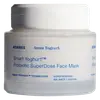
This wash off mask is made with Bisabolol for a rinse-off hydration boost.
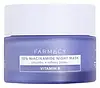
This smoothing overnight mask is formulated around Niacinamide and Panthenol to refine skin texture and strengthen the skin barrier.


What's inside
What's inside
 Key Ingredients
Benefits
Concerns
Ingredients Side-by-side
Water
Skin ConditioningGlycerin
Humectant


Yogurt
Skin ProtectingHexyldecyl Stearate
EmollientPentylene Glycol
Skin Conditioning
Diisostearyl Malate
EmollientPrunus Armeniaca Kernel Oil
Masking




Squalane
Emollient
C14-22 Alcohols
Emulsion Stabilising
Isoamyl Laurate
Emollient
Prunus Amygdalus Dulcis Oil
Skin Conditioning
Arachidyl Alcohol
Emollient
Butyrospermum Parkii Butter
Skin Conditioning
C10-18 Triglycerides
Emollient
PEG-100 Stearate
Surfactant
Algin
MaskingAloe Barbadensis Leaf Juice Powder
Skin Conditioning

Alpha-Glucan Oligosaccharide
Cleansing
Arachidyl Glucoside
EmulsifyingAscorbyl Palmitate
Antioxidant


Avena Sativa Meal Extract
SoothingBehenyl Alcohol
Emollient
Bisabolol
Antioxidant
C12-20 Alkyl Glucoside
EmulsifyingCaprylic/Capric Triglyceride
Masking
Caprylyl Glycol
Emollient
Chlorella Vulgaris Extract
Skin ConditioningDisodium Phosphate
BufferingEpigallocatechin Gallatyl Glucoside
Antioxidant
Gallyl Glucoside
Antioxidant
Glyceryl Oleate Citrate
Emulsifying
Glyceryl Polyacrylate
Helianthus Annuus Seed Oil
Emollient
Hydroxyethyl Acrylate/Sodium Acryloyldimethyl Taurate Copolymer
Emulsion StabilisingLactic Acid
Buffering





Lactobacillus
Skin ConditioningLaminaria Digitata Extract
Skin Protecting
Lecithin
Emollient
Lonicera Caprifolium Flower Extract
Perfuming
Lonicera Japonica Flower Extract
Skin ConditioningMaltodextrin
Absorbent
Maris Aqua
HumectantPhenethyl Alcohol
MaskingPhenylpropanol
Masking
Polymnia Sonchifolia Root Juice
Skin ConditioningPolysorbate 60
Emulsifying
Potassium Phosphate
BufferingPropyl Gallate
Antioxidant
Pullulan
Saccharide Isomerate
Humectant
Serine
Masking
Sodium Carboxymethyl Beta-Glucan
CleansingSodium Hyaluronate
Humectant
Sodium Polyacrylate Starch
AbsorbentSorbitan Isostearate
Emulsifying
Tetrasodium Glutamate Diacetate
ChelatingTocopherol
Antioxidant
Trehalose
Humectant
Urea
Buffering
Zingiber Officinale Root Extract
Masking
Benzyl Alcohol
Perfuming


Dehydroacetic Acid
Preservative
Potassium Sorbate
Preservative
Sodium Benzoate
Masking
Sodium Hydroxide
BufferingWater, Glycerin, Yogurt, Hexyldecyl Stearate, Pentylene Glycol, Diisostearyl Malate, Prunus Armeniaca Kernel Oil, Squalane, C14-22 Alcohols, Isoamyl Laurate, Prunus Amygdalus Dulcis Oil, Arachidyl Alcohol, Butyrospermum Parkii Butter, C10-18 Triglycerides, PEG-100 Stearate, Algin, Aloe Barbadensis Leaf Juice Powder, Alpha-Glucan Oligosaccharide, Arachidyl Glucoside, Ascorbyl Palmitate, Avena Sativa Meal Extract, Behenyl Alcohol, Bisabolol, C12-20 Alkyl Glucoside, Caprylic/Capric Triglyceride, Caprylyl Glycol, Chlorella Vulgaris Extract, Disodium Phosphate, Epigallocatechin Gallatyl Glucoside, Gallyl Glucoside, Glyceryl Oleate Citrate, Glyceryl Polyacrylate, Helianthus Annuus Seed Oil, Hydroxyethyl Acrylate/Sodium Acryloyldimethyl Taurate Copolymer, Lactic Acid, Lactobacillus, Laminaria Digitata Extract, Lecithin, Lonicera Caprifolium Flower Extract, Lonicera Japonica Flower Extract, Maltodextrin, Maris Aqua, Phenethyl Alcohol, Phenylpropanol, Polymnia Sonchifolia Root Juice, Polysorbate 60, Potassium Phosphate, Propyl Gallate, Pullulan, Saccharide Isomerate, Serine, Sodium Carboxymethyl Beta-Glucan, Sodium Hyaluronate, Sodium Polyacrylate Starch, Sorbitan Isostearate, Tetrasodium Glutamate Diacetate, Tocopherol, Trehalose, Urea, Zingiber Officinale Root Extract, Benzyl Alcohol, Dehydroacetic Acid, Potassium Sorbate, Sodium Benzoate, Sodium Hydroxide
Water
Skin ConditioningPropanediol
Solvent
Niacinamide
Smoothing

C15-19 Alkane
SolventCaprylic/Capric Triglyceride
Masking
Glycerin
Humectant
Panthenol
Skin Conditioning
1,2-Hexanediol
Skin Conditioning
Cetearyl Olivate
Cetearyl Alcohol
Emollient
Sorbitan Olivate
Emulsifying
Butyrospermum Parkii Butter
Skin Conditioning
Betaine
Humectant
Vaccinium Corymbosum Seed Oil
Antioxidant
Tocopheryl Acetate
Antioxidant
Beta-Glucan
Skin Conditioning
Bisabolol
Antioxidant
Allantoin
Skin Conditioning
Melia Azadirachta Flower Extract
Skin ConditioningGlycogen
HumectantCoccinia Indica Fruit Extract
Skin Conditioning
Lactobacillus Ferment
Skin Conditioning
Corallina Officinalis Extract
Skin Conditioning
Solanum Melongena Fruit Extract
Skin ConditioningAloe Barbadensis Flower Extract
EmollientSimmondsia Chinensis Seed Oil
Emollient
Zingiber Officinale Root Extract
Masking
Curcuma Longa Root Extract
Antioxidant
Ocimum Basilicum Flower/Leaf Extract
TonicOcimum Sanctum Leaf Extract
Skin ConditioningMaltodextrin
Absorbent
Arginine
Masking
Carbomer
Emulsion StabilisingPentylene Glycol
Skin Conditioning
Sodium Phytate
ChelatingMelia Azadirachta Leaf Extract
Skin ConditioningCaprylyl Glycol
Emollient
Water, Propanediol, Niacinamide, C15-19 Alkane, Caprylic/Capric Triglyceride, Glycerin, Panthenol, 1,2-Hexanediol, Cetearyl Olivate, Cetearyl Alcohol, Sorbitan Olivate, Butyrospermum Parkii Butter, Betaine, Vaccinium Corymbosum Seed Oil, Tocopheryl Acetate, Beta-Glucan, Bisabolol, Allantoin, Melia Azadirachta Flower Extract, Glycogen, Coccinia Indica Fruit Extract, Lactobacillus Ferment, Corallina Officinalis Extract, Solanum Melongena Fruit Extract, Aloe Barbadensis Flower Extract, Simmondsia Chinensis Seed Oil, Zingiber Officinale Root Extract, Curcuma Longa Root Extract, Ocimum Basilicum Flower/Leaf Extract, Ocimum Sanctum Leaf Extract, Maltodextrin, Arginine, Carbomer, Pentylene Glycol, Sodium Phytate, Melia Azadirachta Leaf Extract, Caprylyl Glycol
Reviews
Ingredients Explained
These ingredients are found in both products.
Ingredients higher up in an ingredient list are typically present in a larger amount.
Bisabolol is a gentle skin conditioner, antioxidant, and soothing ingredient.
It's primary claim to fame is soothing and research shows topically applied bisabolol can quiet the chemical messengers that cause your skin to become inflamed, helping to sooth any irritation.
A clinical study found that applying 0.5% bisabolol daily for 8 weeks produced an average 9% decrease in skin pigmentation. Researchers found it can also suppress the process that leads to excess melanin production in skin.
In vitro studies found that bisabolol combined with propylene glycol significantly increased skin permeability by increasing lipid fluidity in the stratum corneum.
You'll likely see use concentrations quite low, usually 0.1-0.2%.
Overall, this is a well-tolerated ingredient that works well in formulas designed for sensitive, reactive, or post-procedure skin.
Learn more about BisabololThis ingredient is also known as shea butter. It is a plant-derived extract from the nuts of the Africa shea tree and one of the most well-studied emollients.
Because it has a high concentration of fatty acids (primarily oleic, stearic, and linoleic) it is able to form a protective barrier on the skin's surface. This helps seal in moisture and prevents transepidermal water loss (TEWL).
In vitro research found an increase in skin hydration by 58% and a decrease in TEWL by 37.8% after 24 hours of applying this ingredient (pretty impressive for a single ingredient!).
Besides hydration, shea butter also contains triterpenes that have anti-inflammatory potential. In particule, lupeol cinnamate has shown the highest anti-inflammatory activity in vivo.
Shea butter also contains vitamins A and E which may contribute to antioxidant activity.
While Shea Butter has an SPF rating of about 3-4, it is not a sunscreen replacement.
This ingredient may not be fungal acne safe because its fatty acids fall within the C11-C24 range that the Malassezia yeast can metabolize.
This ingredient shows up on a lot of "pore-clogging" lists but there's no real evidence behind that. It doesn't even have a comedogenic rating from an actual study; the numbers you'll find online come from blogs citing other blogs.
Ratings for other ingredients mostly come from a 1980s rabbit ear test. This test doesn't translate well to human skin or to real products because the ingredient sits at a much lower percentage.
Some people still find it breaks them out. So if that's you, definitely trust your skin. Just know this one's based on experience and not evidence.
Learn more about Butyrospermum Parkii ButterCaprylic/Capric Triglyceride (aka MCT Oil) is a lightweight emollient, solvent, and texture enhancer. It is considered a skin-softener by helping to prevent moisture loss.
Though it behaves like an oil, it is not technically one due to its chemical composition. One perk of this ingredient is that it is very stable, resistant to oxidation, and unlikely to go rancid.
In practice, that translates to a long shelf life and a consistently elegant skin feel.
While there is an assumption Caprylic Triglyceride can clog pores due to it being derived from coconut oil, there is no research supporting this. Just patch test if you have concerns.
Fractionated coconut oil and MCT Oil are both listed as Caprylic/Capric Triglyceride according to INCI. This is because INCI names are based on the ingredient’s final chemical composition and not its marketing name or source.
This ingredient is treated as the gold standard fungal acne safe oil. Even though it is coconut derived, the problematic lauric acid is stripped out.
This leaves just caprylic (C8) and capric (C10) acid. These chain lengths actually trend antifungal; a 2020 study found caprylic acid was enough to disrupt Malassezia furfur cell membrane, with a caprylic acid derivative damaging membrane structures at concentrations as low as 0.2%.
Learn more about Caprylic/Capric TriglycerideCaprylyl Glycol is a humectant, skin conditioner, emollient, and preservative booster derived from either caprylic acid or synthetically created.
Typical use levels vary from 0.3-1% as a preservative booster and go up to 2% to condition skin.
Because it is not a free-fatty acid, this ingredient is fungal acne safe (there's nothing for Malassezia to feed on).
Learn more about Caprylyl GlycolGlycerin (or glycerol) is a compound naturally found in your skin. It's a powerhouse humectant that pulls water into the stratum corneum.
Topically, glycerin does several things at once:
Your skin makes glycerin on its own (mostly from sebaceous oil breakdown) and shuttles it to your outermost layer of skin, or your epidermis, via aquaporin-3.
Aquaporin-3 is a transporter that is essential for normal skin hydration, elasticity, and repair. Interestingly, mice lacking in AQP3 have dry and less elastic skin that can be fully corrected with glycerin.
This ingredient is non-irritating, plays well with almost every ingredient, and works across all skin types. Typical use is anywhere between 3-10% but can go up to 79% in some leave-on products.
Just know very high concentrations (>40%) can feel tacky in low humidity.
Glycerin is the name for this ingredient in American English. British English uses Glycerol/Glycerine.
Learn more about GlycerinMaltodextrin is a plant-derived carbohydrate made by breaking down starch (usually from corn, potato, or rice). In cosmetic formulas, it's a multitasking absorbent, emulsion stabilizer, and skin conditioner.
This ingredient is mostly used to stabilize emulsions and improve the powdery, non-greasy feel of products (like dry shampoos).
Safety-wise, this ingredient is pretty solid; it's even recognized as a food additive. Both animal and clinical studies found no adverse effects at the levels used in cosmetics.
Industry data shows this ingredient is used up to 45.7% in spray products and up to 33% in powder products.
Learn more about MaltodextrinPentylene Glycol (1,2-pentanediol) is a multitasking little diol with three main roles in a formula:
Research on alkanediols (the family pentylene glycol belongs to) show they work by disrupting microbial cell membranes. This disruption helps the primary preservative system in a product work more effectively at lower doses.
On the safety side, the Cosmetic Ingredient Review Expert Panel has concluded this ingredient to be safe as used in current cosmetic practices + concentrations.
Typical use levels in a formula run about 1-5%.
Learn more about Pentylene GlycolWater. It's the most common cosmetic ingredient of all. You'll usually see it at the top of ingredient lists, meaning that it makes up the largest part of the product.
So why is it so popular? Water most often acts as a solvent - this means that it helps dissolve other ingredients into the formulation.
You'll also recognize water as that liquid we all need to stay alive. If you see this, drink a glass of water. Remember to stay hydrated!
Learn more about WaterZingiber Officinale is more commonly known as ginger.
Ginger root has antioxidant, anti-inflammation, and antimicrobial properties.
The antioxidant properties help protect your body from free-radicals. Free-radicals are molecules that may damage your skin cells. As a result, ginger may help slow down signs of aging such as hyperpigmentation and wrinkles.
Studies show ginger inhibits the enzyme that breaks down collagen. It also helps with:
This ingredient has no negative side-effects and is safe to use unless one has a specific allergy to it.
Ginger originates from Southeast Asia but has spread throughout the world. It is now a common spice used in many cultures.
Learn more about Zingiber Officinale Root Extract

