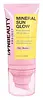
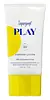
iNNBEAUTY PROJECT Mineral Sun Glow Broad Spectrum SPF 43 PA +++ Versus Supergoop! Play Everyday Lotion SPF 50 PA++++

What's inside
What's inside
 Key Ingredients
Benefits
Concerns
Ingredients Side-by-side
Zinc Oxide 14.28%
Cosmetic Colorant


Water
Skin ConditioningCaprylic/Capric Triglyceride
Masking


Propanediol
Solvent
Coco-Caprylate/Caprate
Emollient
Pentaerythrityl Tetraisostearate
Emollient
Dimethicone
Emollient

Butyloctyl Salicylate
Skin Conditioning
Glyceryl Stearate Citrate
Emollient
Squalane
Emollient
Polyglyceryl-3 Stearate
Emulsifying
Methyl Dihydroabietate
Capryloyl Glycerin/Sebacic Acid Copolymer
Skin ConditioningPalmitoyl Tripeptide-5
Skin Conditioning

Palmitoyl Tripeptide-1
Skin Conditioning
Palmitoyl Tetrapeptide-7
Skin Conditioning
Tetrahexyldecyl Ascorbate
Antioxidant




Oryza Sativa Extract
Absorbent

Oryza Sativa Germ Extract
EmollientNiacinamide
Smoothing

Superoxide Dismutase
Antioxidant
Resveratrol
Antioxidant
Bisabolol
Antioxidant
Allantoin
Skin Conditioning
Rhodomyrtus Tomentosa Fruit Extract
HumectantPongamia Pinnata Seed Extract
Skin ConditioningLeuconostoc/Radish Root Ferment Filtrate
Antimicrobial
Polygonum Aviculare Extract
EmollientGlycerin
Humectant
Butylene Glycol
Humectant
Phospholipids
Skin Conditioning
Sorbitol
Humectant
Sodium Lactate
Buffering
Serine
Masking
Urea
Buffering
1,2-Hexanediol
Skin Conditioning
Vp/Eicosene Copolymer
Polyglyceryl-3 Polyricinoleate
Emulsifying
Lecithin
Emollient
Polyhydroxystearic Acid
Emulsifying
Isostearic Acid
Cleansing
C12-15 Alkyl Benzoate
AntimicrobialXanthan Gum
EmulsifyingEthylene/Propylene/Styrene Copolymer
Polyglyceryl-3 Diisostearate
Emulsifying
Pentylene Glycol
Skin Conditioning
Polysilicone-11
Caprylhydroxamic Acid
Sodium Phytate
Lactic Acid
Buffering


Palmitic Acid
Emollient
Butylene/Ethylene/Styrene Copolymer
Sodium Chloride
MaskingCetearyl Olivate
Polyacrylate Crosspolymer-6
Emulsion StabilisingTocopherol
Antioxidant
Hydrogenated Lecithin
Emulsifying
Glycine Soja Oil
Emollient
Pentaerythrityl Tetra-Di-T-Butyl Hydroxyhydrocinnamate
Antioxidant
Sorbitan Laurate
Emulsifying
C18-36 Acid Triglyceride
EmollientC18-36 Acid Glycol Ester
EmollientIron Oxides
CI 77492
Cosmetic ColorantMica
Cosmetic ColorantTitanium Dioxide
Cosmetic Colorant
CI 77891
Cosmetic ColorantCI 77491
Cosmetic ColorantCI 77499
Cosmetic ColorantZinc Oxide 14.28%, Water, Caprylic/Capric Triglyceride, Propanediol, Coco-Caprylate/Caprate, Pentaerythrityl Tetraisostearate, Dimethicone, Butyloctyl Salicylate, Glyceryl Stearate Citrate, Squalane, Polyglyceryl-3 Stearate, Methyl Dihydroabietate, Capryloyl Glycerin/Sebacic Acid Copolymer, Palmitoyl Tripeptide-5, Palmitoyl Tripeptide-1, Palmitoyl Tetrapeptide-7, Tetrahexyldecyl Ascorbate, Oryza Sativa Extract, Oryza Sativa Germ Extract, Niacinamide, Superoxide Dismutase, Resveratrol, Bisabolol, Allantoin, Rhodomyrtus Tomentosa Fruit Extract, Pongamia Pinnata Seed Extract, Leuconostoc/Radish Root Ferment Filtrate, Polygonum Aviculare Extract, Glycerin, Butylene Glycol, Phospholipids, Sorbitol, Sodium Lactate, Serine, Urea, 1,2-Hexanediol, Vp/Eicosene Copolymer, Polyglyceryl-3 Polyricinoleate, Lecithin, Polyhydroxystearic Acid, Isostearic Acid, C12-15 Alkyl Benzoate, Xanthan Gum, Ethylene/Propylene/Styrene Copolymer, Polyglyceryl-3 Diisostearate, Pentylene Glycol, Polysilicone-11, Caprylhydroxamic Acid, Sodium Phytate, Lactic Acid, Palmitic Acid, Butylene/Ethylene/Styrene Copolymer, Sodium Chloride, Cetearyl Olivate, Polyacrylate Crosspolymer-6, Tocopherol, Hydrogenated Lecithin, Glycine Soja Oil, Pentaerythrityl Tetra-Di-T-Butyl Hydroxyhydrocinnamate, Sorbitan Laurate, C18-36 Acid Triglyceride, C18-36 Acid Glycol Ester, Iron Oxides, CI 77492, Mica, Titanium Dioxide, CI 77891, CI 77491, CI 77499
Butyl Methoxydibenzoylmethane 3%
UV Absorber
Homosalate 10%
Skin Conditioning
Ethylhexyl Salicylate 5%
UV Absorber
Octocrylene 7.5%
UV Absorber
Water
Skin ConditioningAcrylates Copolymer
Diisopropyl Sebacate
EmollientGlycerin
Humectant
Isodecyl Neopentanoate
EmollientIsododecane
EmollientLauryl Lactate
EmollientCetyl Alcohol
Emollient
Potassium Cetyl Phosphate
EmulsifyingBrassica Campestris/Aleurites Fordi Oil Copolymer
Skin Conditioning
Oryza Sativa Bran Extract
Skin Conditioning
Cetearyl Olivate
Ammonium Acryloyldimethyltaurate/Vp Copolymer
Hydroxyacetophenone
Antioxidant
Sorbitan Olivate
Emulsifying
Diethylhexyl Syringylidenemalonate
Skin ProtectingAniba Rosaeodora Wood Oil
Astringent
Chlorphenesin
Antimicrobial
Citrus Aurantium Dulcis Peel Oil
Masking

Citrus Limon Peel Oil
Masking
Ethylhexylglycerin
Skin ConditioningEucalyptus Globulus Leaf Oil
Perfuming
Ocimum Basilicum Flower/Leaf Extract
TonicPelargonium Graveolens Flower Oil
Masking
Pogostemon Cablin Leaf Oil
Masking
Pentylene Glycol
Skin Conditioning
1,2-Hexanediol
Skin Conditioning
Caprylyl Glycol
Emollient
Xanthan Gum
EmulsifyingHelianthus Annuus Extract
Emollient
Behenic Acid
Cleansing
Cetyl Behenate
Isostearyl Isostearate
Emollient
Trisodium Ethylenediamine Disuccinate
Tocopherol
Antioxidant
Allantoin
Skin Conditioning
Rosmarinus Officinalis Leaf Extract
AntimicrobialCaprylic/Capric Triglyceride
Masking
Panthenol
Skin Conditioning
Pentasodium Triphosphate
BufferingCitric Acid
Buffering
Butyl Methoxydibenzoylmethane 3%, Homosalate 10%, Ethylhexyl Salicylate 5%, Octocrylene 7.5%, Water, Acrylates Copolymer, Diisopropyl Sebacate, Glycerin, Isodecyl Neopentanoate, Isododecane, Lauryl Lactate, Cetyl Alcohol, Potassium Cetyl Phosphate, Brassica Campestris/Aleurites Fordi Oil Copolymer, Oryza Sativa Bran Extract, Cetearyl Olivate, Ammonium Acryloyldimethyltaurate/Vp Copolymer, Hydroxyacetophenone, Sorbitan Olivate, Diethylhexyl Syringylidenemalonate, Aniba Rosaeodora Wood Oil, Chlorphenesin, Citrus Aurantium Dulcis Peel Oil, Citrus Limon Peel Oil, Ethylhexylglycerin, Eucalyptus Globulus Leaf Oil, Ocimum Basilicum Flower/Leaf Extract, Pelargonium Graveolens Flower Oil, Pogostemon Cablin Leaf Oil, Pentylene Glycol, 1,2-Hexanediol, Caprylyl Glycol, Xanthan Gum, Helianthus Annuus Extract, Behenic Acid, Cetyl Behenate, Isostearyl Isostearate, Trisodium Ethylenediamine Disuccinate, Tocopherol, Allantoin, Rosmarinus Officinalis Leaf Extract, Caprylic/Capric Triglyceride, Panthenol, Pentasodium Triphosphate, Citric Acid
Reviews
Ingredients Explained
These ingredients are found in both products.
Ingredients higher up in an ingredient list are typically present in a larger amount.
1,2-Hexanediol is a synthetic liquid and another multi-functional powerhouse.
It is a:
- Humectant, drawing moisture into the skin
- Emollient, helping to soften skin
- Solvent, dispersing and stabilizing formulas
- Preservative booster, enhancing the antimicrobial activity of other preservatives
Allantoin is a soothing ingredient known for its protective and moisturizing properties; it's basically a quiet workhorse ingredient you can find in a huge range of cosmetics.
Though it can be derived from the comfrey plant, allantoin is produced synthetically for cosmetic products to ensure purity.
Research shows it can encourage your skin cells to turn over and renew by stimulating keratinocyte and fibroblast proliferation.
It also has mild keratolytic properties to help loosen and shed dead skin cells without being harsh.
Studies also suggest allantoin can help calm inflammation by dialing down some of the chemical signals your skin sends out when it is irritated.
This ingredient is typically used in the 0.1-0.5% range, and the FDA recognizes it as a skin protectant in OTC products up to 2%.
Overall, allantoin is a wonderful addition to most routines; it is stable across a wide pH range (~4-8), works well with other ingredients, and is considered non-sensitizing/non-irritating.
Fun fact: Allantoin is naturally occurring in comfrey root, beets, chamomile, and wheat sprouts. Our bodies even produce it as a byproduct of uric acid metabolism.
Learn more about AllantoinThis ingredient is a lightweight emollient, solvent, and texture enhancer. It is considered a skin-softener by helping the skin prevent moisture loss.
It helps thicken a product's formula and makes it easier to spread by dissolving clumping compounds.
Caprylic Triglyceride is made by combining glycerin with coconut oil, forming a clear liquid. Though it behaves like an oil, it is not technically one due to its chemical composition. It is very stable, resistant to oxidation, and unlikely to go rancid. In practice, that translates to a long shelf life and a consistently elegant skin feel.
While there is an assumption Caprylic Triglyceride can clog pores due to it being derived from coconut oil, there is no research supporting this. Be sure to patch test if you have concerns.
Fractionated coconut oil and MCT Oil are both listed as Caprylic/Capric Triglyceride according to INCI. This is because INCI names are based on the ingredient’s final chemical composition and not its marketing name or source.
Learn more about Caprylic/Capric TriglycerideCetearyl Olivate is an emulsifier and texture enhancer. It is derived from the fatty acids of olive oil and Cetearyl alcohol, and is biodegradable.
As an emulsifier, it is used to prevent oils and waters from separating. It can also
This ingredient is also known as part of Olivem 1000, with Sorbitan Olivate being the other part.
According to a manufacturer, this ingredient helps preserve the natural microbiome of skin. Having a healthy microbiome helps keep our skin healthy and protects against harmful bacteria.
Please note, having a healthy microbiome is different from fungal acne; a healthy microbiome includes small amounts of yeast that normally live on your skin without causing problems.
Fungal acne happens when one type of yeast (Malassezia) grows out of control. This is usually because it's feeding on certain oils or fatty acids. Due to the olive oil base, this ingredient may feed that yeast, so it may not be fungal acne safe.
Learn more about Cetearyl OlivateGlycerin (or glycerol) is a compound naturally found in your skin. It's a powerhouse humectant that pulls water into the stratum corneum.
Topically, glycerin does several things at once:
Your skin makes glycerin on its own (mostly from sebaceous oil breakdown) and shuttles it to your outermost layer of skin, or your epidermis, via aquaporin-3.
Aquaporin-3 is a transporter that is essential for normal skin hydration, elasticity, and repair. Interestingly, mice lacking in AQP3 have dry and less elastic skin that can be fully corrected with glycerin.
This ingredient is non-irritating, plays well with almost every ingredient, and works across all skin types. Typical use is anywhere between 3-10% but can go up to 79% in some leave-on products.
Just know very high concentrations (>40%) can feel tacky in low humidity.
Glycerin is the name for this ingredient in American English. British English uses Glycerol/Glycerine.
Learn more about GlycerinPentylene glycol is typically used within a product to thicken it. It also adds a smooth, soft, and moisturizing feel to the product. It is naturally found in plants such as sugar beets.
The hydrophilic trait of Pentylene Glycol makes it a humectant. As a humectant, Pentylene Glycol helps draw moisture from the air to your skin. This can help keep your skin hydrated.
This property also makes Pentylene Glycol a great texture enhancer. It can also help thicken or stabilize a product.
Pentylene Glycol also acts as a mild preservative and helps to keep a product microbe-free.
Some people may experience mild eye and skin irritation from Pentylene Glycol. We always recommend speaking with a professional about using this ingredient in your routine.
Pentylene Glycol has a low molecular weight and is part of the 1,2-glycol family.
Learn more about Pentylene GlycolTocopherol is a fat-soluble antioxidant known as Vitamin E.
You'll find this ingredient in the vast majority of skincare (for good reason). It works to neutralize free radicals, or unstable molecules generated by UV exposure, pollution, and other environmental stressors, before they can cause oxidative damage to your skin cells.
Topically applied tocopherol has been shown to protect against UV damage by ramping up the skin's own natural defense enzymes.
It also acts as a skin conditioning agent; some studies show that regular topical use can improve the skin's water-binding capacity over 2-4 weeks.
This ingredient is especially loved for being a team player. When combined with Vitamin C, the photoprotective effect of both ingredients roughly doubles and the combo also helps reduce UV-induced DNA damage.
This ingredient has some brightening potential but it's more of a prevention ingredient than spot-fader. Cell studies show it can slow down melanin production but it's worth noting that it's not the most powerful brightener out there.
In formulations, it also serves as a stabilizer that helps protect other oxidation-prone ingredients from degrading.
Concentrations usually range from 0.1-1% in most leave-on products.
Learn more about TocopherolWater. It's the most common cosmetic ingredient of all. You'll usually see it at the top of ingredient lists, meaning that it makes up the largest part of the product.
So why is it so popular? Water most often acts as a solvent - this means that it helps dissolve other ingredients into the formulation.
You'll also recognize water as that liquid we all need to stay alive. If you see this, drink a glass of water. Remember to stay hydrated!
Learn more about WaterXanthan gum is used as a stabilizer and thickener within cosmetic products. It helps give products a sticky, thick feeling - preventing them from being too runny.
On the technical side of things, xanthan gum is a polysaccharide - a combination consisting of multiple sugar molecules bonded together.
Xanthan gum is a pretty common and great ingredient. It is a natural, non-toxic, non-irritating ingredient that is also commonly used in food products.
Learn more about Xanthan Gum
