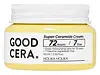
This barrier-repair day moisturizer is formulated around Ceramide NP and Ceramide AP to strengthen the skin barrier and hydrate skin.
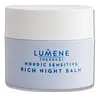
This barrier-repair night moisturizer is formulated around Xylitol and Butyrospermum Parkii Butter to strengthen the skin barrier and calm redness.


What's inside
What's inside
 Key Ingredients
Benefits
Concerns
Ingredients Side-by-side
Water
Skin ConditioningButylene Glycol
Humectant

Glycerin
Humectant
Cyclopentasiloxane
Emollient
Butylene Glycol Dicaprylate/Dicaprate
EmollientEthylhexyl Isononanoate
EmollientHydrogenated Polyisobutene
EmollientGlyceryl Stearate
Emollient

1,2-Hexanediol
Skin Conditioning
Cetearyl Alcohol
Emollient




Stearic Acid
Cleansing
Polysorbate 60
Emulsifying
Polyglyceryl-3 Methylglucose Distearate
Emulsifying
Pentaerythrityl Tetraethylhexanoate
Emollient
Stearyl Behenate
Emollient
Dimethicone
Emollient
Dimethicone/Vinyl Dimethicone Crosspolymer
Skin Conditioning
Cetearyl Glucoside
Emulsifying
Phytosteryl/Isostearyl/Cetyl/Stearyl/Behenyl Dimer Dilinoleate
Skin Conditioning
Ceramide NP
Skin Conditioning



Hydrogenated Polydecene
EmollientButyrospermum Parkii Butter
Skin Conditioning
Ceteareth-20
CleansingGlyceryl Citrate/Lactate/Linoleate/Oleate
Emulsifying
Hydroxypropyl Bispalmitamide Mea
Emollient
Glycosphingolipids
EmollientCeramide AP
Skin Conditioning
Meadowfoam Estolide
Skin ConditioningGlycine Soja Sterols
Emollient
Caprylic/Capric Triglyceride
Masking
Ceramide EOP
Skin Conditioning
Glyceryl Polymethacrylate
Aleuritic Acid
Skin ConditioningYeast Extract
Skin ConditioningGlycoproteins
Skin Conditioning
Betaine
Humectant
Sodium Hyaluronate
Humectant
Polyquaternium-51
Skin Conditioning
Cocos Nucifera Oil
Masking

Aloe Barbadensis Leaf Extract
Emollient
Hydroxyethyl Acrylate/Sodium Acryloyldimethyl Taurate Copolymer
Emulsion StabilisingSqualane
Emollient
Carbomer
Emulsion StabilisingTromethamine
BufferingTocopheryl Acetate
Antioxidant


Glycerylamidoethyl Methacrylate/Stearyl Methacrylate Copolymer
HumectantAlteromonas Ferment Extract
Skin Conditioning
Bacillus Ferment
Skin Conditioning
Propylene Glycol
Humectant
Theobroma Cacao Seed Extract
Antioxidant
Dipropylene Glycol
HumectantLavandula Angustifolia Oil
Masking


Citrus Grandis Peel Oil
Masking
Cymbopogon Citratus Leaf Oil
Masking
Pelargonium Graveolens Oil
Masking
Citrus Aurantium Dulcis Peel Oil
Masking
Pogostemon Cablin Leaf Oil
Masking
Santalum Album Oil
Masking
Chamomilla Recutita Flower Oil
Masking
Niacinamide
Smoothing





Allantoin
Skin Conditioning
Disodium EDTA
Ethylhexylglycerin
Skin ConditioningWater, Butylene Glycol, Glycerin, Cyclopentasiloxane, Butylene Glycol Dicaprylate/Dicaprate, Ethylhexyl Isononanoate, Hydrogenated Polyisobutene, Glyceryl Stearate, 1,2-Hexanediol, Cetearyl Alcohol, Stearic Acid, Polysorbate 60, Polyglyceryl-3 Methylglucose Distearate, Pentaerythrityl Tetraethylhexanoate, Stearyl Behenate, Dimethicone, Dimethicone/Vinyl Dimethicone Crosspolymer, Cetearyl Glucoside, Phytosteryl/Isostearyl/Cetyl/Stearyl/Behenyl Dimer Dilinoleate, Ceramide NP, Hydrogenated Polydecene, Butyrospermum Parkii Butter, Ceteareth-20, Glyceryl Citrate/Lactate/Linoleate/Oleate, Hydroxypropyl Bispalmitamide Mea, Glycosphingolipids, Ceramide AP, Meadowfoam Estolide, Glycine Soja Sterols, Caprylic/Capric Triglyceride, Ceramide EOP, Glyceryl Polymethacrylate, Aleuritic Acid, Yeast Extract, Glycoproteins, Betaine, Sodium Hyaluronate, Polyquaternium-51, Cocos Nucifera Oil, Aloe Barbadensis Leaf Extract, Hydroxyethyl Acrylate/Sodium Acryloyldimethyl Taurate Copolymer, Squalane, Carbomer, Tromethamine, Tocopheryl Acetate, Glycerylamidoethyl Methacrylate/Stearyl Methacrylate Copolymer, Alteromonas Ferment Extract, Bacillus Ferment, Propylene Glycol, Theobroma Cacao Seed Extract, Dipropylene Glycol, Lavandula Angustifolia Oil, Citrus Grandis Peel Oil, Cymbopogon Citratus Leaf Oil, Pelargonium Graveolens Oil, Citrus Aurantium Dulcis Peel Oil, Pogostemon Cablin Leaf Oil, Santalum Album Oil, Chamomilla Recutita Flower Oil, Niacinamide, Allantoin, Disodium EDTA, Ethylhexylglycerin
Water
Skin ConditioningXylitol
Humectant
Glycerin
Humectant
Butyrospermum Parkii Butter
Skin Conditioning
Oleyl Erucate
Emollient
Propanediol
Solvent
Myristyl Myristate
Emollient
Shea Butter Ethyl Esters
Emollient
Vaccinium Myrtillus Fruit Juice
Skin ConditioningC12-16 Alcohols
EmollientCanola Oil
Emollient
Pentylene Glycol
Skin Conditioning
Glyceryl Stearate
Emollient
Cetyl Alcohol
Emollient
Betaine
Humectant
Avena Sativa Kernel Oil
Skin Conditioning
Avena Sativa Kernel Extract
Abrasive
Inulin
Skin Conditioning
Hydrogenated Oat Kernel Oil
Emollient
Vaccinium Myrtillus Seed Oil
Skin Conditioning
Ceramide NP
Skin Conditioning
Ceramide AP
Skin Conditioning
Phytosphingosine
Skin Conditioning
Cholesterol
Emollient
Ceramide EOP
Skin Conditioning
Hydrogenated Lecithin
Emulsifying
Palmitic Acid
Emollient
Tocopherol
Antioxidant
Saccharide Isomerate
Humectant
Cetearyl Alcohol
Emollient
Brassica Campestris Sterols
EmollientEthylhexylglycerin
Skin ConditioningHydroxyacetophenone
Antioxidant
Helianthus Annuus Seed Oil
Emollient
Sodium Gluconate
Skin ConditioningSclerotium Gum
Emulsion StabilisingPhenoxyethanol
Preservative
Cetyl Hydroxyethylcellulose
Emulsion StabilisingPolyglyceryl-10 Stearate
Skin Conditioning
Triethyl Citrate
Masking
Polyglyceryl-6 Behenate
Emulsion Stabilising
Citric Acid
Buffering
Sodium Citrate
BufferingSodium Carrageenan
Emulsion StabilisingBehenic Acid
Cleansing
Sodium Levulinate
Skin ConditioningPotassium Sorbate
Preservative
Maris Sal
Skin ConditioningDisodium Phosphate
BufferingHydrated Silica
Abrasive
Silica Dimethyl Silylate
EmollientSodium Cetearyl Sulfate
Cleansing
Rosmarinus Officinalis Leaf Extract
AntimicrobialWater, Xylitol, Glycerin, Butyrospermum Parkii Butter, Oleyl Erucate, Propanediol, Myristyl Myristate, Shea Butter Ethyl Esters, Vaccinium Myrtillus Fruit Juice, C12-16 Alcohols, Canola Oil, Pentylene Glycol, Glyceryl Stearate, Cetyl Alcohol, Betaine, Avena Sativa Kernel Oil, Avena Sativa Kernel Extract, Inulin, Hydrogenated Oat Kernel Oil, Vaccinium Myrtillus Seed Oil, Ceramide NP, Ceramide AP, Phytosphingosine, Cholesterol, Ceramide EOP, Hydrogenated Lecithin, Palmitic Acid, Tocopherol, Saccharide Isomerate, Cetearyl Alcohol, Brassica Campestris Sterols, Ethylhexylglycerin, Hydroxyacetophenone, Helianthus Annuus Seed Oil, Sodium Gluconate, Sclerotium Gum, Phenoxyethanol, Cetyl Hydroxyethylcellulose, Polyglyceryl-10 Stearate, Triethyl Citrate, Polyglyceryl-6 Behenate, Citric Acid, Sodium Citrate, Sodium Carrageenan, Behenic Acid, Sodium Levulinate, Potassium Sorbate, Maris Sal, Disodium Phosphate, Hydrated Silica, Silica Dimethyl Silylate, Sodium Cetearyl Sulfate, Rosmarinus Officinalis Leaf Extract
Reviews
Ingredients Explained
These ingredients are found in both products.
Ingredients higher up in an ingredient list are typically present in a larger amount.
Betaine is a humectant. Like hyaluronic acid, it helps attract and retain moisture in the skin. It’s known for being gentle and for helping the skin maintain balanced hydration.
Betaine is mainly used to improve hydration and support calmer skin. It helps skin cells regulate water balance because it functions as an osmolyte.
Some studies suggest betaine may support making skin tone more even.
Fun fact: Betaine naturally exists in the skin and the body. In cosmetic products, it can be either plant-derived (most commonly from sugar beets) or synthetically produced for consistency and stability.
Betaine is also known as trimethylglycine.
Learn more about BetaineThis ingredient is also known as shea butter. It is a plant-derived extract from the nuts of the Africa shea tree and one of the most well-studied emollients.
Because it has a high concentration of fatty acids (primarily oleic, stearic, and linoleic) it is able to form a protective barrier on the skin's surface. This helps seal in moisture and prevents transepidermal water loss (TEWL).
In vitro research found an increase in skin hydration by 58% and a decrease in TEWL by 37.8% after 24 hours of applying this ingredient (pretty impressive for a single ingredient!).
Besides hydration, shea butter also contains triterpenes that have anti-inflammatory potential. In particule, lupeol cinnamate has shown the highest anti-inflammatory activity in vivo.
Shea butter also contains vitamins A and E which may contribute to antioxidant activity.
While Shea Butter has an SPF rating of about 3-4, it is not a sunscreen replacement.
This ingredient may not be fungal acne safe because its fatty acids fall within the C11-C24 range that the Malassezia yeast can metabolize.
Learn more about Butyrospermum Parkii ButterCeramide AP is is a skin-identical lipid that mimics what your skin already makes naturally. Ceramides help maintain epidermal integrity and barrier function.
You'll often see this ingredient paired with other ceramides (like ceramide NP), cholesterol, or fatty acids because this combination best mimics the natural lipid mix your skin already has.
The skin's ability to produce ceramides gets disrupted in skin conditions like eczema. This in turn weakens the skin barrier and applying ceramides topically has been shown to replenish what's been lost to restore barrier function.
Most of the studies with Ceramide AP test it as part of a multi-ceramide complex; studies reinforce ceramide AP's role in rebalancing ceramides in skin and improving skin hydration.
Learn more about Ceramide APCeramide EOP is formally known as Ceramide 1.
It is naturally found in skin and part of the intercellular "mortar" holding everything together in your outermost layer.
EOP stands for a linked Ester fatty acid, a linked Omega hydroxy fatty acid, and the Phytosphingosine base.
What makes Ceramide EOP special is its ultra-long fatty acid chain; this unique structure allows it to bridge the lipid layers in your skin barrier to prevent water loss (something no other ceramide can do).
Low levels of Ceramide EOP have been found in people with eczema and psoriasis.
Using it together with other ceramides, cholesterol, and linoleic acid have been shown to meaningfully improve hydration and reduce water loss.
In one clinical study, a regimen using Ceramide EOP, NP, and AP led to significant symptom improvements in patients with eczema, psoriasis, and dry skin in just 4 weeks.
You'll usually see concentrations between 0.1-0.5% in formulations. Overall, this is a well-tolerated and safe ingredient for cosmetic use.
Learn more about Ceramide EOPCeramide NP (formerly known as Ceramide 3) is one of the skin's naturally occurring lipids.
Since ceramides are the major lipid components of the skin, they are crucial for maintaining skin barrier and hydration. Ceramide NP most closely mirrors the dominant kind in human skin amongst ceramide subtypes.
This ceramide works by slotting into gaps within the stratum corneum's lipid matrix to limit trans-epidermal water loss (TEWL) and shield the skin against external irritants.
A study with 312 patients found that using a ceramide-containing routine for 4 weeks reduced the severity of atopic dermatitis by over 61%.
Another clinical study in subjects aged 60 and older found that a ceramide body wash and moisturizer improved skin dryness and itchy skin in 15 days.
Overall, ceramides are considered non-irritating and safety tests have found little to no observable adverse effects from using this ingredient.
Ceramide NP is usually sourced from plants (like soybean or rice bran), or produced synthetically.
Learn more about Ceramide NPCetearyl alcohol is a waxy mixture of two fatty alcohols: cetyl alcohol and stearyl alcohol. It is an emollient and emulsifier.
Despite having "alcohol" in its name, it has nothing to do with drying solvent alcohols; the FDA also allows "alcohol-free" products to contain fatty alcohols like this ingredient.
It plays several roles in a formula:
Typical use levels for this ingredient sit around 1-10% and the Cosmetic Ingredient Review Expert Panel has affirmed safety at concentrations up to 25% in leave-on products.
Multiple assessments have found it to be non-irritating and non-sensitizing to most people.
However, there have been some cases of allergic contact dermatitis in patients with chronically compromised skin barriers.
Cetearyl alcohol has a comedogenic rating of 2 and irritancy rating of 1. Both of these numbers come from the 1989 study that used rabbit ears; a "2" means mildly comedogenic and a "1" means low irritancy.
Here's the catch: rabbit skin is more sensitive than human skin and throws a lot of false positives. A 1996 reappraisal found that ingredients rated 1-2 in the rabbit ear tests are generally safe for humans.
Remember comedogenic ratings are unable to assess the entire formula of a product or how it will react on your skin. Just be sure to patch test if you are unsure about certain ingredients.
This ingredient is not fungal acne safe. Cetearyl alcohol is a fatty alcohol with chain lengths that fall within the range that Malassezia can metabolize.
A 2019 study has also observed Malassezia growth in the presence of this ingredient, confirming it to be not-fungal acne safe.
Learn more about Cetearyl AlcoholEthylhexylglycerin is created from glycerin. It is a multitasker ingredient that:
The CIR Expert Panel found minimal skin absorption or sensitization of any kind in a safety assessment. Though this ingredient is considered well-tolerated, a small number of cases of allergic dermatitis have been published since 2002. Just be sure to patch test if you are unsure.
Industry-reported use ranges from 8% in rinse-off products and 2% in leave-on formulations.
Learn more about EthylhexylglycerinGlycerin (or glycerol) is a compound naturally found in your skin. It's a powerhouse humectant that pulls water into the stratum corneum.
Topically, glycerin does several things at once:
Your skin makes glycerin on its own (mostly from sebaceous oil breakdown) and shuttles it to your outermost layer of skin, or your epidermis, via aquaporin-3.
Aquaporin-3 is a transporter that is essential for normal skin hydration, elasticity, and repair. Interestingly, mice lacking in AQP3 have dry and less elastic skin that can be fully corrected with glycerin.
This ingredient is non-irritating, plays well with almost every ingredient, and works across all skin types. Typical use is anywhere between 3-10% but can go up to 79% in some leave-on products.
Just know very high concentrations (>40%) can feel tacky in low humidity.
Glycerin is the name for this ingredient in American English. British English uses Glycerol/Glycerine.
Learn more about GlycerinGlyceryl Stearate is made by reacting glycerin with stearic acid (typically sourced from plant oils like palm or coconut). It's an emulsifier, emollient, and mild occlusive.
Emulsifiers help ingredients like oil and water stay mixed so your formula stays nicely blended and uniform in texture.
This ingredient is typically used in concentrations between 1-10%. Studies have found it to be non-sensitizing, non-phototoxic, and non-photoallergenic.
A close cousin of this ingredient is Glyceryl Stearate SE ("self-emulsifying"). This just has a small amount of sodium or potassium stearate added so it can emulsify without a co-emulsifier.
Since this ingredient is an ester of a C18 fatty acid, it may not be fungal acne safe. The Malassezia yeast can potentially metabolize within the C11-C24 range.
Fun fact: The human body also creates Glyceryl Stearate naturally.
Learn more about Glyceryl StearateWater. It's the most common cosmetic ingredient of all. You'll usually see it at the top of ingredient lists, meaning that it makes up the largest part of the product.
So why is it so popular? Water most often acts as a solvent - this means that it helps dissolve other ingredients into the formulation.
You'll also recognize water as that liquid we all need to stay alive. If you see this, drink a glass of water. Remember to stay hydrated!
Learn more about Water

