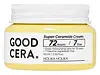
This barrier-repair day moisturizer is formulated around Ceramide NP and Ceramide AP to strengthen the skin barrier and hydrate skin.
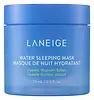
This hydrating overnight mask is formulated around Ceramide AP and Squalane to hydrate skin and strengthen the skin barrier.

What's inside
What's inside
 Key Ingredients
Benefits
Concerns
Ingredients Side-by-side
Water
Skin ConditioningButylene Glycol
Humectant

Glycerin
Humectant
Cyclopentasiloxane
Emollient
Butylene Glycol Dicaprylate/Dicaprate
EmollientEthylhexyl Isononanoate
EmollientHydrogenated Polyisobutene
EmollientGlyceryl Stearate
Emollient

1,2-Hexanediol
Skin Conditioning
Cetearyl Alcohol
Emollient




Stearic Acid
Cleansing
Polysorbate 60
Emulsifying
Polyglyceryl-3 Methylglucose Distearate
Emulsifying
Pentaerythrityl Tetraethylhexanoate
Emollient
Stearyl Behenate
Emollient
Dimethicone
Emollient
Dimethicone/Vinyl Dimethicone Crosspolymer
Skin Conditioning
Cetearyl Glucoside
Emulsifying
Phytosteryl/Isostearyl/Cetyl/Stearyl/Behenyl Dimer Dilinoleate
Skin Conditioning
Ceramide NP
Skin Conditioning



Hydrogenated Polydecene
EmollientButyrospermum Parkii Butter
Skin Conditioning
Ceteareth-20
CleansingGlyceryl Citrate/Lactate/Linoleate/Oleate
Emulsifying
Hydroxypropyl Bispalmitamide Mea
Emollient
Glycosphingolipids
EmollientCeramide AP
Skin Conditioning
Meadowfoam Estolide
Skin ConditioningGlycine Soja Sterols
Emollient
Caprylic/Capric Triglyceride
Masking
Ceramide EOP
Skin Conditioning
Glyceryl Polymethacrylate
Aleuritic Acid
Skin ConditioningYeast Extract
Skin ConditioningGlycoproteins
Skin Conditioning
Betaine
Humectant
Sodium Hyaluronate
Humectant
Polyquaternium-51
Skin Conditioning
Cocos Nucifera Oil
Masking

Aloe Barbadensis Leaf Extract
Emollient
Hydroxyethyl Acrylate/Sodium Acryloyldimethyl Taurate Copolymer
Emulsion StabilisingSqualane
Emollient
Carbomer
Emulsion StabilisingTromethamine
BufferingTocopheryl Acetate
Antioxidant


Glycerylamidoethyl Methacrylate/Stearyl Methacrylate Copolymer
HumectantAlteromonas Ferment Extract
Skin Conditioning
Bacillus Ferment
Skin Conditioning
Propylene Glycol
Humectant
Theobroma Cacao Seed Extract
Antioxidant
Dipropylene Glycol
HumectantLavandula Angustifolia Oil
Masking


Citrus Grandis Peel Oil
Masking
Cymbopogon Citratus Leaf Oil
Masking
Pelargonium Graveolens Oil
Masking
Citrus Aurantium Dulcis Peel Oil
Masking
Pogostemon Cablin Leaf Oil
Masking
Santalum Album Oil
Masking
Chamomilla Recutita Flower Oil
Masking
Niacinamide
Smoothing





Allantoin
Skin Conditioning
Disodium EDTA
Ethylhexylglycerin
Skin ConditioningWater, Butylene Glycol, Glycerin, Cyclopentasiloxane, Butylene Glycol Dicaprylate/Dicaprate, Ethylhexyl Isononanoate, Hydrogenated Polyisobutene, Glyceryl Stearate, 1,2-Hexanediol, Cetearyl Alcohol, Stearic Acid, Polysorbate 60, Polyglyceryl-3 Methylglucose Distearate, Pentaerythrityl Tetraethylhexanoate, Stearyl Behenate, Dimethicone, Dimethicone/Vinyl Dimethicone Crosspolymer, Cetearyl Glucoside, Phytosteryl/Isostearyl/Cetyl/Stearyl/Behenyl Dimer Dilinoleate, Ceramide NP, Hydrogenated Polydecene, Butyrospermum Parkii Butter, Ceteareth-20, Glyceryl Citrate/Lactate/Linoleate/Oleate, Hydroxypropyl Bispalmitamide Mea, Glycosphingolipids, Ceramide AP, Meadowfoam Estolide, Glycine Soja Sterols, Caprylic/Capric Triglyceride, Ceramide EOP, Glyceryl Polymethacrylate, Aleuritic Acid, Yeast Extract, Glycoproteins, Betaine, Sodium Hyaluronate, Polyquaternium-51, Cocos Nucifera Oil, Aloe Barbadensis Leaf Extract, Hydroxyethyl Acrylate/Sodium Acryloyldimethyl Taurate Copolymer, Squalane, Carbomer, Tromethamine, Tocopheryl Acetate, Glycerylamidoethyl Methacrylate/Stearyl Methacrylate Copolymer, Alteromonas Ferment Extract, Bacillus Ferment, Propylene Glycol, Theobroma Cacao Seed Extract, Dipropylene Glycol, Lavandula Angustifolia Oil, Citrus Grandis Peel Oil, Cymbopogon Citratus Leaf Oil, Pelargonium Graveolens Oil, Citrus Aurantium Dulcis Peel Oil, Pogostemon Cablin Leaf Oil, Santalum Album Oil, Chamomilla Recutita Flower Oil, Niacinamide, Allantoin, Disodium EDTA, Ethylhexylglycerin
Water
Skin ConditioningButylene Glycol
Humectant
Glycerin
Humectant
Methyl Trimethicone
Skin Conditioning
Ceramide AP
Skin Conditioning
1,2-Hexanediol
Skin Conditioning
Squalane
Emollient
Phenyl Trimethicone
Skin Conditioning
PCA Dimethicone
Skin Conditioning
Caprylyl Methicone
Skin Conditioning
Ammonium Acryloyldimethyltaurate/Vp Copolymer
Lactobacillus Ferment Lysate
Skin Conditioning
Carbomer
Emulsion StabilisingPropanediol
Solvent
Tromethamine
BufferingAcrylates/C10-30 Alkyl Acrylate Crosspolymer
Emulsion StabilisingGlyceryl Caprylate
EmollientEthylhexylglycerin
Skin ConditioningDisodium EDTA
Raffinose
Skin ConditioningStearyl Behenate
Emollient
Malachite Extract
Antioxidant
Parfum
Masking
Polyglyceryl-3 Methylglucose Distearate
Emulsifying
Inulin Lauryl Carbamate
Emulsion StabilisingNiacinamide
Smoothing
Tryptophan
MaskingHydroxypropyl Bispalmitamide Mea
Emollient
Beta-Glucan
Skin Conditioning
Limonene
Perfuming
Saururus Chinensis Extract
Skin ConditioningAcorus Gramineus Extract
HumectantLinalool
Perfuming
Tocopherol
Antioxidant
Water, Butylene Glycol, Glycerin, Methyl Trimethicone, Ceramide AP, 1,2-Hexanediol, Squalane, Phenyl Trimethicone, PCA Dimethicone, Caprylyl Methicone, Ammonium Acryloyldimethyltaurate/Vp Copolymer, Lactobacillus Ferment Lysate, Carbomer, Propanediol, Tromethamine, Acrylates/C10-30 Alkyl Acrylate Crosspolymer, Glyceryl Caprylate, Ethylhexylglycerin, Disodium EDTA, Raffinose, Stearyl Behenate, Malachite Extract, Parfum, Polyglyceryl-3 Methylglucose Distearate, Inulin Lauryl Carbamate, Niacinamide, Tryptophan, Hydroxypropyl Bispalmitamide Mea, Beta-Glucan, Limonene, Saururus Chinensis Extract, Acorus Gramineus Extract, Linalool, Tocopherol
Reviews
Ingredients Explained
These ingredients are found in both products.
Ingredients higher up in an ingredient list are typically present in a larger amount.
1,2-Hexanediol is a synthetic liquid and another multi-functional powerhouse.
It is a:
- Humectant, drawing moisture into the skin
- Emollient, helping to soften skin
- Solvent, dispersing and stabilizing formulas
- Preservative booster, enhancing the antimicrobial activity of other preservatives
Butylene Glycol (or BG) is used within cosmetic products for a few different reasons:
Overall, Butylene Glycol is a safe and well-rounded ingredient that works well with other ingredients.
Though this ingredient works well with most skin types, some people with sensitive skin may experience a reaction such as allergic rashes, closed comedones, or itchiness.
Learn more about Butylene GlycolCarbomer is a synthetic thickening and gelling agent. It's basically the ingredient that gives a lot of serums, gels, creams, and sunscreens their smooth, non-sticky texture.
Although legally permitted at very high levels, carbomers are normally used at concentrations below 1%.
It also needs to be neutralized to actually thicken, and because it is a large molecule, it doesn't really penetrate the skin barrier.
Allergy-wise, the risk is very low. Clinical studies show carbomers have low potential for skin irritation/sensitization even at concentrations up to 100%.
A 2024 UK study patch-tested 1,302 patients and found true allergy to the parent group of carbomer to be rare with no confirmed relevant reactions.
Learn more about CarbomerCeramide AP is is a skin-identical lipid that mimics what your skin already makes naturally. Ceramides help maintain epidermal integrity and barrier function.
You'll often see this ingredient paired with other ceramides (like ceramide NP), cholesterol, or fatty acids because this combination best mimics the natural lipid mix your skin already has.
The skin's ability to produce ceramides gets disrupted in skin conditions like eczema. This in turn weakens the skin barrier and applying ceramides topically has been shown to replenish what's been lost to restore barrier function.
Most of the studies with Ceramide AP test it as part of a multi-ceramide complex; studies reinforce ceramide AP's role in rebalancing ceramides in skin and improving skin hydration.
Learn more about Ceramide APDisodium EDTA is a chelating agent. It grabs onto and deactivates metal ions that sneak into your products from water, packaging, or air.
This ingredient mainly works behind the scenes and helps with:
On top of that, this ingredient can counteract the effects of hard water by binding to the minerals in it.
One thing worth knowing is that Disodium EDTA has been shown to be a mild penetration enhancer. It can help other ingredients absorb into skin more effectively which can be a double-edged sword (great for actives, but can also make the active too strong if you have sensitive skin).
Clinical patch testing showed no significant skin irritation at typical use concentrations and minimal dermal absorption.
You'll most likely see this ingredient near the end of an ingredient list. It's typically found in concentrations less than 1%.
Learn more about Disodium EDTAEthylhexylglycerin is created from glycerin. It is a multitasker ingredient that:
The CIR Expert Panel found minimal skin absorption or sensitization of any kind in a safety assessment. Though this ingredient is considered well-tolerated, a small number of cases of allergic dermatitis have been published since 2002. Just be sure to patch test if you are unsure.
Industry-reported use ranges from 8% in rinse-off products and 2% in leave-on formulations.
Learn more about EthylhexylglycerinGlycerin (or glycerol) is a compound naturally found in your skin. It's a powerhouse humectant that pulls water into the stratum corneum.
Topically, glycerin does several things at once:
Your skin makes glycerin on its own (mostly from sebaceous oil breakdown) and shuttles it to your outermost layer of skin, or your epidermis, via aquaporin-3.
Aquaporin-3 is a transporter that is essential for normal skin hydration, elasticity, and repair. Interestingly, mice lacking in AQP3 have dry and less elastic skin that can be fully corrected with glycerin.
This ingredient is non-irritating, plays well with almost every ingredient, and works across all skin types. Typical use is anywhere between 3-10% but can go up to 79% in some leave-on products.
Just know very high concentrations (>40%) can feel tacky in low humidity.
Glycerin is the name for this ingredient in American English. British English uses Glycerol/Glycerine.
Learn more about GlycerinHydroxypropyl Bispalmitamide MEA is a synthetic molecule designed to mimic ceramides. Ceramides moisturize and strengthen the skin barrier.
This ingredient is claimed to be as effective as Ceramide 3, but with the added benefits of a lower melting point. This makes it easier to work with in formulations at a more affordable price.
According to a study looking at the structure of Hydroxypropyl Bispalmitamide MEA, this ingredient cannot be categorized as a ceramide because it is lacking the sphingosine moiety.
Learn more about Hydroxypropyl Bispalmitamide MeaNiacinamide is a multitasking form of vitamin B3 that strengthens the skin barrier, reduces pores and dark spots, regulates oil, and improves signs of aging.
And the best part? It's gentle and well-tolerated by most skin types, including sensitive and reactive skin.
You might have heard of "niacin flush", or the reddening of skin that causes itchiness. Niacinamide has not been found to cause this.
In very rare cases, some individuals may not be able to tolerate niacinamide at all or experience an allergic reaction to it.
If you are experiencing flaking, irritation, and dryness with this ingredient, be sure to double check all your products as this ingredient can be found in all categories of skincare.
When incorporating niacinamide into your routine, look out for concentration amounts. Typically, 5% niacinamide provides benefits such as fading dark spots. However, if you have sensitive skin, it is better to begin with a smaller concentration.
When you apply niacinamide to your skin, your body converts it into nicotinamide adenine dinucleotide (NAD). NAD is an essential coenzyme that is already found in your cells as "fuel" and powers countless biological processes.
In your skin, NAD helps repair cell damage, produce new healthy cells, support collagen production, strengthen the skin barrier, and fight environmental stressors (like UV and pollution).
Our natural NAD levels start to decline with age, leading to slower skin repair, visible aging, and a weaker skin barrier. By providing your skin niacinamide, you're recharging your skin's NAD levels. This leads to stronger, healthier, and younger looking skin.
Another name for vitamin B3 is nicotinamide. This vitamin is water-soluble and our bodies don't store it. We obtain Vitamin B3 from either food or skincare. Meat, fish, wheat, yeast, and leafy greens contain vitamin B3.
The type of niacinamide used in skincare is synthetically created.
Learn more about NiacinamidePolyglyceryl-3 Methylglucose Distearate is a plant-derived emulsifier whose only job is to keep the oily and watery parts of a formula blended so it doesn't separate into layers.
It's compatible with a wide-range of active ingredients and especially good at making emulsions survive heat/freeze cycles.
Typical use concentrations range from 2-3% and it works across a pH of 4.5-8.5.
This ingredient has been found safe to use in cosmetics and has a low irritation profile.
Because it's build on stearic acid, it may not be fungal acne safe. Stearic acid is a C18 fatty acid that falls within the range (C11-24) that Malassezia can feed on.
Learn more about Polyglyceryl-3 Methylglucose DistearateSqualane is the hydrogenated and shelf-stable form of squalene (a lipid that naturally occurs in human sebum).
It is an emollient and skin conditioning agent that is able to integrate seamlessly into the skin's lipid barrier without clogging pores.
This is due to how structurally similar it is to what your skin already produces.
Though it is mostly an emollient that helps soften and hydrate skin, it also has some humectant and occlusive action. Humectants help the skin retain moisture while occlusives seal it in, making squalane a triple-threat moisturizer.
Research shows it has antioxidant capabilities that help protect against stressors like UV exposure, specifically UVA induced oxidative stress. This study also found that it supports collagen biosynthesis in human dermal fibroblasts.
No clinical study has reported significant adverse effects and irritation reactions are very rare from this ingredient (even at 100% concentration).
Overall, it's a fantastic ingredient for hydration and is suitable for all skin types.
This depends on the source. Squalane can be derived from both plants and animals. Most squalane used in skincare comes from plants.
Please note: the source of squalane is only known if disclosed by the brand. We recommend reaching out to the brand if you have any questions about their squalane.
Read more about squalene with an "e".
Though squalane is often called an oil, it’s technically not one. It is a hydrocarbon, meaning it is only made of carbon and hydrogen. True oils are triglycerides and made of fatty acids and glycerol.
The term “oil-free” isn’t regulated so companies can define it however they want. Some exclude all oils, while others just avoid mineral oil or comedogenic oils.
Squalane has a comedogenic rating of 1 from the original 1972 study that tested raw ingredients under occlusion on rabbit ears. This system is not standardized or peer-reviewed, and using the raw ingredients is very different from how diluted cosmetic formulations are used on human skin.
A comedogenic rating of 1 means it is "unlikely to clog pores" according to the original rating system.
The overall formula of a product matters more than the individual ingredients on whether or not it will cause clogged pores.
Learn more about SqualaneStearyl Behenate isn't fungal acne safe.
Tromethamine (aka THAM) is a synthetic amino acid that shows up in skincare as a helper ingredient.
It functions as a pH adjuster to help neutralize acidic ingredients and set a formula's pH to the right spot.
This matters a lot because a lot of actives (like vitamin C) needs a specific pH to work well and feel comfortable on skin.
Concentration use ranges from 0.1-1.0% depending on the formula.
Learn more about TromethamineWater. It's the most common cosmetic ingredient of all. You'll usually see it at the top of ingredient lists, meaning that it makes up the largest part of the product.
So why is it so popular? Water most often acts as a solvent - this means that it helps dissolve other ingredients into the formulation.
You'll also recognize water as that liquid we all need to stay alive. If you see this, drink a glass of water. Remember to stay hydrated!
Learn more about Water

