Haruharu Wonder Black Rice Probiotics Barrier 2% NAD+ Serum Mist Versus Numbuzin 9+ NAD Bio Lifting-Sil Essence
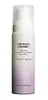
This barrier-repair serum is formulated around Galactomyces Ferment Filtrate and Oryza Sativa Extract to strengthen the skin barrier and calm redness.
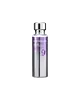
This anti-aging essence is formulated around Niacinamide and Adenosine to soften the look of wrinkles and refine skin texture.

What's inside
What's inside
 Key Ingredients
Benefits
Concerns
Ingredients Side-by-side
Water
Skin ConditioningButylene Glycol
Humectant

Nicotinamide Adenine Dinucleotide
Skin Conditioning1,2-Hexanediol
Skin Conditioning
Coco-Caprylate/Caprate
Emollient
Potassium Cetyl Phosphate
EmulsifyingLimnanthes Alba Seed Oil
Skin Conditioning


Galactomyces Ferment Filtrate
Humectant



Hydroxyacetophenone
Antioxidant
Glycerin
Humectant
Caprylic/Capric Triglyceride
Masking
Oryza Sativa Extract
Absorbent
Sodium Citrate
BufferingSqualane
Emollient
Hydrogenated Polyisobutene
EmollientPhyllostachys Pubescens Shoot Bark Extract
Skin ConditioningGlyceryl Stearate
Emollient
Propanediol
Solvent
Panthenol
Skin Conditioning
Bifida Ferment Filtrate
Skin Conditioning
Aspergillus Ferment
Skin ConditioningCetyl Alcohol
Emollient
Hydrogenated Lecithin
Emulsifying
Ethylhexylglycerin
Skin ConditioningPolyglyceryl-10 Laurate
Skin Conditioning
Polyglyceryl-3 Methylglucose Distearate
Emulsifying
Stearyl Alcohol
Emollient
Disodium EDTA
Acrylates/C10-30 Alkyl Acrylate Crosspolymer
Emulsion StabilisingOryza Sativa Lees Extract
Skin ConditioningPanax Ginseng Root Extract
Emollient
Myristyl Alcohol
Emollient


Lauryl Alcohol
Emollient
Ceramide NP
Skin Conditioning
Cetearyl Alcohol
Emollient
Stearic Acid
Cleansing
Cyclodextrin
AbsorbentCeramide Ns
Skin Conditioning
Phytosphingosine
Skin Conditioning
Cholesterol
Emollient
Ceramide As
Skin Conditioning
Ceramide AP
Skin Conditioning
Ceramide EOP
Skin Conditioning
Water, Butylene Glycol, Nicotinamide Adenine Dinucleotide, 1,2-Hexanediol, Coco-Caprylate/Caprate, Potassium Cetyl Phosphate, Limnanthes Alba Seed Oil, Galactomyces Ferment Filtrate, Hydroxyacetophenone, Glycerin, Caprylic/Capric Triglyceride, Oryza Sativa Extract, Sodium Citrate, Squalane, Hydrogenated Polyisobutene, Phyllostachys Pubescens Shoot Bark Extract, Glyceryl Stearate, Propanediol, Panthenol, Bifida Ferment Filtrate, Aspergillus Ferment, Cetyl Alcohol, Hydrogenated Lecithin, Ethylhexylglycerin, Polyglyceryl-10 Laurate, Polyglyceryl-3 Methylglucose Distearate, Stearyl Alcohol, Disodium EDTA, Acrylates/C10-30 Alkyl Acrylate Crosspolymer, Oryza Sativa Lees Extract, Panax Ginseng Root Extract, Myristyl Alcohol, Lauryl Alcohol, Ceramide NP, Cetearyl Alcohol, Stearic Acid, Cyclodextrin, Ceramide Ns, Phytosphingosine, Cholesterol, Ceramide As, Ceramide AP, Ceramide EOP
Water
Skin ConditioningGlycerin
Humectant
Hydrogenated Poly(C6-14 Olefin)
EmollientPolyglycerin-3
Humectant
Butylene Glycol
Humectant
Pentaerythrityl Tetraethylhexanoate
Emollient
Propanediol
Solvent
Dimethicone
Emollient
1,2-Hexanediol
Skin Conditioning
Niacinamide
Smoothing





Methylpropanediol
SolventCetearyl Alcohol
Emollient
Glyceryl Stearate
Emollient
Hydrogenated Vegetable Oil
Emollient
Polyglyceryl-3 Methylglucose Distearate
Emulsifying
Butyrospermum Parkii Butter
Skin Conditioning
Dimethicone Crosspolymer
Emulsion Stabilising
Ammonium Acryloyldimethyltaurate/Vp Copolymer
Sodium Polyacrylate
Absorbent
Hydrogenated Lecithin
Emulsifying
Carbomer
Emulsion StabilisingXanthan Gum
EmulsifyingPentylene Glycol
Skin Conditioning
Tromethamine
BufferingEthylhexylglycerin
Skin ConditioningAdenosine
Skin Conditioning
Palmitic Acid
Emollient
Stearic Acid
Cleansing
Sodium Phytate
Cholesterol
Emollient
Sodium Hyaluronate
Humectant
Adenosine Triphosphate
Skin ConditioningHydroxypropyl Cyclodextrin
MaskingNicotinamide Adenine Dinucleotide
Skin ConditioningBeta-Glucan
Skin Conditioning
Tocopherol
Antioxidant
Palmitoyl Tripeptide-5
Skin Conditioning
Copper Gluconate
Skin Conditioning
Saccharomyces/Copper Ferment
Skin Conditioning
Saccharomyces/Iron Ferment
Skin Conditioning
Saccharomyces/Magnesium Ferment
Saccharomyces/Silicon Ferment
Skin Conditioning
Saccharomyces/Zinc Ferment
Skin Conditioning
Capryloyl Dipeptide-17
Emollient
Thioctic Acid
Antioxidant
Leuconostoc/Radish Root Ferment Filtrate
Antimicrobial
Glutathione
Tremella Fuciformis Extract
Humectant
Haematococcus Pluvialis Oil
Antioxidant
Potassium Hydroxide
BufferingResveratrol
Antioxidant
Hesperidin Methyl Chalcone
Antioxidant
Sorbitan Laurate
Emulsifying
Steareth-20
CleansingAstaxanthin
Skin Conditioning
Sodium Lactate
Buffering
Hydroxyethylcellulose
Emulsion StabilisingAcetyl Dipeptide-1 Cetyl Ester
Skin Conditioning
Dipeptide Diaminobutyroyl Benzylamide Diacetate
Skin Conditioning
Heptasodium Hexacarboxymethyl Dipeptide-12
Skin Conditioning
Panthenol
Skin Conditioning
Polysorbate 20
Emulsifying
Sodium Citrate
BufferingChlorhexidine Digluconate
Antimicrobial
Dextran
Hexapeptide-2
Bleaching
Magnesium Chloride
Tetradecyl Aminobutyroylvalylaminobutyric Urea Trifluoroacetate
Skin ConditioningAcetyl Tetrapeptide-5
Humectant
Dipeptide-2
Skin Conditioning
Potassium Sorbate
Preservative
Acetyl Hexapeptide-8
Humectant
Palmitoyl Dipeptide-5 Diaminobutyroyl Hydroxythreonine
Skin Conditioning
Citric Acid
Buffering
Biotin
AntiseborrhoeicPalmitoyl Tetrapeptide-7
Skin Conditioning
Biotinoyl Tripeptide-1
Acetyl Tetrapeptide-3
Skin Protecting
Trifolium Pratense Flower Extract
AstringentTocopheryl Acetate
Antioxidant
Palmitoyl Tripeptide-8
Skin Conditioning
Dipeptide-4
Skin Conditioning
Hexapeptide-11
Skin Conditioning
Pentapeptide-18
Skin Conditioning
Tripeptide-3
Skin Conditioning
Sh-Decapeptide-7
Antioxidant
Sh-Octapeptide-4
Antioxidant
Palmitoyl Tripeptide-1
Skin Conditioning
Ascorbic Acid Polypeptide
Antioxidant
Hexapeptide-9
Skin Conditioning
Oligopeptide-3
Skin Conditioning
Palmitoyl Hexapeptide-12
Skin Conditioning
Tripeptide-1
Skin Conditioning
Palmitoyl Pentapeptide-4
Skin Conditioning
Ubiquinone
Antioxidant
Copper Tripeptide-1
Skin Conditioning
Caffeoyl Tripeptide-1
Antioxidant
Caffeoyl Sh-Octapeptide-4
Antioxidant
Galloyl Pentapeptide-33
Antioxidant
Kojyl Carboxy Dipeptide-23
Antioxidant
Nicotinoyl Tripeptide-1
Antioxidant
Octapeptide-7
Skin Protecting
Oligopeptide-1
Skin Conditioning
Sh-Decapeptide-9
Skin Conditioning
Sh-Oligopeptide-9
Humectant
Sh-Pentapeptide-19
Skin Conditioning
Asparagine
MaskingGlutamine
Skin ConditioningTryptophan
MaskingOligopeptide-2
Skin Conditioning
Sh-Oligopeptide-1
Skin Conditioning
Sh-Oligopeptide-2
Skin Conditioning
Sh-Polypeptide-1
Skin Conditioning
Sh-Polypeptide-22
Skin Conditioning
Sh-Polypeptide-3
Skin Conditioning
Acetyl Octapeptide-3
Humectant
Acetyl Tetrapeptide-2
Skin Conditioning
Acetyl Tetrapeptide-9
Skin Conditioning
Carnosine
Skin Conditioning
Nonapeptide-1
Skin Conditioning
Water, Glycerin, Hydrogenated Poly(C6-14 Olefin), Polyglycerin-3, Butylene Glycol, Pentaerythrityl Tetraethylhexanoate, Propanediol, Dimethicone, 1,2-Hexanediol, Niacinamide, Methylpropanediol, Cetearyl Alcohol, Glyceryl Stearate, Hydrogenated Vegetable Oil, Polyglyceryl-3 Methylglucose Distearate, Butyrospermum Parkii Butter, Dimethicone Crosspolymer, Ammonium Acryloyldimethyltaurate/Vp Copolymer, Sodium Polyacrylate, Hydrogenated Lecithin, Carbomer, Xanthan Gum, Pentylene Glycol, Tromethamine, Ethylhexylglycerin, Adenosine, Palmitic Acid, Stearic Acid, Sodium Phytate, Cholesterol, Sodium Hyaluronate, Adenosine Triphosphate, Hydroxypropyl Cyclodextrin, Nicotinamide Adenine Dinucleotide, Beta-Glucan, Tocopherol, Palmitoyl Tripeptide-5, Copper Gluconate, Saccharomyces/Copper Ferment, Saccharomyces/Iron Ferment, Saccharomyces/Magnesium Ferment, Saccharomyces/Silicon Ferment, Saccharomyces/Zinc Ferment, Capryloyl Dipeptide-17, Thioctic Acid, Leuconostoc/Radish Root Ferment Filtrate, Glutathione, Tremella Fuciformis Extract, Haematococcus Pluvialis Oil, Potassium Hydroxide, Resveratrol, Hesperidin Methyl Chalcone, Sorbitan Laurate, Steareth-20, Astaxanthin, Sodium Lactate, Hydroxyethylcellulose, Acetyl Dipeptide-1 Cetyl Ester, Dipeptide Diaminobutyroyl Benzylamide Diacetate, Heptasodium Hexacarboxymethyl Dipeptide-12, Panthenol, Polysorbate 20, Sodium Citrate, Chlorhexidine Digluconate, Dextran, Hexapeptide-2, Magnesium Chloride, Tetradecyl Aminobutyroylvalylaminobutyric Urea Trifluoroacetate, Acetyl Tetrapeptide-5, Dipeptide-2, Potassium Sorbate, Acetyl Hexapeptide-8, Palmitoyl Dipeptide-5 Diaminobutyroyl Hydroxythreonine, Citric Acid, Biotin, Palmitoyl Tetrapeptide-7, Biotinoyl Tripeptide-1, Acetyl Tetrapeptide-3, Trifolium Pratense Flower Extract, Tocopheryl Acetate, Palmitoyl Tripeptide-8, Dipeptide-4, Hexapeptide-11, Pentapeptide-18, Tripeptide-3, Sh-Decapeptide-7, Sh-Octapeptide-4, Palmitoyl Tripeptide-1, Ascorbic Acid Polypeptide, Hexapeptide-9, Oligopeptide-3, Palmitoyl Hexapeptide-12, Tripeptide-1, Palmitoyl Pentapeptide-4, Ubiquinone, Copper Tripeptide-1, Caffeoyl Tripeptide-1, Caffeoyl Sh-Octapeptide-4, Galloyl Pentapeptide-33, Kojyl Carboxy Dipeptide-23, Nicotinoyl Tripeptide-1, Octapeptide-7, Oligopeptide-1, Sh-Decapeptide-9, Sh-Oligopeptide-9, Sh-Pentapeptide-19, Asparagine, Glutamine, Tryptophan, Oligopeptide-2, Sh-Oligopeptide-1, Sh-Oligopeptide-2, Sh-Polypeptide-1, Sh-Polypeptide-22, Sh-Polypeptide-3, Acetyl Octapeptide-3, Acetyl Tetrapeptide-2, Acetyl Tetrapeptide-9, Carnosine, Nonapeptide-1
Reviews
Ingredients Explained
These ingredients are found in both products.
Ingredients higher up in an ingredient list are typically present in a larger amount.
1,2-Hexanediol is a synthetic liquid and another multi-functional powerhouse.
It is a:
- Humectant, drawing moisture into the skin
- Emollient, helping to soften skin
- Solvent, dispersing and stabilizing formulas
- Preservative booster, enhancing the antimicrobial activity of other preservatives
Butylene Glycol (or BG) is used within cosmetic products for a few different reasons:
Overall, Butylene Glycol is a safe and well-rounded ingredient that works well with other ingredients.
Though this ingredient works well with most skin types, some people with sensitive skin may experience a reaction such as allergic rashes, closed comedones, or itchiness.
Learn more about Butylene GlycolCetearyl alcohol is a waxy mixture of two fatty alcohols: cetyl alcohol and stearyl alcohol. It is an emollient and emulsifier.
Despite having "alcohol" in its name, it has nothing to do with drying solvent alcohols; the FDA also allows "alcohol-free" products to contain fatty alcohols like this ingredient.
It plays several roles in a formula:
Typical use levels for this ingredient sit around 1-10% and the Cosmetic Ingredient Review Expert Panel has affirmed safety at concentrations up to 25% in leave-on products.
Multiple assessments have found it to be non-irritating and non-sensitizing to most people.
However, there have been some cases of allergic contact dermatitis in patients with chronically compromised skin barriers.
Cetearyl alcohol has a comedogenic rating of 2 and irritancy rating of 1. Both of these numbers come from the 1989 study that used rabbit ears; a "2" means mildly comedogenic and a "1" means low irritancy.
Here's the catch: rabbit skin is more sensitive than human skin and throws a lot of false positives. A 1996 reappraisal found that ingredients rated 1-2 in the rabbit ear tests are generally safe for humans.
Remember comedogenic ratings are unable to assess the entire formula of a product or how it will react on your skin. Just be sure to patch test if you are unsure about certain ingredients.
This ingredient is not fungal acne safe. Cetearyl alcohol is a fatty alcohol with chain lengths that fall within the range that Malassezia can metabolize.
A 2019 study has also observed Malassezia growth in the presence of this ingredient, confirming it to be not-fungal acne safe.
Learn more about Cetearyl AlcoholCholesterol is a lipid that is naturally found in human skin and is one of the three key components of your skin barrier. In skincare, it is an emollient and barrier-repairing ingredient.
It works by fitting directly into the lipid layers of skin to help restore structure and reduce transepidermal water loss (TEWL).
This is a great ingredient for dry, compromised, or aging skin; our skin starts to produce less cholesterol with age.
Research shows cholesterol works best in combination with ceramides and fatty acids, the other two major components in your skin barrier.
Cholesterol is also a well-establish penetration enhancer and can help other actives absorb more effectively.
Cosmetic-grade cholesterol is usually derived from lanolin but plant and synthetic options also exist. We recommend reaching out to the brand if you have questions about their source of cholesterol.
Learn more about CholesterolEthylhexylglycerin is created from glycerin. It is a multitasker ingredient that:
The CIR Expert Panel found minimal skin absorption or sensitization of any kind in a safety assessment. Though this ingredient is considered well-tolerated, a small number of cases of allergic dermatitis have been published since 2002. Just be sure to patch test if you are unsure.
Industry-reported use ranges from 8% in rinse-off products and 2% in leave-on formulations.
Learn more about EthylhexylglycerinGlycerin (or glycerol) is a compound naturally found in your skin. It's a powerhouse humectant that pulls water into the stratum corneum.
Topically, glycerin does several things at once:
Your skin makes glycerin on its own (mostly from sebaceous oil breakdown) and shuttles it to your outermost layer of skin, or your epidermis, via aquaporin-3.
Aquaporin-3 is a transporter that is essential for normal skin hydration, elasticity, and repair. Interestingly, mice lacking in AQP3 have dry and less elastic skin that can be fully corrected with glycerin.
This ingredient is non-irritating, plays well with almost every ingredient, and works across all skin types. Typical use is anywhere between 3-10% but can go up to 79% in some leave-on products.
Just know very high concentrations (>40%) can feel tacky in low humidity.
Glycerin is the name for this ingredient in American English. British English uses Glycerol/Glycerine.
Learn more about GlycerinGlyceryl Stearate is made by reacting glycerin with stearic acid (typically sourced from plant oils like palm or coconut). It's an emulsifier, emollient, and mild occlusive.
Emulsifiers help ingredients like oil and water stay mixed so your formula stays nicely blended and uniform in texture.
This ingredient is typically used in concentrations between 1-10%. Studies have found it to be non-sensitizing, non-phototoxic, and non-photoallergenic.
A close cousin of this ingredient is Glyceryl Stearate SE ("self-emulsifying"). This just has a small amount of sodium or potassium stearate added so it can emulsify without a co-emulsifier.
Since this ingredient is an ester of a C18 fatty acid, it may not be fungal acne safe. The Malassezia yeast can potentially metabolize within the C11-C24 range.
Fun fact: The human body also creates Glyceryl Stearate naturally.
Learn more about Glyceryl StearateHydrogenated Lecithin is a more stable version of lecithin.
It's made by taking lecithin (a phospholipid commonly found in soybeans and egg yolks) and hydrogenating it. This just means the unsaturated fatty acids are turned into saturated ones so they don't go bad as easily.
This ingredient is an emollient, emulsifier, and penetration enhancer. As an emollient, it helps soften and hydrate skin by trapping moisture within. As an emulsifier, it prevents oil and water ingredients from separating.
Hydrogenated Lecithin can form tiny spherical structures made of phospholipid bilayers called liposomes. These liposomes are able to capture compounds inside their structure and deliver them through the skin barrier.
Because phospholipids are a natural component of our cell membranes, this ingredient is inherently compatible with skin.
A 2021 study found lecithin-based surfactants were less harsh and more tolerable comared to Sodium Lauryl Sulfate (SLS).
Learn more about Hydrogenated LecithinThis ingredient is also called NAD+.
It is a coenzyme naturally found in every living cell where it plays a role in energy metabolism, DNA repair, and the activation of enzymes that maintain cellular health. Niacinamide is one of its key precursors.
Our NAD+ levels naturally decline with age and several DNA repair mechanisms critical to skin health are directly dependent on NAD+ to function.
In-vitro studies on human fibroblasts have shown that exogenous NAD+ can protect agsinst UV-induced extrinsic and intrinsic aging.
Here's a big caveat: NAD+ is a large, polar moleculate that has difficult penetrating the skin's stratum corneum. It also degrades quickly when exposed to light, heat, or pH changes. That's why brands prefer to use smaller, more stable precursors like NMN or NR.
The optimal stability for NAD+ is a pH of 6-7.5 and it is typically used in concentration ranges from 0.5-2%.
If you're looking for the most well-studied topical route to support your skin's NAD+, niacinamide is your best bet.
Learn more about Nicotinamide Adenine DinucleotidePanthenol is a common ingredient that helps hydrate and soothe the skin. It is found naturally in our skin and hair.
There are two forms of panthenol: D and L.
D-panthenol is also known as dexpanthenol. Most cosmetics use dexpanthenol or a mixture of D and L-panthenol.
Panthenol is famous due to its ability to go deeper into the skin's layers. Using this ingredient has numerous pros (and no cons):
Like hyaluronic acid, panthenol is a humectant. Humectants are able to bind and hold large amounts of water to keep skin hydrated.
This ingredient works well for wound healing. It works by increasing tissue in the wound and helps close open wounds.
Once oxidized, panthenol converts to pantothenic acid. Panthothenic acid is found in all living cells.
This ingredient is also referred to as pro-vitamin B5.
Learn more about PanthenolPolyglyceryl-3 Methylglucose Distearate is a plant-derived emulsifier whose only job is to keep the oily and watery parts of a formula blended so it doesn't separate into layers.
It's compatible with a wide-range of active ingredients and especially good at making emulsions survive heat/freeze cycles.
Typical use concentrations range from 2-3% and it works across a pH of 4.5-8.5.
This ingredient has been found safe to use in cosmetics and has a low irritation profile.
Because it's build on stearic acid, it may not be fungal acne safe. Stearic acid is a C18 fatty acid that falls within the range (C11-24) that Malassezia can feed on.
Learn more about Polyglyceryl-3 Methylglucose DistearatePropanediol is an all-star ingredient. It softens, hydrates, and smooths the skin.
It’s often used to:
Propanediol is not likely to cause sensitivity and considered safe to use. It is derived from corn or petroleum with a clear color and no scent.
Learn more about PropanediolSodium Citrate is the sodium salts of citric acid. In skincare, it is used to alter pH levels and acts as a preservative.
Its main functions are to maintain the pH of a product and neutralize metal ions.
The acidity of our skin is maintained by our glands and skin biome; normal pH level of skin is slightly acidic (~4.75-5.5).
Being slightly acidic allows our skin to create an "acid mantle". This acid mantle is a thin barrier that protects our skin from bacteria and contaminants.
Learn more about Sodium CitrateStearic Acid is a fatty acid that is already found in your skin. It's one of the free fatty acids that works alongside ceramides and cholesterols to maintain your barrier.
In cosmetics, it is a multitasker:
Safety-wise, the CIR Expert Panel has concluded it to be safe in cosmetics when formulated to be non-irritating and non-sensitizing.
Free stearic acid is a C18 fatty acid that the Malassezia yeast can substrate, so this ingredient may not be fungal acne safe.
Learn more about Stearic AcidWater. It's the most common cosmetic ingredient of all. You'll usually see it at the top of ingredient lists, meaning that it makes up the largest part of the product.
So why is it so popular? Water most often acts as a solvent - this means that it helps dissolve other ingredients into the formulation.
You'll also recognize water as that liquid we all need to stay alive. If you see this, drink a glass of water. Remember to stay hydrated!
Learn more about Water

