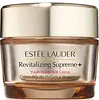
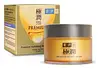
Estée Lauder Revitalizing Supreme+ Youth Power Soft Creme Moisturizer Versus Hada Labo Premium Hydrating Night Cream
This anti-aging moisturizer is formulated around Moringa Oleifera Seed Extract and Acetyl Hexapeptide-8 to soften the look of wrinkles and hydrate skin.
This barrier-repair night moisturizer is formulated around Panthenol and Niacinamide to strengthen the skin barrier and hydrate skin.


What's inside
What's inside
 Key Ingredients
Benefits
Concerns
Ingredients Side-by-side
Water
Skin ConditioningIsononyl Isononanoate
EmollientC12-20 Acid PEG-8 Ester
Emulsifying

Glycerin
Humectant


Butylene Glycol
Humectant
Dimethicone
Emollient
Butyrospermum Parkii Butter
Skin Conditioning


Cetyl Alcohol
Emollient

Moringa Oleifera Seed Extract
Skin Conditioning
Hibiscus Sinensis Flower Extract
Skin ConditioningSodium Hyaluronate
Humectant


Acetyl Hexapeptide-8
Humectant
Laminaria Digitata Extract
Skin Protecting
Whey Protein
Skin ConditioningOpuntia Tuna Fruit Extract
Skin ConditioningAcetyl Glucosamine
Skin Conditioning

Tocopheryl Acetate
Antioxidant

Narcissus Tazetta Bulb Extract
Astringent

Algae Extract
Emollient
Pyrus Malus Fruit Extract
Skin Conditioning
Cucumis Sativus Fruit Extract
Emollient
Lens Esculenta Fruit Extract
Skin ConditioningCitrullus Lanatus Fruit Extract
Skin Conditioning
Laminaria Saccharina Extract
Skin Protecting
Silybum Marianum Extract
Skin Conditioning
Helianthus Annuus Seed Extract
Skin Conditioning
Sigesbeckia Orientalis Extract
Skin ConditioningCaffeine
Skin Conditioning
Hordeum Vulgare Extract
EmollientSodium Lactate
Buffering
Sorbitol
Humectant
Ethylhexylglycerin
Skin ConditioningPropylene Glycol Dicaprate
EmollientGlucose
Humectant
Glucose Oxidase
StabilisingSodium PCA
Humectant
Sucrose
Humectant
Xanthan Gum
EmulsifyingSodium Hydroxide
BufferingCarbomer
Emulsion StabilisingPentylene Glycol
Skin Conditioning
Lactoperoxidase
StabilisingIsoceteth-20
EmulsifyingSodium Dehydroacetate
Preservative
Potassium Cetyl Phosphate
EmulsifyingPEG-100 Stearate
Surfactant
Tetrahexyldecyl Ascorbate
Antioxidant


Acrylates/C10-30 Alkyl Acrylate Crosspolymer
Emulsion StabilisingAmmonium Acryloyldimethyltaurate/Vp Copolymer
Parfum
Masking

Potassium Phosphate
BufferingSodium Chloride
MaskingBHT
Antioxidant
Potassium Sorbate
Preservative
Sodium Benzoate
Masking
Phenoxyethanol
Preservative
CI 14700
Cosmetic ColorantWater, Isononyl Isononanoate, C12-20 Acid PEG-8 Ester, Glycerin, Butylene Glycol, Dimethicone, Butyrospermum Parkii Butter, Cetyl Alcohol, Moringa Oleifera Seed Extract, Hibiscus Sinensis Flower Extract, Sodium Hyaluronate, Acetyl Hexapeptide-8, Laminaria Digitata Extract, Whey Protein, Opuntia Tuna Fruit Extract, Acetyl Glucosamine, Tocopheryl Acetate, Narcissus Tazetta Bulb Extract, Algae Extract, Pyrus Malus Fruit Extract, Cucumis Sativus Fruit Extract, Lens Esculenta Fruit Extract, Citrullus Lanatus Fruit Extract, Laminaria Saccharina Extract, Silybum Marianum Extract, Helianthus Annuus Seed Extract, Sigesbeckia Orientalis Extract, Caffeine, Hordeum Vulgare Extract, Sodium Lactate, Sorbitol, Ethylhexylglycerin, Propylene Glycol Dicaprate, Glucose, Glucose Oxidase, Sodium PCA, Sucrose, Xanthan Gum, Sodium Hydroxide, Carbomer, Pentylene Glycol, Lactoperoxidase, Isoceteth-20, Sodium Dehydroacetate, Potassium Cetyl Phosphate, PEG-100 Stearate, Tetrahexyldecyl Ascorbate, Acrylates/C10-30 Alkyl Acrylate Crosspolymer, Ammonium Acryloyldimethyltaurate/Vp Copolymer, Parfum, Potassium Phosphate, Sodium Chloride, BHT, Potassium Sorbate, Sodium Benzoate, Phenoxyethanol, CI 14700
Water
Skin ConditioningGlycerin
Humectant
Hydrogenated Polyisobutene
EmollientButylene Glycol
Humectant
Dipropylene Glycol
HumectantDimethicone
Emollient
Behenyl Alcohol
Emollient
Tribehenin PEG-20 Esters
EmollientButyrospermum Parkii Butter
Skin Conditioning
Hydrogenated Castor Oil Dimer Dilinoleate
Skin Conditioning
Pentylene Glycol
Skin Conditioning
Panthenol
Skin Conditioning
Niacinamide
Smoothing


Limnanthes Alba Seed Oil
Skin Conditioning
Hydroxyacetophenone
Antioxidant
Betaine
Humectant
Oenothera Biennis Oil
Emollient
Hydroxyethyl Acrylate/Sodium Acryloyldimethyl Taurate Copolymer
Emulsion StabilisingCaprylic/Capric Triglyceride
Masking
Titanium Dioxide
Cosmetic Colorant

Squalane
Emollient
Tocopherol
Antioxidant
Xanthan Gum
EmulsifyingSodium Stearoyl Glutamate
CleansingDipotassium Glycyrrhizate
Humectant
3-O-Ethyl Ascorbic Acid
Skin Conditioning
Hydrogenated Phosphatidylcholine
Emulsifying
Disodium EDTA
Ubiquinone
Antioxidant
Polyhydroxystearic Acid
Emulsifying
Aluminum Stearate
Cosmetic ColorantBisabolol
Antioxidant
Polysorbate 60
Emulsifying
Alumina
Abrasive
Hippophae Rhamnoides Oil
Emollient
Euterpe Oleracea Fruit Oil
Skin Conditioning
Rubus Idaeus Seed Oil
Emollient
Oxycoccus Palustris Seed Oil
Antioxidant
Calophyllum Inophyllum Seed Oil
Antimicrobial
Sodium Hyaluronate
Humectant
Hydrolyzed Sodium Hyaluronate
Skin Conditioning
Carnosine
Skin Conditioning
Sorbitan Isostearate
Emulsifying
Lavandula Angustifolia Oil
Masking
Camellia Sinensis Leaf Extract
Antimicrobial
Sodium Acetylated Hyaluronate
Humectant
Sodium Benzoate
Masking
Lactic Acid
Buffering
Hydrolyzed Algin
Potassium Sorbate
Preservative
Zingiber Officinale Root Extract
Masking
Phenoxyethanol
Preservative
Helianthus Annuus Seed Oil
Emollient
Sodium Hyaluronate Crosspolymer
Humectant
Rosmarinus Officinalis Leaf Extract
AntimicrobialCollagen
Moisturising
Palmitoyl Tripeptide-1
Skin Conditioning
Palmitoyl Hexapeptide-12
Skin Conditioning
Water, Glycerin, Hydrogenated Polyisobutene, Butylene Glycol, Dipropylene Glycol, Dimethicone, Behenyl Alcohol, Tribehenin PEG-20 Esters, Butyrospermum Parkii Butter, Hydrogenated Castor Oil Dimer Dilinoleate, Pentylene Glycol, Panthenol, Niacinamide, Limnanthes Alba Seed Oil, Hydroxyacetophenone, Betaine, Oenothera Biennis Oil, Hydroxyethyl Acrylate/Sodium Acryloyldimethyl Taurate Copolymer, Caprylic/Capric Triglyceride, Titanium Dioxide, Squalane, Tocopherol, Xanthan Gum, Sodium Stearoyl Glutamate, Dipotassium Glycyrrhizate, 3-O-Ethyl Ascorbic Acid, Hydrogenated Phosphatidylcholine, Disodium EDTA, Ubiquinone, Polyhydroxystearic Acid, Aluminum Stearate, Bisabolol, Polysorbate 60, Alumina, Hippophae Rhamnoides Oil, Euterpe Oleracea Fruit Oil, Rubus Idaeus Seed Oil, Oxycoccus Palustris Seed Oil, Calophyllum Inophyllum Seed Oil, Sodium Hyaluronate, Hydrolyzed Sodium Hyaluronate, Carnosine, Sorbitan Isostearate, Lavandula Angustifolia Oil, Camellia Sinensis Leaf Extract, Sodium Acetylated Hyaluronate, Sodium Benzoate, Lactic Acid, Hydrolyzed Algin, Potassium Sorbate, Zingiber Officinale Root Extract, Phenoxyethanol, Helianthus Annuus Seed Oil, Sodium Hyaluronate Crosspolymer, Rosmarinus Officinalis Leaf Extract, Collagen, Palmitoyl Tripeptide-1, Palmitoyl Hexapeptide-12
Reviews
Ingredients Explained
These ingredients are found in both products.
Ingredients higher up in an ingredient list are typically present in a larger amount.
Butylene Glycol (or BG) is used within cosmetic products for a few different reasons:
Overall, Butylene Glycol is a safe and well-rounded ingredient that works well with other ingredients.
Though this ingredient works well with most skin types, some people with sensitive skin may experience a reaction such as allergic rashes, closed comedones, or itchiness.
Learn more about Butylene GlycolThis ingredient is also known as shea butter. It is a plant-derived extract from the nuts of the Africa shea tree and one of the most well-studied emollients.
Because it has a high concentration of fatty acids (primarily oleic, stearic, and linoleic) it is able to form a protective barrier on the skin's surface. This helps seal in moisture and prevents transepidermal water loss (TEWL).
In vitro research found an increase in skin hydration by 58% and a decrease in TEWL by 37.8% after 24 hours of applying this ingredient (pretty impressive for a single ingredient!).
Besides hydration, shea butter also contains triterpenes that have anti-inflammatory potential. In particule, lupeol cinnamate has shown the highest anti-inflammatory activity in vivo.
Shea butter also contains vitamins A and E which may contribute to antioxidant activity.
While Shea Butter has an SPF rating of about 3-4, it is not a sunscreen replacement.
This ingredient may not be fungal acne safe because its fatty acids fall within the C11-C24 range that the Malassezia yeast can metabolize.
This ingredient shows up on a lot of "pore-clogging" lists but there's no real evidence behind that. It doesn't even have a comedogenic rating from an actual study; the numbers you'll find online come from blogs citing other blogs.
Ratings for other ingredients mostly come from a 1980s rabbit ear test. This test doesn't translate well to human skin or to real products because the ingredient sits at a much lower percentage.
Some people still find it breaks them out. So if that's you, definitely trust your skin. Just know this one's based on experience and not evidence.
Learn more about Butyrospermum Parkii ButterDimethicone is a type of synthetic silicone created from natural materials such as quartz. It is also known as polydimethylsiloxane.
What it does:
Dimethicone comes in different viscosities:
Depending on the viscosity, dimethicone has different properties.
Ingredients lists don't always show which type is used, so we recommend reaching out to the brand if you have questions about the viscosity.
This ingredient is unlikely to cause irritation because it does not get absorbed into skin. However, people with silicone allergies should be careful about using this ingredient.
Note: Dimethicone may contribute to pilling. This is because it is not oil or water soluble, so pilling may occur when layered with products. When mixed with heavy oils in a formula, the outcome is also quite greasy.
Learn more about DimethiconeGlycerin (or glycerol) is a compound naturally found in your skin. It's a powerhouse humectant that pulls water into the stratum corneum.
Topically, glycerin does several things at once:
Your skin makes glycerin on its own (mostly from sebaceous oil breakdown) and shuttles it to your outermost layer of skin, or your epidermis, via aquaporin-3.
Aquaporin-3 is a transporter that is essential for normal skin hydration, elasticity, and repair. Interestingly, mice lacking in AQP3 have dry and less elastic skin that can be fully corrected with glycerin.
This ingredient is non-irritating, plays well with almost every ingredient, and works across all skin types. Typical use is anywhere between 3-10% but can go up to 79% in some leave-on products.
Just know very high concentrations (>40%) can feel tacky in low humidity.
Glycerin is the name for this ingredient in American English. British English uses Glycerol/Glycerine.
Learn more about GlycerinPentylene Glycol (1,2-pentanediol) is a multitasking little diol with three main roles in a formula:
Research on alkanediols (the family pentylene glycol belongs to) show they work by disrupting microbial cell membranes. This disruption helps the primary preservative system in a product work more effectively at lower doses.
On the safety side, the Cosmetic Ingredient Review Expert Panel has concluded this ingredient to be safe as used in current cosmetic practices + concentrations.
Typical use levels in a formula run about 1-5%.
Learn more about Pentylene GlycolPhenoxyethanol is one of the most widely used preservatives in skincare (and for good reason!).
It has a large spectrum of antimicrobial activity and especially effective bacteria, yeast, and mold while only having a weak effect on your skin's natural microbiome.
On a cellular level, it disrupts the cell membranes of microbes by poking holes that make the cell leak. This shuts down the chemical reactions the microbe needs to make energy so it can no longer survive.
Another perk of this ingredient is that it stays functional across a wide pH range (3-10).
You'll often see it paired with boosters like Ethylhexylglycerin; one study showed that a 1:9 ratio of Ethylhexylglycerin to Phenoxyethanol damages bacterial membranes as effectively as doubling the Phenoxyethanol concentration on its own.
Typical use concentrations range from 0.3-1% depending on the formula, and this ingredient is capped at 1% int the EU.
Safety-wise, the fear mongering does not hold up to the evidence. The EU's Scientific Committee on Consumer Safety and FDA consider it safe as a preservative at up to 1%, including for children of all ages.
Adverse systemic effects only showed up in animal studies at exposures roughly 200x higher than what people get from cosmetics. And despite its very widespread use, this ingredient is a rare sensitizer and allergic reactions are uncommon.
Learn more about PhenoxyethanolPotassium Sorbate is a preservative used to prevent yeast and mold in products. It is commonly found in both cosmetic and food products.
This ingredient comes from potassium salt derived from sorbic acid. Sorbic acid is a natural antibiotic and effective against fungus.
Both potassium sorbate and sorbic acid can be found in baked goods, cheeses, dried meats, dried fruit, ice cream, pickles, wine, yogurt, and more.
You'll often find this ingredient used with other preservatives.
Learn more about Potassium SorbateSodium Benzoate is a preservative. It's used in both cosmetic and food products to inhibit the growth of mold and bacteria. It is typically produced synthetically.
Both the US FDA and EU Health Committee have approved the use of sodium benzoate. In the US, levels of 0.1% (of the total product) are allowed.
Sodium benzoate works as a preservative by inhibiting the growth of bacteria inside of cells. It prevents the cell from fermenting a type of sugar using an enzyme called phosphofructokinase.
It is the salt of benzoic acid. Foods containing sodium benzoate include soda, salad dressings, condiments, fruit juices, wines, and snack foods.
Studies for using ascorbic acid and sodium benzoate in cosmetics are lacking, especially in skincare routines with multiple steps.
We always recommend speaking with a professional, such as a dermatologist, if you have any concerns.
Learn more about Sodium BenzoateSodium Hyaluronate is the salt form of hyaluronic acid. It is a long sugar chain that is naturally found in your skin, joints, and connective tissue that maintains hydration and elasticity.
In skincare, it works as a humectant. It pulls water from the environment and deeper layers of skin and binds it to the surface.
Interestingly, the size of the molecule affects its behavior:
Some clinical evidence links low molecular weight versions to improved wrinkle depth, elasticity, anti-inflammatory effects, and barrier repair.
Many serums use a blend of both weights so you can get surface hydration plus longer-lasting and deeper effects.
You'll typically see concentrations between 0.1-2% for this ingredient.
Learn more about Sodium HyaluronateWater. It's the most common cosmetic ingredient of all. You'll usually see it at the top of ingredient lists, meaning that it makes up the largest part of the product.
So why is it so popular? Water most often acts as a solvent - this means that it helps dissolve other ingredients into the formulation.
You'll also recognize water as that liquid we all need to stay alive. If you see this, drink a glass of water. Remember to stay hydrated!
Learn more about WaterXanthan gum is used as a stabilizer and thickener within cosmetic products. It helps give products a sticky, thick feeling - preventing them from being too runny.
On the technical side of things, xanthan gum is a polysaccharide - a combination consisting of multiple sugar molecules bonded together.
Xanthan gum is a pretty common and great ingredient. It is a natural, non-toxic, non-irritating ingredient that is also commonly used in food products.
Learn more about Xanthan Gum

