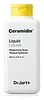
This barrier-repair toner is formulated around Panthenol and Centella Asiatica Extract to strengthen the skin barrier and hydrate skin.
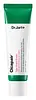
This calming moisturizer is formulated around Niacinamide and Madecassoside to calm redness and strengthen the skin barrier.

What's inside
What's inside
 Key Ingredients
Benefits
Concerns
Ingredients Side-by-side
Water
Skin ConditioningDipropylene Glycol
HumectantAlcohol
Antimicrobial




Betaine
Humectant


Propanediol
Solvent
Glycosyl Trehalose
Emulsion Stabilising1,2-Hexanediol
Skin Conditioning
Erythritol
Humectant
Pentylene Glycol
Skin Conditioning
Glycerin
Humectant
Hydrogenated Starch Hydrolysate
HumectantAcrylates/C10-30 Alkyl Acrylate Crosspolymer
Emulsion StabilisingTriethylhexanoin
MaskingDiphenyl Dimethicone
Emollient
Panthenol
Skin Conditioning
Butylene Glycol
Humectant
Hydrogenated Lecithin
Emulsifying
Centella Asiatica Extract
Cleansing

Ficus Carica Fruit Extract
Humectant
Melia Azadirachta Leaf Extract
Skin ConditioningTheobroma Cacao Seed Extract
Antioxidant
Amaranthus Caudatus Seed Extract
Skin Conditioning
Ulmus Davidiana Root Extract
Skin Conditioning
Curcuma Longa Root Extract
Antioxidant
Ocimum Sanctum Leaf Extract
Skin ConditioningCorallina Officinalis Extract
Skin Conditioning
Pyracantha Fortuneana Fruit Extract
Skin ConditioningCarbomer
Emulsion StabilisingCellulose Gum
Emulsion StabilisingSucrose Distearate
Emollient
Dipotassium Glycyrrhizate
Humectant
Ethylhexylglycerin
Skin ConditioningMethylpropanediol
SolventDisodium EDTA
ChelatingGlyceryl Polymethacrylate
Citrus Aurantium Bergamia Fruit Oil
Masking

C12-14 Pareth-12
EmulsifyingPolyglyceryl-10 Myristate
Skin Conditioning
Pelargonium Graveolens Flower Oil
Masking
Dextrin
AbsorbentGlyceryl Stearate
Emollient
Sodium Hyaluronate
Humectant
Salvia Officinalis Oil
Masking
Pogostemon Cablin Leaf Oil
Masking
Cholesterol
Emollient
Ceramide EOP
Skin Conditioning
Ceramide AP
Skin Conditioning
Ceramide As
Skin Conditioning
Ceramide Ns
Skin Conditioning
Water, Dipropylene Glycol, Alcohol, Betaine, Propanediol, Glycosyl Trehalose, 1,2-Hexanediol, Erythritol, Pentylene Glycol, Glycerin, Hydrogenated Starch Hydrolysate, Acrylates/C10-30 Alkyl Acrylate Crosspolymer, Triethylhexanoin, Diphenyl Dimethicone, Panthenol, Butylene Glycol, Hydrogenated Lecithin, Centella Asiatica Extract, Ficus Carica Fruit Extract, Melia Azadirachta Leaf Extract, Theobroma Cacao Seed Extract, Amaranthus Caudatus Seed Extract, Ulmus Davidiana Root Extract, Curcuma Longa Root Extract, Ocimum Sanctum Leaf Extract, Corallina Officinalis Extract, Pyracantha Fortuneana Fruit Extract, Carbomer, Cellulose Gum, Sucrose Distearate, Dipotassium Glycyrrhizate, Ethylhexylglycerin, Methylpropanediol, Disodium EDTA, Glyceryl Polymethacrylate, Citrus Aurantium Bergamia Fruit Oil, C12-14 Pareth-12, Polyglyceryl-10 Myristate, Pelargonium Graveolens Flower Oil, Dextrin, Glyceryl Stearate, Sodium Hyaluronate, Salvia Officinalis Oil, Pogostemon Cablin Leaf Oil, Cholesterol, Ceramide EOP, Ceramide AP, Ceramide As, Ceramide Ns
Water
Skin ConditioningButylene Glycol
Humectant
Propanediol
Solvent
Caprylic/Capric Triglyceride
Masking
Cetearyl Alcohol
Emollient

Hydrogenated Poly(C6-14 Olefin)
EmollientCetyl Ethylhexanoate
EmollientPolyglyceryl-3 Methylglucose Distearate
Emulsifying
Butyrospermum Parkii Butter
Skin Conditioning
Niacinamide
Smoothing





Vinyldimethicone
Macadamia Integrifolia Seed Oil
Skin Conditioning
Glyceryl Stearate
Emollient
Pentylene Glycol
Skin Conditioning
1,2-Hexanediol
Skin Conditioning
Diisostearyl Malate
EmollientEryngium Maritimum Callus Culture Filtrate
Skin ConditioningHydrogenated Vegetable Oil
Emollient
Polymethylsilsesquioxane
Cera Alba
Emollient
Cetearyl Olivate
Sorbitan Olivate
Emulsifying
Madecassoside
Antioxidant
Houttuynia Cordata Extract
Skin Conditioning
Ilex Aquifolium Leaf Extract
Skin ConditioningStreptococcus Thermophilus Ferment
Humectant
Hydroxyethyl Acrylate/Sodium Acryloyldimethyl Taurate Copolymer
Emulsion StabilisingAchillea Millefolium Oil
Cleansing
Hydroxyacetophenone
Antioxidant
Palmitic Acid
Emollient
Stearic Acid
Cleansing
Lavandula Angustifolia Oil
Masking
Sodium Polyacryloyldimethyl Taurate
Emulsion StabilisingCarbomer
Emulsion StabilisingXanthan Gum
EmulsifyingHydrogenated Polydecene
EmollientTromethamine
BufferingCaramel
Cosmetic ColorantCitrus Aurantium Bergamia Fruit Oil
Masking
Melia Azadirachta Leaf Extract
Skin ConditioningDNA
Skin ConditioningMelia Azadirachta Flower Extract
Skin ConditioningAdenosine
Skin Conditioning
Sorbitan Isostearate
Emulsifying
Asiaticoside
Antioxidant
Disodium EDTA
ChelatingCentella Asiatica Leaf Extract
Skin Conditioning
Hedera Helix Extract
AntimicrobialCoccinia Indica Fruit Extract
Skin Conditioning
Trideceth-10
CleansingPanthenol
Skin Conditioning
Amber Powder
Solanum Melongena Fruit Extract
Skin ConditioningEthylhexylglycerin
Skin ConditioningCurcuma Longa Root Extract
Antioxidant
Ocimum Sanctum Leaf Extract
Skin ConditioningCorallina Officinalis Extract
Skin Conditioning
Moringa Oleifera Seed Oil
Emollient
Tocopherol
Antioxidant
Calcium Chloride
AstringentMagnesium Sulfate
Asiatic Acid
Skin Conditioning
Madecassic Acid
Skin Conditioning
Centella Asiatica Extract
Cleansing
Water, Butylene Glycol, Propanediol, Caprylic/Capric Triglyceride, Cetearyl Alcohol, Hydrogenated Poly(C6-14 Olefin), Cetyl Ethylhexanoate, Polyglyceryl-3 Methylglucose Distearate, Butyrospermum Parkii Butter, Niacinamide, Vinyldimethicone, Macadamia Integrifolia Seed Oil, Glyceryl Stearate, Pentylene Glycol, 1,2-Hexanediol, Diisostearyl Malate, Eryngium Maritimum Callus Culture Filtrate, Hydrogenated Vegetable Oil, Polymethylsilsesquioxane, Cera Alba, Cetearyl Olivate, Sorbitan Olivate, Madecassoside, Houttuynia Cordata Extract, Ilex Aquifolium Leaf Extract, Streptococcus Thermophilus Ferment, Hydroxyethyl Acrylate/Sodium Acryloyldimethyl Taurate Copolymer, Achillea Millefolium Oil, Hydroxyacetophenone, Palmitic Acid, Stearic Acid, Lavandula Angustifolia Oil, Sodium Polyacryloyldimethyl Taurate, Carbomer, Xanthan Gum, Hydrogenated Polydecene, Tromethamine, Caramel, Citrus Aurantium Bergamia Fruit Oil, Melia Azadirachta Leaf Extract, DNA, Melia Azadirachta Flower Extract, Adenosine, Sorbitan Isostearate, Asiaticoside, Disodium EDTA, Centella Asiatica Leaf Extract, Hedera Helix Extract, Coccinia Indica Fruit Extract, Trideceth-10, Panthenol, Amber Powder, Solanum Melongena Fruit Extract, Ethylhexylglycerin, Curcuma Longa Root Extract, Ocimum Sanctum Leaf Extract, Corallina Officinalis Extract, Moringa Oleifera Seed Oil, Tocopherol, Calcium Chloride, Magnesium Sulfate, Asiatic Acid, Madecassic Acid, Centella Asiatica Extract
Reviews
Ingredients Explained
These ingredients are found in both products.
Ingredients higher up in an ingredient list are typically present in a larger amount.
1,2-Hexanediol is a synthetic liquid and another multi-functional powerhouse.
It is a:
- Humectant, drawing moisture into the skin
- Emollient, helping to soften skin
- Solvent, dispersing and stabilizing formulas
- Preservative booster, enhancing the antimicrobial activity of other preservatives
Butylene Glycol (or BG) is used within cosmetic products for a few different reasons:
Overall, Butylene Glycol is a safe and well-rounded ingredient that works well with other ingredients.
Though this ingredient works well with most skin types, some people with sensitive skin may experience a reaction such as allergic rashes, closed comedones, or itchiness.
Learn more about Butylene GlycolCarbomer is a synthetic thickening and gelling agent. It's basically the ingredient that gives a lot of serums, gels, creams, and sunscreens their smooth, non-sticky texture.
Although legally permitted at very high levels, carbomers are normally used at concentrations below 1%.
It also needs to be neutralized to actually thicken, and because it is a large molecule, it doesn't really penetrate the skin barrier.
Allergy-wise, the risk is very low. Clinical studies show carbomers have low potential for skin irritation/sensitization even at concentrations up to 100%.
A 2024 UK study patch-tested 1,302 patients and found true allergy to the parent group of carbomer to be rare with no confirmed relevant reactions.
Learn more about CarbomerCentella Asiatica Extract (Centella) is one of the most researched botanical extracts in skincare with decades of studies backing its effects on inflammation, collagen, and the skin barrier.
That research keeps pointing back to the same four triterpenoid saponins: Asiaticoside, Madecassoside, Asiatic Acid, and Madecassic Acid.
These compounds allow centella to dial back inflammation, encourage the skin to build and hold onto collagen, support the barrier and hydration, and bring solid antioxidant activity to protect against signs of aging.
Centella also carries a nice supporting cast of Vitamin A, vitamin C, several B vitamins, and amino acids. Put it all together and you get an ingredient that soothes, hydrates, and protects, all at once.
Most of centella's magic comes from the four big compounds (Asiaticoside, Madecassoside, Asiatic Acid, and Madecassic Acid). These are the actives doing the heavy lifting in almost every centella study.
Here is the short version of what they do in the skin:
So it is not just soothing for the sake of soothing. Centella calms the skin AND helps it rebuild.
Just FYI, not all centella on an ingredient list is the same. What you are getting actually depends on the extract:
Fun fact on the ratios: the leaves tend to be richest in Madecassoside and Asiaticoside, and lower in the two acids. The exact amounts shift with where the plant is grown and how it is processed. This means purity really does vary brand to brand.
Centella is one of the most easygoing actives out there.
It layers well with basically everything: niacinamide, hyaluronic acid, peptides, and vitamin C, and also pairs nicely with stronger actives like retinoids and exfoliating acids where it can help take the edge off irritation.
On the safety side, centella and its triterpenes are classified as weak sensitizers, meaning allergic reactions are possible but uncommon.
Patch tests at 1% and 5% came back negative in test panels, and creams at typical use levels did not cause allergic reactions across large groups of people.
But as with any new active, a patch test is still a smart move for very reactive skin.
Centella is widely used because it is effective at low percentages. For context, human safety testing found no meaningful irritation from creams containing centella extract at everyday use levels (the tested amounts were well under 1%).
The irritancy threshold in animal testing was also above 30% (so real-world formulas sit far below anything concerning).
In collagen lab studies, higher concentrations drove more collagen synthesis, so serums built around centella tend to feature it more prominently.
Bottom line: you will find centella working nicely anywhere from a fraction of a percent up to hero-ingredient levels depending on whether it is a supporting soother or the main event.
Fun fact: Centella has been used as a medicine and in food for many centuries. As a medicine, it is used to treat burns, scratches, and wounds.
Learn more about Centella Asiatica ExtractCitrus Aurantium Bergamia Fruit Oil is the oil from the bergamot orange and is primarily used as a fragrance. It has a "fresh" and "bright orange" scent.
The main aroma compounds found in this ingredient are limonene (~27-52%), linalool (~2-22%), and linalyl acetate (~27-40%). These are known EU fragrance allergens.
The term 'fragrance' is not regulated in many countries. In many cases, it is up to the brand to define this term. For instance, many brands choose to label themselves as "fragrance-free" because they are not using synthetic fragrances. However, their products may still contain ingredients such as essential oils that are considered a fragrance.
When used topically, Citrus Aurantium Bergamia Fruit Oil is a photosensitizer due to the furanocoumarin content. Furanocoumarins absorb UV-A and cause phytophotodermatitis; this can look like redness, blistering, and lasting brown pigmentation on sun-exposed skin.
Due to this, this ingredient is capped at 0.4% in leave-on products applied to sun exposed skin.
Many modern formulas used a "furanocoumarin-free" version that sidesteps the phototoxicity issue, but still contains the fragrance allergens.
Learn more about Citrus Aurantium Bergamia Fruit OilCorallina Officinalis Extract comes from the small red seaweed that grows on rocky coastlines that feels stiff to the touch because it builds calcium carbonate right into its cell walls.
That mineral content is basically its whole selling point: the extract brings calcium, magnesium, and trace minerals along with sugars (polysaccharides) and proteins. This is why formulators use it as a skin-conditioning and hydrating ingredient.
Lab testing does back up decent antioxidant activity for this species. A study comparing twelve red seaweeds found Corallina Officinalis stood out for its free-radical scavenging capacity. And a separate study found meaningful radical scavenging plus antibacterial activity from the raw biomass.
It's worth being clear that most of this is test-tube work on raw-algae and not a clinical trial on a finished cream.
On concentration, a 2020 industry survey found it's used at up to 2% in makeup and skincare. Safety-wise, it's as boring as it gets: the Cosmetic Ingredient Review Expert Panel concluded this ingredient (along with the powder, Thallus Extract, and Hydrolyzed versions) to be safe as used in cosmetics and cited negative sensitization data.
There's no meaningful record of it causing allergic contact dermatitis, but be sure to patch test if you are unsure.
You'll see algae/seaweed listed as a 5/5 on a lot of pore-clogging charts and that number doesn't come from anywhere; it's not in the original rabbit-ear studies that most comedogenic ratings trace back to.
The reasoning behind the reputation is that seaweed is high in iodine and iodine can trigger acne-like breakouts when eaten. This traces back to a 1976 letter in Archives of Dermatology describing two women whose breakouts cleared after they stopped taking high-dose kelp supplements orally.
And the reaction of these two women wasn't clogged pores at all: it was an iodine-triggered pustular rash. Later research found normal dietary iodine doesn't meaningfully affect acne either and nobody has shown topical seaweed delivers enough iodine to matter.
What we do have is dozens of brown and red algae ingredients found to be non-irritating and non-sensitizing, and a handful of studies that found algae compounds may actually help acne.
However, plenty of people do report breaking out from algae-containing products. Skin is individual and it's worth avoiding if yours has reacted to algae before.
Learn more about Corallina Officinalis ExtractCurcuma Longa Root Extract comes from the rhizome (underground stem) of the turmeric plant.
While the official EU Cosing Database lists this ingredient as a fragrance, it actually does more than give products a scent.
This ingredient contains a group of yellow pigments called curcuminoids (mostly curcumin) that give it genuine antioxidant and anti-inflammatory activity in skin.
Reviews of topical clinical studies have found turmeric/curcumin to be generally well-tolerated and useful across conditions like eczema and mild inflammation.
One thing working in its favor is that curcumin barely penetrates; in lab skin-permeation testing, the curcuminoids mostly stayed in the outermost layer of skin. This is a good thing because its soothing and antioxidant activity is a surface-level job anyway.
At this time, industry data shows there's no single "correct" cosmetic percentage. It's used across a wide range depending on the product and varies from tiny fractions of a percent up to a few percent.
Allergy-wise, curcumin is a documented (but uncommon) contact allergen. It can also cross react with related plants, so anyone with a turmeric/ginger/cinnamon allergy or reactive skin should patch test first.
Learn more about Curcuma Longa Root ExtractDisodium EDTA is a chelating agent. It grabs onto and deactivates metal ions that sneak into your products from water, packaging, or air.
This ingredient mainly works behind the scenes and helps with:
On top of that, this ingredient can counteract the effects of hard water by binding to the minerals in it.
One thing worth knowing is that Disodium EDTA has been shown to be a mild penetration enhancer. It can help other ingredients absorb into skin more effectively which can be a double-edged sword (great for actives, but can also make the active too strong if you have sensitive skin).
Clinical patch testing showed no significant skin irritation at typical use concentrations and minimal dermal absorption.
You'll most likely see this ingredient near the end of an ingredient list. It's typically found in concentrations less than 1%.
Learn more about Disodium EDTAEthylhexylglycerin is created from glycerin. It is a multitasker ingredient that:
The CIR Expert Panel found minimal skin absorption or sensitization of any kind in a safety assessment. Though this ingredient is considered well-tolerated, a small number of cases of allergic dermatitis have been published since 2002. Just be sure to patch test if you are unsure.
Industry-reported use ranges from 8% in rinse-off products and 2% in leave-on formulations.
Learn more about EthylhexylglycerinGlyceryl Stearate is made by reacting glycerin with stearic acid (typically sourced from plant oils like palm or coconut). It's an emulsifier, emollient, and mild occlusive.
Emulsifiers help ingredients like oil and water stay mixed so your formula stays nicely blended and uniform in texture.
This ingredient is typically used in concentrations between 1-10%. Studies have found it to be non-sensitizing, non-phototoxic, and non-photoallergenic.
A close cousin of this ingredient is Glyceryl Stearate SE ("self-emulsifying"). This just has a small amount of sodium or potassium stearate added so it can emulsify without a co-emulsifier.
Since this ingredient is an ester of a C18 fatty acid, it may not be fungal acne safe. The Malassezia yeast can potentially metabolize within the C11-C24 range.
Fun fact: The human body also creates Glyceryl Stearate naturally.
Learn more about Glyceryl StearateThis ingredient is also known as neem leaf extract. It contains natural compounds like nimbidin, quercetin, and other polyphenols that give it antibacterial, antifungal, and anti-inflammatory activity.
Lab studies have shown neem leaf extract can inhibit acne-related bacteria and help calm skin. Animal studies on wound gels using 1-3% neem leaf extract found it sped up healing without causing irritation.
A wound-healing study testing gels with the extract at 1%, 2%, and 3% concentrations and found none of them irritated the skin.
Most commercial products also use it in a similar low range (typically under 5%).
Allergy-wise, there are some case reports on neem oil causing allergic contact dermatitis so people with plant/botanical sensitivities may want to patch test first.
Learn more about Melia Azadirachta Leaf ExtractOcimum Sanctum Leaf Extract comes from the Holy Basil plant. Holy Basil is native to India.
Holy Basil is rich in antioxidants due to its high romarinic acid, ferulic acid, and rutin content. This gives it skin brightening and soothing properties.
While Holy Basil has many claims to help fight acne, more research is needed.
One thing to note is the presence of tannins; tannins are naturally found in nature. However, this compound may be skin-sensitizing.
Learn more about Ocimum Sanctum Leaf ExtractPanthenol is a common ingredient that helps hydrate and soothe the skin. It is found naturally in our skin and hair.
There are two forms of panthenol: D and L.
D-panthenol is also known as dexpanthenol. Most cosmetics use dexpanthenol or a mixture of D and L-panthenol.
Panthenol is famous due to its ability to go deeper into the skin's layers. Using this ingredient has numerous pros (and no cons):
Like hyaluronic acid, panthenol is a humectant. Humectants are able to bind and hold large amounts of water to keep skin hydrated.
This ingredient works well for wound healing. It works by increasing tissue in the wound and helps close open wounds.
Once oxidized, panthenol converts to pantothenic acid. Panthothenic acid is found in all living cells.
This ingredient is also referred to as pro-vitamin B5.
Learn more about PanthenolPentylene Glycol (1,2-pentanediol) is a multitasking little diol with three main roles in a formula:
Research on alkanediols (the family pentylene glycol belongs to) show they work by disrupting microbial cell membranes. This disruption helps the primary preservative system in a product work more effectively at lower doses.
On the safety side, the Cosmetic Ingredient Review Expert Panel has concluded this ingredient to be safe as used in current cosmetic practices + concentrations.
Typical use levels in a formula run about 1-5%.
Learn more about Pentylene GlycolPropanediol is an all-star ingredient. It softens, hydrates, and smooths the skin.
It’s often used to:
Propanediol is not likely to cause sensitivity and considered safe to use. It is derived from corn or petroleum with a clear color and no scent.
Learn more about PropanediolWater. It's the most common cosmetic ingredient of all. You'll usually see it at the top of ingredient lists, meaning that it makes up the largest part of the product.
So why is it so popular? Water most often acts as a solvent - this means that it helps dissolve other ingredients into the formulation.
You'll also recognize water as that liquid we all need to stay alive. If you see this, drink a glass of water. Remember to stay hydrated!
Learn more about Water

