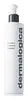
This mild cream cleanser is made to cleanse without leaving your skin tight or dry.
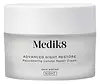
This barrier-repair night moisturizer is formulated around Squalane and Ceramide NP to strengthen the skin barrier and hydrate skin.


What's inside
What's inside
 Key Ingredients
Benefits
Concerns
Ingredients Side-by-side
Water
Skin ConditioningGlycerin
Humectant


Caprylic/Capric Triglyceride
Masking
Sodium Cocoyl Isethionate
Cleansing
Sodium Lauroyl Glutamate
SurfactantDivinyldimethicone/Dimethicone Copolymer

Sodium Astrocaryum Murumuruate
EmollientCeramide NP
Skin Conditioning



Phytosterols
Skin Conditioning
Palmitic Acid
Emollient


Stearic Acid
Cleansing
Hydrogenated Coconut Acid
Emollient
Hydrolyzed Cottonseed Protein
Skin ConditioningCitrus Aurantium Dulcis Peel Oil
Masking

Tocopherol
Antioxidant



Xanthan Gum
EmulsifyingDimethicone
Emollient
Butyrospermum Parkii Butter
Skin Conditioning

Carthamus Tinctorius Seed Oil
Masking
C12-13 Pareth-3
EmulsifyingPrunus Amygdalus Dulcis Oil
Skin Conditioning
Tetrasodium Glutamate Diacetate
Caprylyl Glycol
Emollient
Citrus Paradisi Peel Oil
Masking



Citrus Reticulata Leaf Oil
Masking
Myristic Acid
Cleansing
Trideceth-12
EmulsifyingJasminum Officinale Oil
Masking
Linoleic Acid
Cleansing
Amyris Balsamifera Bark Oil
Masking
Cananga Odorata Flower Oil
Masking
Citrus Limon Peel Oil
Masking
Cymbopogon Martini Oil
Masking
Eugenia Caryophyllus Leaf Oil
Masking
Pelargonium Graveolens Flower Oil
Masking
Salvia Sclarea Oil
Masking
Citrus Limon Fruit Extract
Masking
Decyl Glucoside
Cleansing
Canarium Luzonicum Gum Nonvolatiles
MaskingCitrus Aurantium Dulcis Flower Oil
Astringent
Guaiacum Officinale Wood Oil
Masking
Rosa Damascena Flower Oil
Masking
Zingiber Officinale Root Oil
Masking
Disodium EDTA
Equisetum Arvense Extract
AstringentHumulus Lupulus Extract
AntimicrobialPinus Sylvestris Cone Extract
Masking
Rosmarinus Officinalis Leaf Extract
AntimicrobialHexylene Glycol
EmulsifyingLinolenic Acid
Cleansing
Pentylene Glycol
Skin Conditioning
Aminomethyl Propanol
BufferingSodium Chloride
MaskingSodium Isethionate
CleansingPropanediol
Solvent
Butylene Glycol
Humectant
Polysilicone-11

Sodium Hydroxide
BufferingEthylhexylglycerin
Skin ConditioningAcrylates/C10-30 Alkyl Acrylate Crosspolymer
Emulsion StabilisingPEG-12 Dimethicone
Skin Conditioning
Limonene
Perfuming
Phenoxyethanol
Preservative
Water, Glycerin, Caprylic/Capric Triglyceride, Sodium Cocoyl Isethionate, Sodium Lauroyl Glutamate, Divinyldimethicone/Dimethicone Copolymer, Sodium Astrocaryum Murumuruate, Ceramide NP, Phytosterols, Palmitic Acid, Stearic Acid, Hydrogenated Coconut Acid, Hydrolyzed Cottonseed Protein, Citrus Aurantium Dulcis Peel Oil, Tocopherol, Xanthan Gum, Dimethicone, Butyrospermum Parkii Butter, Carthamus Tinctorius Seed Oil, C12-13 Pareth-3, Prunus Amygdalus Dulcis Oil, Tetrasodium Glutamate Diacetate, Caprylyl Glycol, Citrus Paradisi Peel Oil, Citrus Reticulata Leaf Oil, Myristic Acid, Trideceth-12, Jasminum Officinale Oil, Linoleic Acid, Amyris Balsamifera Bark Oil, Cananga Odorata Flower Oil, Citrus Limon Peel Oil, Cymbopogon Martini Oil, Eugenia Caryophyllus Leaf Oil, Pelargonium Graveolens Flower Oil, Salvia Sclarea Oil, Citrus Limon Fruit Extract, Decyl Glucoside, Canarium Luzonicum Gum Nonvolatiles, Citrus Aurantium Dulcis Flower Oil, Guaiacum Officinale Wood Oil, Rosa Damascena Flower Oil, Zingiber Officinale Root Oil, Disodium EDTA, Equisetum Arvense Extract, Humulus Lupulus Extract, Pinus Sylvestris Cone Extract, Rosmarinus Officinalis Leaf Extract, Hexylene Glycol, Linolenic Acid, Pentylene Glycol, Aminomethyl Propanol, Sodium Chloride, Sodium Isethionate, Propanediol, Butylene Glycol, Polysilicone-11, Sodium Hydroxide, Ethylhexylglycerin, Acrylates/C10-30 Alkyl Acrylate Crosspolymer, PEG-12 Dimethicone, Limonene, Phenoxyethanol
Water
Skin ConditioningSqualane
Emollient
Caprylic/Capric Triglyceride
Masking
Dimethicone
Emollient
Glycerin
Humectant
Stearic Acid
Cleansing
Phytosterols
Skin Conditioning
Propylene Glycol
Humectant
C12-16 Alcohols
EmollientSodium Acrylate/Sodium Acryloyldimethyl Taurate Copolymer
Emulsion StabilisingCetearyl Alcohol
Emollient
Palmitic Acid
Emollient
Ceramide NP
Skin Conditioning
Cetearyl Olivate
Linoleic Acid
Cleansing
Behenyl Alcohol
Emollient
Hydrogenated Lecithin
Emulsifying
Tocopheryl Acetate
Antioxidant
Sorbitan Olivate
Emulsifying
Phenoxyethanol
Preservative
Benzyl Alcohol
Perfuming
Amelanchier Alnifolia Fruit Extract
Skin ConditioningEthylhexylglycerin
Skin ConditioningAcetyl Glucosamine
Skin Conditioning
Citric Acid
Buffering
Sorbitol
Humectant
Rosmarinus Officinalis Leaf Oil
Masking
Citrus Aurantium Amara Flower Oil
Masking
Lavandula Angustifolia Herb Oil
Perfuming
Citrus Aurantium Dulcis Peel Oil
Masking
Hylocereus Undatus Fruit Extract
Skin ConditioningDehydroacetic Acid
Preservative
Tremella Fuciformis Extract
Humectant
Sodium Lauroyl Lactylate
EmulsifyingAnthemis Nobilis Flower Oil
Masking
Pogostemon Cablin Leaf Oil
Masking
Vetiveria Zizanoides Root Oil
Masking
Ascorbic Acid
Antioxidant

Disodium EDTA
Ceramide AP
Skin Conditioning
Ceteareth-25
CleansingPhytosphingosine
Skin Conditioning
Cholesterol
Emollient
Xanthan Gum
EmulsifyingCarbomer
Emulsion StabilisingCetyl Alcohol
Emollient
Behenic Acid
Cleansing
Ceramide Ns
Skin Conditioning
Ferric Hexapeptide-35
Skin Conditioning
Ceramide EOP
Skin Conditioning
Ceramide Eos
Skin Conditioning
Caprooyl Phytosphingosine
Skin Conditioning
Caprooyl Sphingosine
Skin ConditioningAscorbyl Palmitate
Antioxidant
Tocopherol
Antioxidant
Geraniol
Perfuming
Limonene
Perfuming
Linalool
Perfuming
Water, Squalane, Caprylic/Capric Triglyceride, Dimethicone, Glycerin, Stearic Acid, Phytosterols, Propylene Glycol, C12-16 Alcohols, Sodium Acrylate/Sodium Acryloyldimethyl Taurate Copolymer, Cetearyl Alcohol, Palmitic Acid, Ceramide NP, Cetearyl Olivate, Linoleic Acid, Behenyl Alcohol, Hydrogenated Lecithin, Tocopheryl Acetate, Sorbitan Olivate, Phenoxyethanol, Benzyl Alcohol, Amelanchier Alnifolia Fruit Extract, Ethylhexylglycerin, Acetyl Glucosamine, Citric Acid, Sorbitol, Rosmarinus Officinalis Leaf Oil, Citrus Aurantium Amara Flower Oil, Lavandula Angustifolia Herb Oil, Citrus Aurantium Dulcis Peel Oil, Hylocereus Undatus Fruit Extract, Dehydroacetic Acid, Tremella Fuciformis Extract, Sodium Lauroyl Lactylate, Anthemis Nobilis Flower Oil, Pogostemon Cablin Leaf Oil, Vetiveria Zizanoides Root Oil, Ascorbic Acid, Disodium EDTA, Ceramide AP, Ceteareth-25, Phytosphingosine, Cholesterol, Xanthan Gum, Carbomer, Cetyl Alcohol, Behenic Acid, Ceramide Ns, Ferric Hexapeptide-35, Ceramide EOP, Ceramide Eos, Caprooyl Phytosphingosine, Caprooyl Sphingosine, Ascorbyl Palmitate, Tocopherol, Geraniol, Limonene, Linalool
Reviews
Ingredients Explained
These ingredients are found in both products.
Ingredients higher up in an ingredient list are typically present in a larger amount.
Caprylic/Capric Triglyceride (aka MCT Oil) is a lightweight emollient, solvent, and texture enhancer. It is considered a skin-softener by helping to prevent moisture loss.
Though it behaves like an oil, it is not technically one due to its chemical composition. One perk of this ingredient is that it is very stable, resistant to oxidation, and unlikely to go rancid.
In practice, that translates to a long shelf life and a consistently elegant skin feel.
While there is an assumption Caprylic Triglyceride can clog pores due to it being derived from coconut oil, there is no research supporting this. Just patch test if you have concerns.
Fractionated coconut oil and MCT Oil are both listed as Caprylic/Capric Triglyceride according to INCI. This is because INCI names are based on the ingredient’s final chemical composition and not its marketing name or source.
This ingredient is treated as the gold standard fungal acne safe oil. Even though it is coconut derived, the problematic lauric acid is stripped out.
This leaves just caprylic (C8) and capric (C10) acid. These chain lengths actually trend antifungal; a 2020 study found caprylic acid was enough to disrupt Malassezia furfur cell membrane, with a caprylic acid derivative damaging membrane structures at concentrations as low as 0.2%.
Learn more about Caprylic/Capric TriglycerideCeramide NP (formerly known as Ceramide 3) is one of the skin's naturally occurring lipids.
Since ceramides are the major lipid components of the skin, they are crucial for maintaining skin barrier and hydration. Ceramide NP most closely mirrors the dominant kind in human skin amongst ceramide subtypes.
This ceramide works by slotting into gaps within the stratum corneum's lipid matrix to limit trans-epidermal water loss (TEWL) and shield the skin against external irritants.
A study with 312 patients found that using a ceramide-containing routine for 4 weeks reduced the severity of atopic dermatitis by over 61%.
Another clinical study in subjects aged 60 and older found that a ceramide body wash and moisturizer improved skin dryness and itchy skin in 15 days.
Overall, ceramides are considered non-irritating and safety tests have found little to no observable adverse effects from using this ingredient.
Ceramide NP is usually sourced from plants (like soybean or rice bran), or produced synthetically.
Learn more about Ceramide NPCitrus Aurantium Dulcis Peel Oil is oil from the peel of an orange fruit.
Limonene and linalool make up the majority of oils from citrus peels. Limonene has a "citrus" fragrance. Citrus peels also contain flavonoids, which have anti-inflammatory properties.
Citrus peel is also a rich source of flavonoids. Flavonoids are natural antioxidants and help protect your skin against damage. Flavonoids are a group of compounds naturally found in vegetables and fruits.
The term 'fragrance' is not regulated in many countries. In many cases, it is up to the brand to define this term. For instance, many brands choose to label themselves as "fragrance-free" because they are not using synthetic fragrances. However, their products may still contain ingredients such as essential oils that are considered a fragrance.
Learn more about Citrus Aurantium Dulcis Peel OilDimethicone is a type of synthetic silicone created from natural materials such as quartz. It is also known as polydimethylsiloxane.
What it does:
Dimethicone comes in different viscosities:
Depending on the viscosity, dimethicone has different properties.
Ingredients lists don't always show which type is used, so we recommend reaching out to the brand if you have questions about the viscosity.
This ingredient is unlikely to cause irritation because it does not get absorbed into skin. However, people with silicone allergies should be careful about using this ingredient.
Note: Dimethicone may contribute to pilling. This is because it is not oil or water soluble, so pilling may occur when layered with products. When mixed with heavy oils in a formula, the outcome is also quite greasy.
Learn more about DimethiconeDisodium EDTA is a chelating agent. It grabs onto and deactivates metal ions that sneak into your products from water, packaging, or air.
This ingredient mainly works behind the scenes and helps with:
On top of that, this ingredient can counteract the effects of hard water by binding to the minerals in it.
One thing worth knowing is that Disodium EDTA has been shown to be a mild penetration enhancer. It can help other ingredients absorb into skin more effectively which can be a double-edged sword (great for actives, but can also make the active too strong if you have sensitive skin).
Clinical patch testing showed no significant skin irritation at typical use concentrations and minimal dermal absorption.
You'll most likely see this ingredient near the end of an ingredient list. It's typically found in concentrations less than 1%.
Learn more about Disodium EDTAEthylhexylglycerin is created from glycerin. It is a multitasker ingredient that:
The CIR Expert Panel found minimal skin absorption or sensitization of any kind in a safety assessment. Though this ingredient is considered well-tolerated, a small number of cases of allergic dermatitis have been published since 2002. Just be sure to patch test if you are unsure.
Industry-reported use ranges from 8% in rinse-off products and 2% in leave-on formulations.
Learn more about EthylhexylglycerinGlycerin (or glycerol) is a compound naturally found in your skin. It's a powerhouse humectant that pulls water into the stratum corneum.
Topically, glycerin does several things at once:
Your skin makes glycerin on its own (mostly from sebaceous oil breakdown) and shuttles it to your outermost layer of skin, or your epidermis, via aquaporin-3.
Aquaporin-3 is a transporter that is essential for normal skin hydration, elasticity, and repair. Interestingly, mice lacking in AQP3 have dry and less elastic skin that can be fully corrected with glycerin.
This ingredient is non-irritating, plays well with almost every ingredient, and works across all skin types. Typical use is anywhere between 3-10% but can go up to 79% in some leave-on products.
Just know very high concentrations (>40%) can feel tacky in low humidity.
Glycerin is the name for this ingredient in American English. British English uses Glycerol/Glycerine.
Learn more about GlycerinLimonene is a fragrance that adds scent and taste to a formulation.
It's found in the peel oil of citrus fruits and other plants such as lavender and eucalyptus. The scent of limonene is generally described as "sweet citrus".
Limonene acts as an antioxidant, meaning it helps neutralize free radicals.
When exposed to air, oxidized limonene may sensitize the skin. Because of this, limonene is often avoided by people with sensitive skin.
The term 'fragrance' is not regulated in many countries. In many cases, it is up to the brand to define this term. For instance, many brands choose to label themselves as "fragrance-free" because they are not using synthetic fragrances. However, their products may still contain ingredients such as essential oils that are considered a fragrance.
Learn more about LimoneneLinoleic Acid is also known as Vitamin F. It is a fatty acid with emollient and skin conditioning properties.
Our top layer of skin, or epidermis, naturally contains high amounts of linoleic acid.
Your body uses linoleic acid to build ceramides and prostaglandins. Ceramides keep your skin's barrier hydrated and strong while prosaglandins help control inflammation and healing.
Needless to say, linoleic acid is crucial for having a strong skin barrier.
One study found applying linoleic acid rich sunflower oil to be more effective at repairing the skin barrier than olive oil.
This ingredient can also help treat acne by softening sebum to prevent clogged pores. Another study found using 2.5% linoleic acid gel for 4 weeks showed a 25% reduction in small comedones.
Studies show it can also help lighten hyperpigmentation or sun spots by disrupting the melanin production process. It also helps your skin shed melanin pigment from your skin caused by UV exposure.
Due to its role in the production of the fatty acid prostaglandin, linoleic acid can also help reduce inflammation and support wound healing.
Fun fact: Linoleic acid is an essential fatty acid. This means our bodies cannot create it on its own and we need to get it through foods such as nuts and vegetable oils.
Just know this ingredient is not always fungal-acne safe because it is a long-chain fatty acid (with 18 carbon atoms) that directly feeds the Malassezia yeast responsible for fungal acne.
Learn more about Linoleic AcidPalmitic Acid is a fatty acid naturally found in our skin and in many plant and animal sources.
In cosmetics, it is usually derived from palm oil. It serves many purposes in skincare, acting as a cleanser, emollient, and emulsifier.
Interestingly, topically applied Palmitic Acid can be elongated into longer chain fatty acids and ceramides. A 2019 study found low levels of Palmitic Acid lead to slower development of cells, suggesting it plays a role in keeping your skin's renewal process on track.
The CIR (Cosmetic Ingredient Review) panel determined it safe as used in cosmetics at concentrations up to 13%. It is non-irritating and non-sensitizing in clinical studies.
The culprit behind fungal acne, the Malassezia yeast, feeds on fatty acids with carbon chain lengths between C11-C24. Palmitic Acid, at C16, falls right into that sweet spot.
In vitro studies have shown that Palmitic Acid is one of the fatty acids that induce rapid Malassezia growth in lab settings.
It's worth noting that what feeds yeast in a lab doesn't necessarily feed it on your face since formulation and your skin's chemistry play a bigger role.
Learn more about Palmitic AcidPhenoxyethanol is one of the most widely used preservatives in skincare (and for good reason!).
It has a large spectrum of antimicrobial activity and especially effective bacteria, yeast, and mold while only having a weak effect on your skin's natural microbiome.
On a cellular level, it disrupts the cell membranes of microbes by poking holes that make the cell leak. This shuts down the chemical reactions the microbe needs to make energy so it can no longer survive.
Another perk of this ingredient is that it stays functional across a wide pH range (3-10).
You'll often see it paired with boosters like Ethylhexylglycerin; one study showed that a 1:9 ratio of Ethylhexylglycerin to Phenoxyethanol damages bacterial membranes as effectively as doubling the Phenoxyethanol concentration on its own.
Typical use concentrations range from 0.3-1% depending on the formula, and this ingredient is capped at 1% int the EU.
Safety-wise, the fear mongering does not hold up to the evidence. The EU's Scientific Committee on Consumer Safety and FDA consider it safe as a preservative at up to 1%, including for children of all ages.
Adverse systemic effects only showed up in animal studies at exposures roughly 200x higher than what people get from cosmetics. And despite its very widespread use, this ingredient is a rare sensitizer and allergic reactions are uncommon.
Learn more about PhenoxyethanolPhytosterols are plant-derived sterols (you can think of them as the plant world's version of cholesterol). In cosmetics, this ingredient is usually sourced from soybean, rice bran, shea, sunflower, and other seed oils.
The main actors in this group are β-sitosterol, campesterol, and stigmasterol (the CIR covers 27 phytosterols).
They work by fitting perfectly into your stratum corneum's lipid matrix since they're structurally similar to cholesterol. Here, they reinforce your skin's barrier.
One small in vivo human study showed topical soybean phytosterols sped up barrier recovery within three days on tape-stripped skin.
Broader research credits them with:
Formulation use typically sit under 5%.
Testing in soy-allergic subjects found no sensitization signals, but be sure to patch test if you are unsure or have existing allergies.
Learn more about PhytosterolsStearic Acid is a fatty acid that is already found in your skin. It's one of the free fatty acids that works alongside ceramides and cholesterols to maintain your barrier.
In cosmetics, it is a multitasker:
Safety-wise, the CIR Expert Panel has concluded it to be safe in cosmetics when formulated to be non-irritating and non-sensitizing.
Free stearic acid is a C18 fatty acid that the Malassezia yeast can substrate, so this ingredient may not be fungal acne safe.
Learn more about Stearic AcidTocopherol is a fat-soluble antioxidant known as Vitamin E.
You'll find this ingredient in the vast majority of skincare (for good reason). It works to neutralize free radicals, or unstable molecules generated by UV exposure, pollution, and other environmental stressors, before they can cause oxidative damage to your skin cells.
Topically applied tocopherol has been shown to protect against UV damage by ramping up the skin's own natural defense enzymes.
It also acts as a skin conditioning agent; some studies show that regular topical use can improve the skin's water-binding capacity over 2-4 weeks.
This ingredient is especially loved for being a team player. When combined with Vitamin C, the photoprotective effect of both ingredients roughly doubles and the combo also helps reduce UV-induced DNA damage.
This ingredient has some brightening potential but it's more of a prevention ingredient than spot-fader. Cell studies show it can slow down melanin production but it's worth noting that it's not the most powerful brightener out there.
In formulations, it also serves as a stabilizer that helps protect other oxidation-prone ingredients from degrading.
Concentrations usually range from 0.1-1% in most leave-on products.
Learn more about TocopherolWater. It's the most common cosmetic ingredient of all. You'll usually see it at the top of ingredient lists, meaning that it makes up the largest part of the product.
So why is it so popular? Water most often acts as a solvent - this means that it helps dissolve other ingredients into the formulation.
You'll also recognize water as that liquid we all need to stay alive. If you see this, drink a glass of water. Remember to stay hydrated!
Learn more about WaterXanthan gum is used as a stabilizer and thickener within cosmetic products. It helps give products a sticky, thick feeling - preventing them from being too runny.
On the technical side of things, xanthan gum is a polysaccharide - a combination consisting of multiple sugar molecules bonded together.
Xanthan gum is a pretty common and great ingredient. It is a natural, non-toxic, non-irritating ingredient that is also commonly used in food products.
Learn more about Xanthan Gum

