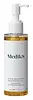
This oil-based cleanser is made to cleanse without leaving your skin tight or dry.
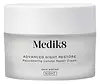
This barrier-repair night moisturizer is formulated around Squalane and Ceramide NP to strengthen the skin barrier and hydrate skin.

What's inside
What's inside
 Key Ingredients
Benefits
Concerns
Ingredients Side-by-side
Carthamus Tinctorius Seed Oil
Masking



Olea Europaea Fruit Oil
Masking


Sorbeth-30 Tetraoleate
Emulsifying
C12-15 Alkyl Benzoate
AntimicrobialEthyl Linoleate
Emollient
Pelargonium Graveolens Flower Oil
Masking


Moringa Oleifera Seed Oil
Emollient
Tocopherol
Antioxidant






Citrus Aurantium Dulcis Peel Oil
Masking
Helianthus Annuus Seed Oil
Emollient
Beta-Carotene
Skin ConditioningDaucus Carota Sativa Root Extract
Skin Conditioning
Daucus Carota Sativa Seed Oil
Emollient
Ascorbyl Palmitate
Antioxidant

Limonene
Perfuming
Citronellol
Perfuming
Geraniol
Perfuming
Linalool
Perfuming
Citral
Perfuming
Carthamus Tinctorius Seed Oil, Olea Europaea Fruit Oil, Sorbeth-30 Tetraoleate, C12-15 Alkyl Benzoate, Ethyl Linoleate, Pelargonium Graveolens Flower Oil, Moringa Oleifera Seed Oil, Tocopherol, Citrus Aurantium Dulcis Peel Oil, Helianthus Annuus Seed Oil, Beta-Carotene, Daucus Carota Sativa Root Extract, Daucus Carota Sativa Seed Oil, Ascorbyl Palmitate, Limonene, Citronellol, Geraniol, Linalool, Citral
Water
Skin ConditioningSqualane
Emollient
Caprylic/Capric Triglyceride
Masking
Dimethicone
Emollient
Glycerin
Humectant
Stearic Acid
Cleansing
Phytosterols
Skin Conditioning
Propylene Glycol
Humectant
C12-16 Alcohols
EmollientSodium Acrylate/Sodium Acryloyldimethyl Taurate Copolymer
Emulsion StabilisingCetearyl Alcohol
Emollient
Palmitic Acid
Emollient
Ceramide NP
Skin Conditioning
Cetearyl Olivate
Linoleic Acid
Cleansing
Behenyl Alcohol
Emollient
Hydrogenated Lecithin
Emulsifying
Tocopheryl Acetate
Antioxidant
Sorbitan Olivate
Emulsifying
Phenoxyethanol
Preservative
Benzyl Alcohol
Perfuming
Amelanchier Alnifolia Fruit Extract
Skin ConditioningEthylhexylglycerin
Skin ConditioningAcetyl Glucosamine
Skin Conditioning
Citric Acid
Buffering
Sorbitol
Humectant
Rosmarinus Officinalis Leaf Oil
Masking
Citrus Aurantium Amara Flower Oil
Masking
Lavandula Angustifolia Herb Oil
Perfuming
Citrus Aurantium Dulcis Peel Oil
Masking
Hylocereus Undatus Fruit Extract
Skin ConditioningDehydroacetic Acid
Preservative
Tremella Fuciformis Extract
Humectant
Sodium Lauroyl Lactylate
EmulsifyingAnthemis Nobilis Flower Oil
Masking
Pogostemon Cablin Leaf Oil
Masking
Vetiveria Zizanoides Root Oil
Masking
Ascorbic Acid
Antioxidant
Disodium EDTA
Ceramide AP
Skin Conditioning
Ceteareth-25
CleansingPhytosphingosine
Skin Conditioning
Cholesterol
Emollient
Xanthan Gum
EmulsifyingCarbomer
Emulsion StabilisingCetyl Alcohol
Emollient
Behenic Acid
Cleansing
Ceramide Ns
Skin Conditioning
Ferric Hexapeptide-35
Skin Conditioning
Ceramide EOP
Skin Conditioning
Ceramide Eos
Skin Conditioning
Caprooyl Phytosphingosine
Skin Conditioning
Caprooyl Sphingosine
Skin ConditioningAscorbyl Palmitate
Antioxidant
Tocopherol
Antioxidant
Geraniol
Perfuming
Limonene
Perfuming
Linalool
Perfuming
Water, Squalane, Caprylic/Capric Triglyceride, Dimethicone, Glycerin, Stearic Acid, Phytosterols, Propylene Glycol, C12-16 Alcohols, Sodium Acrylate/Sodium Acryloyldimethyl Taurate Copolymer, Cetearyl Alcohol, Palmitic Acid, Ceramide NP, Cetearyl Olivate, Linoleic Acid, Behenyl Alcohol, Hydrogenated Lecithin, Tocopheryl Acetate, Sorbitan Olivate, Phenoxyethanol, Benzyl Alcohol, Amelanchier Alnifolia Fruit Extract, Ethylhexylglycerin, Acetyl Glucosamine, Citric Acid, Sorbitol, Rosmarinus Officinalis Leaf Oil, Citrus Aurantium Amara Flower Oil, Lavandula Angustifolia Herb Oil, Citrus Aurantium Dulcis Peel Oil, Hylocereus Undatus Fruit Extract, Dehydroacetic Acid, Tremella Fuciformis Extract, Sodium Lauroyl Lactylate, Anthemis Nobilis Flower Oil, Pogostemon Cablin Leaf Oil, Vetiveria Zizanoides Root Oil, Ascorbic Acid, Disodium EDTA, Ceramide AP, Ceteareth-25, Phytosphingosine, Cholesterol, Xanthan Gum, Carbomer, Cetyl Alcohol, Behenic Acid, Ceramide Ns, Ferric Hexapeptide-35, Ceramide EOP, Ceramide Eos, Caprooyl Phytosphingosine, Caprooyl Sphingosine, Ascorbyl Palmitate, Tocopherol, Geraniol, Limonene, Linalool
Reviews
Ingredients Explained
These ingredients are found in both products.
Ingredients higher up in an ingredient list are typically present in a larger amount.
Ascorbyl Palmitate is a fat-soluble form of vitamin C (Ascorbic Acid) made by combining it with palmitic acid.
It is able to blend easily into creams and oil-based formulas because it dissolves in oils rather than water.
As you may know, regular vitamin C is notorious for breaking down when exposed to sunlight and air. Ascorbyl Palmitate is more stable and degrades at a slower rate.
Research on whether it converts efficiently into active vitamin C once it's applied on your skin is still limited.
Some in-vitro studies suggest it may support collagen production, but it is not considered one of the stronger vitamin C derivatives, like:
Due to the palmitic acid base, this ingredient may not be fungal acne safe. Comedogenic studies have also shown this ingredient to have a rating of 2.
It's also worth keeping in mind that comedogenic and irritancy ratings are tested on individual ingredients, not finished formulas. The final product's formulation, concentration, and other ingredients all play a role in how something actually behaves on your skin.
Learn more about Ascorbyl PalmitateCitrus Aurantium Dulcis Peel Oil is oil from the peel of an orange fruit.
Limonene and linalool make up the majority of oils from citrus peels. Limonene has a "citrus" fragrance. Citrus peels also contain flavonoids, which have anti-inflammatory properties.
Citrus peel is also a rich source of flavonoids. Flavonoids are natural antioxidants and help protect your skin against damage. Flavonoids are a group of compounds naturally found in vegetables and fruits.
The term 'fragrance' is not regulated in many countries. In many cases, it is up to the brand to define this term. For instance, many brands choose to label themselves as "fragrance-free" because they are not using synthetic fragrances. However, their products may still contain ingredients such as essential oils that are considered a fragrance.
Learn more about Citrus Aurantium Dulcis Peel OilGeraniol is used to add fragrance/parfum to a product. It is the main component of citronellol. It is a monoterpenoid and an alcohol.
Monoterpenes are naturally found in many parts of different plants.
Geraniol can be found in many essential oils including Rose Oil and Citronella Oil. The scent of Geraniol is often described as "rose-like". Many foods also contain Geraniol for fruit flavoring.
Geraniol can irritate the skin when exposed to air. However, irritation depends on the ability of geraniol to penetrate into the skin. In general, geraniol is not able to penetrate skin easily.
Geraniol is colorless and has low water-solubility. However, it is soluble in common organic solvents.
Like citronellol, it is a natural insect repellent.
2,6-Octadien-1-ol, 3,7-dimethyl-, (2E)-
Learn more about GeraniolLimonene is a fragrance that adds scent and taste to a formulation.
It's found in the peel oil of citrus fruits and other plants such as lavender and eucalyptus. The scent of limonene is generally described as "sweet citrus".
Limonene acts as an antioxidant, meaning it helps neutralize free radicals.
When exposed to air, oxidized limonene may sensitize the skin. Because of this, limonene is often avoided by people with sensitive skin.
The term 'fragrance' is not regulated in many countries. In many cases, it is up to the brand to define this term. For instance, many brands choose to label themselves as "fragrance-free" because they are not using synthetic fragrances. However, their products may still contain ingredients such as essential oils that are considered a fragrance.
Learn more about LimoneneLinalool is a fragrance and helps add scent to products. It's derived from common plants such as cinnamon, mint, citrus, and lavender.
Like Limonene, this ingredient oxidizes when exposed to air. Oxidized linalool can cause allergies and skin sensitivity.
This ingredient has a scent that is floral, spicy tropical, and citrus-like.
Learn more about LinaloolTocopherol is a fat-soluble antioxidant known as Vitamin E.
You'll find this ingredient in the vast majority of skincare (for good reason). It works to neutralize free radicals, or unstable molecules generated by UV exposure, pollution, and other environmental stressors, before they can cause oxidative damage to your skin cells.
Topically applied tocopherol has been shown to protect against UV damage by ramping up the skin's own natural defense enzymes.
It also acts as a skin conditioning agent; some studies show that regular topical use can improve the skin's water-binding capacity over 2-4 weeks.
This ingredient is especially loved for being a team player. When combined with Vitamin C, the photoprotective effect of both ingredients roughly doubles and the combo also helps reduce UV-induced DNA damage.
This ingredient has some brightening potential but it's more of a prevention ingredient than spot-fader. Cell studies show it can slow down melanin production but it's worth noting that it's not the most powerful brightener out there.
In formulations, it also serves as a stabilizer that helps protect other oxidation-prone ingredients from degrading.
Concentrations usually range from 0.1-1% in most leave-on products.
Learn more about Tocopherol

