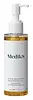
This oil-based cleanser is made to cleanse without leaving your skin tight or dry.
This oil-based makeup remover is made to dissolve makeup, sunscreen, and daily buildup.


What's inside
What's inside
 Key Ingredients
Benefits
Concerns
Ingredients Side-by-side
Carthamus Tinctorius Seed Oil
Masking



Olea Europaea Fruit Oil
Masking


Sorbeth-30 Tetraoleate
Emulsifying
C12-15 Alkyl Benzoate
AntimicrobialEthyl Linoleate
Emollient
Pelargonium Graveolens Flower Oil
Masking


Moringa Oleifera Seed Oil
Emollient
Tocopherol
Antioxidant






Citrus Aurantium Dulcis Peel Oil
Masking
Helianthus Annuus Seed Oil
Emollient
Beta-Carotene
Skin ConditioningDaucus Carota Sativa Root Extract
Skin Conditioning
Daucus Carota Sativa Seed Oil
Emollient
Ascorbyl Palmitate
Antioxidant

Limonene
Perfuming
Citronellol
Perfuming
Geraniol
Perfuming
Linalool
Perfuming
Citral
Perfuming
Carthamus Tinctorius Seed Oil, Olea Europaea Fruit Oil, Sorbeth-30 Tetraoleate, C12-15 Alkyl Benzoate, Ethyl Linoleate, Pelargonium Graveolens Flower Oil, Moringa Oleifera Seed Oil, Tocopherol, Citrus Aurantium Dulcis Peel Oil, Helianthus Annuus Seed Oil, Beta-Carotene, Daucus Carota Sativa Root Extract, Daucus Carota Sativa Seed Oil, Ascorbyl Palmitate, Limonene, Citronellol, Geraniol, Linalool, Citral
Ethylhexyl Palmitate
Emollient
Sorbeth-30 Tetraoleate
Emulsifying
Synthetic Wax
Abrasive
Dipentaerythrityl Hexa C5-9 Acid Esters
Skin ConditioningPolyglyceryl-6 Dicaprate
EmulsifyingGlycerin
Humectant
Sorbitol
Humectant
Citrus Aurantium Dulcis Flower Oil
Astringent
Litsea Cubeba Fruit Oil
Masking
Citrus Paradisi Peel Oil
Masking
Citrus Aurantium Bergamia Fruit Oil
Masking
Limonene
Perfuming
Helianthus Annuus Seed Oil
Emollient
Linalool
Perfuming
Sucrose Stearate
EmollientCaprylic/Capric Triglyceride
Masking
Glyceryl Stearate
Emollient
Mentha Viridis Leaf Oil
Astringent
Barosma Betulina Leaf Extract
Perfuming
Beta-Carotene
Skin ConditioningO-Cymen-5-Ol
Antimicrobial
Tocopherol
Antioxidant
Water
Skin ConditioningButylene Glycol
Humectant
Daucus Carota Sativa Root Water
Masking1,2-Hexanediol
Skin Conditioning
Daucus Carota Sativa Root Extract
Skin Conditioning
Daucus Carota Sativa Seed Oil
Emollient
Ethylhexyl Palmitate, Sorbeth-30 Tetraoleate, Synthetic Wax, Dipentaerythrityl Hexa C5-9 Acid Esters, Polyglyceryl-6 Dicaprate, Glycerin, Sorbitol, Citrus Aurantium Dulcis Flower Oil, Litsea Cubeba Fruit Oil, Citrus Paradisi Peel Oil, Citrus Aurantium Bergamia Fruit Oil, Limonene, Helianthus Annuus Seed Oil, Linalool, Sucrose Stearate, Caprylic/Capric Triglyceride, Glyceryl Stearate, Mentha Viridis Leaf Oil, Barosma Betulina Leaf Extract, Beta-Carotene, O-Cymen-5-Ol, Tocopherol, Water, Butylene Glycol, Daucus Carota Sativa Root Water, 1,2-Hexanediol, Daucus Carota Sativa Root Extract, Daucus Carota Sativa Seed Oil
Reviews
Ingredients Explained
These ingredients are found in both products.
Ingredients higher up in an ingredient list are typically present in a larger amount.
Beta-Carotene is a fat-soluble carotenoid pigment. It is the thing responsible for giving carrots, sweet potatoes, apricots, and other orange-yellow produce their color.
It is a potent antioxidant that neutralizes free radicals (mainly reactive oxygen species) that come at your skin from both the environment and internal processes.
When applied topically, beta-carotene accumulates in your outermost layer of skin and acts as a first-line defense against photo-oxidative stress.
Research has established that carotenoids like beta-carotene boosts your skin's innate resistance against UVB induced erythema. Please know this does not mean beta-carotene can replace your sunscreen.
Newer studies show it can also help inhibit molecular markers of oxidative stress like MMP-1 and MMP-9, enzymes that break down collagen.
In some cases, it can be used as a cosmetic colorant as well (INCI name: CI 40800).
Beta-carotene pairs well with other antioxidants like Vitamin E and Vitamin C for a synergistic effect.
Learn more about Beta-CaroteneDaucus Carota Sativa Root Extract comes from the root commonly known as carrot (the orange kind we eat!).
This extract contains beta-carotene, a pigment responsible for giving plants the orange color. Beta-carotene is a potent antioxidant. Antioxidants may help reduce the signs of aging.
Beta-carotene is the reason we turn orange if we eat too many carrots.
It should be noted coming into contact with the leaves of wild carrots can cause skin irritation. The sap causes phytophotodermatitis, or sensitivity exposed to sunlight.
This ingredient is created using the edible parts of the carrot.
Learn more about Daucus Carota Sativa Root ExtractDaucus Carota Sativa Seed Oil is the oil obtained from the seed of the edible carrot. The oil is created by steaming and distilling the seeds of the plant.
Carrot Seed Oil has hydrating, anti-inflammatory, and antioxidant properties.
As an emollient, carrot seed oil creates a thin film on the skin. This film prevents moisture from escaping, keeping your skin hydrated. Carrot seed oil has a soothing effect and can help alleviate inflammation.
As an antioxidant, carrot seed oil may help reduce the signs of aging. Antioxidants are able to neutralize free-radical molecules, or molecules that can damage our skin's cells and DNA.
Emerging studies show the alpha-pinene and carotol content give carrots antibacterial and antifungal properties. However, this is dependent on the amount of each compound. More studies are needed.
Carrot Seed Oil is not carrot oil. Carrot oil is created by mixing parts of the carrot in a carrier oil, such as coconut oil.
Learn more about Daucus Carota Sativa Seed OilHelianthus Annuus Seed Oil is a plant oil derived from the seeds of a sunflower.
It is rich in fatty acids, primarily linoleic acid and oleic acid. This gives it emollient and skin conditioning properties.
The reason this ingredient is so effective is because it forms a thin film on the skin that reduces transepidermal water loss (TEWL) while supplying linoleic acid to the stratum corneum to improve barrier strength.
The high linoleic acid content is particularly noteworthy for acne-prone skin.
Research suggests that acne-prone skin tends to be deficient in linoleic acid in sebum. Topical application may help replenish this to support a healthier follicular environment and less comedone-promoting sebum.
One randomized study found sunflower seed oil preserved skin barrier integrity in adult volunteers with and without atopic dermatitis (outperforming olive oil).
This ingredient is well-studied, gentle, and an effective emollient suitable for most skin types.
On fungal acne: This ingredient may not be Fungal acne (Malassezia folliculitis) safe. This is because it contains fatty acids with carbon chain lengths in the C11-C24 range.
Learn more about Helianthus Annuus Seed OilLimonene is a fragrance that adds scent and taste to a formulation.
It's found in the peel oil of citrus fruits and other plants such as lavender and eucalyptus. The scent of limonene is generally described as "sweet citrus".
Limonene acts as an antioxidant, meaning it helps neutralize free radicals.
When exposed to air, oxidized limonene may sensitize the skin. Because of this, limonene is often avoided by people with sensitive skin.
The term 'fragrance' is not regulated in many countries. In many cases, it is up to the brand to define this term. For instance, many brands choose to label themselves as "fragrance-free" because they are not using synthetic fragrances. However, their products may still contain ingredients such as essential oils that are considered a fragrance.
Learn more about LimoneneLinalool is a fragrance and helps add scent to products. It's derived from common plants such as cinnamon, mint, citrus, and lavender.
Like Limonene, this ingredient oxidizes when exposed to air. Oxidized linalool can cause allergies and skin sensitivity.
This ingredient has a scent that is floral, spicy tropical, and citrus-like.
Learn more about LinaloolSorbeth-30 Tetraoleate is a surfactant and emulsifier.
This ingredient is a tetraester from oleic acid and polyethylene glycol ether of sorbitol.
As an emulsifier, it helps ingredients such as oil and water mix together. This allows the dirt and oils in your skin to be washed away.
One study found pumpkin oil containing Sorbeth-30 Tetraoleate helped hydrate the skin and did not cause any irritation.
Learn more about Sorbeth-30 TetraoleateTocopherol is a fat-soluble antioxidant known as Vitamin E.
You'll find this ingredient in the vast majority of skincare (for good reason). It works to neutralize free radicals, or unstable molecules generated by UV exposure, pollution, and other environmental stressors, before they can cause oxidative damage to your skin cells.
Topically applied tocopherol has been shown to protect against UV damage by ramping up the skin's own natural defense enzymes.
It also acts as a skin conditioning agent; some studies show that regular topical use can improve the skin's water-binding capacity over 2-4 weeks.
This ingredient is especially loved for being a team player. When combined with Vitamin C, the photoprotective effect of both ingredients roughly doubles and the combo also helps reduce UV-induced DNA damage.
This ingredient has some brightening potential but it's more of a prevention ingredient than spot-fader. Cell studies show it can slow down melanin production but it's worth noting that it's not the most powerful brightener out there.
In formulations, it also serves as a stabilizer that helps protect other oxidation-prone ingredients from degrading.
Concentrations usually range from 0.1-1% in most leave-on products.
Learn more about Tocopherol

