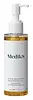
This oil-based cleanser is made to cleanse without leaving your skin tight or dry.
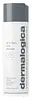
This mild gel makeup remover is made to dissolve makeup, sunscreen, and daily buildup.


What's inside
What's inside
 Key Ingredients
Benefits
Concerns
Ingredients Side-by-side
Carthamus Tinctorius Seed Oil
Masking



Olea Europaea Fruit Oil
Masking


Sorbeth-30 Tetraoleate
Emulsifying
C12-15 Alkyl Benzoate
AntimicrobialEthyl Linoleate
Emollient
Pelargonium Graveolens Flower Oil
Masking


Moringa Oleifera Seed Oil
Emollient
Tocopherol
Antioxidant






Citrus Aurantium Dulcis Peel Oil
Masking
Helianthus Annuus Seed Oil
Emollient
Beta-Carotene
Skin ConditioningDaucus Carota Sativa Root Extract
Skin Conditioning
Daucus Carota Sativa Seed Oil
Emollient
Ascorbyl Palmitate
Antioxidant

Limonene
Perfuming
Citronellol
Perfuming
Geraniol
Perfuming
Linalool
Perfuming
Citral
Perfuming
Carthamus Tinctorius Seed Oil, Olea Europaea Fruit Oil, Sorbeth-30 Tetraoleate, C12-15 Alkyl Benzoate, Ethyl Linoleate, Pelargonium Graveolens Flower Oil, Moringa Oleifera Seed Oil, Tocopherol, Citrus Aurantium Dulcis Peel Oil, Helianthus Annuus Seed Oil, Beta-Carotene, Daucus Carota Sativa Root Extract, Daucus Carota Sativa Seed Oil, Ascorbyl Palmitate, Limonene, Citronellol, Geraniol, Linalool, Citral
Water
Skin ConditioningGlycerin
Humectant
Cocamidopropyl Hydroxysultaine
Cleansing
Sodium Cocoyl Glutamate
Cleansing
PEG-60 Almond Glycerides
Emulsifying
Hydroxyacetophenone
Antioxidant
Camellia Oleifera Seed Extract
AstringentCitrus Aurantium Dulcis Peel Oil
Masking
Lavandula Hybrida Oil
Emollient
Citrus Paradisi Peel Oil
Masking
Citrus Nobilis Peel Oil
Masking
Lavandula Angustifolia Oil
Masking
Cymbopogon Citratus Leaf Oil
Masking
Hippophae Rhamnoides Fruit Oil
Skin Protecting
Tocopherol
Antioxidant
Pentylene Glycol
Skin Conditioning
Hydroxypropyl Guar Hydroxypropyltrimonium Chloride
Caprylyl Glycol
Emollient
Xanthan Gum
Emulsifying1,2-Hexanediol
Skin Conditioning
PEG-40 Hydrogenated Castor Oil
Emulsifying
PEG-120 Methyl Glucose Dioleate
Emulsifying
Saccharide Isomerate
Humectant
Polysorbate 20
Emulsifying
Tetrasodium Glutamate Diacetate
Citric Acid
Buffering
Sodium Hydroxide
BufferingSodium Citrate
BufferingO-Cymen-5-Ol
Antimicrobial
Limonene
Perfuming
Linalool
Perfuming
Citral
Perfuming
Water, Glycerin, Cocamidopropyl Hydroxysultaine, Sodium Cocoyl Glutamate, PEG-60 Almond Glycerides, Hydroxyacetophenone, Camellia Oleifera Seed Extract, Citrus Aurantium Dulcis Peel Oil, Lavandula Hybrida Oil, Citrus Paradisi Peel Oil, Citrus Nobilis Peel Oil, Lavandula Angustifolia Oil, Cymbopogon Citratus Leaf Oil, Hippophae Rhamnoides Fruit Oil, Tocopherol, Pentylene Glycol, Hydroxypropyl Guar Hydroxypropyltrimonium Chloride, Caprylyl Glycol, Xanthan Gum, 1,2-Hexanediol, PEG-40 Hydrogenated Castor Oil, PEG-120 Methyl Glucose Dioleate, Saccharide Isomerate, Polysorbate 20, Tetrasodium Glutamate Diacetate, Citric Acid, Sodium Hydroxide, Sodium Citrate, O-Cymen-5-Ol, Limonene, Linalool, Citral
Reviews
Ingredients Explained
These ingredients are found in both products.
Ingredients higher up in an ingredient list are typically present in a larger amount.
Citral is the molecule responsible for the fresh lemon scent in lemon, lime, and lemongrass. It is a fragrance ingredient that can be created from plant essential oils or synthetically.
Though Citral has documented antimicrobial activity against acne bacteria (which is where the marketing claims about it being good for acne-prone skin originate), real formulas use it at fragrance-level concentrations under 1% so there's likely no skin benefit.
You should know this ingredient is a known EU fragrance allergen.
Animal studies classifies this ingredient as a weak-to-moderate skin sensitizer and clinical patch testing on eczema patients confirmed it to be both a contact allergen and irritant.
The term 'citral' is a collective term for two geometric isomers: geranial/Citral A and neral/Citral B.
The term 'fragrance' is not regulated in many countries. In many cases, it is up to the brand to define this term. For instance, many brands choose to label themselves as "fragrance-free" because they are not using synthetic fragrances. However, their products may still contain ingredients such as essential oils that are considered a fragrance.
Learn more about CitralCitrus Aurantium Dulcis Peel Oil is oil from the peel of an orange fruit.
Limonene and linalool make up the majority of oils from citrus peels. Limonene has a "citrus" fragrance. Citrus peels also contain flavonoids, which have anti-inflammatory properties.
Citrus peel is also a rich source of flavonoids. Flavonoids are natural antioxidants and help protect your skin against damage. Flavonoids are a group of compounds naturally found in vegetables and fruits.
The term 'fragrance' is not regulated in many countries. In many cases, it is up to the brand to define this term. For instance, many brands choose to label themselves as "fragrance-free" because they are not using synthetic fragrances. However, their products may still contain ingredients such as essential oils that are considered a fragrance.
Learn more about Citrus Aurantium Dulcis Peel OilLimonene is a fragrance that adds scent and taste to a formulation.
It's found in the peel oil of citrus fruits and other plants such as lavender and eucalyptus. The scent of limonene is generally described as "sweet citrus".
Limonene acts as an antioxidant, meaning it helps neutralize free radicals.
When exposed to air, oxidized limonene may sensitize the skin. Because of this, limonene is often avoided by people with sensitive skin.
The term 'fragrance' is not regulated in many countries. In many cases, it is up to the brand to define this term. For instance, many brands choose to label themselves as "fragrance-free" because they are not using synthetic fragrances. However, their products may still contain ingredients such as essential oils that are considered a fragrance.
Learn more about LimoneneLinalool is a fragrance and helps add scent to products. It's derived from common plants such as cinnamon, mint, citrus, and lavender.
Like Limonene, this ingredient oxidizes when exposed to air. Oxidized linalool can cause allergies and skin sensitivity.
This ingredient has a scent that is floral, spicy tropical, and citrus-like.
Learn more about LinaloolTocopherol is a fat-soluble antioxidant known as Vitamin E.
You'll find this ingredient in the vast majority of skincare (for good reason). It works to neutralize free radicals, or unstable molecules generated by UV exposure, pollution, and other environmental stressors, before they can cause oxidative damage to your skin cells.
Topically applied tocopherol has been shown to protect against UV damage by ramping up the skin's own natural defense enzymes.
It also acts as a skin conditioning agent; some studies show that regular topical use can improve the skin's water-binding capacity over 2-4 weeks.
This ingredient is especially loved for being a team player. When combined with Vitamin C, the photoprotective effect of both ingredients roughly doubles and the combo also helps reduce UV-induced DNA damage.
This ingredient has some brightening potential but it's more of a prevention ingredient than spot-fader. Cell studies show it can slow down melanin production but it's worth noting that it's not the most powerful brightener out there.
In formulations, it also serves as a stabilizer that helps protect other oxidation-prone ingredients from degrading.
Concentrations usually range from 0.1-1% in most leave-on products.
Learn more about Tocopherol

