Anua Heartleaf Quercetinol Pore Deep Cleansing Foam Versus APRILSKIN Carrotene IPMP Hydromelt Cleansing Balm
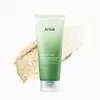
This salicylic acid foaming cleanser is formulated around Salicylic Acid to clear breakouts and unclog pores.
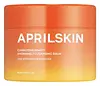
This oil-based makeup remover is made to dissolve makeup, sunscreen, and daily buildup.

What's inside
What's inside
 Key Ingredients
Benefits
Concerns
Ingredients Side-by-side
Cota Tinctoria Flower/Leaf/Stem Extract 33%
Skin ConditioningGlycerin
Humectant


Sodium Cocoyl Glycinate
Cleansing
Water
Skin ConditioningDisodium Cocoamphodiacetate
CleansingSodium Lauroyl Glutamate
SurfactantGlyceryl Stearate
Emollient

Propanediol
Solvent
Coco-Glucoside
Cleansing
Sodium Chloride
MaskingDecyl Glucoside
Cleansing
Ectoin
Skin Conditioning



1,2-Hexanediol
Skin Conditioning
Hydroxyacetophenone
Antioxidant
Salicylic Acid
Masking









Butylene Glycol
Humectant
Polyquaternium-67
Houttuynia Cordata Powder
Skin ConditioningAcrylates/C10-30 Alkyl Acrylate Crosspolymer
Emulsion StabilisingSorbitol
Humectant
Ethylhexylglycerin
Skin ConditioningEucalyptus Globulus Leaf Oil
Perfuming



Hexylene Glycol
EmulsifyingOenothera Biennis Flower Extract
AstringentPueraria Lobata Root Extract
HumectantPinus Densiflora Leaf Extract
Antimicrobial
Ulmus Fulva Bark Extract
MoisturisingPentylene Glycol
Skin Conditioning
Sodium Hyaluronate
Humectant
Hyaluronic Acid
Humectant
Hydrolyzed Hyaluronic Acid
Humectant
Hydroxypropyltrimonium Hyaluronate
Hydrolyzed Sodium Hyaluronate
Skin Conditioning
Potassium Hyaluronate
Skin ConditioningSodium Hyaluronate Crosspolymer
Humectant
Sodium Acetylated Hyaluronate
Humectant
Quercetin
Antioxidant
Cota Tinctoria Flower/Leaf/Stem Extract 33%, Glycerin, Sodium Cocoyl Glycinate, Water, Disodium Cocoamphodiacetate, Sodium Lauroyl Glutamate, Glyceryl Stearate, Propanediol, Coco-Glucoside, Sodium Chloride, Decyl Glucoside, Ectoin, 1,2-Hexanediol, Hydroxyacetophenone, Salicylic Acid, Butylene Glycol, Polyquaternium-67, Houttuynia Cordata Powder, Acrylates/C10-30 Alkyl Acrylate Crosspolymer, Sorbitol, Ethylhexylglycerin, Eucalyptus Globulus Leaf Oil, Hexylene Glycol, Oenothera Biennis Flower Extract, Pueraria Lobata Root Extract, Pinus Densiflora Leaf Extract, Ulmus Fulva Bark Extract, Pentylene Glycol, Sodium Hyaluronate, Hyaluronic Acid, Hydrolyzed Hyaluronic Acid, Hydroxypropyltrimonium Hyaluronate, Hydrolyzed Sodium Hyaluronate, Potassium Hyaluronate, Sodium Hyaluronate Crosspolymer, Sodium Acetylated Hyaluronate, Quercetin
Ethylhexyl Palmitate
Emollient

Sorbeth-30 Tetraoleate
Emulsifying
Synthetic Wax
Abrasive
Dipentaerythrityl Hexa C5-9 Acid Esters
Skin ConditioningPolyglyceryl-6 Dicaprate
EmulsifyingGlycerin
Humectant
Sorbitol
Humectant
Citrus Aurantium Dulcis Flower Oil
Astringent
Litsea Cubeba Fruit Oil
Masking
Citrus Paradisi Peel Oil
Masking
Citrus Aurantium Bergamia Fruit Oil
Masking
Limonene
Perfuming
Helianthus Annuus Seed Oil
Emollient
Linalool
Perfuming
Sucrose Stearate
EmollientCaprylic/Capric Triglyceride
Masking
Glyceryl Stearate
Emollient
Mentha Viridis Leaf Oil
Astringent
Barosma Betulina Leaf Extract
Perfuming
Beta-Carotene
Skin ConditioningO-Cymen-5-Ol
Antimicrobial
Tocopherol
Antioxidant

Water
Skin ConditioningButylene Glycol
Humectant
Daucus Carota Sativa Root Water
Masking1,2-Hexanediol
Skin Conditioning
Daucus Carota Sativa Root Extract
Skin Conditioning
Daucus Carota Sativa Seed Oil
Emollient
Ethylhexyl Palmitate, Sorbeth-30 Tetraoleate, Synthetic Wax, Dipentaerythrityl Hexa C5-9 Acid Esters, Polyglyceryl-6 Dicaprate, Glycerin, Sorbitol, Citrus Aurantium Dulcis Flower Oil, Litsea Cubeba Fruit Oil, Citrus Paradisi Peel Oil, Citrus Aurantium Bergamia Fruit Oil, Limonene, Helianthus Annuus Seed Oil, Linalool, Sucrose Stearate, Caprylic/Capric Triglyceride, Glyceryl Stearate, Mentha Viridis Leaf Oil, Barosma Betulina Leaf Extract, Beta-Carotene, O-Cymen-5-Ol, Tocopherol, Water, Butylene Glycol, Daucus Carota Sativa Root Water, 1,2-Hexanediol, Daucus Carota Sativa Root Extract, Daucus Carota Sativa Seed Oil
Reviews
Ingredients Explained
These ingredients are found in both products.
Ingredients higher up in an ingredient list are typically present in a larger amount.
1,2-Hexanediol is a synthetic liquid and another multi-functional powerhouse.
It is a:
- Humectant, drawing moisture into the skin
- Emollient, helping to soften skin
- Solvent, dispersing and stabilizing formulas
- Preservative booster, enhancing the antimicrobial activity of other preservatives
Butylene Glycol (or BG) is used within cosmetic products for a few different reasons:
Overall, Butylene Glycol is a safe and well-rounded ingredient that works well with other ingredients.
Though this ingredient works well with most skin types, some people with sensitive skin may experience a reaction such as allergic rashes, closed comedones, or itchiness.
Learn more about Butylene GlycolGlycerin (or glycerol) is a compound naturally found in your skin. It's a powerhouse humectant that pulls water into the stratum corneum.
Topically, glycerin does several things at once:
Your skin makes glycerin on its own (mostly from sebaceous oil breakdown) and shuttles it to your outermost layer of skin, or your epidermis, via aquaporin-3.
Aquaporin-3 is a transporter that is essential for normal skin hydration, elasticity, and repair. Interestingly, mice lacking in AQP3 have dry and less elastic skin that can be fully corrected with glycerin.
This ingredient is non-irritating, plays well with almost every ingredient, and works across all skin types. Typical use is anywhere between 3-10% but can go up to 79% in some leave-on products.
Just know very high concentrations (>40%) can feel tacky in low humidity.
Glycerin is the name for this ingredient in American English. British English uses Glycerol/Glycerine.
Learn more about GlycerinGlyceryl Stearate is made by reacting glycerin with stearic acid (typically sourced from plant oils like palm or coconut). It's an emulsifier, emollient, and mild occlusive.
Emulsifiers help ingredients like oil and water stay mixed so your formula stays nicely blended and uniform in texture.
This ingredient is typically used in concentrations between 1-10%. Studies have found it to be non-sensitizing, non-phototoxic, and non-photoallergenic.
A close cousin of this ingredient is Glyceryl Stearate SE ("self-emulsifying"). This just has a small amount of sodium or potassium stearate added so it can emulsify without a co-emulsifier.
Since this ingredient is an ester of a C18 fatty acid, it may not be fungal acne safe. The Malassezia yeast can potentially metabolize within the C11-C24 range.
Fun fact: The human body also creates Glyceryl Stearate naturally.
Learn more about Glyceryl StearateSorbitol is a sugar alcohol. It is a hydrating and moisturizing agent created from the reduction process of glucose.
Most sorbitol is usually made from potato starch. It is also found in fruits such as apples and pears.
As a humectant, Sorbitol helps draw water to the skin. This helps keep the skin hydrated. Sorbitol also helps create a thicker texture in products. You might find sorbitol in your toothpaste and other gels.
It is a non-irritating ingredient that is great for those with dry skin.
Sorbitol is a prebiotic. It helps promote the growth of healthy bacteria on your skin. The bacteria on your skin form a microbiome. This microbiome helps protect your skin from infection and harmful bacteria.
Learn more about SorbitolWater. It's the most common cosmetic ingredient of all. You'll usually see it at the top of ingredient lists, meaning that it makes up the largest part of the product.
So why is it so popular? Water most often acts as a solvent - this means that it helps dissolve other ingredients into the formulation.
You'll also recognize water as that liquid we all need to stay alive. If you see this, drink a glass of water. Remember to stay hydrated!
Learn more about Water

