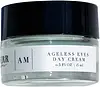
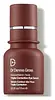
Averr Aglow Ageless Eyes Day Cream Versus Dr. Dennis Gross Skincare Advanced Retinol + Ferulic Triple Correction Eye Serum
This anti-aging eye moisturizer is formulated around Niacinamide and Bakuchiol to soften the look of wrinkles and hydrate skin.

What's inside
What's inside
 Key Ingredients
Benefits
Concerns
Ingredients Side-by-side
Malus Domestica Fruit Water
EmollientIsoamyl Cocoate





Silybum Marianum Seed Oil
Skin Conditioning
Niacinamide
Smoothing











Polyglyceryl-3 Distearate
Emulsifying
Water
Skin ConditioningGlycerin
Humectant
Lactobacillus Ferment
Skin Conditioning
Tocopherol
Antioxidant

Bakuchiol
Antimicrobial
Vitis Vinifera Seed Extract
Antimicrobial
Cellulose
Absorbent
Dipalmitoyl Hydroxyproline
Skin Conditioning
Fructose
Humectant
Ceramide NP
Skin Conditioning
Tremella Fuciformis Polysaccharide
Emulsion Stabilising
Astrocaryum Vulgare Kernel Oil
Skin Conditioning
Crocus Sativus Callus Extract
Antioxidant
Coffea Arabica Leaf Cell Extract
Antioxidant
Acmella Oleracea Extract
Skin ProtectingGlycyrrhiza Glabra Root Extract
Bleaching
Curcuma Longa Root Extract
Antioxidant
Aesculus Hippocastanum Extract
Antioxidant
Citrus Limon Peel Powder
AbsorbentHydrated Silica
Abrasive
Carthamus Tinctorius Seed Oil
Masking
Salvia Sclarea Oil
Masking
Polyglyceryl-3 Diisostearate
Emulsifying

Brassica Campestris Seed Oil
Skin Conditioning
Cetyl Palmitate
Emollient
Diheptyl Succinate
EmollientCitrus Aurantium Bergamia Peel Oil
Perfuming


Sclerotium Gum
Emulsion StabilisingCapryloyl Glycerin/Sebacic Acid Copolymer
Skin ConditioningSorbitan Olivate
Emulsifying
Propanediol
Solvent
Cocos Nucifera Oil
Masking
Glyceryl Caprylate
EmollientUbiquinone
Antioxidant
Bulnesia Sarmientoi Wood Oil
Masking
Glyceryl Stearate Citrate
Emollient
Elettaria Cardamomum Seed Oil
Masking
Melia Azadirachta Leaf Extract
Skin ConditioningCymbopogon Martini Oil
Masking
Pentylene Glycol
Skin Conditioning
Eugenia Caryophyllus Leaf Oil
Masking
Sorbitan Palmitate
Emulsifying
Melia Azadirachta Flower Extract
Skin ConditioningTriheptanoin
Skin ConditioningCorallina Officinalis Extract
Skin Conditioning
Quercus Suber Bark Extract
Skin ConditioningNannochloropsis Oculata Extract
HumectantPorphyra Umbilicalis Extract
Skin ConditioningSodium Phytate
Stevia Rebaudiana Leaf/Stem Extract
MaskingMelaleuca Alternifolia Leaf Oil
Antioxidant
Spilanthes Acmella Flower/Leaf/Stem Extract
AntimicrobialOcimum Sanctum Leaf Extract
Skin ConditioningFerula Galbaniflua Resin Oil
Antimicrobial
Ocimum Basilicum Flower/Leaf Extract
TonicOcimum Basilicum Oil
Masking
Oryza Sativa Bran Extract
Skin Conditioning
Solanum Melongena Fruit Extract
Skin ConditioningOak Root Extract
Skin ConditioningSalvia Officinalis Oil
Masking
Cananga Odorata Flower Oil
Masking
Caprylic/Capric Triglyceride
Masking
Cinnamomum Camphora Bark Oil
Masking
Althaea Officinalis Root Extract
Skin Conditioning
Coriandrum Sativum Fruit Oil
Masking
Aloe Barbadensis Flower Extract
EmollientCoccinia Indica Fruit Extract
Skin Conditioning
Eucalyptus Globulus Leaf Oil
Perfuming
Astragalus Membranaceus Root Extract
Emollient
Juniperus Virginiana Oil
Masking
Pinus Sylvestris Leaf Oil
Masking
Pogostemon Cablin Leaf Oil
Masking
Vetiveria Zizanoides Root Oil
Masking
Malus Domestica Fruit Water, Isoamyl Cocoate, Silybum Marianum Seed Oil, Niacinamide, Polyglyceryl-3 Distearate, Water, Glycerin, Lactobacillus Ferment, Tocopherol, Bakuchiol, Vitis Vinifera Seed Extract, Cellulose, Dipalmitoyl Hydroxyproline, Fructose, Ceramide NP, Tremella Fuciformis Polysaccharide, Astrocaryum Vulgare Kernel Oil, Crocus Sativus Callus Extract, Coffea Arabica Leaf Cell Extract, Acmella Oleracea Extract, Glycyrrhiza Glabra Root Extract, Curcuma Longa Root Extract, Aesculus Hippocastanum Extract, Citrus Limon Peel Powder, Hydrated Silica, Carthamus Tinctorius Seed Oil, Salvia Sclarea Oil, Polyglyceryl-3 Diisostearate, Brassica Campestris Seed Oil, Cetyl Palmitate, Diheptyl Succinate, Citrus Aurantium Bergamia Peel Oil, Sclerotium Gum, Capryloyl Glycerin/Sebacic Acid Copolymer, Sorbitan Olivate, Propanediol, Cocos Nucifera Oil, Glyceryl Caprylate, Ubiquinone, Bulnesia Sarmientoi Wood Oil, Glyceryl Stearate Citrate, Elettaria Cardamomum Seed Oil, Melia Azadirachta Leaf Extract, Cymbopogon Martini Oil, Pentylene Glycol, Eugenia Caryophyllus Leaf Oil, Sorbitan Palmitate, Melia Azadirachta Flower Extract, Triheptanoin, Corallina Officinalis Extract, Quercus Suber Bark Extract, Nannochloropsis Oculata Extract, Porphyra Umbilicalis Extract, Sodium Phytate, Stevia Rebaudiana Leaf/Stem Extract, Melaleuca Alternifolia Leaf Oil, Spilanthes Acmella Flower/Leaf/Stem Extract, Ocimum Sanctum Leaf Extract, Ferula Galbaniflua Resin Oil, Ocimum Basilicum Flower/Leaf Extract, Ocimum Basilicum Oil, Oryza Sativa Bran Extract, Solanum Melongena Fruit Extract, Oak Root Extract, Salvia Officinalis Oil, Cananga Odorata Flower Oil, Caprylic/Capric Triglyceride, Cinnamomum Camphora Bark Oil, Althaea Officinalis Root Extract, Coriandrum Sativum Fruit Oil, Aloe Barbadensis Flower Extract, Coccinia Indica Fruit Extract, Eucalyptus Globulus Leaf Oil, Astragalus Membranaceus Root Extract, Juniperus Virginiana Oil, Pinus Sylvestris Leaf Oil, Pogostemon Cablin Leaf Oil, Vetiveria Zizanoides Root Oil
Water
Skin ConditioningPropylene Glycol
Humectant
Ethoxydiglycol
HumectantBakuchiol
Antimicrobial
Retinol
Skin Conditioning
Nephelium Lappaceum Leaf Extract
Skin ConditioningFerulic Acid
Antimicrobial
Ubiquinone
Antioxidant
Quercetin
Antioxidant
Camellia Sinensis Leaf Extract
Antimicrobial
Sodium Hyaluronate
Humectant
Saccharide Isomerate
Humectant
Phospholipids
Skin Conditioning
Centella Asiatica Extract
Cleansing
Caffeine
Skin Conditioning
Salix Alba Bark Extract
Astringent
Salicylic Acid
Masking

Arctostaphylos Uva-Ursi Leaf Extract
Skin Conditioning
Morus Alba Bark Extract
Skin ConditioningGlycyrrhiza Glabra Root Extract
Bleaching
Potassium Azeloyl Diglycinate
Skin Conditioning
Glycolic Acid
Buffering
Panthenol
Skin Conditioning
Butylene Glycol
Humectant
Tetrapeptide-21
Skin Conditioning
Caprylic/Capric Triglyceride
Masking
Glycerin
Humectant
Leuconostoc/Radish Root Ferment Filtrate
Antimicrobial
Mandelic Acid
Antimicrobial
Potassium Hydroxide
BufferingMaltodextrin
Absorbent
Pvm/Ma Decadiene Crosspolymer
Polysorbate 20
Emulsifying
Citric Acid
Buffering
Sodium Citrate
BufferingPhenoxyethanol
Preservative
Sodium Benzoate
Masking
Potassium Sorbate
Preservative
Iron Oxides
Water, Propylene Glycol, Ethoxydiglycol, Bakuchiol, Retinol, Nephelium Lappaceum Leaf Extract, Ferulic Acid, Ubiquinone, Quercetin, Camellia Sinensis Leaf Extract, Sodium Hyaluronate, Saccharide Isomerate, Phospholipids, Centella Asiatica Extract, Caffeine, Salix Alba Bark Extract, Salicylic Acid, Arctostaphylos Uva-Ursi Leaf Extract, Morus Alba Bark Extract, Glycyrrhiza Glabra Root Extract, Potassium Azeloyl Diglycinate, Glycolic Acid, Panthenol, Butylene Glycol, Tetrapeptide-21, Caprylic/Capric Triglyceride, Glycerin, Leuconostoc/Radish Root Ferment Filtrate, Mandelic Acid, Potassium Hydroxide, Maltodextrin, Pvm/Ma Decadiene Crosspolymer, Polysorbate 20, Citric Acid, Sodium Citrate, Phenoxyethanol, Sodium Benzoate, Potassium Sorbate, Iron Oxides
Reviews
Ingredients Explained
These ingredients are found in both products.
Ingredients higher up in an ingredient list are typically present in a larger amount.
Bakuchiol is a plant-derived antioxidant from the seeds of the Psoralea corylifolia plant. It has antimicrobial, emollient, skin conditioning, and antioxidant properties.
You'll likely see it called a "retinol replacement" but the two are technically not related. This is because bakuchiol is able to flip many of the same switches in your skin cells to tell them to:
1) produce more collagen (type I, III, and IV)
2) activate the same genes retinoids do
Unlike retinoids, this ingredient will not increase photosensitivity and is safe to use during pregnancy (but please still check in with your doctor!).
The flagship clinical trial from Dhaliwal et al. 2019 found 0.5% bakuchiol (twice daily) and 0.5% retinol (once daily) reduced wrinkles and hyperpigmentation equally, but bakuchiol had significantly less irritation.
Systematic reviews also back this up:
Bakuchiol is comparable to retinol for photoaging but with better tolerability. It also has mild antibacterial properties against Cutibacterium acnes and antifungal activity in vitro against Candida and dermatophytes.
The reason bakuchiol works well is due to its structure; it is a meroterpene phenol, or a hybrid molecule. The phenol half acts as an antioxidant while the terpene half is fat-loving. This helps the molecule slip through the skin barrier.
This ingredient is usually used between 0.5-2%. Only one case of contact dermatitis has ever been reported for this ingredient.
Learn more about BakuchiolCaprylic/Capric Triglyceride (aka MCT Oil) is a lightweight emollient, solvent, and texture enhancer. It is considered a skin-softener by helping to prevent moisture loss.
Though it behaves like an oil, it is not technically one due to its chemical composition. One perk of this ingredient is that it is very stable, resistant to oxidation, and unlikely to go rancid.
In practice, that translates to a long shelf life and a consistently elegant skin feel.
While there is an assumption Caprylic Triglyceride can clog pores due to it being derived from coconut oil, there is no research supporting this. Just patch test if you have concerns.
Fractionated coconut oil and MCT Oil are both listed as Caprylic/Capric Triglyceride according to INCI. This is because INCI names are based on the ingredient’s final chemical composition and not its marketing name or source.
This ingredient is treated as the gold standard fungal acne safe oil. Even though it is coconut derived, the problematic lauric acid is stripped out.
This leaves just caprylic (C8) and capric (C10) acid. These chain lengths actually trend antifungal; a 2020 study found caprylic acid was enough to disrupt Malassezia furfur cell membrane, with a caprylic acid derivative damaging membrane structures at concentrations as low as 0.2%.
Learn more about Caprylic/Capric TriglycerideGlycerin (or glycerol) is a compound naturally found in your skin. It's a powerhouse humectant that pulls water into the stratum corneum.
Topically, glycerin does several things at once:
Your skin makes glycerin on its own (mostly from sebaceous oil breakdown) and shuttles it to your outermost layer of skin, or your epidermis, via aquaporin-3.
Aquaporin-3 is a transporter that is essential for normal skin hydration, elasticity, and repair. Interestingly, mice lacking in AQP3 have dry and less elastic skin that can be fully corrected with glycerin.
This ingredient is non-irritating, plays well with almost every ingredient, and works across all skin types. Typical use is anywhere between 3-10% but can go up to 79% in some leave-on products.
Just know very high concentrations (>40%) can feel tacky in low humidity.
Glycerin is the name for this ingredient in American English. British English uses Glycerol/Glycerine.
Learn more about GlycerinGlycyrrhiza Glabra Root Extract is an extract of the roots of Licorice. It has been found to have several benefits such as skin hydrating, conditioning, and soothing.
One component, glabridin, has extra potent antioxidant and soothing properties. It has also been found to block pigmentation from UVB rays in guinea pigs.
Licorice Root also contains a flavonoid. Flavonoids are a natural substance from in plants. Flavonoids also have antioxidant properties.
Another component, glycyrrhizin, has been found to have anti-inflammatory and antimicrobial benefits. This may make licorice root extract effective at treating acne. However, more research is needed to support this.
Liquiritin is one of the flavone compounds found in licorice. It has been found to help lighten skin by preventing tyrosinase from reacting with tyrosine. When the two react, protein is converted to melanin. Melanin is the substance in your body that gives your features pigmentation.
Learn more about Glycyrrhiza Glabra Root ExtractUbiquinone (Coenzyme Q10) is a molecule already found in our bodies. It is a potent antioxidant and skin-soothing ingredient.
Aging and environmental exposure diminishes our skin's natural ubiquinone levels. This is much like our natural collagen and elastin.
The good news is: studies show applying this ingredient topically replenishes ubiquinone levels in our skin. This also comes with a ton of skin benefits. These benefits include:
Ubiquinone is considered a large molecule and cannot be absorbed into the lower layers of skin. This is why it is believed to be such an effective antioxidant: it protects our skin in the upper layers and prevents damage in the deeper layers.
When used in sunscreen, ubiquinone is shown to increase ingredient stability, increase SPF factor, and add to infrared protection.
Fun fact: ubiquinone is fat-soluble.
Learn more about UbiquinoneWater. It's the most common cosmetic ingredient of all. You'll usually see it at the top of ingredient lists, meaning that it makes up the largest part of the product.
So why is it so popular? Water most often acts as a solvent - this means that it helps dissolve other ingredients into the formulation.
You'll also recognize water as that liquid we all need to stay alive. If you see this, drink a glass of water. Remember to stay hydrated!
Learn more about Water

