This hydrating toner is formulated around Sodium DNA and Panthenol to hydrate skin and strengthen the skin barrier.
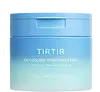
This calming toner pad uses a pre-saturated pad with Niacinamide and Sodium Hyaluronate to calm redness and hydrate skin.

What's inside
What's inside
 Key Ingredients
Benefits
Concerns
Ingredients Side-by-side
Water
Skin ConditioningDiphenyl Dimethicone
Emollient
Dipropylene Glycol
HumectantPentylene Glycol
Skin Conditioning
1,2-Hexanediol
Skin Conditioning
Glycereth-26
Humectant
Propanediol
Solvent
Streptococcus Thermophilus Ferment
Humectant

Butylene Glycol
Humectant
Panthenol
Skin Conditioning


Caprylic/Capric Triglyceride
Masking
Sodium DNA
Skin Conditioning
Hydroxyethyl Urea
Humectant
Hydroxyacetophenone
Antioxidant
Castor Oil/Ipdi Copolymer

Xylitylglucoside
Humectant
Allantoin
Skin Conditioning
Dipeptide-15
Skin Conditioning
Gellan Gum
Anhydroxylitol
Humectant
Calcium Chloride
AstringentCaprylyl Glycol
Emollient
Adenosine
Skin Conditioning
PPG-13-Decyltetradeceth-24
EmulsifyingGlycerin
Humectant
Sodium Citrate
BufferingXylitol
Humectant
Glycine Soja Seed Extract
Skin Conditioning
Melia Azadirachta Leaf Extract
Skin ConditioningSodium Hyaluronate
Humectant
Citric Acid
Buffering

Melia Azadirachta Flower Extract
Skin ConditioningGlycine Soja Oil
Emollient


Pyrus Malus Juice
Skin ConditioningCoccinia Indica Fruit Extract
Skin Conditioning
Tocopherol
Antioxidant
Cynanchum Atratum Extract
Skin ConditioningSolanum Melongena Fruit Extract
Skin ConditioningAloe Barbadensis Flower Extract
EmollientOctanediol
Ethylhexylglycerin
Skin ConditioningSimmondsia Chinensis Seed Oil
Emollient
Curcuma Longa Root Extract
Antioxidant
Ocimum Sanctum Leaf Extract
Skin ConditioningCorallina Officinalis Extract
Skin Conditioning
Helianthus Annuus Seed Oil
Emollient
Althaea Rosea Flower Extract
Skin ConditioningBeta-Carotene
Skin ConditioningDaucus Carota Sativa Root Extract
Skin Conditioning
Hydrolyzed Hyaluronic Acid
Humectant
Hyaluronic Acid
Humectant
Castanea Sativa Seed Extract
Skin ConditioningDipotassium Phosphate
BufferingAcetyl Glutamine
Skin ConditioningAgar
MaskingMagnesium Sulfate
Xanthan Gum
EmulsifyingDiphenylsiloxy Phenyl Trimethicone
Skin Conditioning
Phenyl Trimethicone
Skin Conditioning
Propylene Glycol Dibenzoate
Skin ConditioningPyrus Malus Seed Oil
Emollient
Hydrogenated Lecithin
Emulsifying
Aureobasidium Pullulans Ferment
Skin ConditioningHydrolyzed Collagen
Emollient
Ceramide NP
Skin Conditioning
Sodium Chloride
MaskingHippophae Rhamnoides Oil
Emollient
Copper Tripeptide-1
Skin Conditioning
Cellulose Gum
Emulsion StabilisingAmber Powder
Sodium Bicarbonate
Abrasive
Candida Bombicola/Glucose/Methyl Rapeseedate Ferment
AntimicrobialMoringa Oleifera Seed Oil
Emollient
Potassium Chloride
Sodium Stearoyl Glutamate
CleansingWater, Diphenyl Dimethicone, Dipropylene Glycol, Pentylene Glycol, 1,2-Hexanediol, Glycereth-26, Propanediol, Streptococcus Thermophilus Ferment, Butylene Glycol, Panthenol, Caprylic/Capric Triglyceride, Sodium DNA, Hydroxyethyl Urea, Hydroxyacetophenone, Castor Oil/Ipdi Copolymer, Xylitylglucoside, Allantoin, Dipeptide-15, Gellan Gum, Anhydroxylitol, Calcium Chloride, Caprylyl Glycol, Adenosine, PPG-13-Decyltetradeceth-24, Glycerin, Sodium Citrate, Xylitol, Glycine Soja Seed Extract, Melia Azadirachta Leaf Extract, Sodium Hyaluronate, Citric Acid, Melia Azadirachta Flower Extract, Glycine Soja Oil, Pyrus Malus Juice, Coccinia Indica Fruit Extract, Tocopherol, Cynanchum Atratum Extract, Solanum Melongena Fruit Extract, Aloe Barbadensis Flower Extract, Octanediol, Ethylhexylglycerin, Simmondsia Chinensis Seed Oil, Curcuma Longa Root Extract, Ocimum Sanctum Leaf Extract, Corallina Officinalis Extract, Helianthus Annuus Seed Oil, Althaea Rosea Flower Extract, Beta-Carotene, Daucus Carota Sativa Root Extract, Hydrolyzed Hyaluronic Acid, Hyaluronic Acid, Castanea Sativa Seed Extract, Dipotassium Phosphate, Acetyl Glutamine, Agar, Magnesium Sulfate, Xanthan Gum, Diphenylsiloxy Phenyl Trimethicone, Phenyl Trimethicone, Propylene Glycol Dibenzoate, Pyrus Malus Seed Oil, Hydrogenated Lecithin, Aureobasidium Pullulans Ferment, Hydrolyzed Collagen, Ceramide NP, Sodium Chloride, Hippophae Rhamnoides Oil, Copper Tripeptide-1, Cellulose Gum, Amber Powder, Sodium Bicarbonate, Candida Bombicola/Glucose/Methyl Rapeseedate Ferment, Moringa Oleifera Seed Oil, Potassium Chloride, Sodium Stearoyl Glutamate
Water
Skin ConditioningMethylpropanediol
SolventButylene Glycol
Humectant
Niacinamide
Smoothing




2,3-Butanediol
Humectant1,2-Hexanediol
Skin Conditioning
Glycerin
Humectant
Hydroxyacetophenone
Antioxidant
Pvp
Emulsion StabilisingMethyl Diisopropyl Propionamide
MaskingGlycereth-26
Humectant
Octyldodeceth-16
EmulsifyingDiphenyl Dimethicone
Emollient
Triethylhexanoin
MaskingPolyglycerin-3
Humectant
Sodium Citrate
BufferingHydrogenated Lecithin
Emulsifying
Polyglyceryl-10 Oleate
Skin Conditioning
Xanthan Gum
EmulsifyingAdenosine
Skin Conditioning
Citric Acid
Buffering
Disodium EDTA
ChelatingTrisodium Ethylenediamine Disuccinate
ChelatingSodium Hyaluronate
Humectant
Hydroxyethylcellulose
Emulsion StabilisingParfum
Masking

C18-21 Alkane
SolventSaccharomyces Ferment Filtrate
Humectant
Malachite Extract
Antioxidant
Lactococcus Ferment Lysate
Skin Conditioning
Arginine
Masking
Hamamelis Virginiana Extract
Antiseborrhoeic
Caffeine
Skin Conditioning
Fructooligosaccharides
Humectant
Albatrellus Confluens Extract
Humectant
Ethylhexylglycerin
Skin ConditioningTromethamine
BufferingCucurbita Pepo Fruit Extract
Skin Conditioning
Sodium Chloride
MaskingDimethylsilanol Hyaluronate
Humectant
Hydrolyzed Hyaluronic Acid
Humectant
Hydrolyzed Sodium Hyaluronate
Skin Conditioning
Alcohol
Antimicrobial
Phenylpropanol
Masking
Houttuynia Cordata Extract
Skin Conditioning
Diospyros Kaki Leaf Extract
Skin Protecting
Vitis Vinifera Fruit Extract
Skin ConditioningHyaluronic Acid
Humectant
Potassium Hyaluronate
Skin ConditioningCentella Asiatica Extract
Cleansing
Centella Asiatica Leaf Extract
Skin Conditioning
Saccharomyces Ferment
Skin Conditioning
Centella Asiatica Root Extract
Skin Conditioning
Sodium Hyaluronate Crosspolymer
Humectant
Hydroxypropyltrimonium Hyaluronate
Carthamus Tinctorius Flower Extract
Skin ConditioningPolygonum Cuspidatum Root Extract
Antioxidant
Coffea Arabica Seed Extract
Masking
Lecithin
Emollient
Camellia Sinensis Leaf Extract
Antimicrobial
Castanea Crenata Shell Extract
Skin ConditioningZanthoxylum Piperitum Fruit Extract
Skin ConditioningLevulinic Acid
Perfuming
Sodium Levulinate
Skin ConditioningSodium Hyaluronate Dimethylsilanol
HumectantSodium Acetylated Hyaluronate
Humectant
Asiaticoside
Antioxidant
Madecassoside
Antioxidant
Madecassic Acid
Skin Conditioning
Asiatic Acid
Skin Conditioning
Water, Methylpropanediol, Butylene Glycol, Niacinamide, 2,3-Butanediol, 1,2-Hexanediol, Glycerin, Hydroxyacetophenone, Pvp, Methyl Diisopropyl Propionamide, Glycereth-26, Octyldodeceth-16, Diphenyl Dimethicone, Triethylhexanoin, Polyglycerin-3, Sodium Citrate, Hydrogenated Lecithin, Polyglyceryl-10 Oleate, Xanthan Gum, Adenosine, Citric Acid, Disodium EDTA, Trisodium Ethylenediamine Disuccinate, Sodium Hyaluronate, Hydroxyethylcellulose, Parfum, C18-21 Alkane, Saccharomyces Ferment Filtrate, Malachite Extract, Lactococcus Ferment Lysate, Arginine, Hamamelis Virginiana Extract, Caffeine, Fructooligosaccharides, Albatrellus Confluens Extract, Ethylhexylglycerin, Tromethamine, Cucurbita Pepo Fruit Extract, Sodium Chloride, Dimethylsilanol Hyaluronate, Hydrolyzed Hyaluronic Acid, Hydrolyzed Sodium Hyaluronate, Alcohol, Phenylpropanol, Houttuynia Cordata Extract, Diospyros Kaki Leaf Extract, Vitis Vinifera Fruit Extract, Hyaluronic Acid, Potassium Hyaluronate, Centella Asiatica Extract, Centella Asiatica Leaf Extract, Saccharomyces Ferment, Centella Asiatica Root Extract, Sodium Hyaluronate Crosspolymer, Hydroxypropyltrimonium Hyaluronate, Carthamus Tinctorius Flower Extract, Polygonum Cuspidatum Root Extract, Coffea Arabica Seed Extract, Lecithin, Camellia Sinensis Leaf Extract, Castanea Crenata Shell Extract, Zanthoxylum Piperitum Fruit Extract, Levulinic Acid, Sodium Levulinate, Sodium Hyaluronate Dimethylsilanol, Sodium Acetylated Hyaluronate, Asiaticoside, Madecassoside, Madecassic Acid, Asiatic Acid
Reviews
Ingredients Explained
These ingredients are found in both products.
Ingredients higher up in an ingredient list are typically present in a larger amount.
1,2-Hexanediol is a synthetic liquid and another multi-functional powerhouse.
It is a:
- Humectant, drawing moisture into the skin
- Emollient, helping to soften skin
- Solvent, dispersing and stabilizing formulas
- Preservative booster, enhancing the antimicrobial activity of other preservatives
Adenosine is a purine nucleoside that your body already makes in every cell. In skincare, it acts mainly as a skin conditioning and anti-aging agent.
The way it works is fairly well mapped out:
Your skin has cells called fibroblasts that build collagen (the stuff that keeps skin firm and smooth). Adenosine basically flips a switch on these cells that tells them to get to work making more collagen and other proteins. These cells slow down on their own as skin ages, so Adenosine helps give them a little nudge to keep going.
The clinical backing is pretty solid too.
A blind, randomized, placebo-controlled trial of 126 women aged 45-65 tested a 0.1% cream twice daily and found real improvements in crow's feet and frown lines using a precise 3D skin-mapping technique; these changes showed up by week 3 and held at 2 months.
A later study using Adenosine-loaded dissolving microneedle patches reported gains in wrinkle depth, dermal density, elasticity, and hydration.
On concentrations, South Korea's Ministry of Food and Drug Safety has set 0.04% as the approved functional anti-wrinkle level. You'll typically see this ingredient used somewhere in the 0.04-0.1% range since it works at low doses.
This ingredient has been found safe for cosmetics with the data showing no irritation or sensitization.
Overall, this is a great ingredient for any anti-aging routine and has no photosensitizing effect, so it suits both AM and PM use.
Learn more about AdenosineButylene Glycol (or BG) is used within cosmetic products for a few different reasons:
Overall, Butylene Glycol is a safe and well-rounded ingredient that works well with other ingredients.
Though this ingredient works well with most skin types, some people with sensitive skin may experience a reaction such as allergic rashes, closed comedones, or itchiness.
Learn more about Butylene GlycolCitric Acid is an alpha hydroxy acid (AHA) naturally found in citrus fruits like oranges, lemons, and limes.
Like other AHAs, citric acid can exfoliate skin by breaking down the bonds that hold dead skin cells together. This helps reveal smoother and brighter skin underneath.
However, this exfoliating effect only happens at high concentrations (20%) which can be hard to find in cosmetic products.
Due to this, citric acid is usually included in small amounts as a pH adjuster. This helps keep products slightly more acidic and compatible with skin's natural pH.
In skincare formulas, citric acid can:
While it can provide some skin benefits, research shows lactic acid and glycolic acid are generally more effective and less irritating exfoliants.
Most citric acid used in skincare today is made by fermenting sugars (usually from molasses). This synthetic version is identical to the natural citrus form but easier to stabilize and use in formulations.
Rosacea skin has a lower threshold for acids generally, with 62.5% of rosacea subjects in one study reacting to lactic acid in a sting test. This is why we mark citric acid as a potential rosacea trigger.
However, this ingredient shows up as a pH adjuster or chelator at roughly 0.1-1% in many products. These low levels are unlikely to be an issue for rosacea skin and becomes a potential trigger at exfoliating concentrations (20%). Because everybody's skin is unique, we recommend a patch test if you are unsure.
Learn more about Citric AcidDiphenyl Dimethicone is a type of silicone.
Ethylhexylglycerin is created from glycerin. It is a multitasker ingredient that:
The CIR Expert Panel found minimal skin absorption or sensitization of any kind in a safety assessment. Though this ingredient is considered well-tolerated, a small number of cases of allergic dermatitis have been published since 2002. Just be sure to patch test if you are unsure.
Industry-reported use ranges from 8% in rinse-off products and 2% in leave-on formulations.
Learn more about EthylhexylglycerinGlycereth-26 is a synthetic ingredient and polyethylene glycol ether of Glycerin. Glycerin is already naturally found in your skin and helps keep your skin moisturized.
It is a humectant and helps add texture to products. It can make your product thicker.
As a humectant, it helps draw moisture from the air to your skin. This helps your skin stay hydrated.
Learn more about Glycereth-26Glycerin (or glycerol) is a compound naturally found in your skin. It's a powerhouse humectant that pulls water into the stratum corneum.
Topically, glycerin does several things at once:
Your skin makes glycerin on its own (mostly from sebaceous oil breakdown) and shuttles it to your outermost layer of skin, or your epidermis, via aquaporin-3.
Aquaporin-3 is a transporter that is essential for normal skin hydration, elasticity, and repair. Interestingly, mice lacking in AQP3 have dry and less elastic skin that can be fully corrected with glycerin.
This ingredient is non-irritating, plays well with almost every ingredient, and works across all skin types. Typical use is anywhere between 3-10% but can go up to 79% in some leave-on products.
Just know very high concentrations (>40%) can feel tacky in low humidity.
Glycerin is the name for this ingredient in American English. British English uses Glycerol/Glycerine.
Learn more about GlycerinHyaluronic acid (HA) is a glycosaminoglycan (basically a long sugar chain) that your skin already makes on its own. In your skin, HA lives in the extracellular matrix and acts as the body's moisture reservoir.
Topically, HA is a humectant that binds water and helps skin look more plump, smooth, and hydrated.
The only catch is that HA isn't a single thing; it actually comes in a wide range of molecular weights (~50 - 2,000+ kDA) and size matters.
Some clinical evidence links low molecular weight versions to improved wrinkle depth, elasticity, anti-inflammatory effects, and barrier repair.
This is why the best HA serums blend the two sizes together so you get the best of both worlds.
The majority of cosmetic HA is produced by bacterial fermentation, typically using Streptococcus or Bacillus strains. Typical use levels in skincare sit around 0.1-2%.
A clinical study using a 0.2% low-molecular weight HA gel showed improvement in facial seborrheic dermatitis with excellent tolerance.
These are some other common types of Hyaluronic Acid:
Learn more about Hyaluronic AcidHydrogenated Lecithin is a more stable version of lecithin.
It's made by taking lecithin (a phospholipid commonly found in soybeans and egg yolks) and hydrogenating it. This just means the unsaturated fatty acids are turned into saturated ones so they don't go bad as easily.
This ingredient is an emollient, emulsifier, and penetration enhancer. As an emollient, it helps soften and hydrate skin by trapping moisture within. As an emulsifier, it prevents oil and water ingredients from separating.
Hydrogenated Lecithin can form tiny spherical structures made of phospholipid bilayers called liposomes. These liposomes are able to capture compounds inside their structure and deliver them through the skin barrier.
Because phospholipids are a natural component of our cell membranes, this ingredient is inherently compatible with skin.
A 2021 study found lecithin-based surfactants were less harsh and more tolerable comared to Sodium Lauryl Sulfate (SLS).
Learn more about Hydrogenated LecithinHydrolyzed Hyaluronic Acid is hyaluronic acid (HA) that is broken down into lower molecular weight fragments.
It's a humectant that pulls and holds water in the skin to help with hydration, plumpness, and reduce transepidermal water loss.
Because hydrolyzed hyaluronic acid is smaller in size, it can slip past your outermost layer of skin more easily than full-sized HA.
Most formulations will combine all sizes to get the best of both worlds.
Typical usage levels range from 0.01-1%. Any percentage higher than 2% might become goopy and tacky.
Learn more about Hydrolyzed Hyaluronic AcidHydroxyacetophenone is a small phenolic molecule that earns its place in a formulas as an antioxidant and preservative booster.
As a phenol, it is able to neutralize free radicals to protect both the product and the skin from oxidative stress.
Though it can't kill microbes on its own, it works as a good supporting agent when combined with other preservatives like Phenoxyethanol or 1,2-Hexanediol.
This ingredient naturally occurs as piceol in Norwegian spruce needles (~0.4-1.1% dry weight and in cloudberries). Though the cosmetic-grade material is synthesized for purity and consistency.
You'll usually see it used at low levels and suppliers recommend up to 1% added to a water phase.
Safety testing was done at concentrations like 0.05% in SPF products and 0.5% in a Human Repeated Insult Patch Test. The safety evidence is assuring; this ingredient is safe for cosmetics in current use and also holds safety status as a food flavoring as well.
An honest caveat: the "soothing" and "anti-inflammatory" claims come mostly from supplier marketing rather than published clinical trials. The Cosmetic Ingredient Review's own literature search found no useful efficacy studies on this ingredient.
So the antioxidant and preservative-boosting roles are the well supported ones while the calming benefit is plausible but thinly evidenced.
Overall, this is a well-tolerated, low-irritation multitasker that quietly helps a formula stay fresh and stable.
Learn more about HydroxyacetophenoneChances are, you eat sodium chloride every day. Sodium Chloride is also known as table salt. This ingredient has many purposes in skincare: thickener, emulsifier, and exfoliator.
You'll most likely find this ingredient in cleansers where it is used to create a gel-like texture. As an emulsifier, it also prevents ingredients from separating.
You might see people debate whether Sodium Chloride is comedogenic, but there actually haven't been any comedogenic tests done on it. Either way, the overall formulation of a product matters a lot more than any single ingredient.
You might see this ingredient used in scrubs as a primary exfoliating ingredient.
Learn more about Sodium ChlorideSodium Citrate is the sodium salts of citric acid. In skincare, it is used to alter pH levels and acts as a preservative.
Its main functions are to maintain the pH of a product and neutralize metal ions.
The acidity of our skin is maintained by our glands and skin biome; normal pH level of skin is slightly acidic (~4.75-5.5).
Being slightly acidic allows our skin to create an "acid mantle". This acid mantle is a thin barrier that protects our skin from bacteria and contaminants.
Learn more about Sodium CitrateSodium Hyaluronate is the salt form of hyaluronic acid. It is a long sugar chain that is naturally found in your skin, joints, and connective tissue that maintains hydration and elasticity.
In skincare, it works as a humectant. It pulls water from the environment and deeper layers of skin and binds it to the surface.
Interestingly, the size of the molecule affects its behavior:
Some clinical evidence links low molecular weight versions to improved wrinkle depth, elasticity, anti-inflammatory effects, and barrier repair.
Many serums use a blend of both weights so you can get surface hydration plus longer-lasting and deeper effects.
You'll typically see concentrations between 0.1-2% for this ingredient.
Learn more about Sodium HyaluronateWater. It's the most common cosmetic ingredient of all. You'll usually see it at the top of ingredient lists, meaning that it makes up the largest part of the product.
So why is it so popular? Water most often acts as a solvent - this means that it helps dissolve other ingredients into the formulation.
You'll also recognize water as that liquid we all need to stay alive. If you see this, drink a glass of water. Remember to stay hydrated!
Learn more about WaterXanthan gum is used as a stabilizer and thickener within cosmetic products. It helps give products a sticky, thick feeling - preventing them from being too runny.
On the technical side of things, xanthan gum is a polysaccharide - a combination consisting of multiple sugar molecules bonded together.
Xanthan gum is a pretty common and great ingredient. It is a natural, non-toxic, non-irritating ingredient that is also commonly used in food products.
Learn more about Xanthan Gum

