Zelens Triple Action Eye Cream Versus Sunday Riley Auto Correct Brightening and Depuffing Eye Contour Cream
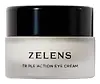
This anti-aging eye moisturizer is formulated around Squalane and 3-O-Ethyl Ascorbic Acid to soften the look of wrinkles and hydrate skin.
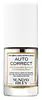
This anti-aging eye moisturizer is formulated around Coffea Arabica Seed Extract and Caffeine to soften the look of wrinkles.


What's inside
What's inside
 Key Ingredients
Benefits
Concerns
Ingredients Side-by-side
Water
Skin ConditioningBehenyl Alcohol
Emollient
Butylene Glycol
Humectant

Propanediol
Solvent
Squalane
Emollient
C13-15 Alkane
SolventCoco-Caprylate/Caprate
Emollient
Glyceryl Stearate
Emollient

Glucosyl Hesperidin
HumectantLactococcus Ferment Lysate
Skin Conditioning
Hydrolyzed Glycosaminoglycans
HumectantGlycerin
Humectant
Phospholipids
Skin Conditioning
3-O-Ethyl Ascorbic Acid
Skin Conditioning



Polyglyceryl-6 Laurate
Emulsifying
Apricot Kernel Oil Polyglyceryl-6 Esters
Emollient
Polyglyceryl-10 Oleate
Skin Conditioning
Ornithine
Skin ConditioningCaffeine
Skin Conditioning
Polyglyceryl-10 Dipalmitate
Emollient
Lecithin
Emollient
Salicyloyl Phytosphingosine
Skin ConditioningGlycolipids
Skin ConditioningLespedeza Capitata Leaf/Stem Extract
Skin ConditioningPunica Granatum Seed Extract
Skin ConditioningHydrolyzed Yeast Extract
Skin ConditioningRhamnose
HumectantTripeptide-1
Skin Conditioning
Hyaluronic Acid
Humectant
Magnolol
Antioxidant
Acetyl Tetrapeptide-5
Humectant
Acetyl Octapeptide-3
Humectant
Dipeptide-2
Skin Conditioning
Epigallocatechin Gallatyl Glucoside
Antioxidant
Adenosine Phosphate
Skin ConditioningGuanosine
Skin ConditioningUracil
Skin ConditioningCalendula Officinalis Flower Extract
Masking
Chamomilla Recutita Flower Extract
Masking
Equisetum Arvense Extract
AstringentGlycine Max Seed Extract
Skin ConditioningPoria Cocos Extract
Skin ConditioningPoria Cocos Sclerotium Extract
AstringentSalvia Officinalis Leaf Extract
CleansingDiglucosyl Gallic Acid
Propyl Gallate
Antioxidant

Bacillus Ferment
Skin Conditioning
Silanetriol
Palmitic Acid
Emollient


Stearic Acid
Cleansing
Sorbitol
Humectant
Lauryl Alcohol
Emollient
Myristyl Alcohol
Emollient
Cetyl Alcohol
Emollient
Ammonium Acryloyldimethyltaurate/Vp Copolymer
Methylpropanediol
SolventSodium Dehydroacetate
Preservative
Sorbitan Palmitate
Emulsifying
Sorbitan Oleate
Emulsifying
Caprylyl Glycol
Emollient
Citric Acid
Buffering
Dextran
Xanthan Gum
EmulsifyingBenzyl Alcohol
Perfuming

Levulinic Acid
Perfuming
P-Anisic Acid
MaskingSorbic Acid
Preservative
Sodium Hydroxide
BufferingGlyceryl Caprylate
EmollientSodium Benzoate
Masking
Potassium Sorbate
Preservative
Dehydroacetic Acid
Preservative
Tocopherol
Antioxidant

Water, Behenyl Alcohol, Butylene Glycol, Propanediol, Squalane, C13-15 Alkane, Coco-Caprylate/Caprate, Glyceryl Stearate, Glucosyl Hesperidin, Lactococcus Ferment Lysate, Hydrolyzed Glycosaminoglycans, Glycerin, Phospholipids, 3-O-Ethyl Ascorbic Acid, Polyglyceryl-6 Laurate, Apricot Kernel Oil Polyglyceryl-6 Esters, Polyglyceryl-10 Oleate, Ornithine, Caffeine, Polyglyceryl-10 Dipalmitate, Lecithin, Salicyloyl Phytosphingosine, Glycolipids, Lespedeza Capitata Leaf/Stem Extract, Punica Granatum Seed Extract, Hydrolyzed Yeast Extract, Rhamnose, Tripeptide-1, Hyaluronic Acid, Magnolol, Acetyl Tetrapeptide-5, Acetyl Octapeptide-3, Dipeptide-2, Epigallocatechin Gallatyl Glucoside, Adenosine Phosphate, Guanosine, Uracil, Calendula Officinalis Flower Extract, Chamomilla Recutita Flower Extract, Equisetum Arvense Extract, Glycine Max Seed Extract, Poria Cocos Extract, Poria Cocos Sclerotium Extract, Salvia Officinalis Leaf Extract, Diglucosyl Gallic Acid, Propyl Gallate, Bacillus Ferment, Silanetriol, Palmitic Acid, Stearic Acid, Sorbitol, Lauryl Alcohol, Myristyl Alcohol, Cetyl Alcohol, Ammonium Acryloyldimethyltaurate/Vp Copolymer, Methylpropanediol, Sodium Dehydroacetate, Sorbitan Palmitate, Sorbitan Oleate, Caprylyl Glycol, Citric Acid, Dextran, Xanthan Gum, Benzyl Alcohol, Levulinic Acid, P-Anisic Acid, Sorbic Acid, Sodium Hydroxide, Glyceryl Caprylate, Sodium Benzoate, Potassium Sorbate, Dehydroacetic Acid, Tocopherol
Water
Skin ConditioningPEG-8 Beeswax
Emulsifying
Caprylyl Caprylate/Caprate
Emollient
Polyglyceryl-6 Distearate
Emulsifying
Dimethicone
Emollient
C10-18 Triglycerides
Emollient
Glycerin
Humectant
Polypropylsilsesquioxane
Phenyl Trimethicone
Skin Conditioning
Hydroxyethyl Acrylate/Sodium Acryloyldimethyl Taurate Copolymer
Emulsion StabilisingTrimethylsiloxysilicate
Emollient
Anthemis Nobilis Flower Oil
Masking
Boron Nitride
Absorbent
Fructose
Humectant
Jojoba Esters
Emollient
Sodium Phytate
ChelatingTheobroma Cacao Seed Butter
Emollient
Polyglyceryl-3 Beeswax
Emulsifying
Butyrospermum Parkii Butter
Skin Conditioning
Propanediol
Solvent
Aesculus Hippocastanum Extract
Antioxidant
Coffea Arabica Seed Extract
Masking
Methylpropanediol
SolventAcmella Oleracea Extract
Skin ProtectingPolysilicone-11
Caprylyl Glycol
Emollient
Caffeine
Skin Conditioning
Citrullus Lanatus Fruit Extract
Skin Conditioning
Pyrus Malus Fruit Extract
Skin Conditioning
Lens Esculenta Fruit Extract
Skin ConditioningSodium PCA
Humectant
Sodium Lactate
Buffering
Ptychopetalum Olacoides Bark/Stem Extract
Skin ConditioningPfaffia Paniculata Root Extract
SoothingLilium Candidum Flower Extract
Skin ConditioningPhenoxyethanol
Preservative
Glycolic Acid
Buffering

Synthetic Fluorphlogopite
Silica
Abrasive
Mica
Cosmetic ColorantTitanium Dioxide
Cosmetic Colorant

Carthamus Tinctorius Seed Oil
Masking
Tagetes Erecta Flower Extract
Perfuming
Triethyl Citrate
Masking
Cetyl Alcohol
Emollient
Caprylyl/Capryl Glucoside
CleansingBenzoic Acid
Masking
Lecithin
Emollient
Polysorbate 60
Emulsifying
Sorbitan Isostearate
Emulsifying
Potassium Sorbate
Preservative
Benzyl Alcohol
Perfuming
Sodium Benzoate
Masking
Citric Acid
Buffering
Linalool
Perfuming
Limonene
Perfuming
Water, PEG-8 Beeswax, Caprylyl Caprylate/Caprate, Polyglyceryl-6 Distearate, Dimethicone, C10-18 Triglycerides, Glycerin, Polypropylsilsesquioxane, Phenyl Trimethicone, Hydroxyethyl Acrylate/Sodium Acryloyldimethyl Taurate Copolymer, Trimethylsiloxysilicate, Anthemis Nobilis Flower Oil, Boron Nitride, Fructose, Jojoba Esters, Sodium Phytate, Theobroma Cacao Seed Butter, Polyglyceryl-3 Beeswax, Butyrospermum Parkii Butter, Propanediol, Aesculus Hippocastanum Extract, Coffea Arabica Seed Extract, Methylpropanediol, Acmella Oleracea Extract, Polysilicone-11, Caprylyl Glycol, Caffeine, Citrullus Lanatus Fruit Extract, Pyrus Malus Fruit Extract, Lens Esculenta Fruit Extract, Sodium PCA, Sodium Lactate, Ptychopetalum Olacoides Bark/Stem Extract, Pfaffia Paniculata Root Extract, Lilium Candidum Flower Extract, Phenoxyethanol, Glycolic Acid, Synthetic Fluorphlogopite, Silica, Mica, Titanium Dioxide, Carthamus Tinctorius Seed Oil, Tagetes Erecta Flower Extract, Triethyl Citrate, Cetyl Alcohol, Caprylyl/Capryl Glucoside, Benzoic Acid, Lecithin, Polysorbate 60, Sorbitan Isostearate, Potassium Sorbate, Benzyl Alcohol, Sodium Benzoate, Citric Acid, Linalool, Limonene
Reviews
Alternatives
Ingredients Explained
These ingredients are found in both products.
Ingredients higher up in an ingredient list are typically present in a larger amount.
Benzyl Alcohol is an aromatic alcohol with several roles: it's a preservative, solvent, and mild fragrance component with a floral scent.
This ingredient has been deemed safe for use in cosmetic formulations at concentrations up to 5%, and up to 10% in hair dyes. You'll typically see 0.5-2% in most rinse-off or leave-on products.
As a preservative, it works by disrupting the membrane of microbial proteins. This helps keep bacteria and fungi from growing in your products.
The sensitization picture is actually quite assuring as well:of nearly 71,000 patients patch tested with benzyl alcohol, only 0.21% showed a positive reaction with most of them being weakly positive.
This led researchers to conclude that benzyl alcohol cannot be regarded as a significant contact allergen.
It is worth noting this ingredient is classified as one of the EU's regulated fragrance allergens and restricted to 1% in finished products.
Labels must also declare it in concentrations above 0.001% in leave-on products and 0.01% in rinse-off products.
At concentrations around 5%, localized redness and itching can appear as a direct irritant response and not as a true allergic reaction.
Learn more about Benzyl AlcoholCaffeine is a naturally occurring plant compound found in coffee beans, tea leaves, cocoa pods, and guarana.
As an antioxidant, caffeine protects your skin from free radical damage caused by UV exposure and envionrmnetal stressors.
Early research also shows that caffeine can help calm redness, soothe irritated skin, and support hair growth by stimulating microcirculation in the scalp.
You might have seen eye creams marketing caffeine as a depuffing ingredient. This is because it is a vasoconstrictor meaning it can temporarily constrict blood vessels, though clinical evidence for this specific use is still limited.
Most skincare products contain this ingredient at concentrations between 1-6%. It is able to penetrate skin easily regardless of skin type or thickness.
Just so you know, a very small number of case reports describe caffeine-induced allergy. This ingredient is generally well-tolerated, non-irritating, and non-sensitizing for the majority of people.
Learn more about CaffeineCaprylyl Glycol is a humectant, skin conditioner, emollient, and preservative booster derived from either caprylic acid or synthetically created.
Typical use levels vary from 0.3-1% as a preservative booster and go up to 2% to condition skin.
Because it is not a free-fatty acid, this ingredient is fungal acne safe (there's nothing for Malassezia to feed on).
Learn more about Caprylyl GlycolCetyl Alcohol is a fatty alcohol. Fatty Alcohols are most often used as an emollient or to thicken a product.
Its main roles are:
Though it has "alcohol" in the name, it is not related to denatured alcohol or ethyl alcohol.
The FDA allows products labeled "alcohol-free" to have fatty alcohols.
This ingredient may not be fungal acne safe. It is a primary fatty alcohol with a chain length above 12 carbons. A study from 2019 show Malassezia can feed on fatty alcohols in this range, so it may trigger fungal acne in those prone to it.
Learn more about Cetyl AlcoholCitric Acid is an alpha hydroxy acid (AHA) naturally found in citrus fruits like oranges, lemons, and limes.
Like other AHAs, citric acid can exfoliate skin by breaking down the bonds that hold dead skin cells together. This helps reveal smoother and brighter skin underneath.
However, this exfoliating effect only happens at high concentrations (20%) which can be hard to find in cosmetic products.
Due to this, citric acid is usually included in small amounts as a pH adjuster. This helps keep products slightly more acidic and compatible with skin's natural pH.
In skincare formulas, citric acid can:
While it can provide some skin benefits, research shows lactic acid and glycolic acid are generally more effective and less irritating exfoliants.
Most citric acid used in skincare today is made by fermenting sugars (usually from molasses). This synthetic version is identical to the natural citrus form but easier to stabilize and use in formulations.
Rosacea skin has a lower threshold for acids generally, with 62.5% of rosacea subjects in one study reacting to lactic acid in a sting test. This is why we mark citric acid as a potential rosacea trigger.
However, this ingredient shows up as a pH adjuster or chelator at roughly 0.1-1% in many products. These low levels are unlikely to be an issue for rosacea skin and becomes a potential trigger at exfoliating concentrations (20%). Because everybody's skin is unique, we recommend a patch test if you are unsure.
Learn more about Citric AcidGlycerin (or glycerol) is a compound naturally found in your skin. It's a powerhouse humectant that pulls water into the stratum corneum.
Topically, glycerin does several things at once:
Your skin makes glycerin on its own (mostly from sebaceous oil breakdown) and shuttles it to your outermost layer of skin, or your epidermis, via aquaporin-3.
Aquaporin-3 is a transporter that is essential for normal skin hydration, elasticity, and repair. Interestingly, mice lacking in AQP3 have dry and less elastic skin that can be fully corrected with glycerin.
This ingredient is non-irritating, plays well with almost every ingredient, and works across all skin types. Typical use is anywhere between 3-10% but can go up to 79% in some leave-on products.
Just know very high concentrations (>40%) can feel tacky in low humidity.
Glycerin is the name for this ingredient in American English. British English uses Glycerol/Glycerine.
Learn more about GlycerinLecithin is a term for a group of substances found in the cell membranes of plants, animals, and humans. They are made up of phospholipids.
Thanks to its amphiphilic structure (water-loving head and oil-loving tail), it is a true multitasker:
It plays well with most ingredients and is typically used at 0.1-1%. However, concentrations up to 50% have been reported in moisturizers.
Learn more about LecithinMethylpropanediol is a synthetic solvent and humectant.
As a solvent, it helps dissolve other ingredients, helping to evenly distribute ingredients throughout the product. This ingredient has also been shown to have antimicrobial properties which makes it a preservative booster.
Methylpropanediol is able to add a bit of moisture to the skin. It also helps other ingredients be better absorbed into the skin, such as salicylic acid.
Learn more about MethylpropanediolPotassium Sorbate is a preservative used to prevent yeast and mold in products. It is commonly found in both cosmetic and food products.
This ingredient comes from potassium salt derived from sorbic acid. Sorbic acid is a natural antibiotic and effective against fungus.
Both potassium sorbate and sorbic acid can be found in baked goods, cheeses, dried meats, dried fruit, ice cream, pickles, wine, yogurt, and more.
You'll often find this ingredient used with other preservatives.
Learn more about Potassium SorbatePropanediol is an all-star ingredient. It softens, hydrates, and smooths the skin.
It’s often used to:
Propanediol is not likely to cause sensitivity and considered safe to use. It is derived from corn or petroleum with a clear color and no scent.
Learn more about PropanediolSodium Benzoate is a preservative. It's used in both cosmetic and food products to inhibit the growth of mold and bacteria. It is typically produced synthetically.
Both the US FDA and EU Health Committee have approved the use of sodium benzoate. In the US, levels of 0.1% (of the total product) are allowed.
Sodium benzoate works as a preservative by inhibiting the growth of bacteria inside of cells. It prevents the cell from fermenting a type of sugar using an enzyme called phosphofructokinase.
It is the salt of benzoic acid. Foods containing sodium benzoate include soda, salad dressings, condiments, fruit juices, wines, and snack foods.
Studies for using ascorbic acid and sodium benzoate in cosmetics are lacking, especially in skincare routines with multiple steps.
We always recommend speaking with a professional, such as a dermatologist, if you have any concerns.
Learn more about Sodium BenzoateWater. It's the most common cosmetic ingredient of all. You'll usually see it at the top of ingredient lists, meaning that it makes up the largest part of the product.
So why is it so popular? Water most often acts as a solvent - this means that it helps dissolve other ingredients into the formulation.
You'll also recognize water as that liquid we all need to stay alive. If you see this, drink a glass of water. Remember to stay hydrated!
Learn more about Water

