
What's inside
What's inside
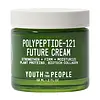 Key Ingredients

Benefits
Concerns
Ingredients Side-by-side
Water
Skin ConditioningDicaprylyl Carbonate
EmollientHydrolyzed Hyaluronic Acid
Humectant




Trimethylolpropane Tricaprylate/Tricaprate
EmollientTridecyl Trimellitate
EmollientPropanediol
Solvent
Sh-Polypeptide-121
Skin Conditioning
Polyglyceryl-3 Methylglucose Distearate
Emulsifying
Panthenol
Skin Conditioning


Niacinamide
Smoothing




Proline
Skin ConditioningTocopheryl Acetate
Antioxidant

Aloe Barbadensis Leaf Juice
Skin Conditioning
Hydrolyzed Cannabis Sativa Seed Extract
Skin ConditioningHydrolyzed Rice Protein
Skin ConditioningHydrolyzed Pea Protein
EmollientSalvia Hispanica Seed Extract
EmollientAcetyl Tetrapeptide-11
Skin Conditioning
Acetyl Tetrapeptide-9
Skin Conditioning
Acetyl Tetrapeptide-2
Skin Conditioning
Hibiscus Esculentus Fruit Extract
Skin ConditioningAmmonium Acryloyldimethyltaurate/Beheneth-25 Methacrylate Crosspolymer
Emulsion StabilisingHydrolyzed Linseed Seed
HumectantCastor Oil/Ipdi Copolymer

Ceramide AP
Skin Conditioning
Ceramide NP
Skin Conditioning
Cetearyl Alcohol
Emollient


Cetearyl Glucoside
EmulsifyingGlycerin
Humectant
Hydrolyzed Sodium Hyaluronate
Skin Conditioning
Coco-Caprylate/Caprate
Emollient
Dilinoleic Acid
Emollient
Benzyl Alcohol
Perfuming







Zingiber Officinale Root Extract
Masking
Bisabolol
Masking
Caprylyl Glycol
Emollient
Carbomer
Emulsion StabilisingDimethyl Isosorbide
SolventDipropylene Glycol
HumectantErythritol
Humectant
Ethylhexylglycerin
Skin ConditioningGlucose
Humectant
1,2-Hexanediol
Skin Conditioning
Trisodium Ethylenediamine Disuccinate
Glyceryl Stearate
Emollient
Phytosphingosine
Skin Conditioning
Polyacrylate Crosspolymer-6
Emulsion StabilisingPolysorbate 20
Emulsifying
Caprylhydroxamic Acid
Potassium Sorbate
Preservative
Glycine
Buffering
Hydroxyacetophenone
Antioxidant
Sodium Benzoate
Masking
T-Butyl Alcohol
Perfuming
Citric Acid
Buffering

Sodium Citrate
BufferingSodium Lactate
BufferingTriheptanoin
Skin ConditioningXanthan Gum
EmulsifyingWater, Dicaprylyl Carbonate, Hydrolyzed Hyaluronic Acid, Trimethylolpropane Tricaprylate/Tricaprate, Tridecyl Trimellitate, Propanediol, Sh-Polypeptide-121, Polyglyceryl-3 Methylglucose Distearate, Panthenol, Niacinamide, Proline, Tocopheryl Acetate, Aloe Barbadensis Leaf Juice, Hydrolyzed Cannabis Sativa Seed Extract, Hydrolyzed Rice Protein, Hydrolyzed Pea Protein, Salvia Hispanica Seed Extract, Acetyl Tetrapeptide-11, Acetyl Tetrapeptide-9, Acetyl Tetrapeptide-2, Hibiscus Esculentus Fruit Extract, Ammonium Acryloyldimethyltaurate/Beheneth-25 Methacrylate Crosspolymer, Hydrolyzed Linseed Seed, Castor Oil/Ipdi Copolymer, Ceramide AP, Ceramide NP, Cetearyl Alcohol, Cetearyl Glucoside, Glycerin, Hydrolyzed Sodium Hyaluronate, Coco-Caprylate/Caprate, Dilinoleic Acid, Benzyl Alcohol, Zingiber Officinale Root Extract, Bisabolol, Caprylyl Glycol, Carbomer, Dimethyl Isosorbide, Dipropylene Glycol, Erythritol, Ethylhexylglycerin, Glucose, 1,2-Hexanediol, Trisodium Ethylenediamine Disuccinate, Glyceryl Stearate, Phytosphingosine, Polyacrylate Crosspolymer-6, Polysorbate 20, Caprylhydroxamic Acid, Potassium Sorbate, Glycine, Hydroxyacetophenone, Sodium Benzoate, T-Butyl Alcohol, Citric Acid, Sodium Citrate, Sodium Lactate, Triheptanoin, Xanthan Gum
Water
Skin ConditioningCaprylic/Capric Triglyceride
Masking
Niacinamide
Smoothing
Coconut Alkanes
Emollient
Coco-Caprylate/Caprate
Emollient
Glyceryl Stearate
Emollient
Propanediol
Solvent
Stearic Acid
Cleansing
Glycerin
Humectant
Urea
Buffering
Cucurbita Pepo Seed Extract
Skin ConditioningCucurbita Maxima Fruit Extract
Skin ConditioningBacillus Ferment
Skin Conditioning
Xylitylglucoside
Humectant
Anhydroxylitol
Humectant
Xylitol
Humectant
Palmitoyl Tripeptide-5
Skin Conditioning
Ectoin
Skin Conditioning
Ceramide NP
Skin Conditioning
Aloe Barbadensis Leaf Juice
Skin Conditioning
Allantoin
Skin Conditioning
Panthenol
Skin Conditioning
Sodium Hyaluronate
Humectant
Squalane
Emollient
Dimethyl Sulfone
Solvent
Rubus Chamaemorus Seed Oil
Skin Conditioning
Borago Officinalis Seed Oil
Emollient
Simmondsia Chinensis Seed Oil
Emollient
Tremella Fuciformis Polysaccharide
Emulsion Stabilising
Opuntia Ficus-Indica Stem Extract
Skin Conditioning
Glyceryl Laurate
Emollient
Tocopherol
Antioxidant
Carbomer
Emulsion StabilisingLentinus Edodes Extract
Skin ConditioningMelilotus Albus Flower/Leaf/Stem Extract
Antimicrobial
Corallina Officinalis Extract
Skin Conditioning
Coccinia Indica Fruit Extract
Skin ConditioningSolanum Melongena Fruit Extract
Skin ConditioningAloe Barbadensis Flower Extract
EmollientOcimum Sanctum Leaf Extract
Skin Conditioning
Ocimum Basilicum Flower/Leaf Extract
TonicCurcuma Longa Root Extract
Masking
Butyrospermum Parkii Butter
Skin Conditioning
1,2-Hexanediol
Skin Conditioning
Caprylyl Glycol
Emollient
Water, Caprylic/Capric Triglyceride, Niacinamide, Coconut Alkanes, Coco-Caprylate/Caprate, Glyceryl Stearate, Propanediol, Stearic Acid, Glycerin, Urea, Cucurbita Pepo Seed Extract, Cucurbita Maxima Fruit Extract, Bacillus Ferment, Xylitylglucoside, Anhydroxylitol, Xylitol, Palmitoyl Tripeptide-5, Ectoin, Ceramide NP, Aloe Barbadensis Leaf Juice, Allantoin, Panthenol, Sodium Hyaluronate, Squalane, Dimethyl Sulfone, Rubus Chamaemorus Seed Oil, Borago Officinalis Seed Oil, Simmondsia Chinensis Seed Oil, Tremella Fuciformis Polysaccharide, Opuntia Ficus-Indica Stem Extract, Glyceryl Laurate, Tocopherol, Carbomer, Lentinus Edodes Extract, Melilotus Albus Flower/Leaf/Stem Extract, Corallina Officinalis Extract, Coccinia Indica Fruit Extract, Solanum Melongena Fruit Extract, Aloe Barbadensis Flower Extract, Ocimum Sanctum Leaf Extract, Ocimum Basilicum Flower/Leaf Extract, Curcuma Longa Root Extract, Butyrospermum Parkii Butter, 1,2-Hexanediol, Caprylyl Glycol
Reviews
Ingredients Explained
These ingredients are found in both products.
Ingredients higher up in an ingredient list are typically present in a larger amount.
1,2-Hexanediol is a synthetic liquid and another multi-functional powerhouse.
It is a:
- Humectant, drawing moisture into the skin
- Emollient, helping to soften skin
- Solvent, dispersing and stabilizing formulas
- Preservative booster, enhancing the antimicrobial activity of other preservatives
Aloe Barbadensis Leaf Juice comes from leaves of the aloe plant. Aloe Barbadensis Leaf Juice is best known for helping to soothe sunburns. It is also anti-inflammatory, moisturizing, antiseptic, and can help heal wounds.
Aloe is packed with good stuff including Vitamins A, C, and E. These vitamins are antioxidants, which help fight free-radicals and the damage they may cause. Free-radicals are molecules that may damage your skin cells, such as pollution.
Aloe Barbadensis Leaf Juice also contains sugars. These sugars come in the form of monosaccharides and polysaccharides, folic acid, and choline. These sugars are able to help bind moisture to skin.
It also contains minerals such as calcium, 12 anthraquinones, fatty acids, amino acids, and Vitamin B12.
Learn more about Aloe Barbadensis Leaf JuiceCaprylyl Glycol is a humectant and emollient, meaning it attracts and preserves moisture.
It is a common ingredient in many products, especially those designed to hydrate skin. The primary benefits are retaining moisture, skin softening, and promoting a healthy skin barrier.
Though Caprylyl Glycol is an alcohol derived from fatty acids, it is not the kind that can dry out skin.
This ingredient is also used as a preservative to extend the life of products. It has slight antimicrobial properties.
Learn more about Caprylyl GlycolCarbomer is a polymer of acrylic acid. Its main role is to create a gel consistency.
A high amount of carbomer can cause pilling or balling up of products. Don't worry, most products contain 1% or less of carbomer.
Ceramide NP is a type of ceramide and formally known as ceramide 3.
Ceramides are intercellular lipids naturally found in our skin that bonds dead skin cells together to create a barrier. They are known for their ability to hold water and thus are a great ingredient for dry skin.
Ceramides are an important building block for our skin barrier. A stronger barrier helps the skin look more firm and hydrated. By bolstering the skin ceramides act as a barrier against irritating ingredients. This can help with inflammation as well.
If you would like to eat ceramides, sweet potatoes contain a small amount.
Read more about other common types of ceramides here:
Ceramide AP
Ceramide EOP
Coco-Caprylate/Caprate is created from fatty coconut alcohol, caprylic acid, and capric acid.
It is a lightweight emollient. Emollients create a thin barrier on the skin to trap moisture in. This helps keep your skin hydrated and soft.
Once applied, Coco-Caprylate/Caprate is absorbed quickly and leaves a silky feel.
Coco-Caprylate/Caprate may not be fungal acne safe.
Learn more about Coco-Caprylate/CaprateGlycerin is already naturally found in your skin. It helps moisturize and protect your skin.
A study from 2016 found glycerin to be more effective as a humectant than AHAs and hyaluronic acid.
As a humectant, it helps the skin stay hydrated by pulling moisture to your skin. The low molecular weight of glycerin allows it to pull moisture into the deeper layers of your skin.
Hydrated skin improves your skin barrier; Your skin barrier helps protect against irritants and bacteria.
Glycerin has also been found to have antimicrobial and antiviral properties. Due to these properties, glycerin is often used in wound and burn treatments.
In cosmetics, glycerin is usually derived from plants such as soybean or palm. However, it can also be sourced from animals, such as tallow or animal fat.
This ingredient is organic, colorless, odorless, and non-toxic.
Glycerin is the name for this ingredient in American English. British English uses Glycerol/Glycerine.
Learn more about GlycerinGlyceryl Stearate is a mix of glycerin and stearic acid.
It is used to stabilize the mixing of water and oil ingredients. By preventing these ingredients from separating, it can help elongate shelf life. It can also help thicken the product's texture.
As an emollient, it helps soften skin and supports barrier-replenishing ingredients.
In cosmetics, Glyceryl Stearate is often made from vegetable oils or synthetically produced.
This ingredient may not be fungal-acne safe
Fun fact: The human body also creates Glyceryl Stearate naturally.
Learn more about Glyceryl StearateNiacinamide is a multitasking form of vitamin B3 that strengthens the skin barrier, reduces pores and dark spots, regulates oil, and improves signs of aging.
And the best part? It's gentle and well-tolerated by most skin types, including sensitive and reactive skin.
You might have heard of "niacin flush", or the reddening of skin that causes itchiness. Niacinamide has not been found to cause this.
In very rare cases, some individuals may not be able to tolerate niacinamide at all or experience an allergic reaction to it.
If you are experiencing flaking, irritation, and dryness with this ingredient, be sure to double check all your products as this ingredient can be found in all categories of skincare.
When incorporating niacinamide into your routine, look out for concentration amounts. Typically, 5% niacinamide provides benefits such as fading dark spots. However, if you have sensitive skin, it is better to begin with a smaller concentration.
When you apply niacinamide to your skin, your body converts it into nicotinamide adenine dinucleotide (NAD). NAD is an essential coenzyme that is already found in your cells as "fuel" and powers countless biological processes.
In your skin, NAD helps repair cell damage, produce new healthy cells, support collagen production, strengthen the skin barrier, and fight environmental stressors (like UV and pollution).
Our natural NAD levels start to decline with age, leading to slower skin repair, visible aging, and a weaker skin barrier. By providing your skin niacinamide, you're recharging your skin's NAD levels. This leads to stronger, healthier, and younger looking skin.
Another name for vitamin B3 is nicotinamide. This vitamin is water-soluble and our bodies don't store it. We obtain Vitamin B3 from either food or skincare. Meat, fish, wheat, yeast, and leafy greens contain vitamin B3.
The type of niacinamide used in skincare is synthetically created.
Learn more about NiacinamidePanthenol is a common ingredient that helps hydrate and soothe the skin. It is found naturally in our skin and hair.
There are two forms of panthenol: D and L.
D-panthenol is also known as dexpanthenol. Most cosmetics use dexpanthenol or a mixture of D and L-panthenol.
Panthenol is famous due to its ability to go deeper into the skin's layers. Using this ingredient has numerous pros (and no cons):
Like hyaluronic acid, panthenol is a humectant. Humectants are able to bind and hold large amounts of water to keep skin hydrated.
This ingredient works well for wound healing. It works by increasing tissue in the wound and helps close open wounds.
Once oxidized, panthenol converts to pantothenic acid. Panthothenic acid is found in all living cells.
This ingredient is also referred to as pro-vitamin B5.
Learn more about PanthenolPropanediol is an all-star ingredient. It softens, hydrates, and smooths the skin.
It’s often used to:
Propanediol is not likely to cause sensitivity and considered safe to use. It is derived from corn or petroleum with a clear color and no scent.
Learn more about PropanediolWater. It's the most common cosmetic ingredient of all. You'll usually see it at the top of ingredient lists, meaning that it makes up the largest part of the product.
So why is it so popular? Water most often acts as a solvent - this means that it helps dissolve other ingredients into the formulation.
You'll also recognize water as that liquid we all need to stay alive. If you see this, drink a glass of water. Stay hydrated!
Learn more about Water
