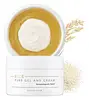
This brightening moisturizer is formulated around Oryza Sativa Extract and Niacinamide to brighten dull-looking skin and hydrate skin.
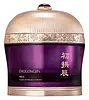
This anti-aging moisturizer is formulated around Niacinamide and Adenosine to soften the look of wrinkles.

What's inside
What's inside
 Key Ingredients
Benefits
Concerns
Ingredients Side-by-side
Water
Skin ConditioningOryza Sativa Extract
Absorbent



Glycerin
Humectant

Caprylic/Capric Triglyceride
Masking
Hydrogenated Polydecene
EmollientNiacinamide
Smoothing






Phenyl Trimethicone
Skin Conditioning
Betaine
Humectant
1,2-Hexanediol
Skin Conditioning
Polyglyceryl-3 Methylglucose Distearate
Emulsifying

Laminaria Japonica Extract
Skin Protecting
Eclipta Prostrata Leaf Extract
Skin ConditioningCentella Asiatica Extract
Cleansing
Ficus Carica Fruit Extract
Humectant
Acmella Oleracea Extract
Skin ProtectingPhellodendron Amurense Bark Extract
Skin ConditioningMelia Azadirachta Flower Extract
Skin ConditioningMelia Azadirachta Leaf Extract
Skin ConditioningCurcuma Longa Root Extract
Antioxidant

Ocimum Sanctum Leaf Extract
Skin ConditioningTheobroma Cacao Seed Extract
Antioxidant
Corallina Officinalis Extract
Skin Conditioning

Camellia Sinensis Leaf Extract
Antimicrobial
Vigna Radiata Seed Extract
Skin ConditioningLeucojum Aestivum Bulb Extract
Skin ProtectingDiospyros Kaki Leaf Extract
Skin Protecting
Macadamia Integrifolia Seed Oil
Skin Conditioning
Hydrogenated Lecithin
Emulsifying
Sodium Hyaluronate
Humectant
Cyclohexasiloxane
Emollient
Cetyl Alcohol
Emollient
Ammonium Acryloyldimethyltaurate/Vp Copolymer
Methylpropanediol
SolventGlyceryl Polymethacrylate
Glyceryl Stearate
Emollient
Behenyl Alcohol
Emollient
Trehalose
Humectant
Pentaerythrityl Distearate
Emulsifying
Polyglyceryl-10 Laurate
Skin Conditioning
Octyldodeceth-16
EmulsifyingSodium Stearoyl Glutamate
CleansingAcrylates/C10-30 Alkyl Acrylate Crosspolymer
Emulsion StabilisingGlyceryl Caprylate
EmollientFructooligosaccharides
Humectant
Disodium EDTA
ChelatingCellulose Gum
Emulsion StabilisingBeta-Glucan
Skin Conditioning
Butylene Glycol
Humectant
Hydrolyzed Hyaluronic Acid
Humectant
Dextrin
AbsorbentCeramide NP
Skin Conditioning
Pentylene Glycol
Skin Conditioning
Ethylhexylglycerin
Skin ConditioningHydroxyacetophenone
Antioxidant
Water, Oryza Sativa Extract, Glycerin, Caprylic/Capric Triglyceride, Hydrogenated Polydecene, Niacinamide, Phenyl Trimethicone, Betaine, 1,2-Hexanediol, Polyglyceryl-3 Methylglucose Distearate, Laminaria Japonica Extract, Eclipta Prostrata Leaf Extract, Centella Asiatica Extract, Ficus Carica Fruit Extract, Acmella Oleracea Extract, Phellodendron Amurense Bark Extract, Melia Azadirachta Flower Extract, Melia Azadirachta Leaf Extract, Curcuma Longa Root Extract, Ocimum Sanctum Leaf Extract, Theobroma Cacao Seed Extract, Corallina Officinalis Extract, Camellia Sinensis Leaf Extract, Vigna Radiata Seed Extract, Leucojum Aestivum Bulb Extract, Diospyros Kaki Leaf Extract, Macadamia Integrifolia Seed Oil, Hydrogenated Lecithin, Sodium Hyaluronate, Cyclohexasiloxane, Cetyl Alcohol, Ammonium Acryloyldimethyltaurate/Vp Copolymer, Methylpropanediol, Glyceryl Polymethacrylate, Glyceryl Stearate, Behenyl Alcohol, Trehalose, Pentaerythrityl Distearate, Polyglyceryl-10 Laurate, Octyldodeceth-16, Sodium Stearoyl Glutamate, Acrylates/C10-30 Alkyl Acrylate Crosspolymer, Glyceryl Caprylate, Fructooligosaccharides, Disodium EDTA, Cellulose Gum, Beta-Glucan, Butylene Glycol, Hydrolyzed Hyaluronic Acid, Dextrin, Ceramide NP, Pentylene Glycol, Ethylhexylglycerin, Hydroxyacetophenone
Phellinus Linteus Extract
Skin ConditioningDipropylene Glycol
HumectantDimethicone
Emollient
Cyclopentasiloxane
Emollient
Butylene Glycol
Humectant
Glycerin
Humectant
Cetearyl Alcohol
Emollient
PCA Dimethicone
Skin Conditioning
Glycereth-26
Humectant
Niacinamide
Smoothing
Petrolatum
Emollient
Trisiloxane
Skin Conditioning
Pentylene Glycol
Skin Conditioning
Water
Skin ConditioningGlyceryl Stearate Se
Emulsifying
Dimethiconol
Emollient
Glyceryl Stearate
Emollient
PEG-100 Stearate
Surfactant
Phenoxyethanol
Preservative
Ammonium Acryloyldimethyltaurate/Vp Copolymer
PEG-150 Distearate
Emulsifying
Raffinose
Skin ConditioningCaprylyl Glycol
Emollient
Chondrus Crispus Extract
Skin Conditioning
Parfum
Masking
Saccharum Officinarum Extract
MoisturisingXanthan Gum
EmulsifyingDextrin
AbsorbentTheobroma Cacao Seed Extract
Antioxidant
Dipotassium Glycyrrhizate
Humectant
Adenosine
Skin Conditioning
Ethylhexylglycerin
Skin ConditioningDisodium EDTA
ChelatingMacadamia Integrifolia Seed Oil
Skin Conditioning
Soy Isoflavones
Skin Conditioning1,2-Hexanediol
Skin Conditioning
Pueraria Lobata Root Extract
HumectantPolygonum Cuspidatum Root Extract
Antioxidant
Pueraria Mirifica Root Extract
Skin ConditioningCimicifuga Racemosa Root Extract
Antimicrobial
CI 77480
Cosmetic ColorantPanax Ginseng Root Extract
Emollient
Ceramide NP
Skin Conditioning
Nelumbo Nucifera Seed Extract
Antimicrobial
Phytosphingosine
Skin Conditioning
Angelica Polymorpha Sinensis Root Extract
Skin ConditioningPunica Granatum Extract
AstringentTrifolium Pratense Flower Extract
AstringentRice Ferment Filtrate
Skin Conditioning
Propanediol
Solvent
Atractylodes Japonica Rhizome Extract
Skin ConditioningGlycyrrhiza Uralensis Root Extract
Skin Conditioning
Zingiber Officinale Root Extract
Masking
Velvet Extract
HumectantAngelica Acutiloba Root Extract
Skin ConditioningCornus Officinalis Fruit Extract
Skin ConditioningLactobacillus Ferment
Skin Conditioning
Thymus Vulgaris Extract
Perfuming
Ganoderma Lucidum Extract
Skin Protecting
Yeast
Skin ConditioningPhellinus Linteus Extract, Dipropylene Glycol, Dimethicone, Cyclopentasiloxane, Butylene Glycol, Glycerin, Cetearyl Alcohol, PCA Dimethicone, Glycereth-26, Niacinamide, Petrolatum, Trisiloxane, Pentylene Glycol, Water, Glyceryl Stearate Se, Dimethiconol, Glyceryl Stearate, PEG-100 Stearate, Phenoxyethanol, Ammonium Acryloyldimethyltaurate/Vp Copolymer, PEG-150 Distearate, Raffinose, Caprylyl Glycol, Chondrus Crispus Extract, Parfum, Saccharum Officinarum Extract, Xanthan Gum, Dextrin, Theobroma Cacao Seed Extract, Dipotassium Glycyrrhizate, Adenosine, Ethylhexylglycerin, Disodium EDTA, Macadamia Integrifolia Seed Oil, Soy Isoflavones, 1,2-Hexanediol, Pueraria Lobata Root Extract, Polygonum Cuspidatum Root Extract, Pueraria Mirifica Root Extract, Cimicifuga Racemosa Root Extract, CI 77480, Panax Ginseng Root Extract, Ceramide NP, Nelumbo Nucifera Seed Extract, Phytosphingosine, Angelica Polymorpha Sinensis Root Extract, Punica Granatum Extract, Trifolium Pratense Flower Extract, Rice Ferment Filtrate, Propanediol, Atractylodes Japonica Rhizome Extract, Glycyrrhiza Uralensis Root Extract, Zingiber Officinale Root Extract, Velvet Extract, Angelica Acutiloba Root Extract, Cornus Officinalis Fruit Extract, Lactobacillus Ferment, Thymus Vulgaris Extract, Ganoderma Lucidum Extract, Yeast
Reviews
Ingredients Explained
These ingredients are found in both products.
Ingredients higher up in an ingredient list are typically present in a larger amount.
1,2-Hexanediol is a synthetic liquid and another multi-functional powerhouse.
It is a:
- Humectant, drawing moisture into the skin
- Emollient, helping to soften skin
- Solvent, dispersing and stabilizing formulas
- Preservative booster, enhancing the antimicrobial activity of other preservatives
Ammonium Acryloyldimethyltaurate/Vp Copolymer is a synthetically created polymer. It's used as a film-forming agent and used to thicken the consistency of products.
Think of it as a supportive ingredient that helps your gel-creams feel silky, "cloud cream-like", and spread evenly without being greasy.
The Cosmetic Ingredient Review (CIR) Expert Panel evaluated it (along with 22 other acryloyldimethyltaurate polymers) and concluded it's:
Due to its large molecular size, it sits on the surface of skin rather than penetrating it.
Learn more about Ammonium Acryloyldimethyltaurate/Vp CopolymerButylene Glycol (or BG) is used within cosmetic products for a few different reasons:
Overall, Butylene Glycol is a safe and well-rounded ingredient that works well with other ingredients.
Though this ingredient works well with most skin types, some people with sensitive skin may experience a reaction such as allergic rashes, closed comedones, or itchiness.
Learn more about Butylene GlycolCeramide NP (formerly known as Ceramide 3) is one of the skin's naturally occurring lipids.
Since ceramides are the major lipid components of the skin, they are crucial for maintaining skin barrier and hydration. Ceramide NP most closely mirrors the dominant kind in human skin amongst ceramide subtypes.
This ceramide works by slotting into gaps within the stratum corneum's lipid matrix to limit trans-epidermal water loss (TEWL) and shield the skin against external irritants.
A study with 312 patients found that using a ceramide-containing routine for 4 weeks reduced the severity of atopic dermatitis by over 61%.
Another clinical study in subjects aged 60 and older found that a ceramide body wash and moisturizer improved skin dryness and itchy skin in 15 days.
Overall, ceramides are considered non-irritating and safety tests have found little to no observable adverse effects from using this ingredient.
Ceramide NP is usually sourced from plants (like soybean or rice bran), or produced synthetically.
Learn more about Ceramide NPDextrin is a starch-derived polysaccharide. It's made by partially breaking down corn, potato, or other plant starches.
Think of it as "half-processed" starch; it's less complex than the original but not fully broken down into sugar like maltodextrin.
In cosmetics, it mainly functions as a bulking agent, viscosity controller, binder, and absorbent. It helps thicken products, stabilize powders, and get certain textures a less "wet" feel.
This ingredient has a pretty solid safety profile; it's recognized as a safe food additive and its large molecular size means it doesn't meaningfully penetrate skin.
Human repeat insult patch tests using a rinse-off facial product containing 42.69% dextrin found no skin irritation or sensitization in 54 subjects.
Typical real-world usage is much lower: usually under 1% as a texture modifier and up to 40% in masks (rinse off products use less).
Learn more about DextrinDisodium EDTA is a chelating agent. It grabs onto and deactivates metal ions that sneak into your products from water, packaging, or air.
This ingredient mainly works behind the scenes and helps with:
On top of that, this ingredient can counteract the effects of hard water by binding to the minerals in it.
One thing worth knowing is that Disodium EDTA has been shown to be a mild penetration enhancer. It can help other ingredients absorb into skin more effectively which can be a double-edged sword (great for actives, but can also make the active too strong if you have sensitive skin).
Clinical patch testing showed no significant skin irritation at typical use concentrations and minimal dermal absorption.
You'll most likely see this ingredient near the end of an ingredient list. It's typically found in concentrations less than 1%.
Learn more about Disodium EDTAEthylhexylglycerin is created from glycerin. It is a multitasker ingredient that:
The CIR Expert Panel found minimal skin absorption or sensitization of any kind in a safety assessment. Though this ingredient is considered well-tolerated, a small number of cases of allergic dermatitis have been published since 2002. Just be sure to patch test if you are unsure.
Industry-reported use ranges from 8% in rinse-off products and 2% in leave-on formulations.
Learn more about EthylhexylglycerinGlycerin (or glycerol) is a compound naturally found in your skin. It's a powerhouse humectant that pulls water into the stratum corneum.
Topically, glycerin does several things at once:
Your skin makes glycerin on its own (mostly from sebaceous oil breakdown) and shuttles it to your outermost layer of skin, or your epidermis, via aquaporin-3.
Aquaporin-3 is a transporter that is essential for normal skin hydration, elasticity, and repair. Interestingly, mice lacking in AQP3 have dry and less elastic skin that can be fully corrected with glycerin.
This ingredient is non-irritating, plays well with almost every ingredient, and works across all skin types. Typical use is anywhere between 3-10% but can go up to 79% in some leave-on products.
Just know very high concentrations (>40%) can feel tacky in low humidity.
Glycerin is the name for this ingredient in American English. British English uses Glycerol/Glycerine.
Learn more about GlycerinGlyceryl Stearate is made by reacting glycerin with stearic acid (typically sourced from plant oils like palm or coconut). It's an emulsifier, emollient, and mild occlusive.
Emulsifiers help ingredients like oil and water stay mixed so your formula stays nicely blended and uniform in texture.
This ingredient is typically used in concentrations between 1-10%. Studies have found it to be non-sensitizing, non-phototoxic, and non-photoallergenic.
A close cousin of this ingredient is Glyceryl Stearate SE ("self-emulsifying"). This just has a small amount of sodium or potassium stearate added so it can emulsify without a co-emulsifier.
Since this ingredient is an ester of a C18 fatty acid, it may not be fungal acne safe. The Malassezia yeast can potentially metabolize within the C11-C24 range.
Fun fact: The human body also creates Glyceryl Stearate naturally.
Learn more about Glyceryl StearateThis ingredient is also known as Macadamia Seed Oil. It's an emollient with a fatty acid profile that closely mirrors the skin's own lipid makeup.
The palmitoleic acid content is especially notable as it's somewhat rare in plant oils. Palmitoleic acid is something your skin already makes naturally. It helps keep cell membranes structured and plays a role in fighting off harmful microbes.
This palmitoleic content is also part of why macademia seed oil absorbs quickly and doesn't leave much of a greasy residue.
It also contains oleic acid, linoleic acid, and phytosterols that can help reduce redness.
In vitro research has shown the oil to have meaningful antioxidant activity, protect fats in the skin from oxidative damage, and slow down the enzyme that breaks down hyaluronic acid.
A 2024 clinical study found it effective at improving skin hydratino and reducing wrinkle appearance when formulated into nanoemulsions.
Because it carries oleic acid (C18) and palmitic acid (C16), this ingredient may not be fungal acne safe. This is because the Malassezia yeast metabolizes in the C11-24 chain length range.
You'll also see this ingredient listed as: Macadamia Ternifolia Seed Oil.
This is the same ingredient; M. ternifolia is an older INCI naming convention for the edible macadamia nut, while M. integrifolia is the species actually cultivated for oil production. Both names refer to the same oil.
Learn more about Macadamia Integrifolia Seed OilNiacinamide is a multitasking form of vitamin B3 that strengthens the skin barrier, reduces pores and dark spots, regulates oil, and improves signs of aging.
And the best part? It's gentle and well-tolerated by most skin types, including sensitive and reactive skin.
You might have heard of "niacin flush", or the reddening of skin that causes itchiness. Niacinamide has not been found to cause this.
In very rare cases, some individuals may not be able to tolerate niacinamide at all or experience an allergic reaction to it.
If you are experiencing flaking, irritation, and dryness with this ingredient, be sure to double check all your products as this ingredient can be found in all categories of skincare.
When incorporating niacinamide into your routine, look out for concentration amounts. Typically, 5% niacinamide provides benefits such as fading dark spots. However, if you have sensitive skin, it is better to begin with a smaller concentration.
When you apply niacinamide to your skin, your body converts it into nicotinamide adenine dinucleotide (NAD). NAD is an essential coenzyme that is already found in your cells as "fuel" and powers countless biological processes.
In your skin, NAD helps repair cell damage, produce new healthy cells, support collagen production, strengthen the skin barrier, and fight environmental stressors (like UV and pollution).
Our natural NAD levels start to decline with age, leading to slower skin repair, visible aging, and a weaker skin barrier. By providing your skin niacinamide, you're recharging your skin's NAD levels. This leads to stronger, healthier, and younger looking skin.
Another name for vitamin B3 is nicotinamide. This vitamin is water-soluble and our bodies don't store it. We obtain Vitamin B3 from either food or skincare. Meat, fish, wheat, yeast, and leafy greens contain vitamin B3.
The type of niacinamide used in skincare is synthetically created.
Learn more about NiacinamidePentylene Glycol (1,2-pentanediol) is a multitasking little diol with three main roles in a formula:
Research on alkanediols (the family pentylene glycol belongs to) show they work by disrupting microbial cell membranes. This disruption helps the primary preservative system in a product work more effectively at lower doses.
On the safety side, the Cosmetic Ingredient Review Expert Panel has concluded this ingredient to be safe as used in current cosmetic practices + concentrations.
Typical use levels in a formula run about 1-5%.
Learn more about Pentylene GlycolTheobroma Cacao Seed Extract comes from the Theobroma cacoa, or Cacao tree. Cacao trees are native to tropical landscapes.
Cacao seed extract contains antioxidants known as polyphenols.
Water. It's the most common cosmetic ingredient of all. You'll usually see it at the top of ingredient lists, meaning that it makes up the largest part of the product.
So why is it so popular? Water most often acts as a solvent - this means that it helps dissolve other ingredients into the formulation.
You'll also recognize water as that liquid we all need to stay alive. If you see this, drink a glass of water. Remember to stay hydrated!
Learn more about Water

