Fresh Lotus Youth Preserve Moisturizer With Multi-Action Super Lotus Versus Thank You Farmer Rice Pure Gel And Cream
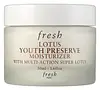
This anti-aging day moisturizer is formulated around Tocopherol and Adenosine to soften the look of wrinkles and hydrate skin.
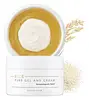
This brightening moisturizer is formulated around Oryza Sativa Extract and Niacinamide to brighten dull-looking skin and hydrate skin.


What's inside
What's inside
 Key Ingredients
Benefits
Concerns
Ingredients Side-by-side
Water
Skin ConditioningGlycerin
Humectant


Propylene Glycol Dicaprylate/Dicaprate
EmollientPentylene Glycol
Skin Conditioning
Cetearyl Alcohol
Emollient






Caprylic/Capric Triglyceride
Masking
Cetearyl Isononanoate
Emollient
Betaine
Humectant
Steareth-21
CleansingNelumbo Nucifera Extract
Skin ConditioningCitrus Limon Peel Oil
Masking





Cucumis Sativus Fruit Extract
Emollient
Averrhoa Carambola Leaf Extract
HumectantTocopherol
Antioxidant




Silica
Abrasive


Behenyl Alcohol
Emollient
Cetearyl Glucoside
Emulsifying
Sorbitol
Humectant
Dimethicone
Emollient
Sodium PCA
Humectant
Carbomer
Emulsion StabilisingCaprylyl Glycol
Emollient
Butylene Glycol
Humectant
Tromethamine
BufferingCetyl Alcohol
Emollient
Stearyl Alcohol
Emollient
Sodium Hyaluronate
Humectant
Xanthan Gum
EmulsifyingLauroyl Lysine
Skin Conditioning
Adenosine
Skin Conditioning
Glucose
Humectant
Tetrasodium EDTA
ChelatingSodium Metabisulfite
Antioxidant
Potassium Sorbate
Preservative
Sodium Benzoate
Masking
Phenoxyethanol
Preservative
Limonene
Perfuming
Citral
Perfuming
Water, Glycerin, Propylene Glycol Dicaprylate/Dicaprate, Pentylene Glycol, Cetearyl Alcohol, Caprylic/Capric Triglyceride, Cetearyl Isononanoate, Betaine, Steareth-21, Nelumbo Nucifera Extract, Citrus Limon Peel Oil, Cucumis Sativus Fruit Extract, Averrhoa Carambola Leaf Extract, Tocopherol, Silica, Behenyl Alcohol, Cetearyl Glucoside, Sorbitol, Dimethicone, Sodium PCA, Carbomer, Caprylyl Glycol, Butylene Glycol, Tromethamine, Cetyl Alcohol, Stearyl Alcohol, Sodium Hyaluronate, Xanthan Gum, Lauroyl Lysine, Adenosine, Glucose, Tetrasodium EDTA, Sodium Metabisulfite, Potassium Sorbate, Sodium Benzoate, Phenoxyethanol, Limonene, Citral
Water
Skin ConditioningOryza Sativa Extract
Absorbent
Glycerin
Humectant
Caprylic/Capric Triglyceride
Masking
Hydrogenated Polydecene
EmollientNiacinamide
Smoothing


Phenyl Trimethicone
Skin Conditioning
Betaine
Humectant
1,2-Hexanediol
Skin Conditioning
Polyglyceryl-3 Methylglucose Distearate
Emulsifying
Laminaria Japonica Extract
Skin Protecting
Eclipta Prostrata Leaf Extract
Skin ConditioningCentella Asiatica Extract
Cleansing
Ficus Carica Fruit Extract
Humectant
Acmella Oleracea Extract
Skin ProtectingPhellodendron Amurense Bark Extract
Skin ConditioningMelia Azadirachta Flower Extract
Skin ConditioningMelia Azadirachta Leaf Extract
Skin ConditioningCurcuma Longa Root Extract
Antioxidant
Ocimum Sanctum Leaf Extract
Skin ConditioningTheobroma Cacao Seed Extract
Antioxidant
Corallina Officinalis Extract
Skin Conditioning
Camellia Sinensis Leaf Extract
Antimicrobial
Vigna Radiata Seed Extract
Skin ConditioningLeucojum Aestivum Bulb Extract
Skin ProtectingDiospyros Kaki Leaf Extract
Skin Protecting
Macadamia Integrifolia Seed Oil
Skin Conditioning
Hydrogenated Lecithin
Emulsifying
Sodium Hyaluronate
Humectant
Cyclohexasiloxane
Emollient
Cetyl Alcohol
Emollient
Ammonium Acryloyldimethyltaurate/Vp Copolymer
Methylpropanediol
SolventGlyceryl Polymethacrylate
Glyceryl Stearate
Emollient
Behenyl Alcohol
Emollient
Trehalose
Humectant
Pentaerythrityl Distearate
Emulsifying
Polyglyceryl-10 Laurate
Skin Conditioning
Octyldodeceth-16
EmulsifyingSodium Stearoyl Glutamate
CleansingAcrylates/C10-30 Alkyl Acrylate Crosspolymer
Emulsion StabilisingGlyceryl Caprylate
EmollientFructooligosaccharides
Humectant
Disodium EDTA
ChelatingCellulose Gum
Emulsion StabilisingBeta-Glucan
Skin Conditioning
Butylene Glycol
Humectant
Hydrolyzed Hyaluronic Acid
Humectant
Dextrin
AbsorbentCeramide NP
Skin Conditioning
Pentylene Glycol
Skin Conditioning
Ethylhexylglycerin
Skin ConditioningHydroxyacetophenone
Antioxidant
Water, Oryza Sativa Extract, Glycerin, Caprylic/Capric Triglyceride, Hydrogenated Polydecene, Niacinamide, Phenyl Trimethicone, Betaine, 1,2-Hexanediol, Polyglyceryl-3 Methylglucose Distearate, Laminaria Japonica Extract, Eclipta Prostrata Leaf Extract, Centella Asiatica Extract, Ficus Carica Fruit Extract, Acmella Oleracea Extract, Phellodendron Amurense Bark Extract, Melia Azadirachta Flower Extract, Melia Azadirachta Leaf Extract, Curcuma Longa Root Extract, Ocimum Sanctum Leaf Extract, Theobroma Cacao Seed Extract, Corallina Officinalis Extract, Camellia Sinensis Leaf Extract, Vigna Radiata Seed Extract, Leucojum Aestivum Bulb Extract, Diospyros Kaki Leaf Extract, Macadamia Integrifolia Seed Oil, Hydrogenated Lecithin, Sodium Hyaluronate, Cyclohexasiloxane, Cetyl Alcohol, Ammonium Acryloyldimethyltaurate/Vp Copolymer, Methylpropanediol, Glyceryl Polymethacrylate, Glyceryl Stearate, Behenyl Alcohol, Trehalose, Pentaerythrityl Distearate, Polyglyceryl-10 Laurate, Octyldodeceth-16, Sodium Stearoyl Glutamate, Acrylates/C10-30 Alkyl Acrylate Crosspolymer, Glyceryl Caprylate, Fructooligosaccharides, Disodium EDTA, Cellulose Gum, Beta-Glucan, Butylene Glycol, Hydrolyzed Hyaluronic Acid, Dextrin, Ceramide NP, Pentylene Glycol, Ethylhexylglycerin, Hydroxyacetophenone
Reviews
Ingredients Explained
These ingredients are found in both products.
Ingredients higher up in an ingredient list are typically present in a larger amount.
Behenyl Alcohol is a type of fatty alcohol (these are different from the drying, solvent alcohols).
Fatty Alcohols have hydrating properties and are most often used as an emollient or to thicken a product. They are usually derived from natural fats and oils; behenyl alcohol is derived from the fats of vegetable oils.
Emollients help keep your skin soft and hydrated by creating a film that traps moisture in.
In 2000, Behenyl Alcohol was approved by the US as medicine to reduce the duration of cold sores.
Learn more about Behenyl AlcoholBetaine is a humectant. Like hyaluronic acid, it helps attract and retain moisture in the skin. It’s known for being gentle and for helping the skin maintain balanced hydration.
Betaine is mainly used to improve hydration and support calmer skin. It helps skin cells regulate water balance because it functions as an osmolyte.
Some studies suggest betaine may support making skin tone more even.
Fun fact: Betaine naturally exists in the skin and the body. In cosmetic products, it can be either plant-derived (most commonly from sugar beets) or synthetically produced for consistency and stability.
Betaine is also known as trimethylglycine.
Learn more about BetaineButylene Glycol (or BG) is used within cosmetic products for a few different reasons:
Overall, Butylene Glycol is a safe and well-rounded ingredient that works well with other ingredients.
Though this ingredient works well with most skin types, some people with sensitive skin may experience a reaction such as allergic rashes, closed comedones, or itchiness.
Learn more about Butylene GlycolCaprylic/Capric Triglyceride (aka MCT Oil) is a lightweight emollient, solvent, and texture enhancer. It is considered a skin-softener by helping to prevent moisture loss.
Though it behaves like an oil, it is not technically one due to its chemical composition. One perk of this ingredient is that it is very stable, resistant to oxidation, and unlikely to go rancid.
In practice, that translates to a long shelf life and a consistently elegant skin feel.
While there is an assumption Caprylic Triglyceride can clog pores due to it being derived from coconut oil, there is no research supporting this. Just patch test if you have concerns.
Fractionated coconut oil and MCT Oil are both listed as Caprylic/Capric Triglyceride according to INCI. This is because INCI names are based on the ingredient’s final chemical composition and not its marketing name or source.
This ingredient is treated as the gold standard fungal acne safe oil. Even though it is coconut derived, the problematic lauric acid is stripped out.
This leaves just caprylic (C8) and capric (C10) acid. These chain lengths actually trend antifungal; a 2020 study found caprylic acid was enough to disrupt Malassezia furfur cell membrane, with a caprylic acid derivative damaging membrane structures at concentrations as low as 0.2%.
Learn more about Caprylic/Capric TriglycerideCetyl Alcohol is a fatty alcohol. Fatty Alcohols are most often used as an emollient or to thicken a product.
Its main roles are:
Though it has "alcohol" in the name, it is not related to denatured alcohol or ethyl alcohol.
The FDA allows products labeled "alcohol-free" to have fatty alcohols.
This ingredient may not be fungal acne safe. It is a primary fatty alcohol with a chain length above 12 carbons. A study from 2019 show Malassezia can feed on fatty alcohols in this range, so it may trigger fungal acne in those prone to it.
Learn more about Cetyl AlcoholGlycerin (or glycerol) is a compound naturally found in your skin. It's a powerhouse humectant that pulls water into the stratum corneum.
Topically, glycerin does several things at once:
Your skin makes glycerin on its own (mostly from sebaceous oil breakdown) and shuttles it to your outermost layer of skin, or your epidermis, via aquaporin-3.
Aquaporin-3 is a transporter that is essential for normal skin hydration, elasticity, and repair. Interestingly, mice lacking in AQP3 have dry and less elastic skin that can be fully corrected with glycerin.
This ingredient is non-irritating, plays well with almost every ingredient, and works across all skin types. Typical use is anywhere between 3-10% but can go up to 79% in some leave-on products.
Just know very high concentrations (>40%) can feel tacky in low humidity.
Glycerin is the name for this ingredient in American English. British English uses Glycerol/Glycerine.
Learn more about GlycerinPentylene Glycol (1,2-pentanediol) is a multitasking little diol with three main roles in a formula:
Research on alkanediols (the family pentylene glycol belongs to) show they work by disrupting microbial cell membranes. This disruption helps the primary preservative system in a product work more effectively at lower doses.
On the safety side, the Cosmetic Ingredient Review Expert Panel has concluded this ingredient to be safe as used in current cosmetic practices + concentrations.
Typical use levels in a formula run about 1-5%.
Learn more about Pentylene GlycolSodium Hyaluronate is the salt form of hyaluronic acid. It is a long sugar chain that is naturally found in your skin, joints, and connective tissue that maintains hydration and elasticity.
In skincare, it works as a humectant. It pulls water from the environment and deeper layers of skin and binds it to the surface.
Interestingly, the size of the molecule affects its behavior:
Some clinical evidence links low molecular weight versions to improved wrinkle depth, elasticity, anti-inflammatory effects, and barrier repair.
Many serums use a blend of both weights so you can get surface hydration plus longer-lasting and deeper effects.
You'll typically see concentrations between 0.1-2% for this ingredient.
Learn more about Sodium HyaluronateWater. It's the most common cosmetic ingredient of all. You'll usually see it at the top of ingredient lists, meaning that it makes up the largest part of the product.
So why is it so popular? Water most often acts as a solvent - this means that it helps dissolve other ingredients into the formulation.
You'll also recognize water as that liquid we all need to stay alive. If you see this, drink a glass of water. Remember to stay hydrated!
Learn more about Water

