Some By Mi Retinol Intense Advanced Triple Action Eye Cream Versus Advanced Clinicals Complete 5-in-1 Eye Serum
This anti-aging eye moisturizer is formulated around Niacinamide and Retinol to soften the look of wrinkles and fade the look of dark spots.
This anti-aging eye moisturizer is formulated around Retinol and Acetyl Hexapeptide-8 to soften the look of wrinkles and brighten dull-looking skin.


What's inside
What's inside
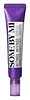 Key Ingredients
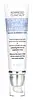
Benefits
Concerns
Ingredients Side-by-side
Water
Skin ConditioningGlycerin
Humectant


Caprylic/Capric Triglyceride
Masking
Dimethicone
Emollient
Polysorbate 60
Emulsifying

Niacinamide
Smoothing









Methylpropanediol
SolventCetyl Alcohol
Emollient
Polymethylsilsesquioxane
Centella Asiatica Extract
Cleansing
Dioscorea Japonica Root Extract
Skin Conditioning
Piper Methysticum Leaf/Root/Stem Extract
Skin ConditioningMelaleuca Alternifolia Leaf Extract
Perfuming
Panax Ginseng Berry Extract
Skin Conditioning
Artemisia Capillaris Extract
Ganoderma Lucidum Stem Extract
Skin ConditioningChlorella Vulgaris Extract
Skin ConditioningGlycine Soja Seed Extract
Skin Conditioning
Nymphaea Alba Flower Extract
Skin ConditioningElaeis Guineensis Oil
Emollient


Hydrogenated Lecithin
Emulsifying
Sodium Hyaluronate
Humectant
1,2-Hexanediol
Skin Conditioning
Dimethicone/Vinyl Dimethicone Crosspolymer
Skin Conditioning
Panthenol
Skin Conditioning
BHT
Antioxidant
Cyclopentasiloxane
Emollient
Steareth-21
CleansingPEG-10 Dimethicone/Vinyl Dimethicone Crosspolymer
Stabilising
Polyacrylamide
Steareth-2
EmulsifyingIsohexadecane
EmollientCarbomer
Emulsion StabilisingHydroxyacetophenone
Antioxidant
C13-14 Isoparaffin
Emollient
Tromethamine
BufferingPalmitic Acid
Emollient
Polyquaternium-51
Skin Conditioning
Stearic Acid
Cleansing
Polysorbate 20
Emulsifying
Retinol 0.1%
Skin Conditioning

Ethylhexylglycerin
Skin ConditioningGlyceryl Caprylate
EmollientTocopheryl Acetate
Antioxidant
Polyglyceryl-10 Myristate
Skin Conditioning
PEG-30 Dipolyhydroxystearate
Emulsifying
Hydroxyethylcellulose
Emulsion StabilisingGlycosyl Trehalose
Emulsion StabilisingBeta-Glucan
Skin Conditioning
Glyceryl Polymethacrylate
Laureth-7
EmulsifyingButylene Glycol
Humectant
Disodium EDTA
ChelatingHydrogenated Starch Hydrolysate
HumectantAdenosine
Skin Conditioning
Raffinose
Skin ConditioningDipotassium Glycyrrhizate
Humectant
Lecithin
Emollient
Tocopherol
Antioxidant
Pentylene Glycol
Skin Conditioning
BHA
Antioxidant
Myristic Acid
Cleansing
Tranexamic Acid
Astringent
Propanediol
Solvent
Dipropylene Glycol
HumectantDisodium Phosphate
BufferingCaprylyl Glycol
Emollient
Collagen
Moisturising
Madecassic Acid
Skin Conditioning
Biosaccharide Gum-1
Humectant
Asiaticoside
Antioxidant
Sodium Palmitoyl Proline
Skin ConditioningLeuconostoc/Radish Root Ferment Filtrate
Antimicrobial
Asiatic Acid
Skin Conditioning
Glutathione
Retinal
Skin Conditioning
Madecassoside
Antioxidant
Sodium Phosphate
BufferingFerulic Acid
Antimicrobial
Acetyl Hexapeptide-8
Humectant
Ammonium Acryloyldimethyltaurate/Vp Copolymer
Tetrahydropiperine
Skin ConditioningPhloretin
Antioxidant
Arginine
Masking
Parfum
Masking
Water, Glycerin, Caprylic/Capric Triglyceride, Dimethicone, Polysorbate 60, Niacinamide, Methylpropanediol, Cetyl Alcohol, Polymethylsilsesquioxane, Centella Asiatica Extract, Dioscorea Japonica Root Extract, Piper Methysticum Leaf/Root/Stem Extract, Melaleuca Alternifolia Leaf Extract, Panax Ginseng Berry Extract, Artemisia Capillaris Extract, Ganoderma Lucidum Stem Extract, Chlorella Vulgaris Extract, Glycine Soja Seed Extract, Nymphaea Alba Flower Extract, Elaeis Guineensis Oil, Hydrogenated Lecithin, Sodium Hyaluronate, 1,2-Hexanediol, Dimethicone/Vinyl Dimethicone Crosspolymer, Panthenol, BHT, Cyclopentasiloxane, Steareth-21, PEG-10 Dimethicone/Vinyl Dimethicone Crosspolymer, Polyacrylamide, Steareth-2, Isohexadecane, Carbomer, Hydroxyacetophenone, C13-14 Isoparaffin, Tromethamine, Palmitic Acid, Polyquaternium-51, Stearic Acid, Polysorbate 20, Retinol 0.1%, Ethylhexylglycerin, Glyceryl Caprylate, Tocopheryl Acetate, Polyglyceryl-10 Myristate, PEG-30 Dipolyhydroxystearate, Hydroxyethylcellulose, Glycosyl Trehalose, Beta-Glucan, Glyceryl Polymethacrylate, Laureth-7, Butylene Glycol, Disodium EDTA, Hydrogenated Starch Hydrolysate, Adenosine, Raffinose, Dipotassium Glycyrrhizate, Lecithin, Tocopherol, Pentylene Glycol, BHA, Myristic Acid, Tranexamic Acid, Propanediol, Dipropylene Glycol, Disodium Phosphate, Caprylyl Glycol, Collagen, Madecassic Acid, Biosaccharide Gum-1, Asiaticoside, Sodium Palmitoyl Proline, Leuconostoc/Radish Root Ferment Filtrate, Asiatic Acid, Glutathione, Retinal, Madecassoside, Sodium Phosphate, Ferulic Acid, Acetyl Hexapeptide-8, Ammonium Acryloyldimethyltaurate/Vp Copolymer, Tetrahydropiperine, Phloretin, Arginine, Parfum
Water
Skin ConditioningIsopropyl Myristate
Emollient
Pyrus Malus Fruit Extract
Skin Conditioning
Glycerin
Humectant
Hydrogenated Ethylhexyl Olivate
EmollientCetearyl Alcohol
Emollient
Retinol
Skin Conditioning
Aloe Barbadensis Leaf Juice
Skin Conditioning
Sodium Hyaluronate
Humectant
Dipotassium Glycyrrhizate
Humectant
Tocopherol
Antioxidant
Chlorella Vulgaris Extract
Skin ConditioningAcetyl Hexapeptide-8
Humectant
Ferulic Acid
Antimicrobial
Colloidal Gold
AntimicrobialCaulerpa Lentillifera Extract
Chenopodium Quinoa Seed Extract
Skin Conditioning
Oryza Sativa Bran Extract
Skin Conditioning
Hydrogenated Olive Oil Unsaponifiables
Emollient
Daucus Carota Sativa Root Extract
Skin Conditioning
Glycine Max Seed Extract
Skin ConditioningOryza Sativa Extract
Absorbent
Panax Ginseng Root Extract
Emollient
Citrus Aurantium Dulcis Peel Extract
Emulsion Stabilising
Helianthus Annuus Extract
Emollient
Rosmarinus Officinalis Leaf Extract
AntimicrobialTocopheryl Acetate
Antioxidant
Aminopropyl Ascorbyl Phosphate
Antioxidant
Argania Spinosa Kernel Oil
Emollient
Cocos Nucifera Oil
Masking
Glycine Soja Oil
Emollient
Honey Extract
Humectant
Cyamopsis Tetragonoloba Gum
Emulsion StabilisingAvena Sativa Bran Extract
Abrasive
Pentylene Glycol
Skin Conditioning
Polyurethane Crosspolymer-1
Ammonium Acryloyldimethyltaurate/Vp Copolymer
Butylene Glycol
Humectant
Sodium Benzoate
Masking
Tetrasodium Glutamate Diacetate
ChelatingSodium Hydroxide
BufferingPhenoxyethanol
Preservative
Caprylyl Glycol
Emollient
Ethylhexylglycerin
Skin ConditioningHexylene Glycol
EmulsifyingWater, Isopropyl Myristate, Pyrus Malus Fruit Extract, Glycerin, Hydrogenated Ethylhexyl Olivate, Cetearyl Alcohol, Retinol, Aloe Barbadensis Leaf Juice, Sodium Hyaluronate, Dipotassium Glycyrrhizate, Tocopherol, Chlorella Vulgaris Extract, Acetyl Hexapeptide-8, Ferulic Acid, Colloidal Gold, Caulerpa Lentillifera Extract, Chenopodium Quinoa Seed Extract, Oryza Sativa Bran Extract, Hydrogenated Olive Oil Unsaponifiables, Daucus Carota Sativa Root Extract, Glycine Max Seed Extract, Oryza Sativa Extract, Panax Ginseng Root Extract, Citrus Aurantium Dulcis Peel Extract, Helianthus Annuus Extract, Rosmarinus Officinalis Leaf Extract, Tocopheryl Acetate, Aminopropyl Ascorbyl Phosphate, Argania Spinosa Kernel Oil, Cocos Nucifera Oil, Glycine Soja Oil, Honey Extract, Cyamopsis Tetragonoloba Gum, Avena Sativa Bran Extract, Pentylene Glycol, Polyurethane Crosspolymer-1, Ammonium Acryloyldimethyltaurate/Vp Copolymer, Butylene Glycol, Sodium Benzoate, Tetrasodium Glutamate Diacetate, Sodium Hydroxide, Phenoxyethanol, Caprylyl Glycol, Ethylhexylglycerin, Hexylene Glycol
Reviews
Ingredients Explained
These ingredients are found in both products.
Ingredients higher up in an ingredient list are typically present in a larger amount.
Acetyl Hexapeptide-8 (also known as Argireline) is a synthetic hexapeptide that is often called a "topical Botox alternative".
It works by mimicking how Botox relaxes muscles; it interferes with the signaling process that tells your facial muscles to contract. This can help soften expression lines like forehead wrinkles or crow's feet over time.
The comparison to Botox does have limits because the molecule is water-loving and relatively large.
Acetyl Hexapeptide-8 has a hard time absorbing deeply enough through the skin's outer barrier to actually reach the muscles.
So whether it truly works the way Botox does at a biological level is still up for debate, but early clinical outcomes are fairly encouraging.
A 12 week human study of a multi-ingredient regimen containing this ingredient saw:
While some studies have observed improvements in wrinkle appearance, it is important to note that more consistent results are seen in multi-ingredient formulations (vs just Acetyl Hexapeptide-8 alone).
Some research studies also used higher concentrations (up to 10%) while this ingredient is usually found in concentrations up to 0.005% in leave-on formulations.
Learn more about Acetyl Hexapeptide-8Ammonium Acryloyldimethyltaurate/Vp Copolymer is a synthetically created polymer. It's used as a film-forming agent and used to thicken the consistency of products.
Think of it as a supportive ingredient that helps your gel-creams feel silky, "cloud cream-like", and spread evenly without being greasy.
The Cosmetic Ingredient Review (CIR) Expert Panel evaluated it (along with 22 other acryloyldimethyltaurate polymers) and concluded it's:
Due to its large molecular size, it sits on the surface of skin rather than penetrating it.
Learn more about Ammonium Acryloyldimethyltaurate/Vp CopolymerButylene Glycol (or BG) is used within cosmetic products for a few different reasons:
Overall, Butylene Glycol is a safe and well-rounded ingredient that works well with other ingredients.
Though this ingredient works well with most skin types, some people with sensitive skin may experience a reaction such as allergic rashes, closed comedones, or itchiness.
Learn more about Butylene GlycolCaprylyl Glycol is a humectant, skin conditioner, emollient, and preservative booster derived from either caprylic acid or synthetically created.
Typical use levels vary from 0.3-1% as a preservative booster and go up to 2% to condition skin.
Because it is not a free-fatty acid, this ingredient is fungal acne safe (there's nothing for Malassezia to feed on).
Learn more about Caprylyl GlycolChlorella Vulgaris Extract comes from a single-celled green freshwater algae.
The version used in skincare is almost always a water or glycerin-based extract that is basically the algae's amino acids, peptides, sugars, and chlorophyll pigments.
It acts as a skin-conditioning agent and the research behind it at this time is mostly lab-dish rather than human trials.
Isolated Chlorella peptides inhibit collagenase and elastase (the enzymes that chew up collagen and elastin) and mop up free radicals in test-tube assays. Another study found a Chlorella gel sped up wound healing in mice. Many of the firming or dark-circle claims come from the ingredient supplier's own studies.
Suppliers suggest using 1-2% of the trade version (Water/Glycerin + Chlorella Vulgaris Extract) in a finished formula which means the actual algae solids are a fraction of a percent.
Allergy risk is low and topical reactions are rare; the 2020 anaphylaxis case came from eating Chlorella supplements and not from putting it on skin.
However, patch testing is sensible if you have reacted to algae before.
The "chlorella is high in iodine so it breaks you out" line borrows from marine seaweed. Freshwater Chlorella isn't a notable iodine source unless it's deliberately grown in iodine-enriched medium.
Just so you know, many lists give algae a comedogenic rating of 5 and that number doesn't come from anywhere; it's not in the original rabbit-ear studies that most comedogenic ratings trace back to.
The reasoning behind the reputation is that seaweed is high in iodine and iodine can trigger acne-like breakouts when eaten. This traces back to a 1976 letter in Archives of Dermatology describing two women whose breakouts cleared after they stopped taking high-dose kelp supplements orally.
And the reaction of these two women wasn't clogged pores at all: it was an iodine-triggered pustular rash. Later research found normal dietary iodine doesn't meaningfully affect acne either and nobody has shown topical algae delivers enough iodine to matter.
Learn more about Chlorella Vulgaris ExtractDipotassium Glycyrrhizate comes from licorice root.
Extracts of licorice have demonstrated to have antibacterial, anti‐inflammatory, antiviral, antioxidant properties.
One component, glabridin, has extra potent antioxidant and soothing properties. It has also been found to block pigmentation from UVB rays in guinea pigs.
Licorice Root also contains a flavonoid. Flavonoids are a natural substance from in plants. Flavonoids also have antioxidant properties.
Another component, glycyrrhizin, has been found to have anti-inflammatory and antimicrobial benefits. This may make licorice root extract effective at treating acne. However, more research is needed to support this.
Liquiritin is one of the flavone compounds found in licorice. It has been found to help lighten skin by preventing tyrosinase from reacting with tyrosine. When the two react, protein is converted to melanin. Melanin is the substance in your body that gives your features pigmentation.
Licorice root is native to Southern Europe and Asia. It has been used in traditional Chinese medicine to help with respiratory issues.
Learn more about Dipotassium GlycyrrhizateEthylhexylglycerin is created from glycerin. It is a multitasker ingredient that:
The CIR Expert Panel found minimal skin absorption or sensitization of any kind in a safety assessment. Though this ingredient is considered well-tolerated, a small number of cases of allergic dermatitis have been published since 2002. Just be sure to patch test if you are unsure.
Industry-reported use ranges from 8% in rinse-off products and 2% in leave-on formulations.
Learn more about EthylhexylglycerinFerulic Acid is a plant based antioxidant that can be naturally found in the cell walls of grains like rice, oats, and corn. It has antioxidant and antimicrobial properties, and has the ability to boost the performance of other antioxidants as well.
A well-known study found that adding Ferulic Acid to a solution of Vitamins C and E doubled the photoprotection of skin. This is why you'll often see it paired with Vitamin C or Vitamin E serums rather than sold on its own.
A 2025 review of 18 human studies found that using Ferulic Acid (0.5-1%) daily for one to three months showed improvements in:
As far as allergies go, Ferulic acid is generally well-tolerated but can cause an allergic reaction in very rare cases. It's also worth noting that Ferulic acid is often extracted from plant sources like rice bran or wheat bran, so be sure to path test if you have known grain allergies.
Outside of skincare, researchers are also looking into Ferulic Acid for its potential benefits in areas like diabetes, Alzheimer's, and heart health.
Learn more about Ferulic AcidGlycerin (or glycerol) is a compound naturally found in your skin. It's a powerhouse humectant that pulls water into the stratum corneum.
Topically, glycerin does several things at once:
Your skin makes glycerin on its own (mostly from sebaceous oil breakdown) and shuttles it to your outermost layer of skin, or your epidermis, via aquaporin-3.
Aquaporin-3 is a transporter that is essential for normal skin hydration, elasticity, and repair. Interestingly, mice lacking in AQP3 have dry and less elastic skin that can be fully corrected with glycerin.
This ingredient is non-irritating, plays well with almost every ingredient, and works across all skin types. Typical use is anywhere between 3-10% but can go up to 79% in some leave-on products.
Just know very high concentrations (>40%) can feel tacky in low humidity.
Glycerin is the name for this ingredient in American English. British English uses Glycerol/Glycerine.
Learn more about GlycerinPentylene Glycol (1,2-pentanediol) is a multitasking little diol with three main roles in a formula:
Research on alkanediols (the family pentylene glycol belongs to) show they work by disrupting microbial cell membranes. This disruption helps the primary preservative system in a product work more effectively at lower doses.
On the safety side, the Cosmetic Ingredient Review Expert Panel has concluded this ingredient to be safe as used in current cosmetic practices + concentrations.
Typical use levels in a formula run about 1-5%.
Learn more about Pentylene GlycolRetinol is one of the most studied anti-aging ingredients in skincare (and for good reason!).
It's a form of vitamin A that your skin converts into Retinoic Acid, the active molecule that actually does the work in your cells.
That conversion happens in two steps: your skin first turns Retinol into Retinaldehyde (also called Retinal), then turns Retinaldehyde into Retinoic Acid.
Retinol is converted to biologically active retinoic acid via retinaldehyde by dehydrogenases in a two-step oxidation process.
Each step is a little "upgrade" toward the active form which is part of why Retinol is gentler than prescription Retinoic Acid; your skin does the work gradually. This also explains where Retinol sits in the retinoid family.
Here is the retinoid family ranked roughly by strength: Retinyl Esters (like Retinyl Palmitate) < Retinol < Retinaldehyde < Retinoic Acid.
Retinoid activity increases in that order, while tolerance runs in reverse; retinyl esters are the gentlest and retinoic acid the most irritating.
The more conversion steps an ingredient needs, the gentler (and slower) it tends to be, so Retinol lands in a nice middle spot. It's more effective than the esters, gentler than prescription options.
Once it becomes Retinoic Acid, it binds to receptors inside your cells' nuclei (called RARs and RXRs). These receptor pairs bind to specific DNA motifs called retinoic acid response elements and act like switches that turn certain genes on or off.
In practice, this means a few things happen in a formula. It:
That last two are worth a closer look.
A study that tested Retinol directly (not just prescription Retinoic Acid) found that four weeks of retinol thickened the epidermis and switched on the genes for Collagen I and Collagen III, with more procollagen I and III showing up in the skin. And after twelve weeks, facial wrinkles were visibly reduced.
Retinoids more broadly stimulate the skin's synthesis of hyaluronan and other glycosaminoglycans, part of what gives skin a plumper, more hydrated look over time.
So even the gentler OTC form is doing real structural work (not just sitting on the surface).
It's also worth knowing Retinol isn't only a wrinkle ingredient; it can help with uneven tone, dark spots, rough texture, and the look of pores as well because it speeds up turnover and influences pigment.
The research backs this up as well.
A pooled analysis of six clinical studies found that 0.1% stabilized retinol improved all signs of photoaging versus vehicle as early as week 4 and through 12 weeks, with only a few mild cases of irritation.
Another study comparing concentrations found that 0.3% and 1% Retinol were similarly effective at remodeling photodamaged skin, but 0.3% caused fewer adverse reactions when used daily (a useful reminder that more isn't always better).
Retinol is about tenfold less potent than Retinoic Acid. This is why it works as a gentler, non-prescription option that builds results over time.
Typical concentrations range from 0.1-1%, with 0.1% to 0.3% being a well-supported sweet spot for visible benefits with good tolerability.
One quirk worth mentioning: Retinol is famously unstable.
It's highly sensitive to light and oxygen, and UV exposure breaks it down into a range of degradation products.
Real-world testing bears this out, with retinoid content in some products dropping anywhere from 0% to 80% after six months at room temperature, and even more at higher temperatures.
This is why good formulations lean on opaque, air-tight packaging (think tubes and pumps, not clear jars) and often "encapsulate" the Retinol to shield it.
Signs of oxidation include your product turning yellow or smelling "off". Keeping it somewhere cool and dark, and using it up within a few months of opening helps it stay effective.
The most common side effects are mild and temporary: usually some dryness, redness, or light peeling as your skin adjusts. These tend to settle with consistent and lower-frequency use.
Like all retinoids, Retinol works best with nightly use, a good moisturizer, and daytime sunscreen.
The "ramp up" method works well: start with Retinol once a week to give your skin time to adjust, which keeps irritation low. Slowly add more nights until you reach your goal frequency once your skin feels comfortable.
Retinoids also make your skin more sensitive to the sun in the first few weeks, so wear sunscreen every morning and protect your skin from direct sun while you build up tolerance.
One safety note: topical Retinoids aren't recommended during pregnancy or breastfeeding. Systemic absorption from creams is low but because high oral vitamin A is a known teratogen and topical safety data are limited, most clinicians recommend stopping retinoids when pregnant or trying to conceive.
Learn more about RetinolSodium Hyaluronate is the salt form of hyaluronic acid. It is a long sugar chain that is naturally found in your skin, joints, and connective tissue that maintains hydration and elasticity.
In skincare, it works as a humectant. It pulls water from the environment and deeper layers of skin and binds it to the surface.
Interestingly, the size of the molecule affects its behavior:
Some clinical evidence links low molecular weight versions to improved wrinkle depth, elasticity, anti-inflammatory effects, and barrier repair.
Many serums use a blend of both weights so you can get surface hydration plus longer-lasting and deeper effects.
You'll typically see concentrations between 0.1-2% for this ingredient.
Learn more about Sodium HyaluronateTocopherol is a fat-soluble antioxidant known as Vitamin E.
You'll find this ingredient in the vast majority of skincare (for good reason). It works to neutralize free radicals, or unstable molecules generated by UV exposure, pollution, and other environmental stressors, before they can cause oxidative damage to your skin cells.
Topically applied tocopherol has been shown to protect against UV damage by ramping up the skin's own natural defense enzymes.
It also acts as a skin conditioning agent; some studies show that regular topical use can improve the skin's water-binding capacity over 2-4 weeks.
This ingredient is especially loved for being a team player. When combined with Vitamin C, the photoprotective effect of both ingredients roughly doubles and the combo also helps reduce UV-induced DNA damage.
This ingredient has some brightening potential but it's more of a prevention ingredient than spot-fader. Cell studies show it can slow down melanin production but it's worth noting that it's not the most powerful brightener out there.
In formulations, it also serves as a stabilizer that helps protect other oxidation-prone ingredients from degrading.
Concentrations usually range from 0.1-1% in most leave-on products.
Learn more about TocopherolTocopheryl Acetate is a stable, shelf-friendly form of vitamin E.
Formulators love it because plain vitamin E oxidizes quickly once it hits air. This acetate version stays stable and resists going off, helping to extend a product's shelf life.
It's actually inactive on its own and works like a slow-release "storage" form; the enzymes in your skin called esterases gradually convert it into active vitamin E over time.
One in vivo study showed 5% of the acetate in the living layer of the epidermis converted to vitamin E after 5 days of application. This study also found the skin gained protection against UV damage even though the conversion was slow and small.
Once converted, vitamin E acts as a skin's main fat-soluble antioxidant that fights free radicals to protect skin from damage.
Topical vitamin E generally boosts the skin's photoprotection, and it reduced UV-damage in animal models.
This ingredient has some brightening potential but it's more of a prevention ingredient than spot-fader. Cell studies show it can slow down melanin production but it's worth noting that it's not the most powerful brightener out there.
Overall, it has a pretty solid safety profile and has been found to be non-irritating and non-comedogenic. Allergic reactions may happen but stay rare due to how widely the ingredient gets used.
The concentration will vary depending on the formula; industry data shows 0.1% in baby lotions, 3% in lipsticks, and 5% in foot powders. You can also find this ingredient at 100% in a pure vitamin E oil.
Most leave-on skincare keeps it at the lower end, often between 0.5-1%.
Learn more about Tocopheryl AcetateWater. It's the most common cosmetic ingredient of all. You'll usually see it at the top of ingredient lists, meaning that it makes up the largest part of the product.
So why is it so popular? Water most often acts as a solvent - this means that it helps dissolve other ingredients into the formulation.
You'll also recognize water as that liquid we all need to stay alive. If you see this, drink a glass of water. Remember to stay hydrated!
Learn more about Water

