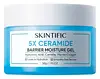
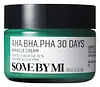
Skintific 5x Ceramide Barrier Repair Moisturize Gel Versus Some By Mi AHA, BHA, PHA 30 Days Miracle Cream


What's inside
What's inside
 Key Ingredients
Benefits
Concerns
Ingredients Side-by-side
Water
Skin ConditioningButylene Glycol
Humectant

Hydrogenated Polyisobutene
EmollientDimethicone
Emollient

Glycerin
Humectant
Poly 1,2-Butanediol-6 Propylene Glycol
SolventHydroxyacetophenone
Antioxidant


PEG-400
Emulsion StabilisingAmmonium Acryloyldimethyltaurate/Vp Copolymer
Hydrogenated Lecithin
Emulsifying
Panthenol
Skin Conditioning
Phytosteryl/Octyldodecyl Lauroyl Glutamate
Skin ConditioningCarbomer
Emulsion StabilisingAllantoin
Skin Conditioning
PCA
Humectant
Hydroxyethyl Acrylate/Sodium Acryloyldimethyl Taurate Copolymer
Emulsion StabilisingSqualane
Emollient
Ceramide NP
Skin Conditioning
Ceramide Ns
Skin Conditioning
Ceramide As
Skin Conditioning
Ceramide EOP
Skin Conditioning
Ceramide AP
Skin Conditioning
Sodium Hyaluronate
Humectant
Hydrolyzed Collagen
Emollient
Centella Asiatica Extract
Cleansing
Sodium Hydroxide
BufferingHamamelis Virginiana Extract
Antiseborrhoeic


Trehalose
Humectant
Ectoin
Skin Conditioning
Sophora Flavescens Root Extract
Antioxidant
Opuntia Ficus-Indica Stem Extract
Skin Conditioning
Ophiopogon Japonicus Root Extract
Skin ConditioningYeast Polysaccharides
Skin ConditioningPentylene Glycol
Skin Conditioning
Disodium EDTA
Polysorbate 60
Emulsifying
T-Butyl Alcohol
Perfuming

Citrus Aurantium Amara Flower Oil
Masking
Sorbitan Isostearate
Emulsifying
Citrus Aurantium Bergamia Fruit Oil
Masking
Citrus Medica Peel Oil
Water, Butylene Glycol, Hydrogenated Polyisobutene, Dimethicone, Glycerin, Poly 1,2-Butanediol-6 Propylene Glycol, Hydroxyacetophenone, PEG-400, Ammonium Acryloyldimethyltaurate/Vp Copolymer, Hydrogenated Lecithin, Panthenol, Phytosteryl/Octyldodecyl Lauroyl Glutamate, Carbomer, Allantoin, PCA, Hydroxyethyl Acrylate/Sodium Acryloyldimethyl Taurate Copolymer, Squalane, Ceramide NP, Ceramide Ns, Ceramide As, Ceramide EOP, Ceramide AP, Sodium Hyaluronate, Hydrolyzed Collagen, Centella Asiatica Extract, Sodium Hydroxide, Hamamelis Virginiana Extract, Trehalose, Ectoin, Sophora Flavescens Root Extract, Opuntia Ficus-Indica Stem Extract, Ophiopogon Japonicus Root Extract, Yeast Polysaccharides, Pentylene Glycol, Disodium EDTA, Polysorbate 60, T-Butyl Alcohol, Citrus Aurantium Amara Flower Oil, Sorbitan Isostearate, Citrus Aurantium Bergamia Fruit Oil, Citrus Medica Peel Oil
Centella Asiatica Extract 70.78%
Cleansing
Dipropylene Glycol
HumectantGlycerin
Humectant
Water
Skin ConditioningNiacinamide
Smoothing





Caprylic/Capric Triglyceride
Masking
Cetyl Ethylhexanoate
EmollientMelaleuca Alternifolia Leaf Water
AntimicrobialRicinus Communis Seed Oil
Masking
Hydrogenated Castor Oil
Emollient
Azadirachta Indica Leaf Extract
Skin ConditioningCoccinia Indica Fruit Extract
Skin ConditioningSolanum Melongena Fruit Extract
Skin ConditioningAloe Barbadensis Flower Extract
EmollientOcimum Sanctum Leaf Extract
Skin ConditioningCurcuma Longa Root Extract
Masking
Coral Extract
Skin ConditioningCalendula Officinalis Flower Extract
Masking
Camellia Sinensis Leaf Extract
Antimicrobial
Lavandula Angustifolia Extract
Skin Conditioning

Rosmarinus Officinalis Leaf Extract
AntimicrobialSalvia Elegans Flower/Leaf/Stem Extract
HumectantThymus Vulgaris Extract
Perfuming
Fructan
Skin ConditioningTremella Fuciformis Extract
Humectant
Salix Alba Bark Extract
Astringent
Enantia Chlorantha Bark Extract
Skin ConditioningSolanum Lycopersicum Seed Extract
Skin ConditioningHamamelis Virginiana Flower Extract
Polygonum Fagopyrum Seed Extract
Skin ConditioningCentella Asiatica Leaf Extract
Skin Conditioning
Nelumbo Nucifera Flower Extract
Skin ConditioningSaccharide Isomerate
Humectant
Sodium Hyaluronate
Humectant
Butylene Glycol
Humectant
Propanediol
Solvent
Betaine
Humectant
Allantoin
Skin Conditioning
Madecassoside
Antioxidant
Madecassic Acid
Skin Conditioning
Asiaticoside
Antioxidant
Asiatic Acid
Skin Conditioning
Adenosine
Skin Conditioning
Ceramide NP
Skin Conditioning
Oleanolic Acid
Skin ConditioningCapryloyl Salicylic Acid
Exfoliating
Inulin Lauryl Carbamate
Emulsion StabilisingPolyglyceryl-3 Methylglucose Distearate
Emulsifying
Cetearyl Glucoside
Emulsifying
Sorbitan Olivate
Emulsifying
Cetearyl Alcohol
Emollient


Lactobionic Acid
Buffering
Citric Acid
Buffering
Ammonium Acryloyldimethyltaurate/Vp Copolymer
1,2-Hexanediol
Skin Conditioning
Benzyl Glycol
SolventEthylhexylglycerin
Skin ConditioningRaspberry Ketone
Masking
Disodium EDTA
Mentha Piperita Oil
Masking
Limonene
Perfuming
Centella Asiatica Extract 70.78%, Dipropylene Glycol, Glycerin, Water, Niacinamide, Caprylic/Capric Triglyceride, Cetyl Ethylhexanoate, Melaleuca Alternifolia Leaf Water, Ricinus Communis Seed Oil, Hydrogenated Castor Oil, Azadirachta Indica Leaf Extract, Coccinia Indica Fruit Extract, Solanum Melongena Fruit Extract, Aloe Barbadensis Flower Extract, Ocimum Sanctum Leaf Extract, Curcuma Longa Root Extract, Coral Extract, Calendula Officinalis Flower Extract, Camellia Sinensis Leaf Extract, Lavandula Angustifolia Extract, Rosmarinus Officinalis Leaf Extract, Salvia Elegans Flower/Leaf/Stem Extract, Thymus Vulgaris Extract, Fructan, Tremella Fuciformis Extract, Salix Alba Bark Extract, Enantia Chlorantha Bark Extract, Solanum Lycopersicum Seed Extract, Hamamelis Virginiana Flower Extract, Polygonum Fagopyrum Seed Extract, Centella Asiatica Leaf Extract, Nelumbo Nucifera Flower Extract, Saccharide Isomerate, Sodium Hyaluronate, Butylene Glycol, Propanediol, Betaine, Allantoin, Madecassoside, Madecassic Acid, Asiaticoside, Asiatic Acid, Adenosine, Ceramide NP, Oleanolic Acid, Capryloyl Salicylic Acid, Inulin Lauryl Carbamate, Polyglyceryl-3 Methylglucose Distearate, Cetearyl Glucoside, Sorbitan Olivate, Cetearyl Alcohol, Lactobionic Acid, Citric Acid, Ammonium Acryloyldimethyltaurate/Vp Copolymer, 1,2-Hexanediol, Benzyl Glycol, Ethylhexylglycerin, Raspberry Ketone, Disodium EDTA, Mentha Piperita Oil, Limonene
Reviews
Ingredients Explained
These ingredients are found in both products.
Ingredients higher up in an ingredient list are typically present in a larger amount.
Allantoin is a soothing ingredient known for its protective and moisturizing properties; it's basically a quiet workhorse ingredient you can find in a huge range of cosmetics.
Though it can be derived from the comfrey plant, allantoin is produced synthetically for cosmetic products to ensure purity.
Research shows it can encourage your skin cells to turn over and renew by stimulating keratinocyte and fibroblast proliferation.
It also has mild keratolytic properties to help loosen and shed dead skin cells without being harsh.
Studies also suggest allantoin can help calm inflammation by dialing down some of the chemical signals your skin sends out when it is irritated.
This ingredient is typically used in the 0.1-0.5% range, and the FDA recognizes it as a skin protectant in OTC products up to 2%.
Overall, allantoin is a wonderful addition to most routines; it is stable across a wide pH range (~4-8), works well with other ingredients, and is considered non-sensitizing/non-irritating.
Fun fact: Allantoin is naturally occurring in comfrey root, beets, chamomile, and wheat sprouts. Our bodies even produce it as a byproduct of uric acid metabolism.
Learn more about AllantoinAmmonium Acryloyldimethyltaurate/Vp Copolymer is a synthetically created polymer. It's used as a film-forming agent and used to thicken the consistency of products.
Think of it as a supportive ingredient that helps your gel-creams feel silky, "cloud cream-like", and spread evenly without being greasy.
The Cosmetic Ingredient Review (CIR) Expert Panel evaluated it (along with 22 other acryloyldimethyltaurate polymers) and concluded it's:
Due to its large molecular size, it sits on the surface of skin rather than penetrating it.
Learn more about Ammonium Acryloyldimethyltaurate/Vp CopolymerButylene Glycol (or BG) is used within cosmetic products for a few different reasons:
Overall, Butylene Glycol is a safe and well-rounded ingredient that works well with other ingredients.
Though this ingredient works well with most skin types, some people with sensitive skin may experience a reaction such as allergic rashes, closed comedones, or itchiness.
Learn more about Butylene GlycolCentella Asiatica Extract (Centella) is derived from an herb native to Southeast Asia. It is famous for its anti-inflammatory and soothing properties.
Centella is rich in antioxidants and amino acids, such as Madecassic Acid and Asiaticoside.
Studies show the compounds in centella help with:
The combination of all these properties makes centella effective at soothing, hydrating, and protecting the skin.
Other great components of centella include Vitamin A, vitamin C, several B vitamins, and Asiatic Acid.
Fun fact: Centella has been used as a medicine and in food for many centuries. As a medicine, it is used to treat burns, scratches, and wounds.
Learn more about Centella Asiatica ExtractCeramide NP (formerly known as Ceramide 3) is one of the skin's naturally occurring lipids.
Since ceramides are the major lipid components of the skin, they are crucial for maintaining skin barrier and hydration. Ceramide NP most closely mirrors the dominant kind in human skin amongst ceramide subtypes.
This ceramide works by slotting into gaps within the stratum corneum's lipid matrix to limit trans-epidermal water loss (TEWL) and shield the skin against external irritants.
A study with 312 patients found that using a ceramide-containing routine for 4 weeks reduced the severity of atopic dermatitis by over 61%.
Another clinical study in subjects aged 60 and older found that a ceramide body wash and moisturizer improved skin dryness and itchy skin in 15 days.
Overall, ceramides are considered non-irritating and safety tests have found little to no observable adverse effects from using this ingredient.
Ceramide NP is usually sourced from plants (like soybean or rice bran), or produced synthetically.
Learn more about Ceramide NPDisodium EDTA is a chelating agent. It grabs onto and deactivates metal ions that sneak into your products from water, packaging, or air.
This ingredient mainly works behind the scenes and helps with:
On top of that, this ingredient can counteract the effects of hard water by binding to the minerals in it.
One thing worth knowing is that Disodium EDTA has been shown to be a mild penetration enhancer. It can help other ingredients absorb into skin more effectively which can be a double-edged sword (great for actives, but can also make the active too strong if you have sensitive skin).
Clinical patch testing showed no significant skin irritation at typical use concentrations and minimal dermal absorption.
You'll most likely see this ingredient near the end of an ingredient list. It's typically found in concentrations less than 1%.
Learn more about Disodium EDTAGlycerin (or glycerol) is a compound naturally found in your skin. It's a powerhouse humectant that pulls water into the stratum corneum.
Topically, glycerin does several things at once:
Your skin makes glycerin on its own (mostly from sebaceous oil breakdown) and shuttles it to your outermost layer of skin, or your epidermis, via aquaporin-3.
Aquaporin-3 is a transporter that is essential for normal skin hydration, elasticity, and repair. Interestingly, mice lacking in AQP3 have dry and less elastic skin that can be fully corrected with glycerin.
This ingredient is non-irritating, plays well with almost every ingredient, and works across all skin types. Typical use is anywhere between 3-10% but can go up to 79% in some leave-on products.
Just know very high concentrations (>40%) can feel tacky in low humidity.
Glycerin is the name for this ingredient in American English. British English uses Glycerol/Glycerine.
Learn more about GlycerinSodium Hyaluronate is the salt form of hyaluronic acid. It is a long sugar chain that is naturally found in your skin, joints, and connective tissue that maintains hydration and elasticity.
In skincare, it works as a humectant. It pulls water from the environment and deeper layers of skin and binds it to the surface.
Interestingly, the size of the molecule affects its behavior:
Some clinical evidence links low molecular weight versions to improved wrinkle depth, elasticity, anti-inflammatory effects, and barrier repair.
Many serums use a blend of both weights so you can get surface hydration plus longer-lasting and deeper effects.
You'll typically see concentrations between 0.1-2% for this ingredient.
Learn more about Sodium HyaluronateWater. It's the most common cosmetic ingredient of all. You'll usually see it at the top of ingredient lists, meaning that it makes up the largest part of the product.
So why is it so popular? Water most often acts as a solvent - this means that it helps dissolve other ingredients into the formulation.
You'll also recognize water as that liquid we all need to stay alive. If you see this, drink a glass of water. Remember to stay hydrated!
Learn more about Water
