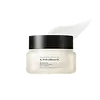
This calming moisturizer is formulated around Centella Asiatica Leaf Water and Niacinamide to calm redness and strengthen the skin barrier.
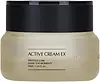
This barrier-repair moisturizer is formulated around Centella Asiatica Extract and Niacinamide to strengthen the skin barrier and soften the look of wrinkles.


What's inside
What's inside
 Key Ingredients
Benefits
Concerns
Ingredients Side-by-side
Centella Asiatica Leaf Water
Skin Conditioning


Butylene Glycol
Humectant
Water
Skin ConditioningCetyl Alcohol
Emollient



Butyrospermum Parkii Butter
Skin Conditioning


Stearyl Alcohol
Emollient
1,2-Hexanediol
Skin Conditioning
Glyceryl Stearate
Emollient
Butylene Glycol Dicaprylate/Dicaprate
EmollientMacadamia Integrifolia Seed Oil
Skin Conditioning
Niacinamide
Smoothing








Polyglyceryl-4 Caprate
EmulsifyingPhenyl Trimethicone
Skin Conditioning
Glycerin
Humectant
Ammonium Acryloyldimethyltaurate/Vp Copolymer
Isoamyl Laurate
Emollient
Caprylic/Capric Glycerides
EmollientCaprylic/Capric Triglyceride
Masking
Hydroxyacetophenone
Antioxidant
Myristyl Alcohol
Emollient
Hydrogenated Lecithin
Emulsifying
Arginine
Masking
Carbomer
Emulsion StabilisingHeptyl Undecylenate
EmollientPropanediol
Solvent
Artemisia Capillaris Extract
Octyldodecanol
Emollient
Ceramide NP
Skin Conditioning
Sodium Hyaluronate
Humectant
Palmitic Acid
Emollient
Scutellaria Baicalensis Root Extract
Astringent
Coptis Chinensis Root Extract
Antioxidant
Astragalus Membranaceus Root Extract
Emollient
Phellodendron Amurense Bark Extract
Skin ConditioningLauryl Alcohol
Emollient
Stearic Acid
Cleansing
Adenosine
Skin Conditioning
Pyrus Communis Fruit Extract
Skin ConditioningOlea Europaea Fruit Extract
BleachingRosa Damascena Flower Water
Masking
Phytosterols
Skin Conditioning
Iris Florentina Root Extract
MaskingOleic Acid
Emollient
Cucumis Melo Fruit Extract
Skin ConditioningHedera Helix Leaf/Stem Extract
AntimicrobialCandida Bombicola/Glucose/Methyl Rapeseedate Ferment
AntimicrobialCetearyl Alcohol
Emollient
Caprylyl Glycol
Emollient
Polyglyceryl-3 Methylglucose Distearate
Emulsifying
Camellia Sinensis Leaf Extract
Antimicrobial
Oryza Sativa Germ Oil
Emollient
Cocos Nucifera Oil
Masking
Chamomilla Recutita Extract
Skin Conditioning
Myristic Acid
Cleansing
Pentylene Glycol
Skin Conditioning
Ficus Carica Fruit Extract
Humectant
Morus Alba Fruit Extract
Antioxidant
Punica Granatum Fruit Extract
Antioxidant
Ginkgo Biloba Nut Extract
Skin ConditioningCalendula Officinalis Extract
Skin Conditioning
Sparassis Crispa Extract
Emulsion StabilisingDaucus Carota Sativa Root Extract
Skin Conditioning
Glycine Soja Germ Extract
EmollientCamellia Japonica Flower Extract
EmollientMadecassoside
Antioxidant
Ilex Paraguariensis Leaf Extract
Perfuming
Corchorus Olitorius Leaf Extract
Skin ConditioningUndaria Pinnatifida Extract
Skin ConditioningBorago Officinalis Extract
Emollient
Zingiber Officinale Root Extract
Masking
Illicium Verum Fruit Extract
Perfuming
Origanum Vulgare Leaf Extract
Skin ConditioningGeranium Maculatum Extract
TonicChrysanthellum Indicum Extract
Skin Conditioning
Chamaecyparis Obtusa Leaf Extract
Skin ConditioningLaminaria Digitata Extract
Skin Protecting
Salix Alba Bark Extract
Astringent
Lactobacillus/Soybean Ferment Extract
Skin ConditioningPortulaca Oleracea Extract
Skin Conditioning
Soluble Collagen
Humectant
Cinnamomum Cassia Bark Extract
Masking
Hydrolyzed Collagen
Emollient
Atelocollagen
Skin Conditioning
Acetyl Hexapeptide-8
Humectant
Palmitoyl Pentapeptide-4
Skin Conditioning
Centella Asiatica Leaf Water, Butylene Glycol, Water, Cetyl Alcohol, Butyrospermum Parkii Butter, Stearyl Alcohol, 1,2-Hexanediol, Glyceryl Stearate, Butylene Glycol Dicaprylate/Dicaprate, Macadamia Integrifolia Seed Oil, Niacinamide, Polyglyceryl-4 Caprate, Phenyl Trimethicone, Glycerin, Ammonium Acryloyldimethyltaurate/Vp Copolymer, Isoamyl Laurate, Caprylic/Capric Glycerides, Caprylic/Capric Triglyceride, Hydroxyacetophenone, Myristyl Alcohol, Hydrogenated Lecithin, Arginine, Carbomer, Heptyl Undecylenate, Propanediol, Artemisia Capillaris Extract, Octyldodecanol, Ceramide NP, Sodium Hyaluronate, Palmitic Acid, Scutellaria Baicalensis Root Extract, Coptis Chinensis Root Extract, Astragalus Membranaceus Root Extract, Phellodendron Amurense Bark Extract, Lauryl Alcohol, Stearic Acid, Adenosine, Pyrus Communis Fruit Extract, Olea Europaea Fruit Extract, Rosa Damascena Flower Water, Phytosterols, Iris Florentina Root Extract, Oleic Acid, Cucumis Melo Fruit Extract, Hedera Helix Leaf/Stem Extract, Candida Bombicola/Glucose/Methyl Rapeseedate Ferment, Cetearyl Alcohol, Caprylyl Glycol, Polyglyceryl-3 Methylglucose Distearate, Camellia Sinensis Leaf Extract, Oryza Sativa Germ Oil, Cocos Nucifera Oil, Chamomilla Recutita Extract, Myristic Acid, Pentylene Glycol, Ficus Carica Fruit Extract, Morus Alba Fruit Extract, Punica Granatum Fruit Extract, Ginkgo Biloba Nut Extract, Calendula Officinalis Extract, Sparassis Crispa Extract, Daucus Carota Sativa Root Extract, Glycine Soja Germ Extract, Camellia Japonica Flower Extract, Madecassoside, Ilex Paraguariensis Leaf Extract, Corchorus Olitorius Leaf Extract, Undaria Pinnatifida Extract, Borago Officinalis Extract, Zingiber Officinale Root Extract, Illicium Verum Fruit Extract, Origanum Vulgare Leaf Extract, Geranium Maculatum Extract, Chrysanthellum Indicum Extract, Chamaecyparis Obtusa Leaf Extract, Laminaria Digitata Extract, Salix Alba Bark Extract, Lactobacillus/Soybean Ferment Extract, Portulaca Oleracea Extract, Soluble Collagen, Cinnamomum Cassia Bark Extract, Hydrolyzed Collagen, Atelocollagen, Acetyl Hexapeptide-8, Palmitoyl Pentapeptide-4
Centella Asiatica Extract
Cleansing
Butylene Glycol
Humectant
Water
Skin ConditioningButylene Glycol Dicaprylate/Dicaprate
EmollientButyrospermum Parkii Butter
Skin Conditioning
Cetyl Alcohol
Emollient
Glyceryl Stearate
Emollient
Macadamia Integrifolia Seed Oil
Skin Conditioning
Niacinamide
Smoothing
Stearyl Alcohol
Emollient
Polyglyceryl-4 Caprate
EmulsifyingGlycerin
Humectant
Phenyl Trimethicone
Skin Conditioning
Palmitic Acid
Emollient
Ammonium Acryloyldimethyltaurate/Vp Copolymer
Caprylic/Capric Glycerides
EmollientStearic Acid
Cleansing
Propanediol
Solvent
Isoamyl Laurate
Emollient
Artemisia Capillaris Extract
Octyldodecanol
Emollient
Hydrogenated Lecithin
Emulsifying
Myristyl Alcohol
Emollient
1,2-Hexanediol
Skin Conditioning
Caprylic/Capric Triglyceride
Masking
Arginine
Masking
Carbomer
Emulsion StabilisingHeptyl Undecylenate
EmollientCeramide NP
Skin Conditioning
Sodium Hyaluronate
Humectant
Scutellaria Baicalensis Root Extract
Astringent
Astragalus Membranaceus Root Extract
Emollient
Coptis Chinensis Root Extract
Antioxidant
Phellodendron Amurense Bark Extract
Skin ConditioningLauryl Alcohol
Emollient
Adenosine
Skin Conditioning
Pyrus Communis Fruit Extract
Skin ConditioningOlea Europaea Fruit Extract
BleachingMyristic Acid
Cleansing
Phytosterols
Skin Conditioning
Rosa Damascena Flower Water
Masking
Oleic Acid
Emollient
Iris Florentina Root Extract
MaskingCucumis Melo Fruit Extract
Skin ConditioningCandida Bombicola/Glucose/Methyl Rapeseedate Ferment
AntimicrobialCetearyl Alcohol
Emollient
Hedera Helix Leaf/Stem Extract
AntimicrobialPolyglyceryl-3 Methylglucose Distearate
Emulsifying
Caprylyl Glycol
Emollient
Cocos Nucifera Oil
Masking
Oryza Sativa Germ Oil
Emollient
Camellia Sinensis Leaf Extract
Antimicrobial
Snail Secretion Filtrate
Skin Conditioning
Chamomilla Recutita Extract
Skin Conditioning
Citrus Aurantifolia Peel Extract
Cleansing
Pentylene Glycol
Skin Conditioning
Ficus Carica Fruit Extract
Humectant
Ginkgo Biloba Nut Extract
Skin ConditioningMorus Alba Fruit Extract
Antioxidant
Punica Granatum Fruit Extract
Antioxidant
Calendula Officinalis Extract
Skin Conditioning
Borago Officinalis Extract
Emollient
Camellia Japonica Flower Extract
EmollientChamaecyparis Obtusa Leaf Extract
Skin ConditioningChrysanthellum Indicum Extract
Skin Conditioning
Corchorus Olitorius Leaf Extract
Skin ConditioningDaucus Carota Sativa Root Extract
Skin Conditioning
Geranium Maculatum Extract
TonicGlycine Soja Germ Extract
EmollientIlex Paraguariensis Leaf Extract
Perfuming
Illicium Verum Fruit Extract
Perfuming
Laminaria Digitata Extract
Skin Protecting
Madecassoside
Antioxidant
Origanum Vulgare Leaf Extract
Skin ConditioningSalix Alba Bark Extract
Astringent
Sparassis Crispa Extract
Emulsion StabilisingUndaria Pinnatifida Extract
Skin ConditioningZingiber Officinale Root Extract
Masking
Cinnamomum Cassia Bark Extract
Masking
Lactobacillus/Soybean Ferment Extract
Skin ConditioningPortulaca Oleracea Extract
Skin Conditioning
Acetyl Hexapeptide-8
Humectant
Palmitoyl Pentapeptide-4
Skin Conditioning
Centella Asiatica Extract, Butylene Glycol, Water, Butylene Glycol Dicaprylate/Dicaprate, Butyrospermum Parkii Butter, Cetyl Alcohol, Glyceryl Stearate, Macadamia Integrifolia Seed Oil, Niacinamide, Stearyl Alcohol, Polyglyceryl-4 Caprate, Glycerin, Phenyl Trimethicone, Palmitic Acid, Ammonium Acryloyldimethyltaurate/Vp Copolymer, Caprylic/Capric Glycerides, Stearic Acid, Propanediol, Isoamyl Laurate, Artemisia Capillaris Extract, Octyldodecanol, Hydrogenated Lecithin, Myristyl Alcohol, 1,2-Hexanediol, Caprylic/Capric Triglyceride, Arginine, Carbomer, Heptyl Undecylenate, Ceramide NP, Sodium Hyaluronate, Scutellaria Baicalensis Root Extract, Astragalus Membranaceus Root Extract, Coptis Chinensis Root Extract, Phellodendron Amurense Bark Extract, Lauryl Alcohol, Adenosine, Pyrus Communis Fruit Extract, Olea Europaea Fruit Extract, Myristic Acid, Phytosterols, Rosa Damascena Flower Water, Oleic Acid, Iris Florentina Root Extract, Cucumis Melo Fruit Extract, Candida Bombicola/Glucose/Methyl Rapeseedate Ferment, Cetearyl Alcohol, Hedera Helix Leaf/Stem Extract, Polyglyceryl-3 Methylglucose Distearate, Caprylyl Glycol, Cocos Nucifera Oil, Oryza Sativa Germ Oil, Camellia Sinensis Leaf Extract, Snail Secretion Filtrate, Chamomilla Recutita Extract, Citrus Aurantifolia Peel Extract, Pentylene Glycol, Ficus Carica Fruit Extract, Ginkgo Biloba Nut Extract, Morus Alba Fruit Extract, Punica Granatum Fruit Extract, Calendula Officinalis Extract, Borago Officinalis Extract, Camellia Japonica Flower Extract, Chamaecyparis Obtusa Leaf Extract, Chrysanthellum Indicum Extract, Corchorus Olitorius Leaf Extract, Daucus Carota Sativa Root Extract, Geranium Maculatum Extract, Glycine Soja Germ Extract, Ilex Paraguariensis Leaf Extract, Illicium Verum Fruit Extract, Laminaria Digitata Extract, Madecassoside, Origanum Vulgare Leaf Extract, Salix Alba Bark Extract, Sparassis Crispa Extract, Undaria Pinnatifida Extract, Zingiber Officinale Root Extract, Cinnamomum Cassia Bark Extract, Lactobacillus/Soybean Ferment Extract, Portulaca Oleracea Extract, Acetyl Hexapeptide-8, Palmitoyl Pentapeptide-4
Ingredients Explained
These ingredients are found in both products.
Ingredients higher up in an ingredient list are typically present in a larger amount.
1,2-Hexanediol is a synthetic liquid and another multi-functional powerhouse.
It is a:
- Humectant, drawing moisture into the skin
- Emollient, helping to soften skin
- Solvent, dispersing and stabilizing formulas
- Preservative booster, enhancing the antimicrobial activity of other preservatives
Acetyl Hexapeptide-8 (also known as Argireline) is a synthetic hexapeptide that is often called a "topical Botox alternative".
It works by mimicking how Botox relaxes muscles; it interferes with the signaling process that tells your facial muscles to contract. This can help soften expression lines like forehead wrinkles or crow's feet over time.
The comparison to Botox does have limits because the molecule is water-loving and relatively large.
Acetyl Hexapeptide-8 has a hard time absorbing deeply enough through the skin's outer barrier to actually reach the muscles.
So whether it truly works the way Botox does at a biological level is still up for debate, but early clinical outcomes are fairly encouraging.
A 12 week human study of a multi-ingredient regimen containing this ingredient saw:
While some studies have observed improvements in wrinkle appearance, it is important to note that more consistent results are seen in multi-ingredient formulations (vs just Acetyl Hexapeptide-8 alone).
Some research studies also used higher concentrations (up to 10%) while this ingredient is usually found in concentrations up to 0.005% in leave-on formulations.
Learn more about Acetyl Hexapeptide-8Adenosine is a purine nucleoside that your body already makes in every cell. In skincare, it acts mainly as a skin conditioning and anti-aging agent.
The way it works is fairly well mapped out:
Your skin has cells called fibroblasts that build collagen (the stuff that keeps skin firm and smooth). Adenosine basically flips a switch on these cells that tells them to get to work making more collagen and other proteins. These cells slow down on their own as skin ages, so Adenosine helps give them a little nudge to keep going.
The clinical backing is pretty solid too.
A blind, randomized, placebo-controlled trial of 126 women aged 45-65 tested a 0.1% cream twice daily and found real improvements in crow's feet and frown lines using a precise 3D skin-mapping technique; these changes showed up by week 3 and held at 2 months.
A later study using Adenosine-loaded dissolving microneedle patches reported gains in wrinkle depth, dermal density, elasticity, and hydration.
On concentrations, South Korea's Ministry of Food and Drug Safety has set 0.04% as the approved functional anti-wrinkle level. You'll typically see this ingredient used somewhere in the 0.04-0.1% range since it works at low doses.
This ingredient has been found safe for cosmetics with the data showing no irritation or sensitization.
Overall, this is a great ingredient for any anti-aging routine and has no photosensitizing effect, so it suits both AM and PM use.
Learn more about AdenosineAmmonium Acryloyldimethyltaurate/Vp Copolymer is a synthetically created polymer. It's used as a film-forming agent and used to thicken the consistency of products.
Think of it as a supportive ingredient that helps your gel-creams feel silky, "cloud cream-like", and spread evenly without being greasy.
The Cosmetic Ingredient Review (CIR) Expert Panel evaluated it (along with 22 other acryloyldimethyltaurate polymers) and concluded it's:
Due to its large molecular size, it sits on the surface of skin rather than penetrating it.
Learn more about Ammonium Acryloyldimethyltaurate/Vp CopolymerArginine is a semi-essential amino acid. This just means our bodies can product a bit on its own, but sometimes needs a little boost from food sources.
It is a part of your skin's natural moisturizing factor (NMF), or the water-loving molecules in your outermost layer of skin (stratum corneum) that keeps everything hydrated and happy.
Here's an interesting thing about Arginine: your skin converts it into urea through the Krebs-Henseleit urea cycle. Urea is one of the most effective humectants your skin naturally produces.
A clinical study showed applying 2.5% arginine hydrochloride to atopic dermatitis skin showed significant urea levels in the stratum corneum and improved moisture in just four weeks.
Arginine is also a precursor to nitric oxide; nitric oxide improves microcirculation and supports wound healing and collagen synthesis.
One study found that an amino acid complex containing Arginine reduced skin irritation, improved hydration, and accelerated skin repair in clinical / in-vivo studies.
Arginine itself is an amino acid and not a fatty acid, oil, or ester. On its own, it's not a direct food source for Malassezia, or the yeast that causes fungal acne.
Learn more about ArginineThis flowering plant is more commonly known as Capillary wormwood.
According to a manufacturer, the flowers of this plant are used for their anti-inflammation and moisturizing properties.
Astragalus Membranaceus Root Extract is from an herb called Huang Qi. The roots of this plant have traditionally used in traditional Chinese medicine.
This ingredient contains hydrating, antioxidant, and anti-inflammatory compounds such as polysaccharides, saponins, and flavonoids. These compounds have also been studied for its effects on skin repair like fibroblast activity, growth-factor signaling, and wound closure models. However, human evidence is still limited.
Recent clinical work on a proprietary Astragalus + Centella saponin system showed improvement in skin aging and quality.
Overall, this ingredient is a great supportive ingredient with low irritation risk.
Learn more about Astragalus Membranaceus Root ExtractBorago Officinalis Extract is often synonymous with Borago Officinalis Seed Oil. It comes from the seeds of the starflower plant. This plant grows primarily in Europe.
This oil does not have a scent. It contains fatty acids such as linolenic acid. These fatty acids help keep skin hydrated.
Borago Officinalis Seed Oil is an antioxidant. Antioxidants help fight free-radicals. Free-radicals are molecules that may damage your skin cells.
Learn more about Borago Officinalis ExtractButylene Glycol (or BG) is used within cosmetic products for a few different reasons:
Overall, Butylene Glycol is a safe and well-rounded ingredient that works well with other ingredients.
Though this ingredient works well with most skin types, some people with sensitive skin may experience a reaction such as allergic rashes, closed comedones, or itchiness.
Learn more about Butylene GlycolThis is a lightweight diester (caprylic/capric acid + butylene glycol) with emollient and skin conditioning properties.
According to a manufacturer, this ingredient can help add a "cushiony" oil phase without making it heavy.
This ingredient is also known as shea butter. It is a plant-derived extract from the nuts of the Africa shea tree and one of the most well-studied emollients.
Because it has a high concentration of fatty acids (primarily oleic, stearic, and linoleic) it is able to form a protective barrier on the skin's surface. This helps seal in moisture and prevents transepidermal water loss (TEWL).
In vitro research found an increase in skin hydration by 58% and a decrease in TEWL by 37.8% after 24 hours of applying this ingredient (pretty impressive for a single ingredient!).
Besides hydration, shea butter also contains triterpenes that have anti-inflammatory potential. In particule, lupeol cinnamate has shown the highest anti-inflammatory activity in vivo.
Shea butter also contains vitamins A and E which may contribute to antioxidant activity.
While Shea Butter has an SPF rating of about 3-4, it is not a sunscreen replacement.
This ingredient may not be fungal acne safe because its fatty acids fall within the C11-C24 range that the Malassezia yeast can metabolize.
This ingredient shows up on a lot of "pore-clogging" lists but there's no real evidence behind that. It doesn't even have a comedogenic rating from an actual study; the numbers you'll find online come from blogs citing other blogs.
Ratings for other ingredients mostly come from a 1980s rabbit ear test. This test doesn't translate well to human skin or to real products because the ingredient sits at a much lower percentage.
Some people still find it breaks them out. So if that's you, definitely trust your skin. Just know this one's based on experience and not evidence.
Learn more about Butyrospermum Parkii ButterCalendula Officinalis Extract comes from the common Marigold plant.
Marigold flowers contain flavonoids. Flavonoids are a group of substances found naturally in plants. They possess antioxidant and inflammation properties.
This ingredient may help soothe your skin by reducing inflammation. Emerging studies show it inhibits nitrous oxide production safely, therefore reducing inflammation.
Marigolds have been used in traditional medicine throughout Asia and Europe.
Learn more about Calendula Officinalis ExtractCamellia Japonica Flower Extract comes from the Japanese Camellia plant (a cousin of the green tea plant). This plant is native to East Asia and known as "Tsubaki" in Japanese.
It's a flower extract packed with flavonoids and phenolic acids that give it most of its skincare value. In lab tests on human skin cells, the ethanol extract of the flower mopped up free radicals and boosted the skin's own antioxidant enzymes.
A separate study found the flower extract had solid antioxidant activity and reduced the reactive oxygen species that urban air pollution triggers in skin cells.
Newer work also points at anti-aging and calming effects:
One 2025 paper tied the extract and its component hyperoside to collagen III and elastin production plus better skin-barrier protein expression. A mouse study on eczema-like skin found four weeks of topical camellia extract reduced inflammation and itch-related markers.
Just know that most of these studies are cell-culture and animal work and not human trials. For now, it's best to treat it as a nice supporting antioxidant rather than a headline active.
At this time, there's no published regulatory use-level for this specific ingredient; suppliers usually sell it as a water/glycerin-based extract used in the low single-digit percent range.
There's no published contact-allergy case reports for this ingredient but as with any botanical, a patch test is sensible if you react to plant extracts generally.
Learn more about Camellia Japonica Flower ExtractCamellia Sinensis Leaf Extract (tea extract) is one of the most well-researched plant extracts in skincare with an impressive resume.
Black tea, green tea, and oolong tea are all harvested from the Camellia Sinensis plant.
Studies show green tea extract and its catechins (like epigallocatechin gallate (EGCG)) help your skin cells product energy more efficiently and reducing the number of free-radicals that can damage your skin from the inside.
In lab-grown skin models, this translated to younger, healthier, and stronger skin.
There's also good sun protection data; researchers saw less DNA damage and redness on human skin when green tea was applied before UVB exposure. And the more they applied, the better the protection.
Needless to say, this ingredient shouldn't replace your sunscreen. But it is a great supportive ingredient that you can already find in many sunscreens and antioxidant serums.
A 2009 study found a 2% green tea lotion was effective for mild-to-moderate acne thanks to its anti-inflammatory and mild antimicrobial activity.
The quality of the extract matters a lot here:
Good extracts contain 50-90% catechins while lower quality ones are mostly there for marketing. We recommend reaching out to the brand if you have questions about the quality or source of their ingredients.
Human Repeated Insult Patch Testing showed no irritation or sensitization at use concentrations (0.86% in leave-on products and up to 30% as leaf water).
Learn more about Camellia Sinensis Leaf ExtractThis ingredient is a biosurfactant ferment made when the yeast Candida bombicola ferments glucose plus methyl rapeseedate. This kind of ferment is best known for producing sophorolipids (a family of glycolipid biosurfactants) which brands use as mild cleansing agents.
What it does;
Lab work on purified acidic sophorolipids suggests they can be less cytotoxic/irritating in skin-model testing than a common harsh surfactant (SLES) at the tested conditions.
By the way, the final cosmetic ingredient does not contain live yeast. It’s a processed fermentation-derived ingredient.
Learn more about Candida Bombicola/Glucose/Methyl Rapeseedate FermentCaprylic/capric glycerides are a mixture of fats from caprylic and capric acids.
As an emollient, Caprylic/Capric Glycerides helps soften and moisturize the skin. Emollients create a moisture-trapping film on the skin.
Emulsifiers prevent ingredients from separating.
Learn more about Caprylic/Capric GlyceridesCaprylic/Capric Triglyceride (aka MCT Oil) is a lightweight emollient, solvent, and texture enhancer. It is considered a skin-softener by helping to prevent moisture loss.
Though it behaves like an oil, it is not technically one due to its chemical composition. One perk of this ingredient is that it is very stable, resistant to oxidation, and unlikely to go rancid.
In practice, that translates to a long shelf life and a consistently elegant skin feel.
While there is an assumption Caprylic Triglyceride can clog pores due to it being derived from coconut oil, there is no research supporting this. Just patch test if you have concerns.
Fractionated coconut oil and MCT Oil are both listed as Caprylic/Capric Triglyceride according to INCI. This is because INCI names are based on the ingredient’s final chemical composition and not its marketing name or source.
This ingredient is treated as the gold standard fungal acne safe oil. Even though it is coconut derived, the problematic lauric acid is stripped out.
This leaves just caprylic (C8) and capric (C10) acid. These chain lengths actually trend antifungal; a 2020 study found caprylic acid was enough to disrupt Malassezia furfur cell membrane, with a caprylic acid derivative damaging membrane structures at concentrations as low as 0.2%.
Learn more about Caprylic/Capric TriglycerideCaprylyl Glycol is a humectant, skin conditioner, emollient, and preservative booster derived from either caprylic acid or synthetically created.
Typical use levels vary from 0.3-1% as a preservative booster and go up to 2% to condition skin.
Because it is not a free-fatty acid, this ingredient is fungal acne safe (there's nothing for Malassezia to feed on).
Learn more about Caprylyl GlycolCarbomer is a synthetic thickening and gelling agent. It's basically the ingredient that gives a lot of serums, gels, creams, and sunscreens their smooth, non-sticky texture.
Although legally permitted at very high levels, carbomers are normally used at concentrations below 1%.
It also needs to be neutralized to actually thicken, and because it is a large molecule, it doesn't really penetrate the skin barrier.
Allergy-wise, the risk is very low. Clinical studies show carbomers have low potential for skin irritation/sensitization even at concentrations up to 100%.
A 2024 UK study patch-tested 1,302 patients and found true allergy to the parent group of carbomer to be rare with no confirmed relevant reactions.
Learn more about CarbomerCeramide NP (formerly known as Ceramide 3) is one of the skin's naturally occurring lipids.
Since ceramides are the major lipid components of the skin, they are crucial for maintaining skin barrier and hydration. Ceramide NP most closely mirrors the dominant kind in human skin amongst ceramide subtypes.
This ceramide works by slotting into gaps within the stratum corneum's lipid matrix to limit trans-epidermal water loss (TEWL) and shield the skin against external irritants.
A study with 312 patients found that using a ceramide-containing routine for 4 weeks reduced the severity of atopic dermatitis by over 61%.
Another clinical study in subjects aged 60 and older found that a ceramide body wash and moisturizer improved skin dryness and itchy skin in 15 days.
Overall, ceramides are considered non-irritating and safety tests have found little to no observable adverse effects from using this ingredient.
Ceramide NP is usually sourced from plants (like soybean or rice bran), or produced synthetically.
Learn more about Ceramide NPCetearyl alcohol is a waxy mixture of two fatty alcohols: cetyl alcohol and stearyl alcohol. It is an emollient and emulsifier.
Despite having "alcohol" in its name, it has nothing to do with drying solvent alcohols; the FDA also allows "alcohol-free" products to contain fatty alcohols like this ingredient.
It plays several roles in a formula:
Typical use levels for this ingredient sit around 1-10% and the Cosmetic Ingredient Review Expert Panel has affirmed safety at concentrations up to 25% in leave-on products.
Multiple assessments have found it to be non-irritating and non-sensitizing to most people.
However, there have been some cases of allergic contact dermatitis in patients with chronically compromised skin barriers.
Cetearyl alcohol has a comedogenic rating of 2 and irritancy rating of 1. Both of these numbers come from the 1989 study that used rabbit ears; a "2" means mildly comedogenic and a "1" means low irritancy.
Here's the catch: rabbit skin is more sensitive than human skin and throws a lot of false positives. A 1996 reappraisal found that ingredients rated 1-2 in the rabbit ear tests are generally safe for humans.
Remember comedogenic ratings are unable to assess the entire formula of a product or how it will react on your skin. Just be sure to patch test if you are unsure about certain ingredients.
This ingredient is not fungal acne safe. Cetearyl alcohol is a fatty alcohol with chain lengths that fall within the range that Malassezia can metabolize.
A 2019 study has also observed Malassezia growth in the presence of this ingredient, confirming it to be not-fungal acne safe.
Learn more about Cetearyl AlcoholCetyl Alcohol is a fatty alcohol. Fatty Alcohols are most often used as an emollient or to thicken a product.
Its main roles are:
Though it has "alcohol" in the name, it is not related to denatured alcohol or ethyl alcohol.
The FDA allows products labeled "alcohol-free" to have fatty alcohols.
This ingredient may not be fungal acne safe. It is a primary fatty alcohol with a chain length above 12 carbons. A study from 2019 show Malassezia can feed on fatty alcohols in this range, so it may trigger fungal acne in those prone to it.
Learn more about Cetyl AlcoholThis ingredient comes from the leaves of the Japanese cypress tree that is also called Hinoki. The leaves are rich in flavonoids with quercitrin being one of its key actives.
A 2023 study tested a 70% ethanol extract on UVA-stressed, collagen-producing skin cells. Across multiple antioxidant tests, this extract protected skin from free radicals at meaningful rates.
And the coolest part? At 1000 µg/mL, it blocked two enzymes (collagenase and elastase) almost as well as vitamin C did at the same dose. Collagenase and elastase are the enzymes that break down your skin's collagen and elastin over time.
The same study found this ingredient lowered skin-breakdown enzymes and inflammation signals while bumping up collagen production in UV-stressed cells.
A 2024 follow-up tested a fermented version (fermented with mushroom) and it calmed down several key inflammation markers in irritated immune cells. So besides anti-aging, this ingredient can also help soothe skin.
Most of the data right now is still at the cell-culture stage rather than from human clinical trials. However, there's no harm in adding this ingredient to your routine.
Just be sure to patch test if you have a history of sensitivity toward botanical extracts.
Learn more about Chamaecyparis Obtusa Leaf ExtractThis ingredient comes from the Chamomile flower.
Chamomile is rich in antioxidants and has anti-inflammatory properties. Several compounds found in chamomile help with soothing, such as bisbolol.
Antioxidant components in chamomile help fight free-radical molecules. These unstable molecules may damage your skin cells. By stabilizing them, antioxidants may help reduce the signs of aging.
Ancient Greeks, Romans, and Egyptians used Chamomile to treat skin redness and dryness. Chamomile has also been used to help with stomach issues.
Learn more about Chamomilla Recutita ExtractThis ingredient is also known as golden chamomile extract. It is rich in antioxidants and has skin conditioning properties.
It has an interesting effect on capillary health and has been shown to strengthen capillaries/improve blood flow in the skin. A 2005 study using a cream with this ingredient significantly reduced redness and rosacea severity over 12 weeks with minimal side effects.
French patent research also backs up the anti-inflammatory and circulation supporting properties at concentrations of 0.01-2%.
Learn more about Chrysanthellum Indicum ExtractThis ingredient comes from the cinnamon tree native to southern China.
Though cinnamon has a wonderful taste, it can cause skin irritation due to its rich coumarins, cinnamaldehyde, and styrene content.
This ingredient is also known as coconut oil. It is a plant-derived ingredient with skin conditioning properties.
The fatty acid profile of coconut oil is mostly lauric acid (~54%), followed by capric, caprylic, palmitic, and myristic acids. This profile allows it to penetrate easily into skin, moisturize, and improve dry skin.
A double-blind study confirmed that extra virgin coconut oil is as effective as mineral oil for treating very dry skin. Another study found it outperformed mineral oil for mild to moderate atopic dermatitis in children.
Another study from 2018 found that virgin coconut oil can soothe inflammation and boost key skin barrier proteins. Just know this evidence is still only from lab settings and not human trials.
It has also been shown to reduce Staphylococcus aureus, a bacteria that commonly overgrows in people with eczema.
Clinical testing shows very minimal skin irritation and no evidence of sensitization or phototoxicity.
Coconut oil gets flagged as a "fragrance" because it has a natural mild scent (not because it's a synthetic perfume). The European Cosmetic ingredient database also lists "perfuming" as a function of this ingredient.
Just so you know, the term "fragrance" is completely unregulated. Some brands still use botanical extracts or essential oils in their "fragrance-free" formulas, but regulatory databases technically classify these under "fragrance".
Coconut oil has a tiny and useless bit of natural SPF. Early lab studies clocked it around SPF 7-8 but a more recent study found the real number closer to SPF 1.2. It also offers no meaningful UVA protection (SPF only overs UVB rays).
The comedogenic rating of 4/5 means it has a high potential to clog pores; but it's worth noting that comedogenicity is highly individual and ratings cannot predict how an overall formula will behave on skin.
Since lauric acid is the dominant fatty acid, this ingredient may not be fungal acne safe. The Malassezia yeast feeds on fatty acids with carbon chain lengths between 11-24, and lauric acid falls within these lengths (C12).
Learn more about Cocos Nucifera OilCoptis Chinensis Root Extract is also known as huanglian or Chinese goldthread. It is a plant extract with soothing and antioxidant properties.
This plant naturally contains berberine, a compound that lab studies suggest can help "turn down" inflammation signals and oxidative stress, and make it harder for certain microbes to thrive. While topical berberine research does support anti-inflammatory potential in dermatitis-like models, most of the stronger evidence is preclinical.
That's why you'll frequently see this ingredient in formulations aimed at redness, blemish-prone skin, or sensitive skin.
A small human photopatch study reported that "coptis" at 5% did not trigger photoallergic/photosensitive reactions in the tested group. Like other botanical extracts, it may cause allergies in some. Be sure to patch test if you're weary.
Learn more about Coptis Chinensis Root ExtractWe don't have a description for Corchorus Olitorius Leaf Extract yet.
We don't have a description for Cucumis Melo Fruit Extract yet.
Daucus Carota Sativa Root Extract comes from the root commonly known as carrot (the orange kind we eat!).
This extract contains beta-carotene, a pigment responsible for giving plants the orange color. Beta-carotene is a potent antioxidant. Antioxidants may help reduce the signs of aging.
Beta-carotene is the reason we turn orange if we eat too many carrots.
It should be noted coming into contact with the leaves of wild carrots can cause skin irritation. The sap causes phytophotodermatitis, or sensitivity exposed to sunlight.
This ingredient is created using the edible parts of the carrot.
Learn more about Daucus Carota Sativa Root ExtractFicus Carica Fruit Extract comes from the fruit known as the fig. Figs are rich in antioxidants and helps hydrate the skin.
Figs also contain fatty acids and Vitamins A, B1, and B2.
As a humectant, figs are able to draw moisture from the air to your skin. This helps keep your skin hydrated.
Learn more about Ficus Carica Fruit ExtractWe don't have a description for Geranium Maculatum Extract yet.
Ginkgo Biloba Nut Extract comes from the fruit (nuts) of the Ginkgo Biloba tree. This tree is native to China.
These nuts contain potassium, Vitamin C, calcium, phosphorous, and other minerals.
Glycerin (or glycerol) is a compound naturally found in your skin. It's a powerhouse humectant that pulls water into the stratum corneum.
Topically, glycerin does several things at once:
Your skin makes glycerin on its own (mostly from sebaceous oil breakdown) and shuttles it to your outermost layer of skin, or your epidermis, via aquaporin-3.
Aquaporin-3 is a transporter that is essential for normal skin hydration, elasticity, and repair. Interestingly, mice lacking in AQP3 have dry and less elastic skin that can be fully corrected with glycerin.
This ingredient is non-irritating, plays well with almost every ingredient, and works across all skin types. Typical use is anywhere between 3-10% but can go up to 79% in some leave-on products.
Just know very high concentrations (>40%) can feel tacky in low humidity.
Glycerin is the name for this ingredient in American English. British English uses Glycerol/Glycerine.
Learn more about GlycerinGlyceryl Stearate is made by reacting glycerin with stearic acid (typically sourced from plant oils like palm or coconut). It's an emulsifier, emollient, and mild occlusive.
Emulsifiers help ingredients like oil and water stay mixed so your formula stays nicely blended and uniform in texture.
This ingredient is typically used in concentrations between 1-10%. Studies have found it to be non-sensitizing, non-phototoxic, and non-photoallergenic.
A close cousin of this ingredient is Glyceryl Stearate SE ("self-emulsifying"). This just has a small amount of sodium or potassium stearate added so it can emulsify without a co-emulsifier.
Since this ingredient is an ester of a C18 fatty acid, it may not be fungal acne safe. The Malassezia yeast can potentially metabolize within the C11-C24 range.
Fun fact: The human body also creates Glyceryl Stearate naturally.
Learn more about Glyceryl StearateWe don't have a description for Glycine Soja Germ Extract yet.
This ingredient comes from the English Ivy, a climbing evergreen plant. The extract is rich in compounds that give it antioxidant, skin conditioning, and anti-inflammatory properties.
Two of the compounds, Alpha-Hederin and Hederasaponin-C, showed strong inhibition of shown to be effective at protecting against oxidative damage as well as synthetic antioxidants like butylated hydroxyanisole and BHT.
We don't have a description for Heptyl Undecylenate yet.
Hydrogenated Lecithin is a more stable version of lecithin.
It's made by taking lecithin (a phospholipid commonly found in soybeans and egg yolks) and hydrogenating it. This just means the unsaturated fatty acids are turned into saturated ones so they don't go bad as easily.
This ingredient is an emollient, emulsifier, and penetration enhancer. As an emollient, it helps soften and hydrate skin by trapping moisture within. As an emulsifier, it prevents oil and water ingredients from separating.
Hydrogenated Lecithin can form tiny spherical structures made of phospholipid bilayers called liposomes. These liposomes are able to capture compounds inside their structure and deliver them through the skin barrier.
Because phospholipids are a natural component of our cell membranes, this ingredient is inherently compatible with skin.
A 2021 study found lecithin-based surfactants were less harsh and more tolerable comared to Sodium Lauryl Sulfate (SLS).
Learn more about Hydrogenated LecithinIlex Paraguariensis Leaf Extract is a fragrance.
Star anise extract is used to add a scent to a product. It has a similar smell to black licorice.
We don't have a description for Iris Florentina Root Extract yet.
Isoamyl Laurate is a plant-derived and biodegradable lightweight emollient that is an Ecocert/COSMOS approved alternative to silicones.
It functions as an emollient that helps soften and hydrate skin without leaving a greasy/sticky feel.
You'll find it in a range of products from makeup to sunscreen, and typically at low percentages (~2-5%).
This ingredient is deemed safe at current cosmetic use and non-sensitizing in human studies (it's even approved as a food additive flavoring substance).
Because this ingredient is an easter of lauric acid, it falls in the C11-24 range that Malassezia can feed on, making this ingredient not fungal acne safe.
Learn more about Isoamyl LaurateLactobacillus/Soybean Ferment Extract is the result of fermenting soybeans with the Lactobacillus bacteria. It mainly acts as a skin conditioning agent in a formula, and the interesting part is what fermentation does to the soy.
Fermenting soy:
The isoflavones are the workhorses behind the common claims; lab and animal studies show they mop up free radicals, help protect skin cells from UVB damage, and nudge fibroblasts to make more collagen while slowing the enzymes that break collagen down.
One controlled clinical study using an isoflavone cream reported softer wrinkles and better skin texture over time. A topical fermented soy extract also improved hydration and elasticity in an animal aging model.
The big caveat is that most of this evidence comes from soy isoflavones and related fermented soy extracts rather than this exact INCI. Some of the strongest data also comes from oral studies.
So it's best to think of this ingredient as a gentle, antioxidant-leaning conditioning agent rather than a proven wrinkle eraser.
At this time, there's no published concentration levels for this specific ferment but it usually shows up at modest levels in real products (~1% or less).
One last thing for people with soy allergies: it's always worth patch testing this ingredient despite the lowered allergy risk.
Learn more about Lactobacillus/Soybean Ferment ExtractLaminaria Digitata Extract comes from the big brown seaweed (or kelp) that grows in the North Atlantic. In skincare, it's mostly used as a skin protectant and conditioning agent.
The most interesting stuff inside is mostly just sugars and minerals: fucoidan (a sulfated polysaccharide), laminarin (a beta-glucan), alginates, and phlorotannins (seaweed polyphenols).
Any antioxidant and soothing claims mostly come from those polysaccharides; crude laminarin and fucoidan from Laminaria digitata do show antioxidant and anti-inflammatory activity in lab assays.
Just know that the lab assays are test-tube work on isolated compounds and not clinical trials on the finished extract.
Realistically, this ingredient is a nice-feeling and hydrating skin conditioner (not really an active).
Safety-wise, it's one of the better documented seaweeds and safe to be used in cosmetics according to the CIR Expert Panel.
Industry surveys find that usage concentrations run can be found up to 5% in bubble baths and leave-on usage is more likely 0.1-3%.
The risk of allergy is also quite low as human repeat insult patch tests (under 5% and blends containing 8-12%) came back non-irritating and non-sensitizing. Rabbit studies came back negative too, though one trade mixture at 1.5-2.5% in water + propylene glycol did cause moderate irritation at 30 minutes.
Reported seaweed allergies in the literature are almost all occupational (people handling wet kelp) or from a totally unrelated blue/green alga.
You'll see seaweed listed as a 5/5 on a lot of pore-clogging charts and that number doesn't come from anywhere; it's not in the original rabbit-ear studies that most comedogenic ratings trace back to.
The reasoning behind the reputation is that seaweed is high in iodine and iodine can trigger acne-like breakouts when eaten. This traces back to a 1976 letter in Archives of Dermatology describing two women whose breakouts cleared after they stopped taking high-dose kelp supplements orally.
And the reaction of these two women wasn't clogged pores at all: it was an iodine-triggered pustular rash. Later research found normal dietary iodine doesn't meaningfully affect acne either and nobody has shown topical algae delivers enough iodine to matter.
What we do have is dozens of brown and red algae ingredients found to be non-irritating and non-sensitizing, and a handful of studies that found algae compounds may actually help acne.
However, plenty of people do report breaking out from algae-containing products. Skin is individual and it's worth avoiding if yours has reacted to algae before.
The 0-5 scale comes from applying ingredients to the inside of an albino rabbit's ear. Rabbit follicles are far more reactive than human ones so it over-predicts. Even petrolatum was reassigned as non-comedogenic by the original scientist, Kligman.
Here are three more problems of comedogenic ratings:
Learn more about Laminaria Digitata ExtractLauryl Alcohol is a type of fatty alcohol. It is derived from palm kernel oil or coconut oil.
Fatty alcohols are not the same as drying, volatile alcohols like alcohol denatured or ethanol; they're designed to be non-sensitizing and hydrating.
Lauryl alcohol pulls triple duty:
Because lauryl alcohol falls within the C11 - C24 carbon chain range that the Malassezia yeast (fungal acne) can metabolize, this ingredient may not be fungal acne safe.
Learn more about Lauryl AlcoholThis ingredient is also known as Macadamia Seed Oil. It's an emollient with a fatty acid profile that closely mirrors the skin's own lipid makeup.
The palmitoleic acid content is especially notable as it's somewhat rare in plant oils. Palmitoleic acid is something your skin already makes naturally. It helps keep cell membranes structured and plays a role in fighting off harmful microbes.
This palmitoleic content is also part of why macademia seed oil absorbs quickly and doesn't leave much of a greasy residue.
It also contains oleic acid, linoleic acid, and phytosterols that can help reduce redness.
In vitro research has shown the oil to have meaningful antioxidant activity, protect fats in the skin from oxidative damage, and slow down the enzyme that breaks down hyaluronic acid.
A 2024 clinical study found it effective at improving skin hydratino and reducing wrinkle appearance when formulated into nanoemulsions.
Because it carries oleic acid (C18) and palmitic acid (C16), this ingredient may not be fungal acne safe. This is because the Malassezia yeast metabolizes in the C11-24 chain length range.
You'll also see this ingredient listed as: Macadamia Ternifolia Seed Oil.
This is the same ingredient; M. ternifolia is an older INCI naming convention for the edible macadamia nut, while M. integrifolia is the species actually cultivated for oil production. Both names refer to the same oil.
Learn more about Macadamia Integrifolia Seed OilMadecassoside is one of four active compounds found in Centella asiatica and is one of the main reasons Centella is so effective at calming irritated skin and supporting the moisture barrier.
There's a solid body of peer-reviewed research backing Madecassoside for several skin benefits. Studies have found:
Madecassoside pairs well with other hydrating or antioxidant ingredients like Ascorbic Acid or Hyaluronic Acid.
Learn more about MadecassosideMorus Alba Fruit Extract is an antioxidant.
Myristic Acid, aka tetradecanoic acid, is a naturally occurring fatty acid found in coconut oil and palm oil.
In skincare, it is an:
Research indicates that this ingredient posts a low risk of irritation and sensitization.
Since myristic acid is a C14 fatty acid, it falls within the range that Malassezia can metabolize, and therefore not fungal acne safe.
Learn more about Myristic AcidMyristyl Alcohol is type of fatty alcohol. Fatty Alcohols are most often used as an emollient or to thicken a product.
As an emollient, myristyl alcohol hydrates the skin by trapping moisture in.
Fatty alcohols are usually derived from natural fats and oils and therefore do not have the same drying or irritating effect as solvent alcohols.
The FDA allows "alcohol-free" products to contain fatty alcohols.
Learn more about Myristyl AlcoholNiacinamide is a multitasking form of vitamin B3 that strengthens the skin barrier, reduces pores and dark spots, regulates oil, and improves signs of aging.
And the best part? It's gentle and well-tolerated by most skin types, including sensitive and reactive skin.
You might have heard of "niacin flush", or the reddening of skin that causes itchiness. Niacinamide has not been found to cause this.
In very rare cases, some individuals may not be able to tolerate niacinamide at all or experience an allergic reaction to it.
If you are experiencing flaking, irritation, and dryness with this ingredient, be sure to double check all your products as this ingredient can be found in all categories of skincare.
When incorporating niacinamide into your routine, look out for concentration amounts. Typically, 5% niacinamide provides benefits such as fading dark spots. However, if you have sensitive skin, it is better to begin with a smaller concentration.
When you apply niacinamide to your skin, your body converts it into nicotinamide adenine dinucleotide (NAD). NAD is an essential coenzyme that is already found in your cells as "fuel" and powers countless biological processes.
In your skin, NAD helps repair cell damage, produce new healthy cells, support collagen production, strengthen the skin barrier, and fight environmental stressors (like UV and pollution).
Our natural NAD levels start to decline with age, leading to slower skin repair, visible aging, and a weaker skin barrier. By providing your skin niacinamide, you're recharging your skin's NAD levels. This leads to stronger, healthier, and younger looking skin.
Another name for vitamin B3 is nicotinamide. This vitamin is water-soluble and our bodies don't store it. We obtain Vitamin B3 from either food or skincare. Meat, fish, wheat, yeast, and leafy greens contain vitamin B3.
The type of niacinamide used in skincare is synthetically created.
Learn more about NiacinamideOctyldodecanol is a fatty alcohol sourced from plant oils like coconut or palm (or made synthetically).
It is:
You'll likely see this in many BHA products because this is the go-to solvent for salicylic acid.
This ingredient is typically used at levels between 2-20%.
Regarding fungal acne:
In 2019, this ingredient was tested against multiple Malassezia species (the yeast that causes fungal acne) and showed no growth.
Olea Europaea Fruit Extract is extract from the olive fruit. Olive fruit contains hydrating ingredients such as squalene and fatty acids.
Oleic Acid is an Omega-9 fatty acid that can be found naturally in your skin's sebum and in many plant oils such as avocado and olive oil.
It is an emollient that helps soften skin and prevent moisture loss.
Research shows:
A 1998 study did find that applying oleic acid at higher concentrations may cause irritation and disrupt the skin barrier. Modern formulations typically use low levels that is well-tolerated.
The culprit behind fungal acne, the Malassezia yeast, feeds on fatty acids with carbon chain lengths between C11-C24. Oleic Acid, at C18, falls right into that sweet spot.
In vitro studies have shown that Oleic Acid is one of the fatty acids that induce rapid Malassezia growth in lab settings.
Learn more about Oleic AcidOregano leaf is a culinary and medicinal herb with skin conditioning properties.
Oryza Sativa Germ Oil is an oil expressed from the germs of rice kernels.
Germs are not bacteria but rather a part of rice kernel that allows new plants to germinate.
Like other plant oils, this can help nourish the skin. The germ of rice is rich in oils, vitamins, minerals, antioxidants, and protein.
This ingredient may not be fungal-acne safe.
Learn more about the benefits of rice extract.
Learn more about Oryza Sativa Germ OilPalmitic Acid is a fatty acid naturally found in our skin and in many plant and animal sources.
In cosmetics, it is usually derived from palm oil. It serves many purposes in skincare, acting as a cleanser, emollient, and emulsifier.
Interestingly, topically applied Palmitic Acid can be elongated into longer chain fatty acids and ceramides. A 2019 study found low levels of Palmitic Acid lead to slower development of cells, suggesting it plays a role in keeping your skin's renewal process on track.
The CIR (Cosmetic Ingredient Review) panel determined it safe as used in cosmetics at concentrations up to 13%. It is non-irritating and non-sensitizing in clinical studies.
The culprit behind fungal acne, the Malassezia yeast, feeds on fatty acids with carbon chain lengths between C11-C24. Palmitic Acid, at C16, falls right into that sweet spot.
In vitro studies have shown that Palmitic Acid is one of the fatty acids that induce rapid Malassezia growth in lab settings.
It's worth noting that what feeds yeast in a lab doesn't necessarily feed it on your face since formulation and your skin's chemistry play a bigger role.
Learn more about Palmitic AcidYou might know this ingredient as Matrixyl. It is a synthetic peptide made up of five amino acids attached to a palmitic acid, a fatty acid that helps it absorb into skin more easily.
As a signal peptide, Matrixyl acts like a little messenger. Once it reaches your skin cells, it tells them to ramp up production of collagen, elastin, and other proteins that keep skin looking firm and smooth.
A 12 week clinical study found that a moisturizer containing just 3 ppm of Matrixyl led to a significant improvement in fine-lines and wrinkles. Another study showed an 18% reduction in wrinkle depth, 37% reduction in wrinkle thickness, and a 21% improvement in skin firmness after just 28 days of twice-daily use.
The coolest part is that it works at incredibly low concentrations (like 0.0003%) and it plays well with other actives.
The CIR (Cosmetic Ingredient Review) panel found it to be non-sensitizing across multiple tests and human patch tests also showed no irritation or sensitization.
Fun fact: Matrixyl was originally developed by French company Sederma and Procter & Gamble.
Read more about other common types of peptides here:
Learn more about Palmitoyl Pentapeptide-4Pentylene Glycol (1,2-pentanediol) is a multitasking little diol with three main roles in a formula:
Research on alkanediols (the family pentylene glycol belongs to) show they work by disrupting microbial cell membranes. This disruption helps the primary preservative system in a product work more effectively at lower doses.
On the safety side, the Cosmetic Ingredient Review Expert Panel has concluded this ingredient to be safe as used in current cosmetic practices + concentrations.
Typical use levels in a formula run about 1-5%.
Learn more about Pentylene GlycolThis ingredient is also known as Amur cork tree bark. It is a botanical extract with skin conditioning and tonic properties.
Amur tree bark is rich in compounds, such as berberine and palmatine, that are widely studied for antioxidant and anti-inflammatory activity.
In lab research, this ingredient has been shown to reduce inflammation in skin cells exposed to pollution. The results were also linked to PAR-2 signaling, a pathway involved in irritation and barrier stress. This is why you'll see this ingredient in "anti-pollution" skincare.
Preclinical work also suggests anti-inflammatory benefits in atopic-dermatitis models when used topically.
Please note that these studies do not offer strong proof because they do not involve humans. However, this ingredient has low irritation/risk and there's no harm in trying it out.
Learn more about Phellodendron Amurense Bark ExtractPhenyl Trimethicone is a silicon-based polymer. It is derived from silica.
Phenyl Trimethicone is used as an emollient and prevents products from foaming.
As an emollient, it helps trap moisture in the skin. It is considered an occlusive.
Learn more about Phenyl TrimethiconePhytosterols are plant-derived sterols (you can think of them as the plant world's version of cholesterol). In cosmetics, this ingredient is usually sourced from soybean, rice bran, shea, sunflower, and other seed oils.
The main actors in this group are β-sitosterol, campesterol, and stigmasterol (the CIR covers 27 phytosterols).
They work by fitting perfectly into your stratum corneum's lipid matrix since they're structurally similar to cholesterol. Here, they reinforce your skin's barrier.
One small in vivo human study showed topical soybean phytosterols sped up barrier recovery within three days on tape-stripped skin.
Broader research credits them with:
Formulation use typically sit under 5%.
Testing in soy-allergic subjects found no sensitization signals, but be sure to patch test if you are unsure or have existing allergies.
Learn more about PhytosterolsPolyglyceryl-3 Methylglucose Distearate is a plant-derived emulsifier whose only job is to keep the oily and watery parts of a formula blended so it doesn't separate into layers.
It's compatible with a wide-range of active ingredients and especially good at making emulsions survive heat/freeze cycles.
Typical use concentrations range from 2-3% and it works across a pH of 4.5-8.5.
This ingredient has been found safe to use in cosmetics and has a low irritation profile.
Because it's build on stearic acid, it may not be fungal acne safe. Stearic acid is a C18 fatty acid that falls within the range (C11-24) that Malassezia can feed on.
Learn more about Polyglyceryl-3 Methylglucose DistearatePolyglyceryl-4 Caprate comes from Capric Acid and Polyglycerin-4. It is an emulsifier.
Emulsifiers help stabilize a product. They do this by preventing ingredients from separating, such as oils and water which do not mix naturally.
This extract comes from Purslane, a succulent. It has anti-inflammatory, antioxidant, and hydrating properties.
Purslane is very nutritious. It contains omega-3 fatty acids, NMFs, many vitamins, minerals, and antioxidants. The vitamins found in purslane include: Vitamin C, Vitamin A, and Vitamin E.
Fun fact: Purslane is a succulent with an extensive habitat. It is used in traditional Korean medicine to treat irritated skin.
Nowadays, purslane is becoming a superfood due to its highly nutritious content.
Learn more about Portulaca Oleracea ExtractPropanediol is an all-star ingredient. It softens, hydrates, and smooths the skin.
It’s often used to:
Propanediol is not likely to cause sensitivity and considered safe to use. It is derived from corn or petroleum with a clear color and no scent.
Learn more about PropanediolYou might know this ingredient as pomegranate fruit. It has been shown to have antioxidant, skin soothing and anti-aging benefits.
Pomegranates are rich in antioxidant compounds such as polyphenolic compounds such as ellagic acid, phenolic acids, anthocyanins, and flavonoids.
Both in-vivo and in-vitro studies show pomegranate fruit helps with:
These benefits offer skin anti-aging and skin soothing benefits.
Fun fact: The name pomegranate comes from two latin words: "pome" or apple, and "granate" or "many seeded".
Pomegranate flower extract is often confused for pomegranate fruit extract, but comes from the flowers of the tree.
Learn more about Punica Granatum Fruit ExtractThis ingredient comes from the common pear and has skin conditioning/skin protecting properties. Pears are rich in bioactive phenolic compounds, with the most notable ones being Arbutin, Chlorogenic Acid, and Catechin.
A small in-vivo study with 13 volunteers found using a 5% pear extract gel over 12 weeks significantly improved skin moisture and elasticity, and decreased melanin and sebum levels compared to placebo.
In phytochemical analysis, this extract has also demonstrated anti-tyrosinase activity which further supports its brightening properties.
Just so you know, individuals with birch pollen allergy should be careful and patch test this ingredient as pears belong to the same family. But topical use of this ingredient is generally well-tolerated.
Learn more about Pyrus Communis Fruit ExtractRosa Damascena Flower Water is the water-based byproduct of steam-distilling damask rose petals. It has skin conditioning, masking, and skin protecting properties.
Research shows that Rosa damascena is rich in flavonoids and phenolic compounds like gallic acid that contribute to its antioxidant activity.
In vitro studies have shown that Rosa damascena can scavenge free radicals and reduce melanin overproduction. Research has also found this extract offers some degree of UV absorption but this should not replace your sunscreen.
Learn more about Rosa Damascena Flower WaterSalix Alba Bark Extract comes from the bark of the white willow tree. The official CosIng listing states this ingredient to have astringent, skin conditioning, soothing, and tonic properties.
Its star compound is salicin, a natural glucoside that is chemically related to salicylic acid. That's why you'll often see it marketed as a "natural BHA alternative" but that's a bit of a stretch.
Your skin can't convert salicin to salicylic acid because it needs specific enzymes that aren't present on the skin's surface. It won't behave like true salicylic acid, especially at the concentrations used in cosmetics.
However, this ingredient has its own perks. It contains flavonoids, polyphenols, and tannins that give it proven antioxidant and soothing properties.
An 8-week clinical study found a cream with 2% of this extract improved skin microcirculation, elasticity, and dark circles. This is most likely due to its role in increasing hyaluronic acid synthesis in fibroblasts and improved vascular integrity.
Another study found a topical serum with 0.5% salicin showed improvements in visible signs of aging, hyperpigmentation, and texture.
Just be careful if you have a known aspirin/salicylate allergy and be sure to consult with a medical professional about using this ingredient if you do.
Fun fact: Willow Bark extract has been used for thousands of years and ancient civilizations used white willow to help treat pain and fevers.
Learn more about Salix Alba Bark ExtractScutellaria Baicalensis Root Extract comes from the Baikal skullcap or Chinese skullcap plant. This plant is native to Northeast Asia and can be found in China, Mongolia, Korea, and Siberia.
In cosmetics, Scutellaria Baicalensis Root Extract provides antioxidant and anti-inflammatory benefits. This is due to the flavonoid composition of Scutellaria Baicalensis Root Extract.
In Chinese traditional folk medicine, Scutellaria Baicalensis Root Extract is used to help treat lung issues and hypertension.
Learn more about Scutellaria Baicalensis Root ExtractSodium Hyaluronate is the salt form of hyaluronic acid. It is a long sugar chain that is naturally found in your skin, joints, and connective tissue that maintains hydration and elasticity.
In skincare, it works as a humectant. It pulls water from the environment and deeper layers of skin and binds it to the surface.
Interestingly, the size of the molecule affects its behavior:
Some clinical evidence links low molecular weight versions to improved wrinkle depth, elasticity, anti-inflammatory effects, and barrier repair.
Many serums use a blend of both weights so you can get surface hydration plus longer-lasting and deeper effects.
You'll typically see concentrations between 0.1-2% for this ingredient.
Learn more about Sodium HyaluronateWe don't have a description for Sparassis Crispa Extract yet.
Stearic Acid is a fatty acid that is already found in your skin. It's one of the free fatty acids that works alongside ceramides and cholesterols to maintain your barrier.
In cosmetics, it is a multitasker:
Safety-wise, the CIR Expert Panel has concluded it to be safe in cosmetics when formulated to be non-irritating and non-sensitizing.
Free stearic acid is a C18 fatty acid that the Malassezia yeast can substrate, so this ingredient may not be fungal acne safe.
Learn more about Stearic AcidStearyl Alcohol is a type of fatty alcohol from stearic acid. It is a white, waxy compound used to emulsify ingredients used as an emollient or to thicken a product.
Emollients help soothe and hydrate the skin by trapping moisture.
Fatty alcohols are usually derived from natural fats and oils and therefore do not have the same drying or irritating effect as solvent (ethanol) alcohols.
The FDA allows products labeled "alcohol-free" to have fatty alcohols.
This ingredient may not be fungal acne safe. It is a primary fatty alcohol with a chain length above 12 carbons. A study from 2019 show Malassezia can feed on fatty alcohols in this range, so it may trigger fungal acne in those prone to it.
Learn more about Stearyl AlcoholUndaria Pinnatifida Extract comes from a kelp native to the northern Pacific Ocean. It is more commonly known as "wakame".
This kelp contains fatty acids, sodium, calcium, iodine, thiamine, and niacin. Studies show a polysaccharide known as fucoidan exhibits strong antioxidant activities. Fucoidan can be found in the cell walls of many species of brown seaweed.
Wakame prefers cold and temperate oceans. It is used in Japanese and Korean cuisine (yummy!).
Learn more about Undaria Pinnatifida ExtractWater. It's the most common cosmetic ingredient of all. You'll usually see it at the top of ingredient lists, meaning that it makes up the largest part of the product.
So why is it so popular? Water most often acts as a solvent - this means that it helps dissolve other ingredients into the formulation.
You'll also recognize water as that liquid we all need to stay alive. If you see this, drink a glass of water. Remember to stay hydrated!
Learn more about WaterZingiber Officinale is more commonly known as ginger.
Ginger root has antioxidant, anti-inflammation, and antimicrobial properties.
The antioxidant properties help protect your body from free-radicals. Free-radicals are molecules that may damage your skin cells. As a result, ginger may help slow down signs of aging such as hyperpigmentation and wrinkles.
Studies show ginger inhibits the enzyme that breaks down collagen. It also helps with:
This ingredient has no negative side-effects and is safe to use unless one has a specific allergy to it.
Ginger originates from Southeast Asia but has spread throughout the world. It is now a common spice used in many cultures.
Learn more about Zingiber Officinale Root Extract

