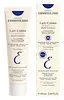
This barrier-repair moisturizer is formulated around Caprylic/Capric Triglyceride and Butyrospermum Parkii Butter to strengthen the skin barrier and hydrate skin.
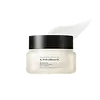
This calming moisturizer is formulated around Centella Asiatica Leaf Water and Niacinamide to calm redness and strengthen the skin barrier.


What's inside
What's inside
 Key Ingredients
Benefits
Concerns
Ingredients Side-by-side
Water
Skin ConditioningCaprylic/Capric Triglyceride
Masking


Glycerin
Humectant
Octyldodecanol
Emollient
Polyglyceryl-3 Methylglucose Distearate
Emulsifying

Butyrospermum Parkii Butter
Skin Conditioning


Cera Alba
Emollient
Jojoba Esters
Emollient
Helianthus Annuus Seed Wax
Skin Conditioning
Glyceryl Stearate
Emollient
Xanthan Gum
Emulsifying1,2-Hexanediol
Skin Conditioning
Caprylyl Glycol
Emollient
Sodium Hydroxide
BufferingAcrylates/C10-30 Alkyl Acrylate Crosspolymer
Emulsion StabilisingPolyglycerin-3
Humectant
Acacia Decurrens Flower Wax
Emollient
Aloe Barbadensis Leaf Juice Powder
Skin Conditioning

Tocopherol
Antioxidant




Tropolone
Skin ConditioningGlycine Soja Oil
Emollient
Hydrolyzed Soy Protein
Humectant
Water, Caprylic/Capric Triglyceride, Glycerin, Octyldodecanol, Polyglyceryl-3 Methylglucose Distearate, Butyrospermum Parkii Butter, Cera Alba, Jojoba Esters, Helianthus Annuus Seed Wax, Glyceryl Stearate, Xanthan Gum, 1,2-Hexanediol, Caprylyl Glycol, Sodium Hydroxide, Acrylates/C10-30 Alkyl Acrylate Crosspolymer, Polyglycerin-3, Acacia Decurrens Flower Wax, Aloe Barbadensis Leaf Juice Powder, Tocopherol, Tropolone, Glycine Soja Oil, Hydrolyzed Soy Protein
Centella Asiatica Leaf Water
Skin Conditioning
Butylene Glycol
Humectant
Water
Skin ConditioningCetyl Alcohol
Emollient
Butyrospermum Parkii Butter
Skin Conditioning
Stearyl Alcohol
Emollient
1,2-Hexanediol
Skin Conditioning
Glyceryl Stearate
Emollient
Butylene Glycol Dicaprylate/Dicaprate
EmollientMacadamia Integrifolia Seed Oil
Skin Conditioning
Niacinamide
Smoothing




Polyglyceryl-4 Caprate
EmulsifyingPhenyl Trimethicone
Skin Conditioning
Glycerin
Humectant
Ammonium Acryloyldimethyltaurate/Vp Copolymer
Isoamyl Laurate
Emollient
Caprylic/Capric Glycerides
EmollientCaprylic/Capric Triglyceride
Masking
Hydroxyacetophenone
Antioxidant
Myristyl Alcohol
Emollient
Hydrogenated Lecithin
Emulsifying
Arginine
Masking
Carbomer
Emulsion StabilisingHeptyl Undecylenate
EmollientPropanediol
Solvent
Artemisia Capillaris Extract
Octyldodecanol
Emollient
Ceramide NP
Skin Conditioning
Sodium Hyaluronate
Humectant
Palmitic Acid
Emollient
Scutellaria Baicalensis Root Extract
Astringent
Coptis Chinensis Root Extract
Antioxidant
Astragalus Membranaceus Root Extract
Emollient
Phellodendron Amurense Bark Extract
Skin ConditioningLauryl Alcohol
Emollient
Stearic Acid
Cleansing
Adenosine
Skin Conditioning
Pyrus Communis Fruit Extract
Skin ConditioningOlea Europaea Fruit Extract
BleachingRosa Damascena Flower Water
Masking
Phytosterols
Skin Conditioning
Iris Florentina Root Extract
MaskingOleic Acid
Emollient
Cucumis Melo Fruit Extract
Skin ConditioningHedera Helix Leaf/Stem Extract
AntimicrobialCandida Bombicola/Glucose/Methyl Rapeseedate Ferment
AntimicrobialCetearyl Alcohol
Emollient
Caprylyl Glycol
Emollient
Polyglyceryl-3 Methylglucose Distearate
Emulsifying
Camellia Sinensis Leaf Extract
Antimicrobial
Oryza Sativa Germ Oil
Emollient
Cocos Nucifera Oil
Masking
Chamomilla Recutita Extract
Skin Conditioning
Myristic Acid
Cleansing
Pentylene Glycol
Skin Conditioning
Ficus Carica Fruit Extract
Humectant
Morus Alba Fruit Extract
Antioxidant
Punica Granatum Fruit Extract
Antioxidant
Ginkgo Biloba Nut Extract
Skin ConditioningCalendula Officinalis Extract
Skin Conditioning
Sparassis Crispa Extract
Emulsion StabilisingDaucus Carota Sativa Root Extract
Skin Conditioning
Glycine Soja Germ Extract
EmollientCamellia Japonica Flower Extract
EmollientMadecassoside
Antioxidant
Ilex Paraguariensis Leaf Extract
Perfuming
Corchorus Olitorius Leaf Extract
Skin ConditioningUndaria Pinnatifida Extract
Skin ConditioningBorago Officinalis Extract
Emollient
Zingiber Officinale Root Extract
Masking
Illicium Verum Fruit Extract
Perfuming
Origanum Vulgare Leaf Extract
Skin ConditioningGeranium Maculatum Extract
TonicChrysanthellum Indicum Extract
Skin Conditioning
Chamaecyparis Obtusa Leaf Extract
Skin ConditioningLaminaria Digitata Extract
Skin Protecting
Salix Alba Bark Extract
Astringent
Lactobacillus/Soybean Ferment Extract
Skin ConditioningPortulaca Oleracea Extract
Skin Conditioning
Soluble Collagen
Humectant
Cinnamomum Cassia Bark Extract
Masking
Hydrolyzed Collagen
Emollient
Atelocollagen
Skin Conditioning
Acetyl Hexapeptide-8
Humectant
Palmitoyl Pentapeptide-4
Skin Conditioning
Centella Asiatica Leaf Water, Butylene Glycol, Water, Cetyl Alcohol, Butyrospermum Parkii Butter, Stearyl Alcohol, 1,2-Hexanediol, Glyceryl Stearate, Butylene Glycol Dicaprylate/Dicaprate, Macadamia Integrifolia Seed Oil, Niacinamide, Polyglyceryl-4 Caprate, Phenyl Trimethicone, Glycerin, Ammonium Acryloyldimethyltaurate/Vp Copolymer, Isoamyl Laurate, Caprylic/Capric Glycerides, Caprylic/Capric Triglyceride, Hydroxyacetophenone, Myristyl Alcohol, Hydrogenated Lecithin, Arginine, Carbomer, Heptyl Undecylenate, Propanediol, Artemisia Capillaris Extract, Octyldodecanol, Ceramide NP, Sodium Hyaluronate, Palmitic Acid, Scutellaria Baicalensis Root Extract, Coptis Chinensis Root Extract, Astragalus Membranaceus Root Extract, Phellodendron Amurense Bark Extract, Lauryl Alcohol, Stearic Acid, Adenosine, Pyrus Communis Fruit Extract, Olea Europaea Fruit Extract, Rosa Damascena Flower Water, Phytosterols, Iris Florentina Root Extract, Oleic Acid, Cucumis Melo Fruit Extract, Hedera Helix Leaf/Stem Extract, Candida Bombicola/Glucose/Methyl Rapeseedate Ferment, Cetearyl Alcohol, Caprylyl Glycol, Polyglyceryl-3 Methylglucose Distearate, Camellia Sinensis Leaf Extract, Oryza Sativa Germ Oil, Cocos Nucifera Oil, Chamomilla Recutita Extract, Myristic Acid, Pentylene Glycol, Ficus Carica Fruit Extract, Morus Alba Fruit Extract, Punica Granatum Fruit Extract, Ginkgo Biloba Nut Extract, Calendula Officinalis Extract, Sparassis Crispa Extract, Daucus Carota Sativa Root Extract, Glycine Soja Germ Extract, Camellia Japonica Flower Extract, Madecassoside, Ilex Paraguariensis Leaf Extract, Corchorus Olitorius Leaf Extract, Undaria Pinnatifida Extract, Borago Officinalis Extract, Zingiber Officinale Root Extract, Illicium Verum Fruit Extract, Origanum Vulgare Leaf Extract, Geranium Maculatum Extract, Chrysanthellum Indicum Extract, Chamaecyparis Obtusa Leaf Extract, Laminaria Digitata Extract, Salix Alba Bark Extract, Lactobacillus/Soybean Ferment Extract, Portulaca Oleracea Extract, Soluble Collagen, Cinnamomum Cassia Bark Extract, Hydrolyzed Collagen, Atelocollagen, Acetyl Hexapeptide-8, Palmitoyl Pentapeptide-4
Reviews
Ingredients Explained
These ingredients are found in both products.
Ingredients higher up in an ingredient list are typically present in a larger amount.
1,2-Hexanediol is a synthetic liquid and another multi-functional powerhouse.
It is a:
- Humectant, drawing moisture into the skin
- Emollient, helping to soften skin
- Solvent, dispersing and stabilizing formulas
- Preservative booster, enhancing the antimicrobial activity of other preservatives
This ingredient is also known as shea butter. It is a plant-derived extract from the nuts of the Africa shea tree and one of the most well-studied emollients.
Because it has a high concentration of fatty acids (primarily oleic, stearic, and linoleic) it is able to form a protective barrier on the skin's surface. This helps seal in moisture and prevents transepidermal water loss (TEWL).
In vitro research found an increase in skin hydration by 58% and a decrease in TEWL by 37.8% after 24 hours of applying this ingredient (pretty impressive for a single ingredient!).
Besides hydration, shea butter also contains triterpenes that have anti-inflammatory potential. In particule, lupeol cinnamate has shown the highest anti-inflammatory activity in vivo.
Shea butter also contains vitamins A and E which may contribute to antioxidant activity.
While Shea Butter has an SPF rating of about 3-4, it is not a sunscreen replacement.
This ingredient may not be fungal acne safe because its fatty acids fall within the C11-C24 range that the Malassezia yeast can metabolize.
This ingredient shows up on a lot of "pore-clogging" lists but there's no real evidence behind that. It doesn't even have a comedogenic rating from an actual study; the numbers you'll find online come from blogs citing other blogs.
Ratings for other ingredients mostly come from a 1980s rabbit ear test. This test doesn't translate well to human skin or to real products because the ingredient sits at a much lower percentage.
Some people still find it breaks them out. So if that's you, definitely trust your skin. Just know this one's based on experience and not evidence.
Learn more about Butyrospermum Parkii ButterCaprylic/Capric Triglyceride (aka MCT Oil) is a lightweight emollient, solvent, and texture enhancer. It is considered a skin-softener by helping to prevent moisture loss.
Though it behaves like an oil, it is not technically one due to its chemical composition. One perk of this ingredient is that it is very stable, resistant to oxidation, and unlikely to go rancid.
In practice, that translates to a long shelf life and a consistently elegant skin feel.
While there is an assumption Caprylic Triglyceride can clog pores due to it being derived from coconut oil, there is no research supporting this. Just patch test if you have concerns.
Fractionated coconut oil and MCT Oil are both listed as Caprylic/Capric Triglyceride according to INCI. This is because INCI names are based on the ingredient’s final chemical composition and not its marketing name or source.
This ingredient is treated as the gold standard fungal acne safe oil. Even though it is coconut derived, the problematic lauric acid is stripped out.
This leaves just caprylic (C8) and capric (C10) acid. These chain lengths actually trend antifungal; a 2020 study found caprylic acid was enough to disrupt Malassezia furfur cell membrane, with a caprylic acid derivative damaging membrane structures at concentrations as low as 0.2%.
Learn more about Caprylic/Capric TriglycerideCaprylyl Glycol is a humectant, skin conditioner, emollient, and preservative booster derived from either caprylic acid or synthetically created.
Typical use levels vary from 0.3-1% as a preservative booster and go up to 2% to condition skin.
Because it is not a free-fatty acid, this ingredient is fungal acne safe (there's nothing for Malassezia to feed on).
Learn more about Caprylyl GlycolGlycerin (or glycerol) is a compound naturally found in your skin. It's a powerhouse humectant that pulls water into the stratum corneum.
Topically, glycerin does several things at once:
Your skin makes glycerin on its own (mostly from sebaceous oil breakdown) and shuttles it to your outermost layer of skin, or your epidermis, via aquaporin-3.
Aquaporin-3 is a transporter that is essential for normal skin hydration, elasticity, and repair. Interestingly, mice lacking in AQP3 have dry and less elastic skin that can be fully corrected with glycerin.
This ingredient is non-irritating, plays well with almost every ingredient, and works across all skin types. Typical use is anywhere between 3-10% but can go up to 79% in some leave-on products.
Just know very high concentrations (>40%) can feel tacky in low humidity.
Glycerin is the name for this ingredient in American English. British English uses Glycerol/Glycerine.
Learn more about GlycerinGlyceryl Stearate is made by reacting glycerin with stearic acid (typically sourced from plant oils like palm or coconut). It's an emulsifier, emollient, and mild occlusive.
Emulsifiers help ingredients like oil and water stay mixed so your formula stays nicely blended and uniform in texture.
This ingredient is typically used in concentrations between 1-10%. Studies have found it to be non-sensitizing, non-phototoxic, and non-photoallergenic.
A close cousin of this ingredient is Glyceryl Stearate SE ("self-emulsifying"). This just has a small amount of sodium or potassium stearate added so it can emulsify without a co-emulsifier.
Since this ingredient is an ester of a C18 fatty acid, it may not be fungal acne safe. The Malassezia yeast can potentially metabolize within the C11-C24 range.
Fun fact: The human body also creates Glyceryl Stearate naturally.
Learn more about Glyceryl StearateOctyldodecanol is a fatty alcohol sourced from plant oils like coconut or palm (or made synthetically).
It is:
You'll likely see this in many BHA products because this is the go-to solvent for salicylic acid.
This ingredient is typically used at levels between 2-20%.
Regarding fungal acne:
In 2019, this ingredient was tested against multiple Malassezia species (the yeast that causes fungal acne) and showed no growth.
Polyglyceryl-3 Methylglucose Distearate is a plant-derived emulsifier whose only job is to keep the oily and watery parts of a formula blended so it doesn't separate into layers.
It's compatible with a wide-range of active ingredients and especially good at making emulsions survive heat/freeze cycles.
Typical use concentrations range from 2-3% and it works across a pH of 4.5-8.5.
This ingredient has been found safe to use in cosmetics and has a low irritation profile.
Because it's build on stearic acid, it may not be fungal acne safe. Stearic acid is a C18 fatty acid that falls within the range (C11-24) that Malassezia can feed on.
Learn more about Polyglyceryl-3 Methylglucose DistearateWater. It's the most common cosmetic ingredient of all. You'll usually see it at the top of ingredient lists, meaning that it makes up the largest part of the product.
So why is it so popular? Water most often acts as a solvent - this means that it helps dissolve other ingredients into the formulation.
You'll also recognize water as that liquid we all need to stay alive. If you see this, drink a glass of water. Remember to stay hydrated!
Learn more about Water


