Olehenriksen Banana Bright+ Eye Crème Versus Herbivore Super Nova 5% THD Vitamin C + Caffeine Brightening Eye Cream
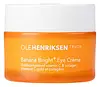
This brightening eye moisturizer is formulated around 3-O-Ethyl Ascorbic Acid and Simmondsia Chinensis Seed Oil to brighten dull-looking skin and hydrate skin.
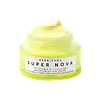
This brightening eye moisturizer is formulated around Tetrahexyldecyl Ascorbate and Caffeine to brighten dull-looking skin and fade the look of dark spots.


What's inside
What's inside
 Key Ingredients
Benefits
Concerns
Ingredients Side-by-side
Water
Skin ConditioningSimmondsia Chinensis Seed Oil
Emollient





Butyrospermum Parkii Butter
Skin Conditioning


Isododecane
EmollientCoconut Alkanes
Emollient
3-O-Ethyl Ascorbic Acid
Skin Conditioning




Cetearyl Alcohol
Emollient
Glycerin
Humectant
C18-38 Alkyl Hydroxystearoyl Stearate
EmollientDilinoleic Acid/Propanediol Copolymer
EmollientPolymethylsilsesquioxane

Cocoyl Proline
Skin Conditioning
Dimethicone Crosspolymer
Emulsion Stabilising
Pentaerythrityl Tetraisostearate
Emollient
Tetrahexyldecyl Ascorbate
Antioxidant
Ascorbic Acid
Antioxidant

Gold
Cosmetic ColorantGlutathione
Citrus Nobilis Fruit Extract
MaskingCitrus Paradisi Peel Extract
Perfuming
Glucosyl Hesperidin
HumectantTocopherol
Antioxidant
Tamarindus Indica Seed Polysaccharide
Skin ConditioningPoncirus Trifoliata Fruit Extract
Skin ConditioningMorus Alba Root Extract
BleachingLinoleic Acid
Cleansing
Linolenic Acid
Cleansing
Jojoba Esters
Emollient
Caprylyl Glycol
Emollient
Coco-Caprylate/Caprate
Emollient
Propanediol
Solvent
Polyglyceryl-3 Cocoate
Emulsifying
Polyglyceryl-4 Caprate
EmulsifyingPolyglyceryl-6 Caprylate
EmulsifyingPolyglyceryl-6 Ricinoleate
Emulsifying
Hdi/Trimethylol Hexyllactone Crosspolymer
Polyacrylate-13
Butylene Glycol
Humectant
Polyglyceryl-3 Stearate
Emulsifying
Polysorbate 20
Emulsifying
Sodium Citrate
BufferingPolyisobutene
Beheneth-5
EmulsifyingAcrylates/C10-30 Alkyl Acrylate Crosspolymer
Emulsion StabilisingBehenyl Alcohol
Emollient
Sodium Hydroxide
BufferingSorbic Acid
Preservative
Sorbitan Isostearate
Emulsifying
Citric Acid
Buffering
Hydrolyzed Vegetable Protein
Skin ConditioningStearic Acid
Cleansing
Palmitic Acid
Emollient
Oleic Acid
Emollient
Sorbitol
Humectant
Silica
Abrasive

Sodium Benzoate
Masking
1,2-Hexanediol
Skin Conditioning
Xanthan Gum
EmulsifyingPhenoxyethanol
Preservative
Leuconostoc/Radish Root Ferment Filtrate
Antimicrobial
Mica
Cosmetic ColorantTitanium Dioxide
Cosmetic Colorant

CI 77891
Cosmetic ColorantCI 77491
Cosmetic ColorantWater, Simmondsia Chinensis Seed Oil, Butyrospermum Parkii Butter, Isododecane, Coconut Alkanes, 3-O-Ethyl Ascorbic Acid, Cetearyl Alcohol, Glycerin, C18-38 Alkyl Hydroxystearoyl Stearate, Dilinoleic Acid/Propanediol Copolymer, Polymethylsilsesquioxane, Cocoyl Proline, Dimethicone Crosspolymer, Pentaerythrityl Tetraisostearate, Tetrahexyldecyl Ascorbate, Ascorbic Acid, Gold, Glutathione, Citrus Nobilis Fruit Extract, Citrus Paradisi Peel Extract, Glucosyl Hesperidin, Tocopherol, Tamarindus Indica Seed Polysaccharide, Poncirus Trifoliata Fruit Extract, Morus Alba Root Extract, Linoleic Acid, Linolenic Acid, Jojoba Esters, Caprylyl Glycol, Coco-Caprylate/Caprate, Propanediol, Polyglyceryl-3 Cocoate, Polyglyceryl-4 Caprate, Polyglyceryl-6 Caprylate, Polyglyceryl-6 Ricinoleate, Hdi/Trimethylol Hexyllactone Crosspolymer, Polyacrylate-13, Butylene Glycol, Polyglyceryl-3 Stearate, Polysorbate 20, Sodium Citrate, Polyisobutene, Beheneth-5, Acrylates/C10-30 Alkyl Acrylate Crosspolymer, Behenyl Alcohol, Sodium Hydroxide, Sorbic Acid, Sorbitan Isostearate, Citric Acid, Hydrolyzed Vegetable Protein, Stearic Acid, Palmitic Acid, Oleic Acid, Sorbitol, Silica, Sodium Benzoate, 1,2-Hexanediol, Xanthan Gum, Phenoxyethanol, Leuconostoc/Radish Root Ferment Filtrate, Mica, Titanium Dioxide, CI 77891, CI 77491
Water
Skin ConditioningTetrahexyldecyl Ascorbate
Antioxidant
Butyrospermum Parkii Butter
Skin Conditioning
Triheptanoin
Skin ConditioningBis-Diglyceryl Polyacyladipate-2
Emollient
Coco-Caprylate/Caprate
Emollient
Propanediol
Solvent
Simmondsia Chinensis Seed Oil
Emollient
Cetearyl Olivate
Sorbitan Olivate
Emulsifying
Stearyl Stearate
Emollient
Polyglyceryl-6 Stearate
Emollient
Glycerin
Humectant
Sodium Stearoyl Glutamate
CleansingBehenyl Alcohol
Emollient
Caffeine
Skin Conditioning
Ganoderma Lucidum Extract
Skin Protecting
Curcuma Longa Root Extract
Antioxidant
Astragalus Membranaceus Root Extract
Emollient
Spilanthes Acmella Flower/Leaf/Stem Extract
AntimicrobialHyaluronic Acid
Humectant
Ubiquinone
Antioxidant
Carthamus Tinctorius Seed Oil
Masking
Sclerotium Gum
Emulsion StabilisingC9-12 Alkane
SolventPolyglyceryl-6 Polyricinoleate
Emulsifying
Sodium Levulinate
Skin ConditioningSodium Anisate
AntimicrobialMelia Azadirachta Flower Extract
Skin ConditioningPolyglyceryl-6 Behenate
Emulsion Stabilising
Melia Azadirachta Leaf Extract
Skin ConditioningOcimum Sanctum Leaf Extract
Skin ConditioningSodium Phytate
ChelatingOcimum Basilicum Flower/Leaf Extract
TonicTocopheryl Acetate
Antioxidant
Corallina Officinalis Extract
Skin Conditioning
Xanthan Gum
EmulsifyingBacillus Ferment
Skin Conditioning
Glyceryl Caprylate
EmollientCitric Acid
Buffering
Water, Tetrahexyldecyl Ascorbate, Butyrospermum Parkii Butter, Triheptanoin, Bis-Diglyceryl Polyacyladipate-2, Coco-Caprylate/Caprate, Propanediol, Simmondsia Chinensis Seed Oil, Cetearyl Olivate, Sorbitan Olivate, Stearyl Stearate, Polyglyceryl-6 Stearate, Glycerin, Sodium Stearoyl Glutamate, Behenyl Alcohol, Caffeine, Ganoderma Lucidum Extract, Curcuma Longa Root Extract, Astragalus Membranaceus Root Extract, Spilanthes Acmella Flower/Leaf/Stem Extract, Hyaluronic Acid, Ubiquinone, Carthamus Tinctorius Seed Oil, Sclerotium Gum, C9-12 Alkane, Polyglyceryl-6 Polyricinoleate, Sodium Levulinate, Sodium Anisate, Melia Azadirachta Flower Extract, Polyglyceryl-6 Behenate, Melia Azadirachta Leaf Extract, Ocimum Sanctum Leaf Extract, Sodium Phytate, Ocimum Basilicum Flower/Leaf Extract, Tocopheryl Acetate, Corallina Officinalis Extract, Xanthan Gum, Bacillus Ferment, Glyceryl Caprylate, Citric Acid
Reviews
Ingredients Explained
These ingredients are found in both products.
Ingredients higher up in an ingredient list are typically present in a larger amount.
Behenyl Alcohol is a type of fatty alcohol (these are different from the drying, solvent alcohols).
Fatty Alcohols have hydrating properties and are most often used as an emollient or to thicken a product. They are usually derived from natural fats and oils; behenyl alcohol is derived from the fats of vegetable oils.
Emollients help keep your skin soft and hydrated by creating a film that traps moisture in.
In 2000, Behenyl Alcohol was approved by the US as medicine to reduce the duration of cold sores.
Learn more about Behenyl AlcoholThis ingredient is also known as shea butter. It is a plant-derived extract from the nuts of the Africa shea tree and one of the most well-studied emollients.
Because it has a high concentration of fatty acids (primarily oleic, stearic, and linoleic) it is able to form a protective barrier on the skin's surface. This helps seal in moisture and prevents transepidermal water loss (TEWL).
In vitro research found an increase in skin hydration by 58% and a decrease in TEWL by 37.8% after 24 hours of applying this ingredient (pretty impressive for a single ingredient!).
Besides hydration, shea butter also contains triterpenes that have anti-inflammatory potential. In particule, lupeol cinnamate has shown the highest anti-inflammatory activity in vivo.
Shea butter also contains vitamins A and E which may contribute to antioxidant activity.
While Shea Butter has an SPF rating of about 3-4, it is not a sunscreen replacement.
This ingredient may not be fungal acne safe because its fatty acids fall within the C11-C24 range that the Malassezia yeast can metabolize.
This ingredient shows up on a lot of "pore-clogging" lists but there's no real evidence behind that. It doesn't even have a comedogenic rating from an actual study; the numbers you'll find online come from blogs citing other blogs.
Ratings for other ingredients mostly come from a 1980s rabbit ear test. This test doesn't translate well to human skin or to real products because the ingredient sits at a much lower percentage.
Some people still find it breaks them out. So if that's you, definitely trust your skin. Just know this one's based on experience and not evidence.
Learn more about Butyrospermum Parkii ButterCitric Acid is an alpha hydroxy acid (AHA) naturally found in citrus fruits like oranges, lemons, and limes.
Like other AHAs, citric acid can exfoliate skin by breaking down the bonds that hold dead skin cells together. This helps reveal smoother and brighter skin underneath.
However, this exfoliating effect only happens at high concentrations (20%) which can be hard to find in cosmetic products.
Due to this, citric acid is usually included in small amounts as a pH adjuster. This helps keep products slightly more acidic and compatible with skin's natural pH.
In skincare formulas, citric acid can:
While it can provide some skin benefits, research shows lactic acid and glycolic acid are generally more effective and less irritating exfoliants.
Most citric acid used in skincare today is made by fermenting sugars (usually from molasses). This synthetic version is identical to the natural citrus form but easier to stabilize and use in formulations.
Rosacea skin has a lower threshold for acids generally, with 62.5% of rosacea subjects in one study reacting to lactic acid in a sting test. This is why we mark citric acid as a potential rosacea trigger.
However, this ingredient shows up as a pH adjuster or chelator at roughly 0.1-1% in many products. These low levels are unlikely to be an issue for rosacea skin and becomes a potential trigger at exfoliating concentrations (20%). Because everybody's skin is unique, we recommend a patch test if you are unsure.
Learn more about Citric AcidCoco-Caprylate/Caprate is a lightweight ester created from coconut oil fatty acids, caprylic acid, and capric acid.
It is an emollient that helps soften skin and reduce transepidermal water loss (TEWL). What sets it apart from heavier emollients is its ultralight, non-greasy feel.
Once applied, this ingredient dries down quickly and leaves a dry, silky finish behind. This also helps improve spreadability and texture.
This ingredient has an excellent safety-record and is non-irritating.
Typical concentrations for cosmetics range from 0.5-62%.
Research on Malassezia growth found no growth on fatty acid esters with chain lengths shorter than 12 carbons (it prefers C11-24).
Since Coco-Caprylate/Caprate is built on C8 and C10 fatty acids, it is out of the range that Malassezia metabolizes, and therefore safe for fungal acne.
Learn more about Coco-Caprylate/CaprateGlycerin (or glycerol) is a compound naturally found in your skin. It's a powerhouse humectant that pulls water into the stratum corneum.
Topically, glycerin does several things at once:
Your skin makes glycerin on its own (mostly from sebaceous oil breakdown) and shuttles it to your outermost layer of skin, or your epidermis, via aquaporin-3.
Aquaporin-3 is a transporter that is essential for normal skin hydration, elasticity, and repair. Interestingly, mice lacking in AQP3 have dry and less elastic skin that can be fully corrected with glycerin.
This ingredient is non-irritating, plays well with almost every ingredient, and works across all skin types. Typical use is anywhere between 3-10% but can go up to 79% in some leave-on products.
Just know very high concentrations (>40%) can feel tacky in low humidity.
Glycerin is the name for this ingredient in American English. British English uses Glycerol/Glycerine.
Learn more about GlycerinPropanediol is an all-star ingredient. It softens, hydrates, and smooths the skin.
It’s often used to:
Propanediol is not likely to cause sensitivity and considered safe to use. It is derived from corn or petroleum with a clear color and no scent.
Learn more about PropanediolJojoba oil is one of the most well-studied plant-derived ingredients in cosmetics. It is an emollient with a special structure.
Because it is made up of 97-98% wax esters, it closely mirrors the linear monoesters found in human sebum. This makes it skin compatible, non-greasy, and lightweight.
Unlike other plant oils, jojoba wax doesn't easily penetrate skin. It mostly works in the uppermost layers as an emollient. This just means it forms a light barrier on the skin to help retain moisture.
Formulations with jojoba esters up to 90% reduced transepidermal water loss (TEWL) and increased barrier recovery by 81% (outperforming bisabolol at 47%).
Besides barrier support, the science also suggests jojoba to have anti-inflammatory effects and potential applications for skin infections, aging, and wound healing.
Fun fact: Indigenous cultures have used jojoba as a moisturizer and to help treat burns for centuries.
Fungal acne: The Malassezia yeast is known to metabolize fatty acids in the C11-24 range and jojoba's dominant fatty acid components fall into this range. This ingredient may not be fungal acne safe.
Learn more about Simmondsia Chinensis Seed OilTetrahexyldecyl Ascorbate (THD) is a stable and oil-soluble form of Vitamin C.
THD is special in that it has the ability to travel deeper into skin than traditional ascorbic acid while maintaining the same skin benefits (double win!).
Because it’s oil-soluble, THD dives deep into your skin’s fatty layers (think ceramides and cholesterol) to fight off the kind of free radicals that mess with your skin barrier. This makes it a great pair with water-based vitamin C (ascorbic acid) that mainly works on the surface.
Even at just 0.1%, THD is already showing great antioxidant activity. When used up to 2%, it helps keep your skin happy and calm, especially when it’s stressed from pollution or sun.
Want to fade dark spots or tackle hyperpigmentation? You’ll want 5% or more. Pairing it with brightening buddies like niacinamide or licorice root gives even better results. One study even used 30% THD with other brighteners and saw real results on stubborn discoloration, even in melasma-prone skin.
A note on THD: It’s has a slightly silky, oily texture and usually shows up colorless or pale yellow (though the exact shade can vary by supplier).
While you can sneak it into water-based formulas, it really shines when paired with silicones or oils, which help your skin soak it up better.
THD is pretty stable, but it’s still vulnerable to degradation like ascorbic acid. Too much light or heat (above 113°F / 45°C) can break it down over time. Go for dark and opaque packaging that keeps it safe and shady!
Read more about other types of Vitamin C:
Learn more about Tetrahexyldecyl AscorbateWater. It's the most common cosmetic ingredient of all. You'll usually see it at the top of ingredient lists, meaning that it makes up the largest part of the product.
So why is it so popular? Water most often acts as a solvent - this means that it helps dissolve other ingredients into the formulation.
You'll also recognize water as that liquid we all need to stay alive. If you see this, drink a glass of water. Remember to stay hydrated!
Learn more about WaterXanthan gum is used as a stabilizer and thickener within cosmetic products. It helps give products a sticky, thick feeling - preventing them from being too runny.
On the technical side of things, xanthan gum is a polysaccharide - a combination consisting of multiple sugar molecules bonded together.
Xanthan gum is a pretty common and great ingredient. It is a natural, non-toxic, non-irritating ingredient that is also commonly used in food products.
Learn more about Xanthan Gum

