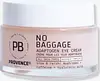
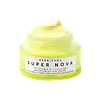
Provence Beauty No Baggage Adaptogen Eye Cream Versus Herbivore Super Nova 5% THD Vitamin C + Caffeine Brightening Eye Cream
This anti-aging eye moisturizer is formulated around Tremella Fuciformis Extract and Caffeine to soften the look of wrinkles and hydrate skin.
This brightening eye moisturizer is formulated around Tetrahexyldecyl Ascorbate and Caffeine to brighten dull-looking skin and fade the look of dark spots.

What's inside
What's inside
 Key Ingredients
Benefits
Concerns
Ingredients Side-by-side
Water
Skin ConditioningPropanediol
Solvent

Sodium Acrylates Copolymer
Tremella Fuciformis Extract
Humectant
Ganoderma Lucidum Extract
Skin Protecting
Caffeine
Skin Conditioning

Hyaluronic Acid
Humectant

Inonotus Obliquus Extract
Skin ConditioningAuricularia Auricula-Judae Extract
Skin ConditioningGrifola Frondosa Extract
Skin ConditioningNiacinamide
Smoothing






Morus Alba Extract
AstringentHelichrysum Stoechas Flower Extract
Perfuming
Pinus Pinaster Bark Extract
Antioxidant
Prunus Armeniaca Fruit Extract
Skin ConditioningTerminalia Ferdinandiana Fruit Extract
Antioxidant
Tocopherol
Antioxidant
Simmondsia Chinensis Seed Oil
Emollient


Melia Azadirachta Leaf Extract
Skin ConditioningFlower Extract
Chondrus Crispus Extract
Skin Conditioning

Betaine
Humectant
Coccinia Indica Fruit Extract
Skin Conditioning
Glycerin
Humectant
Pullulan
Lecithin
Emollient
Caprylic/Capric Triglyceride
Masking
Caprylhydroxamic Acid
Chelating1,2-Hexanediol
Skin Conditioning
Sodium Benzotriazolyl Butylphenol Sulfonate
UV AbsorberWater, Propanediol, Sodium Acrylates Copolymer, Tremella Fuciformis Extract, Ganoderma Lucidum Extract, Caffeine, Hyaluronic Acid, Inonotus Obliquus Extract, Auricularia Auricula-Judae Extract, Grifola Frondosa Extract, Niacinamide, Morus Alba Extract, Helichrysum Stoechas Flower Extract, Pinus Pinaster Bark Extract, Prunus Armeniaca Fruit Extract, Terminalia Ferdinandiana Fruit Extract, Tocopherol, Simmondsia Chinensis Seed Oil, Melia Azadirachta Leaf Extract, Flower Extract, Chondrus Crispus Extract, Betaine, Coccinia Indica Fruit Extract, Glycerin, Pullulan, Lecithin, Caprylic/Capric Triglyceride, Caprylhydroxamic Acid, 1,2-Hexanediol, Sodium Benzotriazolyl Butylphenol Sulfonate
Water
Skin ConditioningTetrahexyldecyl Ascorbate
Antioxidant
Butyrospermum Parkii Butter
Skin Conditioning
Triheptanoin
Skin ConditioningBis-Diglyceryl Polyacyladipate-2
Emollient
Coco-Caprylate/Caprate
Emollient
Propanediol
Solvent
Simmondsia Chinensis Seed Oil
Emollient
Cetearyl Olivate
Sorbitan Olivate
Emulsifying
Stearyl Stearate
Emollient
Polyglyceryl-6 Stearate
Emollient
Glycerin
Humectant
Sodium Stearoyl Glutamate
CleansingBehenyl Alcohol
Emollient
Caffeine
Skin Conditioning
Ganoderma Lucidum Extract
Skin Protecting
Curcuma Longa Root Extract
Antioxidant
Astragalus Membranaceus Root Extract
Emollient
Spilanthes Acmella Flower/Leaf/Stem Extract
AntimicrobialHyaluronic Acid
Humectant
Ubiquinone
Antioxidant
Carthamus Tinctorius Seed Oil
Masking
Sclerotium Gum
Emulsion StabilisingC9-12 Alkane
SolventPolyglyceryl-6 Polyricinoleate
Emulsifying
Sodium Levulinate
Skin ConditioningSodium Anisate
AntimicrobialMelia Azadirachta Flower Extract
Skin ConditioningPolyglyceryl-6 Behenate
Emulsion Stabilising
Melia Azadirachta Leaf Extract
Skin ConditioningOcimum Sanctum Leaf Extract
Skin ConditioningSodium Phytate
ChelatingOcimum Basilicum Flower/Leaf Extract
TonicTocopheryl Acetate
Antioxidant
Corallina Officinalis Extract
Skin Conditioning
Xanthan Gum
EmulsifyingBacillus Ferment
Skin Conditioning
Glyceryl Caprylate
EmollientCitric Acid
Buffering
Water, Tetrahexyldecyl Ascorbate, Butyrospermum Parkii Butter, Triheptanoin, Bis-Diglyceryl Polyacyladipate-2, Coco-Caprylate/Caprate, Propanediol, Simmondsia Chinensis Seed Oil, Cetearyl Olivate, Sorbitan Olivate, Stearyl Stearate, Polyglyceryl-6 Stearate, Glycerin, Sodium Stearoyl Glutamate, Behenyl Alcohol, Caffeine, Ganoderma Lucidum Extract, Curcuma Longa Root Extract, Astragalus Membranaceus Root Extract, Spilanthes Acmella Flower/Leaf/Stem Extract, Hyaluronic Acid, Ubiquinone, Carthamus Tinctorius Seed Oil, Sclerotium Gum, C9-12 Alkane, Polyglyceryl-6 Polyricinoleate, Sodium Levulinate, Sodium Anisate, Melia Azadirachta Flower Extract, Polyglyceryl-6 Behenate, Melia Azadirachta Leaf Extract, Ocimum Sanctum Leaf Extract, Sodium Phytate, Ocimum Basilicum Flower/Leaf Extract, Tocopheryl Acetate, Corallina Officinalis Extract, Xanthan Gum, Bacillus Ferment, Glyceryl Caprylate, Citric Acid
Reviews
Ingredients Explained
These ingredients are found in both products.
Ingredients higher up in an ingredient list are typically present in a larger amount.
Caffeine is a naturally occurring plant compound found in coffee beans, tea leaves, cocoa pods, and guarana.
As an antioxidant, caffeine protects your skin from free radical damage caused by UV exposure and envionrmnetal stressors.
Early research also shows that caffeine can help calm redness, soothe irritated skin, and support hair growth by stimulating microcirculation in the scalp.
You might have seen eye creams marketing caffeine as a depuffing ingredient. This is because it is a vasoconstrictor meaning it can temporarily constrict blood vessels, though clinical evidence for this specific use is still limited.
Most skincare products contain this ingredient at concentrations between 1-6%. It is able to penetrate skin easily regardless of skin type or thickness.
Just so you know, a very small number of case reports describe caffeine-induced allergy. This ingredient is generally well-tolerated, non-irritating, and non-sensitizing for the majority of people.
Learn more about CaffeineThis is the extract of the Reishi mushroom.
The Reishi mushroom has antioxidant, anti-inflammatory, and antimicrobial properties.
This is due to its content of terpenoids, polysaccharides, macronutrients, and phenolic acids.
Learn more about Ganoderma Lucidum ExtractGlycerin (or glycerol) is a compound naturally found in your skin. It's a powerhouse humectant that pulls water into the stratum corneum.
Topically, glycerin does several things at once:
Your skin makes glycerin on its own (mostly from sebaceous oil breakdown) and shuttles it to your outermost layer of skin, or your epidermis, via aquaporin-3.
Aquaporin-3 is a transporter that is essential for normal skin hydration, elasticity, and repair. Interestingly, mice lacking in AQP3 have dry and less elastic skin that can be fully corrected with glycerin.
This ingredient is non-irritating, plays well with almost every ingredient, and works across all skin types. Typical use is anywhere between 3-10% but can go up to 79% in some leave-on products.
Just know very high concentrations (>40%) can feel tacky in low humidity.
Glycerin is the name for this ingredient in American English. British English uses Glycerol/Glycerine.
Learn more about GlycerinHyaluronic acid (HA) is a glycosaminoglycan (basically a long sugar chain) that your skin already makes on its own. In your skin, HA lives in the extracellular matrix and acts as the body's moisture reservoir.
Topically, HA is a humectant that binds water and helps skin look more plump, smooth, and hydrated.
The only catch is that HA isn't a single thing; it actually comes in a wide range of molecular weights (~50 - 2,000+ kDA) and size matters.
Some clinical evidence links low molecular weight versions to improved wrinkle depth, elasticity, anti-inflammatory effects, and barrier repair.
This is why the best HA serums blend the two sizes together so you get the best of both worlds.
The majority of cosmetic HA is produced by bacterial fermentation, typically using Streptococcus or Bacillus strains. Typical use levels in skincare sit around 0.1-2%.
A clinical study using a 0.2% low-molecular weight HA gel showed improvement in facial seborrheic dermatitis with excellent tolerance.
These are some other common types of Hyaluronic Acid:
Learn more about Hyaluronic AcidThis ingredient is also known as neem leaf extract. It contains natural compounds like nimbidin, quercetin, and other polyphenols that give it antibacterial, antifungal, and anti-inflammatory activity.
Lab studies have shown neem leaf extract can inhibit acne-related bacteria and help calm skin. Animal studies on wound gels using 1-3% neem leaf extract found it sped up healing without causing irritation.
A wound-healing study testing gels with the extract at 1%, 2%, and 3% concentrations and found none of them irritated the skin.
Most commercial products also use it in a similar low range (typically under 5%).
Allergy-wise, there are some case reports on neem oil causing allergic contact dermatitis so people with plant/botanical sensitivities may want to patch test first.
Learn more about Melia Azadirachta Leaf ExtractPropanediol is an all-star ingredient. It softens, hydrates, and smooths the skin.
It’s often used to:
Propanediol is not likely to cause sensitivity and considered safe to use. It is derived from corn or petroleum with a clear color and no scent.
Learn more about PropanediolJojoba oil is one of the most well-studied plant-derived ingredients in cosmetics. It is an emollient with a special structure.
Because it is made up of 97-98% wax esters, it closely mirrors the linear monoesters found in human sebum. This makes it skin compatible, non-greasy, and lightweight.
Unlike other plant oils, jojoba wax doesn't easily penetrate skin. It mostly works in the uppermost layers as an emollient. This just means it forms a light barrier on the skin to help retain moisture.
Formulations with jojoba esters up to 90% reduced transepidermal water loss (TEWL) and increased barrier recovery by 81% (outperforming bisabolol at 47%).
Besides barrier support, the science also suggests jojoba to have anti-inflammatory effects and potential applications for skin infections, aging, and wound healing.
Fun fact: Indigenous cultures have used jojoba as a moisturizer and to help treat burns for centuries.
Fungal acne: The Malassezia yeast is known to metabolize fatty acids in the C11-24 range and jojoba's dominant fatty acid components fall into this range. This ingredient may not be fungal acne safe.
Learn more about Simmondsia Chinensis Seed OilWater. It's the most common cosmetic ingredient of all. You'll usually see it at the top of ingredient lists, meaning that it makes up the largest part of the product.
So why is it so popular? Water most often acts as a solvent - this means that it helps dissolve other ingredients into the formulation.
You'll also recognize water as that liquid we all need to stay alive. If you see this, drink a glass of water. Remember to stay hydrated!
Learn more about Water

