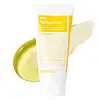
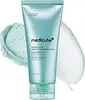
This salicylic acid foaming cleanser is formulated around Salicylic Acid to clear breakouts and unclog pores.

What's inside
What's inside
 Key Ingredients
Benefits
Concerns
Ingredients Side-by-side
Water
Skin ConditioningHippophae Rhamnoides Water 24%
Masking
Glycerin
Humectant


Cocamidopropyl Betaine
Cleansing



Sodium Laureth Sulfate
Cleansing

Acrylates Copolymer
Arginine
Masking
Polysorbate 20
Emulsifying
Sodium Chloride
Masking1,2-Hexanediol
Skin Conditioning
PEG-6 Caprylic/Capric Glycerides
EmulsifyingPEG-120 Methyl Glucose Dioleate
Emulsifying
Caprylyl Glycol
Emollient
Butylene Glycol
Humectant
Citric Acid
Buffering

Ethylhexylglycerin
Skin ConditioningAscorbic Acid
Antioxidant




Glutathione

Gluconolactone
Skin Conditioning



Niacinamide
Smoothing

Citrus Limon Peel Extract
EmollientGinkgo Biloba Nut Extract
Skin ConditioningPunica Granatum Fruit Extract
Antioxidant
Morus Alba Fruit Extract
Antioxidant
Ficus Carica Fruit Extract
Humectant
Calcium Pantothenate
Sodium Starch Octenylsuccinate
AbsorbentMaltodextrin
Absorbent
Thymus Vulgaris Extract
Perfuming
Origanum Vulgare Flower/Leaf/Stem Extract
Skin ConditioningRosmarinus Officinalis Extract
AntimicrobialLavandula Angustifolia Extract
Skin Conditioning
Caprylic/Capric Triglyceride
Masking
Hydrogenated Lecithin
Emulsifying
Sodium Ascorbyl Phosphate
Antioxidant
Hyacinthus Orientalis Extract
Skin ConditioningPolyglyceryl-10 Diisostearate
Emulsifying
Salvia Sclarea Extract
AntiseborrhoeicCentaurea Cyanus Flower Extract
Astringent
Borago Officinalis Extract
Emollient
Chamomilla Recutita Flower Extract
Masking
Citrus Limon Fruit Extract
Masking
Lavandula Angustifolia Flower Extract
Cleansing
Pyridoxine Hcl
Skin ConditioningPolyglyceryl-10 Stearate
Skin Conditioning
Tocopheryl Acetate
Antioxidant
Collagen
Moisturising
Panthenol
Skin Conditioning
Menadione
MaskingCollagen Extract
Skin Conditioning
Silica
Abrasive
Potassium Sorbate
Preservative
Pyridoxine
Skin ConditioningFolic Acid
Skin ConditioningBiotin
AntiseborrhoeicTocopherol
Antioxidant
Cyanocobalamin
Skin ConditioningThiamine Hcl
MaskingBeta-Carotene
Skin ConditioningRiboflavin
Cosmetic ColorantLinoleic Acid
Cleansing
CI 15985
Cosmetic ColorantCI 19140
Cosmetic ColorantParfum
Masking
Water, Hippophae Rhamnoides Water 24%, Glycerin, Cocamidopropyl Betaine, Sodium Laureth Sulfate, Acrylates Copolymer, Arginine, Polysorbate 20, Sodium Chloride, 1,2-Hexanediol, PEG-6 Caprylic/Capric Glycerides, PEG-120 Methyl Glucose Dioleate, Caprylyl Glycol, Butylene Glycol, Citric Acid, Ethylhexylglycerin, Ascorbic Acid, Glutathione, Gluconolactone, Niacinamide, Citrus Limon Peel Extract, Ginkgo Biloba Nut Extract, Punica Granatum Fruit Extract, Morus Alba Fruit Extract, Ficus Carica Fruit Extract, Calcium Pantothenate, Sodium Starch Octenylsuccinate, Maltodextrin, Thymus Vulgaris Extract, Origanum Vulgare Flower/Leaf/Stem Extract, Rosmarinus Officinalis Extract, Lavandula Angustifolia Extract, Caprylic/Capric Triglyceride, Hydrogenated Lecithin, Sodium Ascorbyl Phosphate, Hyacinthus Orientalis Extract, Polyglyceryl-10 Diisostearate, Salvia Sclarea Extract, Centaurea Cyanus Flower Extract, Borago Officinalis Extract, Chamomilla Recutita Flower Extract, Citrus Limon Fruit Extract, Lavandula Angustifolia Flower Extract, Pyridoxine Hcl, Polyglyceryl-10 Stearate, Tocopheryl Acetate, Collagen, Panthenol, Menadione, Collagen Extract, Silica, Potassium Sorbate, Pyridoxine, Folic Acid, Biotin, Tocopherol, Cyanocobalamin, Thiamine Hcl, Beta-Carotene, Riboflavin, Linoleic Acid, CI 15985, CI 19140, Parfum
Water
Skin ConditioningGlycerin
Humectant
Sodium Cocoyl Glycinate
Cleansing
Sodium Lauroyl Glutamate
SurfactantLauryl Hydroxysultaine
CleansingCoco-Glucoside
Cleansing
Decyl Glucoside
Cleansing
1,2-Hexanediol
Skin Conditioning
Niacinamide
Smoothing
Sodium Chloride
MaskingCaprylyl Glycol
Emollient
Citric Acid
Buffering
Hydroxypropyl Starch Phosphate
Acrylates/C10-30 Alkyl Acrylate Crosspolymer
Emulsion StabilisingSilica
Abrasive
Polyquaternium-67
Salicylic Acid
Masking
Melaleuca Alternifolia Leaf Oil
Antioxidant

Zea Mays Starch
Absorbent
Dextrin
AbsorbentMannitol
Humectant
Microcrystalline Cellulose
AbsorbentGardenia Florida Fruit Extract
Skin ConditioningDisodium EDTA
CI 77288
Cosmetic ColorantCI 77007
Cosmetic ColorantCI 77289
Cosmetic ColorantTocopheryl Acetate
Antioxidant
Hydrogenated Lecithin
Emulsifying
Allantoin
Skin Conditioning
Dipeptide-15
Skin Conditioning
Gluconolactone
Skin Conditioning
Panthenol
Skin Conditioning
Glycolic Acid
Buffering
Butylene Glycol
Humectant
Caprylic/Capric Triglyceride
Masking
Ceramide NP
Skin Conditioning
Adansonia Digitata Seed Oil
Emollient
Azelaic Acid
Buffering
Centella Asiatica Leaf Extract
Skin Conditioning
Tocopherol
Antioxidant
Ceramide As
Skin Conditioning
Ceramide Ns
Skin Conditioning
Dimethylsilanol Hyaluronate
Humectant
Hydrolyzed Hyaluronic Acid
Humectant
Hydrolyzed Sodium Hyaluronate
Skin Conditioning
Sodium Hyaluronate
Humectant
Ceramide AP
Skin Conditioning
Ceramide EOP
Skin Conditioning
Hyaluronic Acid
Humectant
Melaleuca Alternifolia Leaf Extract
Perfuming
Potassium Hyaluronate
Skin ConditioningHydroxypropyltrimonium Hyaluronate
Sodium Hyaluronate Crosspolymer
Humectant
Sodium Hyaluronate Dimethylsilanol
HumectantSodium Acetylated Hyaluronate
Humectant
Carthamus Tinctorius Flower Extract
Skin ConditioningCastanea Crenata Shell Extract
Skin ConditioningCoffea Arabica Seed Extract
Masking
Diospyros Kaki Leaf Extract
Skin Protecting
Polygonum Cuspidatum Extract
Skin ConditioningAsiaticoside
Antioxidant
Madecassoside
Antioxidant
Asiatic Acid
Skin Conditioning
Madecassic Acid
Skin Conditioning
Water, Glycerin, Sodium Cocoyl Glycinate, Sodium Lauroyl Glutamate, Lauryl Hydroxysultaine, Coco-Glucoside, Decyl Glucoside, 1,2-Hexanediol, Niacinamide, Sodium Chloride, Caprylyl Glycol, Citric Acid, Hydroxypropyl Starch Phosphate, Acrylates/C10-30 Alkyl Acrylate Crosspolymer, Silica, Polyquaternium-67, Salicylic Acid, Melaleuca Alternifolia Leaf Oil, Zea Mays Starch, Dextrin, Mannitol, Microcrystalline Cellulose, Gardenia Florida Fruit Extract, Disodium EDTA, CI 77288, CI 77007, CI 77289, Tocopheryl Acetate, Hydrogenated Lecithin, Allantoin, Dipeptide-15, Gluconolactone, Panthenol, Glycolic Acid, Butylene Glycol, Caprylic/Capric Triglyceride, Ceramide NP, Adansonia Digitata Seed Oil, Azelaic Acid, Centella Asiatica Leaf Extract, Tocopherol, Ceramide As, Ceramide Ns, Dimethylsilanol Hyaluronate, Hydrolyzed Hyaluronic Acid, Hydrolyzed Sodium Hyaluronate, Sodium Hyaluronate, Ceramide AP, Ceramide EOP, Hyaluronic Acid, Melaleuca Alternifolia Leaf Extract, Potassium Hyaluronate, Hydroxypropyltrimonium Hyaluronate, Sodium Hyaluronate Crosspolymer, Sodium Hyaluronate Dimethylsilanol, Sodium Acetylated Hyaluronate, Carthamus Tinctorius Flower Extract, Castanea Crenata Shell Extract, Coffea Arabica Seed Extract, Diospyros Kaki Leaf Extract, Polygonum Cuspidatum Extract, Asiaticoside, Madecassoside, Asiatic Acid, Madecassic Acid
Ingredients Explained
These ingredients are found in both products.
Ingredients higher up in an ingredient list are typically present in a larger amount.
1,2-Hexanediol is a synthetic liquid and another multi-functional powerhouse.
It is a:
- Humectant, drawing moisture into the skin
- Emollient, helping to soften skin
- Solvent, dispersing and stabilizing formulas
- Preservative booster, enhancing the antimicrobial activity of other preservatives
Butylene Glycol (or BG) is used within cosmetic products for a few different reasons:
Overall, Butylene Glycol is a safe and well-rounded ingredient that works well with other ingredients.
Though this ingredient works well with most skin types, some people with sensitive skin may experience a reaction such as allergic rashes, closed comedones, or itchiness.
Learn more about Butylene GlycolCaprylic/Capric Triglyceride (aka MCT Oil) is a lightweight emollient, solvent, and texture enhancer. It is considered a skin-softener by helping to prevent moisture loss.
Though it behaves like an oil, it is not technically one due to its chemical composition. One perk of this ingredient is that it is very stable, resistant to oxidation, and unlikely to go rancid.
In practice, that translates to a long shelf life and a consistently elegant skin feel.
While there is an assumption Caprylic Triglyceride can clog pores due to it being derived from coconut oil, there is no research supporting this. Just patch test if you have concerns.
Fractionated coconut oil and MCT Oil are both listed as Caprylic/Capric Triglyceride according to INCI. This is because INCI names are based on the ingredient’s final chemical composition and not its marketing name or source.
This ingredient is treated as the gold standard fungal acne safe oil. Even though it is coconut derived, the problematic lauric acid is stripped out.
This leaves just caprylic (C8) and capric (C10) acid. These chain lengths actually trend antifungal; a 2020 study found caprylic acid was enough to disrupt Malassezia furfur cell membrane, with a caprylic acid derivative damaging membrane structures at concentrations as low as 0.2%.
Learn more about Caprylic/Capric TriglycerideCaprylyl Glycol is a humectant, skin conditioner, emollient, and preservative booster derived from either caprylic acid or synthetically created.
Typical use levels vary from 0.3-1% as a preservative booster and go up to 2% to condition skin.
Because it is not a free-fatty acid, this ingredient is fungal acne safe (there's nothing for Malassezia to feed on).
Learn more about Caprylyl GlycolCitric Acid is an alpha hydroxy acid (AHA) naturally found in citrus fruits like oranges, lemons, and limes.
Like other AHAs, citric acid can exfoliate skin by breaking down the bonds that hold dead skin cells together. This helps reveal smoother and brighter skin underneath.
However, this exfoliating effect only happens at high concentrations (20%) which can be hard to find in cosmetic products.
Due to this, citric acid is usually included in small amounts as a pH adjuster. This helps keep products slightly more acidic and compatible with skin's natural pH.
In skincare formulas, citric acid can:
While it can provide some skin benefits, research shows lactic acid and glycolic acid are generally more effective and less irritating exfoliants.
Most citric acid used in skincare today is made by fermenting sugars (usually from molasses). This synthetic version is identical to the natural citrus form but easier to stabilize and use in formulations.
Rosacea skin has a lower threshold for acids generally, with 62.5% of rosacea subjects in one study reacting to lactic acid in a sting test. This is why we mark citric acid as a potential rosacea trigger.
However, this ingredient shows up as a pH adjuster or chelator at roughly 0.1-1% in many products. These low levels are unlikely to be an issue for rosacea skin and becomes a potential trigger at exfoliating concentrations (20%). Because everybody's skin is unique, we recommend a patch test if you are unsure.
Learn more about Citric AcidGluconolactone is a PHA. PHAs are a great gentle alternative to traditional AHAs.
When applied, Gluconolactone has the same affect on skin as AHAs such as lactic acid. It helps dissolve the dead skin cells in the top layer of your skin. This improves texture and brightens the skin.
PHAs are more gentle than AHAs due to their larger structure. They do not penetrate as deeply as AHAs and take a longer time to dissolve dead cells. Studies show PHAs do not cause as much irritation.
Gluconolactone has some interesting properties:
In a 2004 study, Gluconolactone was found to prevent UV damage in mouse skin cells and has not been found to increase sun sensitivity. However, we still recommend wearing SPF daily.
This ingredient is is an created by reacting gluconic acid with an alcohol.
Learn more about GluconolactoneGlycerin (or glycerol) is a compound naturally found in your skin. It's a powerhouse humectant that pulls water into the stratum corneum.
Topically, glycerin does several things at once:
Your skin makes glycerin on its own (mostly from sebaceous oil breakdown) and shuttles it to your outermost layer of skin, or your epidermis, via aquaporin-3.
Aquaporin-3 is a transporter that is essential for normal skin hydration, elasticity, and repair. Interestingly, mice lacking in AQP3 have dry and less elastic skin that can be fully corrected with glycerin.
This ingredient is non-irritating, plays well with almost every ingredient, and works across all skin types. Typical use is anywhere between 3-10% but can go up to 79% in some leave-on products.
Just know very high concentrations (>40%) can feel tacky in low humidity.
Glycerin is the name for this ingredient in American English. British English uses Glycerol/Glycerine.
Learn more about GlycerinHydrogenated Lecithin is a more stable version of lecithin.
It's made by taking lecithin (a phospholipid commonly found in soybeans and egg yolks) and hydrogenating it. This just means the unsaturated fatty acids are turned into saturated ones so they don't go bad as easily.
This ingredient is an emollient, emulsifier, and penetration enhancer. As an emollient, it helps soften and hydrate skin by trapping moisture within. As an emulsifier, it prevents oil and water ingredients from separating.
Hydrogenated Lecithin can form tiny spherical structures made of phospholipid bilayers called liposomes. These liposomes are able to capture compounds inside their structure and deliver them through the skin barrier.
Because phospholipids are a natural component of our cell membranes, this ingredient is inherently compatible with skin.
A 2021 study found lecithin-based surfactants were less harsh and more tolerable comared to Sodium Lauryl Sulfate (SLS).
Learn more about Hydrogenated LecithinNiacinamide is a multitasking form of vitamin B3 that strengthens the skin barrier, reduces pores and dark spots, regulates oil, and improves signs of aging.
And the best part? It's gentle and well-tolerated by most skin types, including sensitive and reactive skin.
You might have heard of "niacin flush", or the reddening of skin that causes itchiness. Niacinamide has not been found to cause this.
In very rare cases, some individuals may not be able to tolerate niacinamide at all or experience an allergic reaction to it.
If you are experiencing flaking, irritation, and dryness with this ingredient, be sure to double check all your products as this ingredient can be found in all categories of skincare.
When incorporating niacinamide into your routine, look out for concentration amounts. Typically, 5% niacinamide provides benefits such as fading dark spots. However, if you have sensitive skin, it is better to begin with a smaller concentration.
When you apply niacinamide to your skin, your body converts it into nicotinamide adenine dinucleotide (NAD). NAD is an essential coenzyme that is already found in your cells as "fuel" and powers countless biological processes.
In your skin, NAD helps repair cell damage, produce new healthy cells, support collagen production, strengthen the skin barrier, and fight environmental stressors (like UV and pollution).
Our natural NAD levels start to decline with age, leading to slower skin repair, visible aging, and a weaker skin barrier. By providing your skin niacinamide, you're recharging your skin's NAD levels. This leads to stronger, healthier, and younger looking skin.
Another name for vitamin B3 is nicotinamide. This vitamin is water-soluble and our bodies don't store it. We obtain Vitamin B3 from either food or skincare. Meat, fish, wheat, yeast, and leafy greens contain vitamin B3.
The type of niacinamide used in skincare is synthetically created.
Learn more about NiacinamidePanthenol is a common ingredient that helps hydrate and soothe the skin. It is found naturally in our skin and hair.
There are two forms of panthenol: D and L.
D-panthenol is also known as dexpanthenol. Most cosmetics use dexpanthenol or a mixture of D and L-panthenol.
Panthenol is famous due to its ability to go deeper into the skin's layers. Using this ingredient has numerous pros (and no cons):
Like hyaluronic acid, panthenol is a humectant. Humectants are able to bind and hold large amounts of water to keep skin hydrated.
This ingredient works well for wound healing. It works by increasing tissue in the wound and helps close open wounds.
Once oxidized, panthenol converts to pantothenic acid. Panthothenic acid is found in all living cells.
This ingredient is also referred to as pro-vitamin B5.
Learn more about PanthenolSilica, also known as silicon dioxide, is a naturally occurring mineral. It is used as a fine, spherical, and porous powder in cosmetics.
Though it has exfoliant properties, the function of silica varies depending on the product.
The unique structure of silica enhances the spreadability and adds smoothness, making it a great texture enhancer.
It is also used as an active carrier, emulsifier, and mattifier due to its ability to absorb excess oil.
In some products, tiny microneedles called spicules are made from silica or hydrolyzed sponge. When you rub them in, they lightly polish away dead skin layers and enhance the penetration of active ingredients.
Learn more about SilicaChances are, you eat sodium chloride every day. Sodium Chloride is also known as table salt. This ingredient has many purposes in skincare: thickener, emulsifier, and exfoliator.
You'll most likely find this ingredient in cleansers where it is used to create a gel-like texture. As an emulsifier, it also prevents ingredients from separating.
You might see people debate whether Sodium Chloride is comedogenic, but there actually haven't been any comedogenic tests done on it. Either way, the overall formulation of a product matters a lot more than any single ingredient.
You might see this ingredient used in scrubs as a primary exfoliating ingredient.
Learn more about Sodium ChlorideTocopherol is a fat-soluble antioxidant known as Vitamin E.
You'll find this ingredient in the vast majority of skincare (for good reason). It works to neutralize free radicals, or unstable molecules generated by UV exposure, pollution, and other environmental stressors, before they can cause oxidative damage to your skin cells.
Topically applied tocopherol has been shown to protect against UV damage by ramping up the skin's own natural defense enzymes.
It also acts as a skin conditioning agent; some studies show that regular topical use can improve the skin's water-binding capacity over 2-4 weeks.
This ingredient is especially loved for being a team player. When combined with Vitamin C, the photoprotective effect of both ingredients roughly doubles and the combo also helps reduce UV-induced DNA damage.
This ingredient has some brightening potential but it's more of a prevention ingredient than spot-fader. Cell studies show it can slow down melanin production but it's worth noting that it's not the most powerful brightener out there.
In formulations, it also serves as a stabilizer that helps protect other oxidation-prone ingredients from degrading.
Concentrations usually range from 0.1-1% in most leave-on products.
Learn more about TocopherolTocopheryl Acetate is a stable, shelf-friendly form of vitamin E.
Formulators love it because plain vitamin E oxidizes quickly once it hits air. This acetate version stays stable and resists going off, helping to extend a product's shelf life.
It's actually inactive on its own and works like a slow-release "storage" form; the enzymes in your skin called esterases gradually convert it into active vitamin E over time.
One in vivo study showed 5% of the acetate in the living layer of the epidermis converted to vitamin E after 5 days of application. This study also found the skin gained protection against UV damage even though the conversion was slow and small.
Once converted, vitamin E acts as a skin's main fat-soluble antioxidant that fights free radicals to protect skin from damage.
Topical vitamin E generally boosts the skin's photoprotection, and it reduced UV-damage in animal models.
This ingredient has some brightening potential but it's more of a prevention ingredient than spot-fader. Cell studies show it can slow down melanin production but it's worth noting that it's not the most powerful brightener out there.
Overall, it has a pretty solid safety profile and has been found to be non-irritating and non-comedogenic. Allergic reactions may happen but stay rare due to how widely the ingredient gets used.
The concentration will vary depending on the formula; industry data shows 0.1% in baby lotions, 3% in lipsticks, and 5% in foot powders. You can also find this ingredient at 100% in a pure vitamin E oil.
Most leave-on skincare keeps it at the lower end, often between 0.5-1%.
Learn more about Tocopheryl AcetateWater. It's the most common cosmetic ingredient of all. You'll usually see it at the top of ingredient lists, meaning that it makes up the largest part of the product.
So why is it so popular? Water most often acts as a solvent - this means that it helps dissolve other ingredients into the formulation.
You'll also recognize water as that liquid we all need to stay alive. If you see this, drink a glass of water. Remember to stay hydrated!
Learn more about Water

