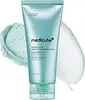
This salicylic acid foaming cleanser is formulated around Salicylic Acid to clear breakouts and unclog pores.
This wash off mask is formulated around Salicylic Acid to clear breakouts and unclog pores.

What's inside
What's inside
 Key Ingredients
Benefits
Concerns
Ingredients Side-by-side
Water
Skin ConditioningGlycerin
Humectant


Sodium Cocoyl Glycinate
Cleansing
Sodium Lauroyl Glutamate
SurfactantLauryl Hydroxysultaine
CleansingCoco-Glucoside
Cleansing
Decyl Glucoside
Cleansing
1,2-Hexanediol
Skin Conditioning
Niacinamide
Smoothing









Sodium Chloride
MaskingCaprylyl Glycol
Emollient
Citric Acid
Buffering

Hydroxypropyl Starch Phosphate
Acrylates/C10-30 Alkyl Acrylate Crosspolymer
Emulsion StabilisingSilica
Abrasive
Polyquaternium-67
Salicylic Acid
Masking




Melaleuca Alternifolia Leaf Oil
Antioxidant



Zea Mays Starch
Absorbent
Dextrin
AbsorbentMannitol
Humectant
Microcrystalline Cellulose
AbsorbentGardenia Florida Fruit Extract
Skin ConditioningDisodium EDTA
CI 77288
Cosmetic ColorantCI 77007
Cosmetic ColorantCI 77289
Cosmetic ColorantTocopheryl Acetate
Antioxidant
Hydrogenated Lecithin
Emulsifying
Allantoin
Skin Conditioning
Dipeptide-15
Skin Conditioning
Gluconolactone
Skin Conditioning
Panthenol
Skin Conditioning
Glycolic Acid
Buffering
Butylene Glycol
Humectant
Caprylic/Capric Triglyceride
Masking
Ceramide NP
Skin Conditioning
Adansonia Digitata Seed Oil
Emollient
Azelaic Acid
Buffering
Centella Asiatica Leaf Extract
Skin Conditioning
Tocopherol
Antioxidant
Ceramide As
Skin Conditioning
Ceramide Ns
Skin Conditioning
Dimethylsilanol Hyaluronate
Humectant
Hydrolyzed Hyaluronic Acid
Humectant
Hydrolyzed Sodium Hyaluronate
Skin Conditioning
Sodium Hyaluronate
Humectant
Ceramide AP
Skin Conditioning
Ceramide EOP
Skin Conditioning
Hyaluronic Acid
Humectant
Melaleuca Alternifolia Leaf Extract
Perfuming
Potassium Hyaluronate
Skin ConditioningHydroxypropyltrimonium Hyaluronate
Sodium Hyaluronate Crosspolymer
Humectant
Sodium Hyaluronate Dimethylsilanol
HumectantSodium Acetylated Hyaluronate
Humectant
Carthamus Tinctorius Flower Extract
Skin ConditioningCastanea Crenata Shell Extract
Skin ConditioningCoffea Arabica Seed Extract
Masking
Diospyros Kaki Leaf Extract
Skin Protecting
Polygonum Cuspidatum Extract
Skin ConditioningAsiaticoside
Antioxidant
Madecassoside
Antioxidant
Asiatic Acid
Skin Conditioning
Madecassic Acid
Skin Conditioning
Water, Glycerin, Sodium Cocoyl Glycinate, Sodium Lauroyl Glutamate, Lauryl Hydroxysultaine, Coco-Glucoside, Decyl Glucoside, 1,2-Hexanediol, Niacinamide, Sodium Chloride, Caprylyl Glycol, Citric Acid, Hydroxypropyl Starch Phosphate, Acrylates/C10-30 Alkyl Acrylate Crosspolymer, Silica, Polyquaternium-67, Salicylic Acid, Melaleuca Alternifolia Leaf Oil, Zea Mays Starch, Dextrin, Mannitol, Microcrystalline Cellulose, Gardenia Florida Fruit Extract, Disodium EDTA, CI 77288, CI 77007, CI 77289, Tocopheryl Acetate, Hydrogenated Lecithin, Allantoin, Dipeptide-15, Gluconolactone, Panthenol, Glycolic Acid, Butylene Glycol, Caprylic/Capric Triglyceride, Ceramide NP, Adansonia Digitata Seed Oil, Azelaic Acid, Centella Asiatica Leaf Extract, Tocopherol, Ceramide As, Ceramide Ns, Dimethylsilanol Hyaluronate, Hydrolyzed Hyaluronic Acid, Hydrolyzed Sodium Hyaluronate, Sodium Hyaluronate, Ceramide AP, Ceramide EOP, Hyaluronic Acid, Melaleuca Alternifolia Leaf Extract, Potassium Hyaluronate, Hydroxypropyltrimonium Hyaluronate, Sodium Hyaluronate Crosspolymer, Sodium Hyaluronate Dimethylsilanol, Sodium Acetylated Hyaluronate, Carthamus Tinctorius Flower Extract, Castanea Crenata Shell Extract, Coffea Arabica Seed Extract, Diospyros Kaki Leaf Extract, Polygonum Cuspidatum Extract, Asiaticoside, Madecassoside, Asiatic Acid, Madecassic Acid
Water
Skin ConditioningKaolin
Abrasive
Bentonite
Absorbent
Methylpropanediol
Solvent1,2-Hexanediol
Skin Conditioning
Xanthan Gum
EmulsifyingTetrasodium Pyrophosphate
BufferingCI 77510
Cosmetic ColorantMagnesium Aluminum Silicate
Absorbent
Sodium Hyaluronate
Humectant
Caprylyl Glycol
Emollient
Cellulose
Absorbent
Chlorella Vulgaris Extract
Skin ConditioningGlucose
Humectant
Butylene Glycol
Humectant
Allantoin
Skin Conditioning
Caffeine
Skin Conditioning
Fructooligosaccharides
Humectant
Fructose
Humectant
Limonene
Perfuming
Ethylhexylglycerin
Skin ConditioningCitrus Aurantium Bergamia Fruit Oil
Masking
Sodium Phytate
Citrus Limon Peel Oil
Masking
Citrus Aurantium Dulcis Peel Oil
Masking
Cynanchum Atratum Extract
Skin ConditioningAlthaea Rosea Flower Extract
Skin ConditioningTocopherol
Antioxidant
Canadian Colloidal Clay
Skin ConditioningGluconolactone
Skin Conditioning
Guaiazulene
Antimicrobial
Salicylic Acid
Masking
Glycolic Acid
Buffering
Pentylene Glycol
Skin Conditioning
Montmorillonite
AbsorbentIllite
Abrasive
Methyl Diisopropyl Propionamide
MaskingOenothera Biennis Flower Extract
AstringentPinus Palustris Leaf Extract
TonicPueraria Lobata Root Extract
HumectantUlmus Davidiana Root Extract
Skin Conditioning
Diospyros Kaki Leaf Extract
Skin Protecting
Vitis Vinifera Fruit Extract
Skin ConditioningCarthamus Tinctorius Flower Extract
Skin ConditioningCoffea Arabica Seed Extract
Masking
Polygonum Cuspidatum Root Extract
Antioxidant
Camellia Sinensis Leaf Extract
Antimicrobial
Castanea Crenata Shell Extract
Skin ConditioningZanthoxylum Piperitum Fruit Extract
Skin ConditioningCopper Tripeptide-1
Skin Conditioning
Water, Kaolin, Bentonite, Methylpropanediol, 1,2-Hexanediol, Xanthan Gum, Tetrasodium Pyrophosphate, CI 77510, Magnesium Aluminum Silicate, Sodium Hyaluronate, Caprylyl Glycol, Cellulose, Chlorella Vulgaris Extract, Glucose, Butylene Glycol, Allantoin, Caffeine, Fructooligosaccharides, Fructose, Limonene, Ethylhexylglycerin, Citrus Aurantium Bergamia Fruit Oil, Sodium Phytate, Citrus Limon Peel Oil, Citrus Aurantium Dulcis Peel Oil, Cynanchum Atratum Extract, Althaea Rosea Flower Extract, Tocopherol, Canadian Colloidal Clay, Gluconolactone, Guaiazulene, Salicylic Acid, Glycolic Acid, Pentylene Glycol, Montmorillonite, Illite, Methyl Diisopropyl Propionamide, Oenothera Biennis Flower Extract, Pinus Palustris Leaf Extract, Pueraria Lobata Root Extract, Ulmus Davidiana Root Extract, Diospyros Kaki Leaf Extract, Vitis Vinifera Fruit Extract, Carthamus Tinctorius Flower Extract, Coffea Arabica Seed Extract, Polygonum Cuspidatum Root Extract, Camellia Sinensis Leaf Extract, Castanea Crenata Shell Extract, Zanthoxylum Piperitum Fruit Extract, Copper Tripeptide-1
Ingredients Explained
These ingredients are found in both products.
Ingredients higher up in an ingredient list are typically present in a larger amount.
1,2-Hexanediol is a synthetic liquid and another multi-functional powerhouse.
It is a:
- Humectant, drawing moisture into the skin
- Emollient, helping to soften skin
- Solvent, dispersing and stabilizing formulas
- Preservative booster, enhancing the antimicrobial activity of other preservatives
Allantoin is a soothing ingredient known for its protective and moisturizing properties; it's basically a quiet workhorse ingredient you can find in a huge range of cosmetics.
Though it can be derived from the comfrey plant, allantoin is produced synthetically for cosmetic products to ensure purity.
Research shows it can encourage your skin cells to turn over and renew by stimulating keratinocyte and fibroblast proliferation.
It also has mild keratolytic properties to help loosen and shed dead skin cells without being harsh.
Studies also suggest allantoin can help calm inflammation by dialing down some of the chemical signals your skin sends out when it is irritated.
This ingredient is typically used in the 0.1-0.5% range, and the FDA recognizes it as a skin protectant in OTC products up to 2%.
Overall, allantoin is a wonderful addition to most routines; it is stable across a wide pH range (~4-8), works well with other ingredients, and is considered non-sensitizing/non-irritating.
Fun fact: Allantoin is naturally occurring in comfrey root, beets, chamomile, and wheat sprouts. Our bodies even produce it as a byproduct of uric acid metabolism.
Learn more about AllantoinButylene Glycol (or BG) is used within cosmetic products for a few different reasons:
Overall, Butylene Glycol is a safe and well-rounded ingredient that works well with other ingredients.
Though this ingredient works well with most skin types, some people with sensitive skin may experience a reaction such as allergic rashes, closed comedones, or itchiness.
Learn more about Butylene GlycolCaprylyl Glycol is a humectant, skin conditioner, emollient, and preservative booster derived from either caprylic acid or synthetically created.
Typical use levels vary from 0.3-1% as a preservative booster and go up to 2% to condition skin.
Because it is not a free-fatty acid, this ingredient is fungal acne safe (there's nothing for Malassezia to feed on).
Learn more about Caprylyl GlycolThis ingredient comes from the safflower plant. It has skin conditioning properties and offers antioxidant support.
Most research for this ingredient is preclinical, meaning its done on cell cultures or animal models. These studies suggest compounds found in safflower can reduce oxidative markers and inflammatory gene expression under stress conditions.
A few studies show topical products containing safflower extracts might improve elasticity, hydration, and wrinkle appearance. However, replication and formulation-specific details are needed to confirm these effects broadly.
People with Asteraceae allergies (marigold, chamomile) may react to safflower extracts. Be sure to patch test.
Learn more about Carthamus Tinctorius Flower ExtractCastanea Crenata Shell Extract comes from the shell of the chestnut.
Studies show chestnut shells to have antioxidant and anti-inflammatory properties.
Antioxidants protect your skin against damaging molecules. This may help reduce the signs of aging.
Learn more about Castanea Crenata Shell ExtractThis ingredient is more commonly known as the coffee bean from the Coffea Arabica tree. Besides being a delicious drink, coffee beans have a ton of skin benefits.
Coffea Arabica Seed Extract (CASE) has antioxidant, anti-inflammatory, and UV-protective properties. (It should not replace your sunscreen!)
CASE contains several ingredients that protect and soothe skin. These include caffeine, polysaccharides, sucrose, lipids, minerals, and proteins.
The star ingredient in coffee is caffeine.
Caffeine helps with anti-aging, antioxidant, and photo-protection.
How? It has been shown to block collagenase (~41%), elastase (~35%), and tyrosinase (~13%).
Collagenase and elastase are enzymes that break down collagen and elastin, respectively. Tyrosinase is the enzyme that controls melanin production.
Our skin creates melanin when exposed to UV as a defense mechanism.
It should be noted most studies looked at caffeine's ability to inhibit damage from UV-B rays.
According to a manufacturer, this ingredient is often dissolved using water, glycerin, and propanediol. The caffeine content of this ingredient is about 100 ppm.
Coffea Arabica is native to Ethiopia.
Learn more about Coffea Arabica Seed ExtractDiospyros Kaki Leaf Extract comes from the leaves of the Persimmon. It is native to China, India, and Korea. Persimmon leaves have anti-inflammatory and antioxidant properties.
The leaves of the persimmon tree contain triterpenoids, tannins, and ursolic acids. These components are help sooth the skin due to their antioxidant activity.
Gluconolactone is a PHA. PHAs are a great gentle alternative to traditional AHAs.
When applied, Gluconolactone has the same affect on skin as AHAs such as lactic acid. It helps dissolve the dead skin cells in the top layer of your skin. This improves texture and brightens the skin.
PHAs are more gentle than AHAs due to their larger structure. They do not penetrate as deeply as AHAs and take a longer time to dissolve dead cells. Studies show PHAs do not cause as much irritation.
Gluconolactone has some interesting properties:
In a 2004 study, Gluconolactone was found to prevent UV damage in mouse skin cells and has not been found to increase sun sensitivity. However, we still recommend wearing SPF daily.
This ingredient is is an created by reacting gluconic acid with an alcohol.
Learn more about GluconolactoneGlycolic Acid is arguably the most famous alpha hydroxy acid (AHA) with tons of research backing its benefits.
It is found naturally in sugar cane but the form used in skincare is usually synthetic for purity and stability.
Glycolic acid removes the top layer of dead skin cells to allow newer and fresher ones to emerge.
AHAs work by breaking down the structural “glue” that holds old skin cells in place. When that buildup is gone, your skin can renew itself more efficiently.
Research also shows glycolic acid stimulates collagen production, helping to firm and thicken the skin over time. This is one of its biggest advantages over other AHAs.
Overall, glycolic acid helps with:
Fun fact: Glycolic acid boosts skin hydration by helping it produce molecules that increase hyaluronic acid naturally.
To work best, glycolic acid products should have a pH between 3-4 (that’s where exfoliation is most effective but still gentle on skin).
The pH and concentration of a product are key to its effectiveness:
It is normal to feel a slight stinging sensation when using glycolic acid. This usually fades as your skin adjusts.
Because glycolic acid has the smallest molecular size in the AHA family, it can penetrate deeper, which enhances its effectiveness but also makes it more likely to irritate sensitive skin.
If your skin is very sensitive or prone to rosacea, glycolic acid may be too strong; in that case, try milder options like lactic acid or a PHA instead.
Recent studies suggest glycolic acid might even help protect against UV damage. But don’t skip sunscreen! Freshly exfoliated skin is more sensitive to the sun.
Glycolic acid is a skincare superstar. It smooths, brightens, hydrates, and firms the skin. Unless you’re highly sensitive, it’s well worth adding to your routine.
Read more about some other popular AHA's here:
Learn more about Glycolic AcidSalicylic Acid (also known as beta hydroxy acid or BHA) is a well-known ingredient for treating skin that struggles with acne and clogged pores. It exfoliates both the skin's surface and deep within the pores to help clear out buildup, control oil, and reduce inflammation.
Unlike AHAs (alpha hydroxy acids), salicylic acid is oil-soluble. This allows it to penetrate into pores which makes it especially effective for treating blackheads and preventing future breakouts.
Salicylic acid is also known for its soothing properties. It has a similar structure to aspirin and can calm inflamed or irritated skin, making it a good option for acne-prone skin that is also sensitive.
Concentrations of 0.5-2% are recognized by the U.S. FDA as an over-the-counter topical acne product.
It can cause irritation and/or dryness if one's skin already has a compromised moisture barrier, so it's best to focus on repairing that before introducing this ingredient into your routine.
While salicylic acid does not increase sun sensitivity, it’s still important to wear sunscreen daily to protect your skin.
If you are looking for the ingredient called BHA or Butylated Hydroxyanisole, click here.
Learn more about Salicylic AcidSodium Hyaluronate is the salt form of hyaluronic acid. It is a long sugar chain that is naturally found in your skin, joints, and connective tissue that maintains hydration and elasticity.
In skincare, it works as a humectant. It pulls water from the environment and deeper layers of skin and binds it to the surface.
Interestingly, the size of the molecule affects its behavior:
Some clinical evidence links low molecular weight versions to improved wrinkle depth, elasticity, anti-inflammatory effects, and barrier repair.
Many serums use a blend of both weights so you can get surface hydration plus longer-lasting and deeper effects.
You'll typically see concentrations between 0.1-2% for this ingredient.
Learn more about Sodium HyaluronateTocopherol is a fat-soluble antioxidant known as Vitamin E.
You'll find this ingredient in the vast majority of skincare (for good reason). It works to neutralize free radicals, or unstable molecules generated by UV exposure, pollution, and other environmental stressors, before they can cause oxidative damage to your skin cells.
Topically applied tocopherol has been shown to protect against UV damage by ramping up the skin's own natural defense enzymes.
It also acts as a skin conditioning agent; some studies show that regular topical use can improve the skin's water-binding capacity over 2-4 weeks.
This ingredient is especially loved for being a team player. When combined with Vitamin C, the photoprotective effect of both ingredients roughly doubles and the combo also helps reduce UV-induced DNA damage.
This ingredient has some brightening potential but it's more of a prevention ingredient than spot-fader. Cell studies show it can slow down melanin production but it's worth noting that it's not the most powerful brightener out there.
In formulations, it also serves as a stabilizer that helps protect other oxidation-prone ingredients from degrading.
Concentrations usually range from 0.1-1% in most leave-on products.
Learn more about TocopherolWater. It's the most common cosmetic ingredient of all. You'll usually see it at the top of ingredient lists, meaning that it makes up the largest part of the product.
So why is it so popular? Water most often acts as a solvent - this means that it helps dissolve other ingredients into the formulation.
You'll also recognize water as that liquid we all need to stay alive. If you see this, drink a glass of water. Remember to stay hydrated!
Learn more about Water

