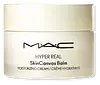
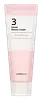
Mac Cosmetics Hyper Real Skincanvas Balm Moisturizing Cream Versus Numbuzin No.3 Velvet Beauty Cream
This barrier-repair moisturizer is formulated around Helianthus Annuus Seed Oil and Niacinamide to strengthen the skin barrier and hydrate skin.
This smoothing moisturizer is formulated around Niacinamide and Centella Asiatica Extract to refine skin texture and strengthen the skin barrier.


What's inside
What's inside
 Key Ingredients
Benefits
Concerns
Ingredients Side-by-side
Water
Skin ConditioningPropanediol
Solvent

Helianthus Annuus Seed Oil
Emollient


Caprylic/Capric/Myristic/Stearic Triglyceride
EmollientNiacinamide
Smoothing










Cocos Nucifera Oil
Masking




Polyglyceryl-3 Methylglucose Distearate
Emulsifying
Coco-Caprylate/Caprate
Emollient
Simmondsia Chinensis Seed Oil
Emollient
Butylene Glycol
Humectant
Hydroxyethyl Acrylate/Sodium Acryloyldimethyl Taurate Copolymer
Emulsion StabilisingGlyceryl Stearate
Emollient
PEG-100 Stearate
Surfactant
Trehalose
Humectant
Persea Gratissima Oil
Skin Conditioning
Glycerin
Humectant
Sodium Hyaluronate
Humectant
Squalane
Emollient
Ethylhexylglycerin
Skin ConditioningCholesterol
Emollient
Sodium Rna
Skin ConditioningCeramide Ng
Skin Conditioning
Acetyl Glucosamine
Skin Conditioning
Acetyl Hexapeptide-8
Humectant
Isononyl Isononanoate
EmollientCaprylic/Capric Triglyceride
Masking
Caprylyl Glycol
Emollient
Mangifera Indica Seed Butter
Skin Conditioning
Paeonia Albiflora Flower Extract
TonicCrithmum Maritimum Extract
Skin ConditioningAloe Barbadensis Leaf Extract
Emollient
Laminaria Digitata Extract
Skin Protecting
Algae Extract
Emollient
Hordeum Distichon Extract
Skin ProtectingPrunus Amygdalus Dulcis Seed Extract
Skin ConditioningSigesbeckia Orientalis Extract
Skin ConditioningTriticum Vulgare Germ Oil
Emollient
Hydrogenated Vegetable Oil
Emollient
Canola Oil
Emollient
Argania Spinosa Kernel Oil
Emollient
Caffeine
Skin Conditioning
Acrylates/C10-30 Alkyl Acrylate Crosspolymer
Emulsion StabilisingSorbitan Isostearate
Emulsifying
Potassium Cetyl Phosphate
EmulsifyingPolysorbate 60
Emulsifying
Hexylene Glycol
EmulsifyingSodium Hydroxide
BufferingParfum
Masking

Linalool
Perfuming
Limonene
Perfuming
Benzyl Salicylate
Perfuming
Tocopherol
Antioxidant

Tocopheryl Acetate
Antioxidant
Tetrasodium EDTA
ChelatingPhenoxyethanol
Preservative
Potassium Sorbate
Preservative
Chlorphenesin
Antimicrobial
CI 77891
Cosmetic ColorantWater, Propanediol, Helianthus Annuus Seed Oil, Caprylic/Capric/Myristic/Stearic Triglyceride, Niacinamide, Cocos Nucifera Oil, Polyglyceryl-3 Methylglucose Distearate, Coco-Caprylate/Caprate, Simmondsia Chinensis Seed Oil, Butylene Glycol, Hydroxyethyl Acrylate/Sodium Acryloyldimethyl Taurate Copolymer, Glyceryl Stearate, PEG-100 Stearate, Trehalose, Persea Gratissima Oil, Glycerin, Sodium Hyaluronate, Squalane, Ethylhexylglycerin, Cholesterol, Sodium Rna, Ceramide Ng, Acetyl Glucosamine, Acetyl Hexapeptide-8, Isononyl Isononanoate, Caprylic/Capric Triglyceride, Caprylyl Glycol, Mangifera Indica Seed Butter, Paeonia Albiflora Flower Extract, Crithmum Maritimum Extract, Aloe Barbadensis Leaf Extract, Laminaria Digitata Extract, Algae Extract, Hordeum Distichon Extract, Prunus Amygdalus Dulcis Seed Extract, Sigesbeckia Orientalis Extract, Triticum Vulgare Germ Oil, Hydrogenated Vegetable Oil, Canola Oil, Argania Spinosa Kernel Oil, Caffeine, Acrylates/C10-30 Alkyl Acrylate Crosspolymer, Sorbitan Isostearate, Potassium Cetyl Phosphate, Polysorbate 60, Hexylene Glycol, Sodium Hydroxide, Parfum, Linalool, Limonene, Benzyl Salicylate, Tocopherol, Tocopheryl Acetate, Tetrasodium EDTA, Phenoxyethanol, Potassium Sorbate, Chlorphenesin, CI 77891
Water
Skin ConditioningPropanediol
Solvent
Glycerin
Humectant
Neopentyl Glycol Diheptanoate
EmollientCyclohexasiloxane
Emollient
Polyglyceryl-3 Methylglucose Distearate
Emulsifying
Methylpropanediol
SolventCetyl Alcohol
Emollient
Glycereth-26
Humectant
Glyceryl Stearate
Emollient
Niacinamide
Smoothing
Dicaprylyl Ether
Emollient
Cetyl Dimethicone
Emollient
Butyrospermum Parkii Butter
Skin Conditioning
Hydrogenated Polyisobutene
EmollientPentaerythrityl Distearate
Emulsifying
Trehalose
Humectant
Pentylene Glycol
Skin Conditioning
Dioscorea Japonica Root Extract
Skin Conditioning
Piper Methysticum Leaf/Root/Stem Extract
Skin ConditioningCentella Asiatica Extract
Cleansing
Panax Ginseng Berry Extract
Skin Conditioning
Saponaria Officinalis Extract
Skin ConditioningHydrogenated Lecithin
Emulsifying
Sodium Hyaluronate
Humectant
Polyglyceryl-10 Laurate
Skin Conditioning
Glyceryl Caprylate
EmollientSodium Polyacrylate Starch
AbsorbentAcrylates/C10-30 Alkyl Acrylate Crosspolymer
Emulsion StabilisingGlycosyl Trehalose
Emulsion StabilisingTromethamine
BufferingSodium Stearoyl Glutamate
CleansingHydrogenated Starch Hydrolysate
HumectantAdenosine
Skin Conditioning
Raffinose
Skin ConditioningDisodium EDTA
ChelatingLecithin
Emollient
Polyquaternium-51
Skin Conditioning
Butylene Glycol
Humectant
Panthenol
Skin Conditioning
Beta-Glucan
Skin Conditioning
Synthetic Fluorphlogopite
Folic Acid
Skin ConditioningCeramide NP
Skin Conditioning
Cholesterol
Emollient
Tetradecyl Aminobutyroylvalylaminobutyric Urea Trifluoroacetate
Skin ConditioningBiosaccharide Gum-1
Humectant
Isomalt
HumectantMagnesium Chloride
Palmitoyl Pentapeptide-4
Skin Conditioning
Parfum
Masking
Ethylhexylglycerin
Skin Conditioning1,2-Hexanediol
Skin Conditioning
CI 77491
Cosmetic ColorantCitronellol
Perfuming
Geraniol
Perfuming
Water, Propanediol, Glycerin, Neopentyl Glycol Diheptanoate, Cyclohexasiloxane, Polyglyceryl-3 Methylglucose Distearate, Methylpropanediol, Cetyl Alcohol, Glycereth-26, Glyceryl Stearate, Niacinamide, Dicaprylyl Ether, Cetyl Dimethicone, Butyrospermum Parkii Butter, Hydrogenated Polyisobutene, Pentaerythrityl Distearate, Trehalose, Pentylene Glycol, Dioscorea Japonica Root Extract, Piper Methysticum Leaf/Root/Stem Extract, Centella Asiatica Extract, Panax Ginseng Berry Extract, Saponaria Officinalis Extract, Hydrogenated Lecithin, Sodium Hyaluronate, Polyglyceryl-10 Laurate, Glyceryl Caprylate, Sodium Polyacrylate Starch, Acrylates/C10-30 Alkyl Acrylate Crosspolymer, Glycosyl Trehalose, Tromethamine, Sodium Stearoyl Glutamate, Hydrogenated Starch Hydrolysate, Adenosine, Raffinose, Disodium EDTA, Lecithin, Polyquaternium-51, Butylene Glycol, Panthenol, Beta-Glucan, Synthetic Fluorphlogopite, Folic Acid, Ceramide NP, Cholesterol, Tetradecyl Aminobutyroylvalylaminobutyric Urea Trifluoroacetate, Biosaccharide Gum-1, Isomalt, Magnesium Chloride, Palmitoyl Pentapeptide-4, Parfum, Ethylhexylglycerin, 1,2-Hexanediol, CI 77491, Citronellol, Geraniol
Reviews
Ingredients Explained
These ingredients are found in both products.
Ingredients higher up in an ingredient list are typically present in a larger amount.
Acrylates/C10-30 Alkyl Acrylate Crosspolymer is a synthetic polymer. It is used to thicken, emulsify, and improve the texture of products.
As an emulsifier, it helps stabilize oil-in-water emulsions to give products an elegant feel when applied.
It can also form a thin protective film on skin. One study found that a formula using this polymer helped slow down how quickly other ingredients (like DEET) were absorbed through skin.
A 2024 study of over 1,300 patients confirmed that sensitization to this ingredient is rare. It is also non-mutagenic and has a clean track record.
Learn more about Acrylates/C10-30 Alkyl Acrylate CrosspolymerButylene Glycol (or BG) is used within cosmetic products for a few different reasons:
Overall, Butylene Glycol is a safe and well-rounded ingredient that works well with other ingredients.
Though this ingredient works well with most skin types, some people with sensitive skin may experience a reaction such as allergic rashes, closed comedones, or itchiness.
Learn more about Butylene GlycolCholesterol is a lipid that is naturally found in human skin and is one of the three key components of your skin barrier. In skincare, it is an emollient and barrier-repairing ingredient.
It works by fitting directly into the lipid layers of skin to help restore structure and reduce transepidermal water loss (TEWL).
This is a great ingredient for dry, compromised, or aging skin; our skin starts to produce less cholesterol with age.
Research shows cholesterol works best in combination with ceramides and fatty acids, the other two major components in your skin barrier.
Cholesterol is also a well-establish penetration enhancer and can help other actives absorb more effectively.
Cosmetic-grade cholesterol is usually derived from lanolin but plant and synthetic options also exist. We recommend reaching out to the brand if you have questions about their source of cholesterol.
Learn more about CholesterolEthylhexylglycerin is created from glycerin. It is a multitasker ingredient that:
The CIR Expert Panel found minimal skin absorption or sensitization of any kind in a safety assessment. Though this ingredient is considered well-tolerated, a small number of cases of allergic dermatitis have been published since 2002. Just be sure to patch test if you are unsure.
Industry-reported use ranges from 8% in rinse-off products and 2% in leave-on formulations.
Learn more about EthylhexylglycerinGlycerin (or glycerol) is a compound naturally found in your skin. It's a powerhouse humectant that pulls water into the stratum corneum.
Topically, glycerin does several things at once:
Your skin makes glycerin on its own (mostly from sebaceous oil breakdown) and shuttles it to your outermost layer of skin, or your epidermis, via aquaporin-3.
Aquaporin-3 is a transporter that is essential for normal skin hydration, elasticity, and repair. Interestingly, mice lacking in AQP3 have dry and less elastic skin that can be fully corrected with glycerin.
This ingredient is non-irritating, plays well with almost every ingredient, and works across all skin types. Typical use is anywhere between 3-10% but can go up to 79% in some leave-on products.
Just know very high concentrations (>40%) can feel tacky in low humidity.
Glycerin is the name for this ingredient in American English. British English uses Glycerol/Glycerine.
Learn more about GlycerinGlyceryl Stearate is made by reacting glycerin with stearic acid (typically sourced from plant oils like palm or coconut). It's an emulsifier, emollient, and mild occlusive.
Emulsifiers help ingredients like oil and water stay mixed so your formula stays nicely blended and uniform in texture.
This ingredient is typically used in concentrations between 1-10%. Studies have found it to be non-sensitizing, non-phototoxic, and non-photoallergenic.
A close cousin of this ingredient is Glyceryl Stearate SE ("self-emulsifying"). This just has a small amount of sodium or potassium stearate added so it can emulsify without a co-emulsifier.
Since this ingredient is an ester of a C18 fatty acid, it may not be fungal acne safe. The Malassezia yeast can potentially metabolize within the C11-C24 range.
Fun fact: The human body also creates Glyceryl Stearate naturally.
Learn more about Glyceryl StearateNiacinamide is a multitasking form of vitamin B3 that strengthens the skin barrier, reduces pores and dark spots, regulates oil, and improves signs of aging.
And the best part? It's gentle and well-tolerated by most skin types, including sensitive and reactive skin.
You might have heard of "niacin flush", or the reddening of skin that causes itchiness. Niacinamide has not been found to cause this.
In very rare cases, some individuals may not be able to tolerate niacinamide at all or experience an allergic reaction to it.
If you are experiencing flaking, irritation, and dryness with this ingredient, be sure to double check all your products as this ingredient can be found in all categories of skincare.
When incorporating niacinamide into your routine, look out for concentration amounts. Typically, 5% niacinamide provides benefits such as fading dark spots. However, if you have sensitive skin, it is better to begin with a smaller concentration.
When you apply niacinamide to your skin, your body converts it into nicotinamide adenine dinucleotide (NAD). NAD is an essential coenzyme that is already found in your cells as "fuel" and powers countless biological processes.
In your skin, NAD helps repair cell damage, produce new healthy cells, support collagen production, strengthen the skin barrier, and fight environmental stressors (like UV and pollution).
Our natural NAD levels start to decline with age, leading to slower skin repair, visible aging, and a weaker skin barrier. By providing your skin niacinamide, you're recharging your skin's NAD levels. This leads to stronger, healthier, and younger looking skin.
Another name for vitamin B3 is nicotinamide. This vitamin is water-soluble and our bodies don't store it. We obtain Vitamin B3 from either food or skincare. Meat, fish, wheat, yeast, and leafy greens contain vitamin B3.
The type of niacinamide used in skincare is synthetically created.
Learn more about NiacinamideParfum is a catch-all term for an ingredient or more that is used to give a scent to products.
Also called "fragrance", this ingredient can be a blend of hundreds of chemicals or plant oils. This means every product with "fragrance" or "parfum" in the ingredients list is a different mixture.
For instance, Habanolide is a proprietary trade name for a specific aroma chemical. When used as a fragrance ingredient in cosmetics, most aroma chemicals fall under the broad labeling category of “FRAGRANCE” or “PARFUM” according to EU and US regulations.
The term 'parfum' or 'fragrance' is not regulated in many countries. In many cases, it is up to the brand to define this term.
For instance, many brands choose to label themselves as "fragrance-free" because they are not using synthetic fragrances. However, their products may still contain ingredients such as essential oils that are considered a fragrance by INCI standards.
One example is Calendula flower extract. Calendula is an essential oil that still imparts a scent or 'fragrance'.
Depending on the blend, the ingredients in the mixture can cause allergies and sensitivities on the skin. Some ingredients that are known EU allergens include linalool and citronellol.
Parfum can also be used to mask or cover an unpleasant scent.
The bottom line is: not all fragrances/parfum/ingredients are created equally. If you are worried about fragrances, we recommend taking a closer look at an ingredient. And of course, we always recommend speaking with a professional.
Learn more about ParfumPolyglyceryl-3 Methylglucose Distearate is a plant-derived emulsifier whose only job is to keep the oily and watery parts of a formula blended so it doesn't separate into layers.
It's compatible with a wide-range of active ingredients and especially good at making emulsions survive heat/freeze cycles.
Typical use concentrations range from 2-3% and it works across a pH of 4.5-8.5.
This ingredient has been found safe to use in cosmetics and has a low irritation profile.
Because it's build on stearic acid, it may not be fungal acne safe. Stearic acid is a C18 fatty acid that falls within the range (C11-24) that Malassezia can feed on.
Learn more about Polyglyceryl-3 Methylglucose DistearatePropanediol is an all-star ingredient. It softens, hydrates, and smooths the skin.
It’s often used to:
Propanediol is not likely to cause sensitivity and considered safe to use. It is derived from corn or petroleum with a clear color and no scent.
Learn more about PropanediolSodium Hyaluronate is the salt form of hyaluronic acid. It is a long sugar chain that is naturally found in your skin, joints, and connective tissue that maintains hydration and elasticity.
In skincare, it works as a humectant. It pulls water from the environment and deeper layers of skin and binds it to the surface.
Interestingly, the size of the molecule affects its behavior:
Some clinical evidence links low molecular weight versions to improved wrinkle depth, elasticity, anti-inflammatory effects, and barrier repair.
Many serums use a blend of both weights so you can get surface hydration plus longer-lasting and deeper effects.
You'll typically see concentrations between 0.1-2% for this ingredient.
Learn more about Sodium HyaluronateTrehalose is a disaccharide made of two glucose molecules (glucose is sugar!). Trehalose is used to help moisturize skin. It also has antioxidant properties.
As a humectant, trehalose helps draw moisture from the air to your skin. This helps keep your skin hydrated.
Due to its antioxidant properties, trehalose may help with signs of aging. Antioxidants help fight free-radical molecules, unstable molecules that may damage your skin.
In medicine, trehalose and hyaluronic acid are used to help treat dry eyes.
Some animals, plants, and bacteria create trehalose as a source of energy to survive freeze or lack of water.
Learn more about TrehaloseWater. It's the most common cosmetic ingredient of all. You'll usually see it at the top of ingredient lists, meaning that it makes up the largest part of the product.
So why is it so popular? Water most often acts as a solvent - this means that it helps dissolve other ingredients into the formulation.
You'll also recognize water as that liquid we all need to stay alive. If you see this, drink a glass of water. Remember to stay hydrated!
Learn more about Water


