Lepique Glass Skin 14 Days Miracle Retinol Night Cream Versus Ozio Royal Jelly All-In-One Face Cream
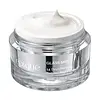
This anti-aging night moisturizer is formulated around Retinol and Centella Asiatica Extract to soften the look of wrinkles and refine skin texture.
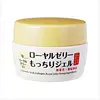
This barrier-repair moisturizer is formulated around Squalane and Glucosyl Ceramide to strengthen the skin barrier and hydrate skin.


What's inside
What's inside
 Key Ingredients
Benefits
Concerns
Ingredients Side-by-side
Water
Skin ConditioningHydrogenated Polydecene
EmollientOctyldodecanol
Emollient
Glycerin
Humectant


Butylene Glycol
Humectant
Cetearyl Alcohol
Emollient





Hydrogenated Coconut Oil
Emollient
1,2-Hexanediol
Skin Conditioning
Hydrogenated Vegetable Oil
Emollient
Glyceryl Stearate
Emollient
Hydrolyzed Collagen
Emollient
Cetearyl Olivate
Simmondsia Chinensis Seed Oil
Emollient
Sorbitan Olivate
Emulsifying
Methylpropanediol
SolventC14-22 Alcohols
Emulsion Stabilising
Sodium Hyaluronate
Humectant

Hydrolyzed Hyaluronic Acid
Humectant
Hyaluronic Acid
Humectant
Pentylene Glycol
Skin Conditioning
Methyl Glucose Sesquistearate
Emollient
Carbomer
Emulsion StabilisingC12-20 Alkyl Glucoside
EmulsifyingRetinol
Skin Conditioning







Betaine
Humectant
Caprylic/Capric Triglyceride
Masking
Tocopherol
Antioxidant

Phaseolus Radiatus Seed Extract
Skin ConditioningTromethamine
BufferingPolyglutamic Acid
Skin Conditioning
Hydrogenated Lecithin
Emulsifying
Adenosine
Skin Conditioning
Disodium EDTA
ChelatingAlteromonas Ferment Extract
Skin Conditioning
Phenethyl Alcohol
MaskingCentella Asiatica Extract
Cleansing
Tocopheryl Acetate
Antioxidant
Madecassoside
Antioxidant
Pentaerythrityl Tetra-Di-T-Butyl Hydroxyhydrocinnamate
Antioxidant
Glucose
Humectant
Asiaticoside
Antioxidant
Parfum
Masking

Limonene
Perfuming
Linalool
Perfuming
Water, Hydrogenated Polydecene, Octyldodecanol, Glycerin, Butylene Glycol, Cetearyl Alcohol, Hydrogenated Coconut Oil, 1,2-Hexanediol, Hydrogenated Vegetable Oil, Glyceryl Stearate, Hydrolyzed Collagen, Cetearyl Olivate, Simmondsia Chinensis Seed Oil, Sorbitan Olivate, Methylpropanediol, C14-22 Alcohols, Sodium Hyaluronate, Hydrolyzed Hyaluronic Acid, Hyaluronic Acid, Pentylene Glycol, Methyl Glucose Sesquistearate, Carbomer, C12-20 Alkyl Glucoside, Retinol, Betaine, Caprylic/Capric Triglyceride, Tocopherol, Phaseolus Radiatus Seed Extract, Tromethamine, Polyglutamic Acid, Hydrogenated Lecithin, Adenosine, Disodium EDTA, Alteromonas Ferment Extract, Phenethyl Alcohol, Centella Asiatica Extract, Tocopheryl Acetate, Madecassoside, Pentaerythrityl Tetra-Di-T-Butyl Hydroxyhydrocinnamate, Glucose, Asiaticoside, Parfum, Limonene, Linalool
Water
Skin ConditioningDimethicone
Emollient
Triethylhexanoin
MaskingSqualane
Emollient
Glycerin
Humectant
Glyceryl Stearate
Emollient
PEG-40 Stearate
Emulsifying
PEG-3 Dimethicone
Skin Conditioning
Stearic Acid
Cleansing
Diglycerin
Humectant
Phenoxyethanol
Preservative
Sorbitan Tristearate
EmulsifyingPEG-5 Stearate
Emulsifying
Butylene Glycol
Humectant
Palmitic Acid
Emollient
Batyl Alcohol
EmollientCaprylic/Capric Triglyceride
Masking
Xanthan Gum
EmulsifyingGlyceryl Glucoside
Humectant
Trimethylsilyl Hydrolyzed Silk Pg-Propyl Methylsilanediol Crosspolymer
Skin ConditioningTocopherol
Antioxidant
Myristic Acid
Cleansing
Lecithin
Emollient
Dextrin
AbsorbentTetrasodium Etidronate
ChelatingHoney
Humectant
Cyclopentasiloxane
Emollient
Alpha-Glucan
HumectantHydrogenated Rapeseed Alcohol
Emollient
Propanediol
Solvent
Maltodextrin
Absorbent
Methyl Carboxymethylphenyl Aminocarboxypropylphosphonate
Antioxidant
Glyceryl Stearate Se
Emulsifying
Pentylene Glycol
Skin Conditioning
Betaine
Humectant
Punica Granatum Seed Cell Culture Lysate
Skin ConditioningBeheneth-30
CleansingPEG-60 Hydrogenated Castor Oil
Emulsifying
Glucosyl Ceramide
Skin Conditioning
Behenic Acid
Cleansing
Macadamia Ternifolia Seed Oil
Emollient
Butyrospermum Parkii Butter
Skin Conditioning
Sodium Citrate
BufferingCitric Acid
Buffering
Sodium PCA
Humectant
Simmondsia Chinensis Seed Oil
Emollient
Rosa Multiflora Fruit Extract
MaskingHoney Extract
Humectant
Royal Jelly Extract
Skin Conditioning
Gardenia Florida Fruit Extract
Skin ConditioningCoco-Glucoside
Cleansing
Bellis Perennis Flower Extract
Skin ConditioningArginine
Masking
Sodium Hyaluronate
Humectant
Hydrolyzed Collagen
Emollient
Hydrolyzed Hyaluronic Acid
Humectant
Terminalia Ferdinandiana Fruit Extract
Antioxidant
Propolis Extract
Skin Conditioning
Glucose
Humectant
Geranium Robertianum Extract
AstringentSolanum Lycopersicum Fruit Extract
Antioxidant
Rosa Roxburghii Fruit Extract
TonicAspalathus Linearis Extract
Skin ConditioningSaccharomyces Cerevisiae Extract
Skin Conditioning
Morus Alba Root Extract
BleachingPanax Ginseng Root Extract
Emollient
Pueraria Lobata Root Extract
HumectantOryza Sativa Extract
Absorbent
Nasturtium Officinale Leaf/Stem Extract
Skin ConditioningCeramide AP
Skin Conditioning
Ceramide NP
Skin Conditioning
Bioflavonoids
Skin ConditioningCitrus Aurantifolia Juice
CleansingHypericum Perforatum Flower/Leaf/Stem Extract
Skin ConditioningCitrus Aurantium Dulcis Juice
Skin ConditioningHedera Helix Leaf/Stem Extract
AntimicrobialZizyphus Jujuba Fruit Extract
Arnica Montana Flower Extract
Masking
Aesculus Hippocastanum Seed Extract
Skin ConditioningHamamelis Virginiana Leaf Extract
Skin Conditioning
Aloe Barbadensis Leaf Extract
Emollient
Chlorella Vulgaris Extract
Skin ConditioningPaeonia Albiflora Root Extract
Skin ConditioningCeramide Ng
Skin Conditioning
Angelica Acutiloba Root Extract
Skin ConditioningPoria Cocos Sclerotium Extract
AstringentCarthamus Tinctorius Flower Extract
Skin ConditioningPaeonia Suffruticosa Root Extract
Skin ProtectingCitrus Limon Juice
Skin Conditioning
Salvia Officinalis Leaf Extract
CleansingCynara Scolymus Leaf Extract
Skin ConditioningArctium Lappa Root Extract
Skin Conditioning
Saponaria Officinalis Leaf Extract
AntimicrobialVitis Vinifera Leaf Extract
Skin ConditioningCitrus Limon Fruit Extract
Masking
Citrus Grandis Fruit Extract
Astringent
Crataegus Cuneata Fruit Extract
Skin ConditioningPyrus Malus Fruit Extract
Skin Conditioning
Phenethyl Alcohol
MaskingWater, Dimethicone, Triethylhexanoin, Squalane, Glycerin, Glyceryl Stearate, PEG-40 Stearate, PEG-3 Dimethicone, Stearic Acid, Diglycerin, Phenoxyethanol, Sorbitan Tristearate, PEG-5 Stearate, Butylene Glycol, Palmitic Acid, Batyl Alcohol, Caprylic/Capric Triglyceride, Xanthan Gum, Glyceryl Glucoside, Trimethylsilyl Hydrolyzed Silk Pg-Propyl Methylsilanediol Crosspolymer, Tocopherol, Myristic Acid, Lecithin, Dextrin, Tetrasodium Etidronate, Honey, Cyclopentasiloxane, Alpha-Glucan, Hydrogenated Rapeseed Alcohol, Propanediol, Maltodextrin, Methyl Carboxymethylphenyl Aminocarboxypropylphosphonate, Glyceryl Stearate Se, Pentylene Glycol, Betaine, Punica Granatum Seed Cell Culture Lysate, Beheneth-30, PEG-60 Hydrogenated Castor Oil, Glucosyl Ceramide, Behenic Acid, Macadamia Ternifolia Seed Oil, Butyrospermum Parkii Butter, Sodium Citrate, Citric Acid, Sodium PCA, Simmondsia Chinensis Seed Oil, Rosa Multiflora Fruit Extract, Honey Extract, Royal Jelly Extract, Gardenia Florida Fruit Extract, Coco-Glucoside, Bellis Perennis Flower Extract, Arginine, Sodium Hyaluronate, Hydrolyzed Collagen, Hydrolyzed Hyaluronic Acid, Terminalia Ferdinandiana Fruit Extract, Propolis Extract, Glucose, Geranium Robertianum Extract, Solanum Lycopersicum Fruit Extract, Rosa Roxburghii Fruit Extract, Aspalathus Linearis Extract, Saccharomyces Cerevisiae Extract, Morus Alba Root Extract, Panax Ginseng Root Extract, Pueraria Lobata Root Extract, Oryza Sativa Extract, Nasturtium Officinale Leaf/Stem Extract, Ceramide AP, Ceramide NP, Bioflavonoids, Citrus Aurantifolia Juice, Hypericum Perforatum Flower/Leaf/Stem Extract, Citrus Aurantium Dulcis Juice, Hedera Helix Leaf/Stem Extract, Zizyphus Jujuba Fruit Extract, Arnica Montana Flower Extract, Aesculus Hippocastanum Seed Extract, Hamamelis Virginiana Leaf Extract, Aloe Barbadensis Leaf Extract, Chlorella Vulgaris Extract, Paeonia Albiflora Root Extract, Ceramide Ng, Angelica Acutiloba Root Extract, Poria Cocos Sclerotium Extract, Carthamus Tinctorius Flower Extract, Paeonia Suffruticosa Root Extract, Citrus Limon Juice, Salvia Officinalis Leaf Extract, Cynara Scolymus Leaf Extract, Arctium Lappa Root Extract, Saponaria Officinalis Leaf Extract, Vitis Vinifera Leaf Extract, Citrus Limon Fruit Extract, Citrus Grandis Fruit Extract, Crataegus Cuneata Fruit Extract, Pyrus Malus Fruit Extract, Phenethyl Alcohol
Ingredients Explained
These ingredients are found in both products.
Ingredients higher up in an ingredient list are typically present in a larger amount.
Betaine is a humectant. Like hyaluronic acid, it helps attract and retain moisture in the skin. It’s known for being gentle and for helping the skin maintain balanced hydration.
Betaine is mainly used to improve hydration and support calmer skin. It helps skin cells regulate water balance because it functions as an osmolyte.
Some studies suggest betaine may support making skin tone more even.
Fun fact: Betaine naturally exists in the skin and the body. In cosmetic products, it can be either plant-derived (most commonly from sugar beets) or synthetically produced for consistency and stability.
Betaine is also known as trimethylglycine.
Learn more about BetaineButylene Glycol (or BG) is used within cosmetic products for a few different reasons:
Overall, Butylene Glycol is a safe and well-rounded ingredient that works well with other ingredients.
Though this ingredient works well with most skin types, some people with sensitive skin may experience a reaction such as allergic rashes, closed comedones, or itchiness.
Learn more about Butylene GlycolCaprylic/Capric Triglyceride (aka MCT Oil) is a lightweight emollient, solvent, and texture enhancer. It is considered a skin-softener by helping to prevent moisture loss.
Though it behaves like an oil, it is not technically one due to its chemical composition. One perk of this ingredient is that it is very stable, resistant to oxidation, and unlikely to go rancid.
In practice, that translates to a long shelf life and a consistently elegant skin feel.
While there is an assumption Caprylic Triglyceride can clog pores due to it being derived from coconut oil, there is no research supporting this. Just patch test if you have concerns.
Fractionated coconut oil and MCT Oil are both listed as Caprylic/Capric Triglyceride according to INCI. This is because INCI names are based on the ingredient’s final chemical composition and not its marketing name or source.
This ingredient is treated as the gold standard fungal acne safe oil. Even though it is coconut derived, the problematic lauric acid is stripped out.
This leaves just caprylic (C8) and capric (C10) acid. These chain lengths actually trend antifungal; a 2020 study found caprylic acid was enough to disrupt Malassezia furfur cell membrane, with a caprylic acid derivative damaging membrane structures at concentrations as low as 0.2%.
Learn more about Caprylic/Capric TriglycerideGlucose is a simple sugar (a monosaccharide). In skincare, it is mostly a humectant and skin conditioning agent.
Mechanistically, it has multiple hydroxyl groups that hydrogen-bond to water. This pulls moisture into the upper layers of skin to keep the surface soft and hydrated.
It's worth knowing sugars are already a natural component of the skin's NMF (natural moisturizing factor) so it's a molecule that your stratum corneum is well-acquainted with.
Just so you know, glucose is hydrophilic (water-loving) and the stratum corneum is a strong barrier to hydrophilic compounds. This just means penetration is slow and most of the action is happening on the surface.
Gram-to-gram, glucose is not as efficient as a humectant as glycerin. This is why you'll likely see glycose paired with stronger humectants for a bigger hydration payoff.
In skincare, glucose is typically derived from corn or other starch sources.
Learn more about GlucoseGlycerin (or glycerol) is a compound naturally found in your skin. It's a powerhouse humectant that pulls water into the stratum corneum.
Topically, glycerin does several things at once:
Your skin makes glycerin on its own (mostly from sebaceous oil breakdown) and shuttles it to your outermost layer of skin, or your epidermis, via aquaporin-3.
Aquaporin-3 is a transporter that is essential for normal skin hydration, elasticity, and repair. Interestingly, mice lacking in AQP3 have dry and less elastic skin that can be fully corrected with glycerin.
This ingredient is non-irritating, plays well with almost every ingredient, and works across all skin types. Typical use is anywhere between 3-10% but can go up to 79% in some leave-on products.
Just know very high concentrations (>40%) can feel tacky in low humidity.
Glycerin is the name for this ingredient in American English. British English uses Glycerol/Glycerine.
Learn more about GlycerinGlyceryl Stearate is made by reacting glycerin with stearic acid (typically sourced from plant oils like palm or coconut). It's an emulsifier, emollient, and mild occlusive.
Emulsifiers help ingredients like oil and water stay mixed so your formula stays nicely blended and uniform in texture.
This ingredient is typically used in concentrations between 1-10%. Studies have found it to be non-sensitizing, non-phototoxic, and non-photoallergenic.
A close cousin of this ingredient is Glyceryl Stearate SE ("self-emulsifying"). This just has a small amount of sodium or potassium stearate added so it can emulsify without a co-emulsifier.
Since this ingredient is an ester of a C18 fatty acid, it may not be fungal acne safe. The Malassezia yeast can potentially metabolize within the C11-C24 range.
Fun fact: The human body also creates Glyceryl Stearate naturally.
Learn more about Glyceryl StearateHydrolyzed Collagen is Collagen (usually sourced from fish, bovine, or porcine byproducts) that's been broken down into smaller peptides. This makes it water-soluble and easy to blend into formulations.
In a formula, it works mainly as a skin-conditioning and moisturizing agent.
The small peptides and amino acids (including Natural Moisturizing Factor components like Hydroxyproline, Serine, and Aspartic Acid) help the surface of the skin hold onto water, feel softer, and look temporarily plumper.
This ingredient also has mild film-forming and antioxidant properties with research showing the antioxidant effect is stronger the lower the molecular weight of the peptides.
It's worth being realistic here:
Topically applied Hydrolyzed Collagen conditions the upper layers of skin rather than rebuilding the structural collagen deep in your dermis (the wrinkle-and-firmness benefits people associate with Collagen mostly come from oral supplements in studies, not topicals).
However, recent lab and skin-model work on Hydrolyzed Fish Collagen has shown promising effects on cell viability and wound healing when used as an active.
Typical concentrations range from 0.2-2%, but the percentage can go much higher in rinse-off or hair products (sometimes even above 50%).
Clinical studies on this ingredient showed no irritation, sensitization, or phototoxicity.
If you are looking for vegan collagen, it usually goes by a different INCI name like hydrolyzed soy protein. Vegan collagen is derived from yeast, bacteria, or plant sources.
The results are varied.
A study from 2021 found hydrolyzed collagen increased elasticity and improved wrinkles in 1,125 participants between age 20 and 70. Another study found increased skin thickness in participants between the ages of 45 to 59.
However, It is difficult to prove that oral collagen will end up working on your skin. Many of the studies using hydrolyzed collagen also add several vitamins and nutrients into the test mixture as well.
Further studies are needed at this time.
Learn more about Hydrolyzed CollagenHydrolyzed Hyaluronic Acid is hyaluronic acid (HA) that is broken down into lower molecular weight fragments.
It's a humectant that pulls and holds water in the skin to help with hydration, plumpness, and reduce transepidermal water loss.
Because hydrolyzed hyaluronic acid is smaller in size, it can slip past your outermost layer of skin more easily than full-sized HA.
Most formulations will combine all sizes to get the best of both worlds.
Typical usage levels range from 0.01-1%. Any percentage higher than 2% might become goopy and tacky.
Learn more about Hydrolyzed Hyaluronic AcidPentylene Glycol (1,2-pentanediol) is a multitasking little diol with three main roles in a formula:
Research on alkanediols (the family pentylene glycol belongs to) show they work by disrupting microbial cell membranes. This disruption helps the primary preservative system in a product work more effectively at lower doses.
On the safety side, the Cosmetic Ingredient Review Expert Panel has concluded this ingredient to be safe as used in current cosmetic practices + concentrations.
Typical use levels in a formula run about 1-5%.
Learn more about Pentylene GlycolPhenethyl Alcohol is a colorless and aromatic alohol. It is naturally occuring in essential oils.
The scent of this ingredient is floral and often compared to rose.
Like other alcohols, this ingredient helps prevent the growth of bacteria. However, its main purpose is to impact a fragrance.
Learn more about Phenethyl AlcoholJojoba oil is one of the most well-studied plant-derived ingredients in cosmetics. It is an emollient with a special structure.
Because it is made up of 97-98% wax esters, it closely mirrors the linear monoesters found in human sebum. This makes it skin compatible, non-greasy, and lightweight.
Unlike other plant oils, jojoba wax doesn't easily penetrate skin. It mostly works in the uppermost layers as an emollient. This just means it forms a light barrier on the skin to help retain moisture.
Formulations with jojoba esters up to 90% reduced transepidermal water loss (TEWL) and increased barrier recovery by 81% (outperforming bisabolol at 47%).
Besides barrier support, the science also suggests jojoba to have anti-inflammatory effects and potential applications for skin infections, aging, and wound healing.
Fun fact: Indigenous cultures have used jojoba as a moisturizer and to help treat burns for centuries.
Fungal acne: The Malassezia yeast is known to metabolize fatty acids in the C11-24 range and jojoba's dominant fatty acid components fall into this range. This ingredient may not be fungal acne safe.
Learn more about Simmondsia Chinensis Seed OilSodium Hyaluronate is the salt form of hyaluronic acid. It is a long sugar chain that is naturally found in your skin, joints, and connective tissue that maintains hydration and elasticity.
In skincare, it works as a humectant. It pulls water from the environment and deeper layers of skin and binds it to the surface.
Interestingly, the size of the molecule affects its behavior:
Some clinical evidence links low molecular weight versions to improved wrinkle depth, elasticity, anti-inflammatory effects, and barrier repair.
Many serums use a blend of both weights so you can get surface hydration plus longer-lasting and deeper effects.
You'll typically see concentrations between 0.1-2% for this ingredient.
Learn more about Sodium HyaluronateTocopherol is a fat-soluble antioxidant known as Vitamin E.
You'll find this ingredient in the vast majority of skincare (for good reason). It works to neutralize free radicals, or unstable molecules generated by UV exposure, pollution, and other environmental stressors, before they can cause oxidative damage to your skin cells.
Topically applied tocopherol has been shown to protect against UV damage by ramping up the skin's own natural defense enzymes.
It also acts as a skin conditioning agent; some studies show that regular topical use can improve the skin's water-binding capacity over 2-4 weeks.
This ingredient is especially loved for being a team player. When combined with Vitamin C, the photoprotective effect of both ingredients roughly doubles and the combo also helps reduce UV-induced DNA damage.
This ingredient has some brightening potential but it's more of a prevention ingredient than spot-fader. Cell studies show it can slow down melanin production but it's worth noting that it's not the most powerful brightener out there.
In formulations, it also serves as a stabilizer that helps protect other oxidation-prone ingredients from degrading.
Concentrations usually range from 0.1-1% in most leave-on products.
Learn more about TocopherolWater. It's the most common cosmetic ingredient of all. You'll usually see it at the top of ingredient lists, meaning that it makes up the largest part of the product.
So why is it so popular? Water most often acts as a solvent - this means that it helps dissolve other ingredients into the formulation.
You'll also recognize water as that liquid we all need to stay alive. If you see this, drink a glass of water. Remember to stay hydrated!
Learn more about Water

