
What's inside
What's inside
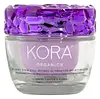 Key Ingredients
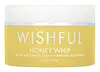
Benefits
Concerns
Ingredients Side-by-side
Aloe Barbadensis Leaf Juice
Skin Conditioning


Glycerin
Humectant

Cetearyl Alcohol
Emollient




Coconut Alkanes
Emollient
Water
Skin ConditioningHelianthus Annuus Seed Oil
Emollient
Lactobacillus Ferment
Skin Conditioning
Sorbitan Olivate
Emulsifying
Cetearyl Olivate
Butyrospermum Parkii Butter
Skin Conditioning
Euterpe Oleracea Fruit Extract
Bakuchiol
Antimicrobial






Rosa Canina Fruit Oil
Emollient
Lactobacillus
Skin ConditioningCeramide NP
Skin Conditioning
Coco-Caprylate/Caprate
Emollient
Hydrolyzed Eragrostis Tef Seed Extract
Sclerotium Gum
Emulsion StabilisingCocos Nucifera Fruit Extract
Emollient
Potassium Sorbate
Preservative
Medicago Sativa Extract
TonicEclipta Prostrata Extract
Skin Conditioning
Citric Acid
Buffering

Melia Azadirachta Leaf Extract
Skin ConditioningPelargonium Graveolens Flower Oil
Masking



Sodium Phytate
Citrus Aurantium Amara Flower Oil
Masking
Melia Azadirachta Flower Extract
Skin ConditioningCorallina Officinalis Extract
Skin Conditioning
Sodium Benzoate
Masking
Morinda Citrifolia Fruit Extract
Skin ConditioningCoccinia Indica Fruit Extract
Skin ConditioningTocopherol
Antioxidant
Moringa Oleifera Seed Oil
Emollient
Solanum Melongena Fruit Extract
Skin ConditioningAloe Barbadensis Flower Extract
EmollientSimmondsia Chinensis Seed Oil
Emollient
Curcuma Longa Root Extract
Masking
Ocimum Basilicum Flower/Leaf Extract
TonicOcimum Sanctum Leaf Extract
Skin ConditioningAlcohol
Antimicrobial


Linalool
Perfuming
Citronellol
Perfuming
Geraniol
Perfuming
Limonene
Perfuming
Farnesol
Perfuming
Aloe Barbadensis Leaf Juice, Glycerin, Cetearyl Alcohol, Coconut Alkanes, Water, Helianthus Annuus Seed Oil, Lactobacillus Ferment, Sorbitan Olivate, Cetearyl Olivate, Butyrospermum Parkii Butter, Euterpe Oleracea Fruit Extract, Bakuchiol, Rosa Canina Fruit Oil, Lactobacillus, Ceramide NP, Coco-Caprylate/Caprate, Hydrolyzed Eragrostis Tef Seed Extract, Sclerotium Gum, Cocos Nucifera Fruit Extract, Potassium Sorbate, Medicago Sativa Extract, Eclipta Prostrata Extract, Citric Acid, Melia Azadirachta Leaf Extract, Pelargonium Graveolens Flower Oil, Sodium Phytate, Citrus Aurantium Amara Flower Oil, Melia Azadirachta Flower Extract, Corallina Officinalis Extract, Sodium Benzoate, Morinda Citrifolia Fruit Extract, Coccinia Indica Fruit Extract, Tocopherol, Moringa Oleifera Seed Oil, Solanum Melongena Fruit Extract, Aloe Barbadensis Flower Extract, Simmondsia Chinensis Seed Oil, Curcuma Longa Root Extract, Ocimum Basilicum Flower/Leaf Extract, Ocimum Sanctum Leaf Extract, Alcohol, Linalool, Citronellol, Geraniol, Limonene, Farnesol
Water
Skin ConditioningButylene Glycol
Humectant
Coco-Caprylate/Caprate
Emollient
Cetearyl Alcohol
Emollient
Pentylene Glycol
Skin Conditioning
Macadamia Ternifolia Seed Oil
Emollient
Niacinamide
Smoothing


Glycerin
Humectant
1,2-Hexanediol
Skin Conditioning
Glyceryl Stearate
Emollient
Honey Extract
Humectant
Palmitoyl Tripeptide-1
Skin Conditioning
Palmitoyl Tetrapeptide-7
Skin Conditioning
Centella Asiatica Extract
Cleansing
Madecassoside
Antioxidant
Collagen
Moisturising
Hydrolyzed Extensin
Skin ConditioningSodium Hyaluronate
Humectant
Butyrospermum Parkii Butter
Skin Conditioning
Argania Spinosa Kernel Oil
Emollient
Panax Ginseng Root Extract
Emollient
Tocopheryl Acetate
Antioxidant
Leuconostoc/Radish Root Ferment Filtrate
Antimicrobial
Propylene Glycol
Humectant
Caprylyl Glycol
Emollient
Ethylhexylglycerin
Skin ConditioningDipotassium Glycyrrhizate
Humectant
Cera Alba
Emollient
Polyglyceryl-2 Stearate
Emulsifying
Polyacrylate-13
Stearyl Alcohol
Emollient
Behenyl Alcohol
Emollient
Polyisobutene
Hydrogenated Lecithin
Emulsifying
Polysorbate 20
Emulsifying
Xanthan Gum
EmulsifyingSorbitan Isostearate
Emulsifying
Carbomer
Emulsion StabilisingSodium Benzoate
Masking
Potassium Sorbate
Preservative
PEG-100 Stearate
Surfactant
Dimethicone
Emollient
Parfum
Masking
Benzyl Benzoate
Antimicrobial
Hexyl Cinnamal
Perfuming
Water, Butylene Glycol, Coco-Caprylate/Caprate, Cetearyl Alcohol, Pentylene Glycol, Macadamia Ternifolia Seed Oil, Niacinamide, Glycerin, 1,2-Hexanediol, Glyceryl Stearate, Honey Extract, Palmitoyl Tripeptide-1, Palmitoyl Tetrapeptide-7, Centella Asiatica Extract, Madecassoside, Collagen, Hydrolyzed Extensin, Sodium Hyaluronate, Butyrospermum Parkii Butter, Argania Spinosa Kernel Oil, Panax Ginseng Root Extract, Tocopheryl Acetate, Leuconostoc/Radish Root Ferment Filtrate, Propylene Glycol, Caprylyl Glycol, Ethylhexylglycerin, Dipotassium Glycyrrhizate, Cera Alba, Polyglyceryl-2 Stearate, Polyacrylate-13, Stearyl Alcohol, Behenyl Alcohol, Polyisobutene, Hydrogenated Lecithin, Polysorbate 20, Xanthan Gum, Sorbitan Isostearate, Carbomer, Sodium Benzoate, Potassium Sorbate, PEG-100 Stearate, Dimethicone, Parfum, Benzyl Benzoate, Hexyl Cinnamal
Reviews
Ingredients Explained
These ingredients are found in both products.
Ingredients higher up in an ingredient list are typically present in a larger amount.
This ingredient is also known as shea butter. It is a plant-derived extract from the nuts of the Africa shea tree and one of the most well-studied emollients.
Because it has a high concentration of fatty acids (primarily oleic, stearic, and linoleic) it is able to form a protective barrier on the skin's surface. This helps seal in moisture and prevents transepidermal water loss (TEWL).
In vitro research found an increase in skin hydration by 58% and a decrease in TEWL by 37.8% after 24 hours of applying this ingredient (pretty impressive for a single ingredient!).
Besides hydration, shea butter also contains triterpenes that have anti-inflammatory potential. In particule, lupeol cinnamate has shown the highest anti-inflammatory activity in vivo.
Shea butter also contains vitamins A and E which may contribute to antioxidant activity.
While Shea Butter has an SPF rating of about 3-4, it is not a sunscreen replacement.
This ingredient may not be fungal acne safe because its fatty acids fall within the C11-C24 range that the Malassezia yeast can metabolize.
Learn more about Butyrospermum Parkii ButterCetearyl alcohol is a waxy mixture of two fatty alcohols: cetyl alcohol and stearyl alcohol. It is an emollient and emulsifier.
Despite having "alcohol" in its name, it has nothing to do with drying solvent alcohols; the FDA also allows "alcohol-free" products to contain fatty alcohols like this ingredient.
It plays several roles in a formula:
Typical use levels for this ingredient sit around 1-10% and the Cosmetic Ingredient Review Expert Panel has affirmed safety at concentrations up to 25% in leave-on products.
Multiple assessments have found it to be non-irritating and non-sensitizing to most people.
However, there have been some cases of allergic contact dermatitis in patients with chronically compromised skin barriers.
Cetearyl alcohol has a comedogenic rating of 2 and irritancy rating of 1. Both of these numbers come from the 1989 study that used rabbit ears; a "2" means mildly comedogenic and a "1" means low irritancy.
Here's the catch: rabbit skin is more sensitive than human skin and throws a lot of false positives. A 1996 reappraisal found that ingredients rated 1-2 in the rabbit ear tests are generally safe for humans.
Remember comedogenic ratings are unable to assess the entire formula of a product or how it will react on your skin. Just be sure to patch test if you are unsure about certain ingredients.
This ingredient is not fungal acne safe. Cetearyl alcohol is a fatty alcohol with chain lengths that fall within the range that Malassezia can metabolize.
A 2019 study has also observed Malassezia growth in the presence of this ingredient, confirming it to be not-fungal acne safe.
Learn more about Cetearyl AlcoholCoco-Caprylate/Caprate is a lightweight ester created from coconut oil fatty acids, caprylic acid, and capric acid.
It is an emollient that helps soften skin and reduce transepidermal water loss (TEWL). What sets it apart from heavier emollients is its ultralight, non-greasy feel.
Once applied, this ingredient dries down quickly and leaves a dry, silky finish behind. This also helps improve spreadability and texture.
This ingredient has an excellent safety-record and is non-irritating.
Typical concentrations for cosmetics range from 0.5-62%.
Research on Malassezia growth found no growth on fatty acid esters with chain lengths shorter than 12 carbons (it prefers C11-24).
Since Coco-Caprylate/Caprate is built on C8 and C10 fatty acids, it is out of the range that Malassezia metabolizes, and therefore safe for fungal acne.
Learn more about Coco-Caprylate/CaprateGlycerin (or glycerol) is a compound naturally found in your skin. It's a powerhouse humectant that pulls water into the stratum corneum.
Topically, glycerin does several things at once:
Your skin makes glycerin on its own (mostly from sebaceous oil breakdown) and shuttles it to your outermost layer of skin, or your epidermis, via aquaporin-3.
Aquaporin-3 is a transporter that is essential for normal skin hydration, elasticity, and repair. Interestingly, mice lacking in AQP3 have dry and less elastic skin that can be fully corrected with glycerin.
This ingredient is non-irritating, plays well with almost every ingredient, and works across all skin types. Typical use is anywhere between 3-10% but can go up to 79% in some leave-on products.
Just know very high concentrations (>40%) can feel tacky in low humidity.
Glycerin is the name for this ingredient in American English. British English uses Glycerol/Glycerine.
Learn more about GlycerinPotassium Sorbate is a preservative used to prevent yeast and mold in products. It is commonly found in both cosmetic and food products.
This ingredient comes from potassium salt derived from sorbic acid. Sorbic acid is a natural antibiotic and effective against fungus.
Both potassium sorbate and sorbic acid can be found in baked goods, cheeses, dried meats, dried fruit, ice cream, pickles, wine, yogurt, and more.
You'll often find this ingredient used with other preservatives.
Learn more about Potassium SorbateSodium Benzoate is a preservative. It's used in both cosmetic and food products to inhibit the growth of mold and bacteria. It is typically produced synthetically.
Both the US FDA and EU Health Committee have approved the use of sodium benzoate. In the US, levels of 0.1% (of the total product) are allowed.
Sodium benzoate works as a preservative by inhibiting the growth of bacteria inside of cells. It prevents the cell from fermenting a type of sugar using an enzyme called phosphofructokinase.
It is the salt of benzoic acid. Foods containing sodium benzoate include soda, salad dressings, condiments, fruit juices, wines, and snack foods.
Studies for using ascorbic acid and sodium benzoate in cosmetics are lacking, especially in skincare routines with multiple steps.
We always recommend speaking with a professional, such as a dermatologist, if you have any concerns.
Learn more about Sodium BenzoateWater. It's the most common cosmetic ingredient of all. You'll usually see it at the top of ingredient lists, meaning that it makes up the largest part of the product.
So why is it so popular? Water most often acts as a solvent - this means that it helps dissolve other ingredients into the formulation.
You'll also recognize water as that liquid we all need to stay alive. If you see this, drink a glass of water. Remember to stay hydrated!
Learn more about Water
