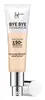
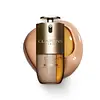
IT Cosmetics Bye Bye Foundation Full Coverage Moisturizer SPF 50+ Versus Clarins Double Serum Foundation


What's inside
What's inside
 Key Ingredients
Benefits
Concerns
Ingredients Side-by-side
Titanium Dioxide 9%
Cosmetic Colorant

Zinc Oxide 6.3%
Cosmetic Colorant
Water
Skin ConditioningPhenyl Trimethicone
Skin Conditioning
Dimethicone
Emollient
Butylene Glycol
Humectant

Butylene Glycol Dicaprylate/Dicaprate
EmollientOrbignya Oleifera Seed Oil
Emollient


Butyloctyl Salicylate
Skin Conditioning
Cetyl PEG/PPG-10/1 Dimethicone
Emulsifying
Cyclopentasiloxane
Emollient
Snail Secretion Filtrate
Skin Conditioning


Aluminum Hydroxide
EmollientMagnesium Sulfate
Polyglyceryl-4 Isostearate
Emulsifying
Stearic Acid
Cleansing
Cyclohexasiloxane
Emollient
Dimethicone/Vinyl Dimethicone Crosspolymer
Skin Conditioning
Hexyl Laurate
Emollient
Calcium Stearate
Cosmetic ColorantCaprylyl Glycol
Emollient
Triethoxycaprylylsilane
Ethyl Hexanediol
SolventEthylhexylglycerin
Skin ConditioningLimonene
Perfuming



Citrus Limon Peel Oil
Masking

Sorbitan Isostearate
Emulsifying
Tocopheryl Acetate
Antioxidant


Phenoxyethanol
Preservative
1,2-Hexanediol
Skin Conditioning
Citrus Aurantium Bergamia Fruit Oil
Masking
Adenosine
Skin Conditioning
Citrus Aurantium Dulcis Peel Oil
Masking
Citrus Aurantifolia Oil
Cleansing
Pinus Sylvestris Leaf Oil
Masking
Niacinamide
Smoothing




Polymethylsilsesquioxane
Lactobacillus/Dipteryx Odorata Seed Ferment Filtrate
Skin ConditioningLactobacillus/Pumpkin Ferment Extract
Skin ConditioningPropylene Glycol
Humectant
Saccharomyces/Xylinum/Black Tea Ferment
Skin Conditioning
Linalool
Perfuming
Glycerin
Humectant
Eucalyptus Globulus Leaf Oil
Perfuming
Saccharomyces/Rice Ferment Filtrate
Skin Conditioning
Lactobacillus/Kelp Ferment Filtrate
Skin ConditioningCitral
Perfuming
Hydrolyzed Collagen
Emollient
Leuconostoc/Radish Root Ferment Filtrate
Antimicrobial
Panax Ginseng Root Extract
Emollient
Cocos Nucifera Fruit Extract
Emollient

Hydroxyethylcellulose
Emulsion StabilisingPentaerythrityl Tetra-Di-T-Butyl Hydroxyhydrocinnamate
Antioxidant
Camellia Sinensis Leaf Extract
Antimicrobial
Silk Extract
Skin ConditioningHydrolyzed Silk
Humectant
Sodium Citrate
BufferingCitric Acid
Buffering
Steareth-20
CleansingPotassium Sorbate
Preservative
Saccharomyces/Camellia Sinensis Extract Ferment Filtrate
Skin Conditioning
Bacillus
Skin ConditioningInonotus Obliquus Extract
Skin ConditioningPhellinus Linteus Ferment Filtrate
Tricholoma Matsutake Mycelium Ferment Extract
HumectantPhaseolus Angularis Seed Extract
Antioxidant
Lactobacillus Ferment
Skin Conditioning
Lactobacillus
Skin ConditioningHouttuynia Cordata Extract
Skin Conditioning
Phellodendron Amurense Bark
Abrasive
Prunella Vulgaris
Skin ConditioningRice Ferment Filtrate
Skin Conditioning
Lactobacillus/Rice Ferment Filtrate
Skin ConditioningXanthan Gum
EmulsifyingDiamond Powder
Abrasive
Olea Europaea Leaf Extract
Perfuming
Chlorhexidine Digluconate
Antimicrobial
N-Hydroxysuccinimide
Skin ConditioningBiotin
AntiseborrhoeicPalmitoyl Tripeptide-1
Skin Conditioning
Hydrolyzed Hyaluronic Acid
Humectant
Chrysin
Skin ConditioningPalmitoyl Tetrapeptide-7
Skin Conditioning
Iron Oxides
Titanium Dioxide 9%, Zinc Oxide 6.3%, Water, Phenyl Trimethicone, Dimethicone, Butylene Glycol, Butylene Glycol Dicaprylate/Dicaprate, Orbignya Oleifera Seed Oil, Butyloctyl Salicylate, Cetyl PEG/PPG-10/1 Dimethicone, Cyclopentasiloxane, Snail Secretion Filtrate, Aluminum Hydroxide, Magnesium Sulfate, Polyglyceryl-4 Isostearate, Stearic Acid, Cyclohexasiloxane, Dimethicone/Vinyl Dimethicone Crosspolymer, Hexyl Laurate, Calcium Stearate, Caprylyl Glycol, Triethoxycaprylylsilane, Ethyl Hexanediol, Ethylhexylglycerin, Limonene, Citrus Limon Peel Oil, Sorbitan Isostearate, Tocopheryl Acetate, Phenoxyethanol, 1,2-Hexanediol, Citrus Aurantium Bergamia Fruit Oil, Adenosine, Citrus Aurantium Dulcis Peel Oil, Citrus Aurantifolia Oil, Pinus Sylvestris Leaf Oil, Niacinamide, Polymethylsilsesquioxane, Lactobacillus/Dipteryx Odorata Seed Ferment Filtrate, Lactobacillus/Pumpkin Ferment Extract, Propylene Glycol, Saccharomyces/Xylinum/Black Tea Ferment, Linalool, Glycerin, Eucalyptus Globulus Leaf Oil, Saccharomyces/Rice Ferment Filtrate, Lactobacillus/Kelp Ferment Filtrate, Citral, Hydrolyzed Collagen, Leuconostoc/Radish Root Ferment Filtrate, Panax Ginseng Root Extract, Cocos Nucifera Fruit Extract, Hydroxyethylcellulose, Pentaerythrityl Tetra-Di-T-Butyl Hydroxyhydrocinnamate, Camellia Sinensis Leaf Extract, Silk Extract, Hydrolyzed Silk, Sodium Citrate, Citric Acid, Steareth-20, Potassium Sorbate, Saccharomyces/Camellia Sinensis Extract Ferment Filtrate, Bacillus, Inonotus Obliquus Extract, Phellinus Linteus Ferment Filtrate, Tricholoma Matsutake Mycelium Ferment Extract, Phaseolus Angularis Seed Extract, Lactobacillus Ferment, Lactobacillus, Houttuynia Cordata Extract, Phellodendron Amurense Bark, Prunella Vulgaris, Rice Ferment Filtrate, Lactobacillus/Rice Ferment Filtrate, Xanthan Gum, Diamond Powder, Olea Europaea Leaf Extract, Chlorhexidine Digluconate, N-Hydroxysuccinimide, Biotin, Palmitoyl Tripeptide-1, Hydrolyzed Hyaluronic Acid, Chrysin, Palmitoyl Tetrapeptide-7, Iron Oxides
Water
Skin ConditioningGlycerin
Humectant
C15-19 Alkane
SolventCI 77891
Cosmetic ColorantCI 77492
Cosmetic ColorantDimethicone
Emollient
Dicaprylyl Carbonate
EmollientLauryl PEG-9 Polydimethylsiloxyethyl Dimethicone
Skin Conditioning
Butylene Glycol
Humectant
Undecane
EmollientPentylene Glycol
Skin Conditioning
Acrylates/Dimethicone Copolymer
Skin Conditioning
Squalane
Emollient
Dimethicone/PEG-10/15 Crosspolymer
CI 77491
Cosmetic ColorantTridecane
Perfuming
Parfum
Masking
Sodium Chloride
MaskingSilica
Abrasive
CI 77499
Cosmetic ColorantFructose
Humectant
Stearalkonium Hectorite
Gel FormingGlyceryl Caprylate
EmollientTromethamine
BufferingTocopheryl Acetate
Antioxidant
Ethylhexylglycerin
Skin ConditioningTriethoxycaprylylsilane
Escin
TonicCarbomer
Emulsion StabilisingPropylene Carbonate
SolventAluminum Hydroxide
EmollientAloe Barbadensis Leaf Juice Powder
Skin Conditioning
Sodium Acetylated Hyaluronate
Humectant
Disodium EDTA
ChelatingCaprylic/Capric Triglyceride
Masking
Hydroxyacetophenone
Antioxidant
Aesculus Hippocastanum Extract
Antioxidant
Papain
Skin Conditioning
Curcuma Longa Root Extract
Antioxidant
Mica
Cosmetic ColorantSodium Lactate
Buffering
Xanthan Gum
EmulsifyingMusa Sapientum Fruit Extract
Skin ConditioningDipropylene Glycol
Humectant1,2-Hexanediol
Skin Conditioning
Caprylyl Glycol
Emollient
Marrubium Vulgare Extract
Skin ConditioningSodium Citrate
BufferingCaramel
Cosmetic ColorantCoco-Glucoside
Cleansing
Algin
MaskingDipsacus Sylvestris Extract
Skin ConditioningPhenethyl Alcohol
MaskingTocopherol
Antioxidant
Furcellaria Lumbricalis Extract
Skin ConditioningCitric Acid
Buffering
Arbutus Unedo Fruit Extract
Antioxidant
Potassium Sorbate
Preservative
Palmitoyl Tripeptide-1
Skin Conditioning
Maris Sal
Skin ConditioningPalmitoyl Tetrapeptide-7
Skin Conditioning
Helianthus Annuus Seed Oil
Emollient
CI 14700
Cosmetic ColorantWater, Glycerin, C15-19 Alkane, CI 77891, CI 77492, Dimethicone, Dicaprylyl Carbonate, Lauryl PEG-9 Polydimethylsiloxyethyl Dimethicone, Butylene Glycol, Undecane, Pentylene Glycol, Acrylates/Dimethicone Copolymer, Squalane, Dimethicone/PEG-10/15 Crosspolymer, CI 77491, Tridecane, Parfum, Sodium Chloride, Silica, CI 77499, Fructose, Stearalkonium Hectorite, Glyceryl Caprylate, Tromethamine, Tocopheryl Acetate, Ethylhexylglycerin, Triethoxycaprylylsilane, Escin, Carbomer, Propylene Carbonate, Aluminum Hydroxide, Aloe Barbadensis Leaf Juice Powder, Sodium Acetylated Hyaluronate, Disodium EDTA, Caprylic/Capric Triglyceride, Hydroxyacetophenone, Aesculus Hippocastanum Extract, Papain, Curcuma Longa Root Extract, Mica, Sodium Lactate, Xanthan Gum, Musa Sapientum Fruit Extract, Dipropylene Glycol, 1,2-Hexanediol, Caprylyl Glycol, Marrubium Vulgare Extract, Sodium Citrate, Caramel, Coco-Glucoside, Algin, Dipsacus Sylvestris Extract, Phenethyl Alcohol, Tocopherol, Furcellaria Lumbricalis Extract, Citric Acid, Arbutus Unedo Fruit Extract, Potassium Sorbate, Palmitoyl Tripeptide-1, Maris Sal, Palmitoyl Tetrapeptide-7, Helianthus Annuus Seed Oil, CI 14700
Ingredients Explained
These ingredients are found in both products.
Ingredients higher up in an ingredient list are typically present in a larger amount.
1,2-Hexanediol is a synthetic liquid and another multi-functional powerhouse.
It is a:
- Humectant, drawing moisture into the skin
- Emollient, helping to soften skin
- Solvent, dispersing and stabilizing formulas
- Preservative booster, enhancing the antimicrobial activity of other preservatives
Aluminum Hydroxide is a form of aluminum. It can be naturally found in nature as the mineral gibbsite. In cosmetics, Aluminum Hydroxide is used as a colorant, pH adjuster, and absorbent.
As a colorant, Aluminum Hydroxide may add opacity, or reduce the transparency. Aluminum hydroxide is contains both basic and acidic properties.
According to manufacturers, this ingredient is an emollient and humectant. This means it helps hydrate the skin.
In medicine, this ingredient is used to help relieve heartburn and help heal ulcers.
There is currently no credible scientific evidence linking aluminum hydroxide in cosmetics to increased cancer risk.
Major health organizations allow the use of aluminum hydroxide in personal care products and have not flagged it as a carcinogenic risk at typical usage levels.
Learn more about Aluminum HydroxideButylene Glycol (or BG) is used within cosmetic products for a few different reasons:
Overall, Butylene Glycol is a safe and well-rounded ingredient that works well with other ingredients.
Though this ingredient works well with most skin types, some people with sensitive skin may experience a reaction such as allergic rashes, closed comedones, or itchiness.
Learn more about Butylene GlycolCaprylyl Glycol is a humectant, skin conditioner, emollient, and preservative booster derived from either caprylic acid or synthetically created.
Typical use levels vary from 0.3-1% as a preservative booster and go up to 2% to condition skin.
Because it is not a free-fatty acid, this ingredient is fungal acne safe (there's nothing for Malassezia to feed on).
Learn more about Caprylyl GlycolCitric Acid is an alpha hydroxy acid (AHA) naturally found in citrus fruits like oranges, lemons, and limes.
Like other AHAs, citric acid can exfoliate skin by breaking down the bonds that hold dead skin cells together. This helps reveal smoother and brighter skin underneath.
However, this exfoliating effect only happens at high concentrations (20%) which can be hard to find in cosmetic products.
Due to this, citric acid is usually included in small amounts as a pH adjuster. This helps keep products slightly more acidic and compatible with skin's natural pH.
In skincare formulas, citric acid can:
While it can provide some skin benefits, research shows lactic acid and glycolic acid are generally more effective and less irritating exfoliants.
Most citric acid used in skincare today is made by fermenting sugars (usually from molasses). This synthetic version is identical to the natural citrus form but easier to stabilize and use in formulations.
Rosacea skin has a lower threshold for acids generally, with 62.5% of rosacea subjects in one study reacting to lactic acid in a sting test. This is why we mark citric acid as a potential rosacea trigger.
However, this ingredient shows up as a pH adjuster or chelator at roughly 0.1-1% in many products. These low levels are unlikely to be an issue for rosacea skin and becomes a potential trigger at exfoliating concentrations (20%). Because everybody's skin is unique, we recommend a patch test if you are unsure.
Learn more about Citric AcidDimethicone is a type of synthetic silicone created from natural materials such as quartz. It is also known as polydimethylsiloxane.
What it does:
Dimethicone comes in different viscosities:
Depending on the viscosity, dimethicone has different properties.
Ingredients lists don't always show which type is used, so we recommend reaching out to the brand if you have questions about the viscosity.
This ingredient is unlikely to cause irritation because it does not get absorbed into skin. However, people with silicone allergies should be careful about using this ingredient.
Note: Dimethicone may contribute to pilling. This is because it is not oil or water soluble, so pilling may occur when layered with products. When mixed with heavy oils in a formula, the outcome is also quite greasy.
Learn more about DimethiconeEthylhexylglycerin is created from glycerin. It is a multitasker ingredient that:
The CIR Expert Panel found minimal skin absorption or sensitization of any kind in a safety assessment. Though this ingredient is considered well-tolerated, a small number of cases of allergic dermatitis have been published since 2002. Just be sure to patch test if you are unsure.
Industry-reported use ranges from 8% in rinse-off products and 2% in leave-on formulations.
Learn more about EthylhexylglycerinGlycerin (or glycerol) is a compound naturally found in your skin. It's a powerhouse humectant that pulls water into the stratum corneum.
Topically, glycerin does several things at once:
Your skin makes glycerin on its own (mostly from sebaceous oil breakdown) and shuttles it to your outermost layer of skin, or your epidermis, via aquaporin-3.
Aquaporin-3 is a transporter that is essential for normal skin hydration, elasticity, and repair. Interestingly, mice lacking in AQP3 have dry and less elastic skin that can be fully corrected with glycerin.
This ingredient is non-irritating, plays well with almost every ingredient, and works across all skin types. Typical use is anywhere between 3-10% but can go up to 79% in some leave-on products.
Just know very high concentrations (>40%) can feel tacky in low humidity.
Glycerin is the name for this ingredient in American English. British English uses Glycerol/Glycerine.
Learn more about GlycerinPalmitoyl Tetrapeptide-7 (formerly Palmitoyl Tetrapeptide-3) is a synthetic peptide. Its main job is to fight what researchers call "inflammaging".
"Inflammaging" is the slow, low-grade chronic inflammation that quietly breaks down collagen as we age.
This ingredient calms down a specific inflammation signal in your skin cells (called IL-6). When left unchecked, this signal triggers enzymes that break down collagen and elastin.
Clinical testing showed statistically significant improvements in:
Studies also found the more of this ingredient used, the more your skin produces Collagen I, fibronectin, and hyaluronic acid.
You'll likely see this ingredient paired with Palmitoyl Tripeptide-1 in the well-known Matrixyl 3000 complex for enhanced anti-aging effects.
A 3% concentration applied twice daily for two months showed meaningful skin rejuvenation results in clinical panels.
Fungal acne note:
Usually a palmitic acid component can feed Malassezia in unbound form, but here is is covalently bonded to the peptide. This means it is very difficult for Malassezia to access, and therefore very unlikely to cause fungal acne.
Palmitoyl Tripeptide-1 (aka Pal-GHK) is a synthetic signal peptide made of three amino acids attached to palmitic acid.
That fatty acid attachment is the key: it boosts the peptide's ability to penetrate the skin barrier. This puts it closer to the dermal cells where it can actually make a difference.
Once there, it acts as a matrikine, a signaling peptide that prompts fibroblasts to produce more collagen, fibronectin, and hyaluronic acid.
In vitro studies show it can boost collagen production in skin cells even when UV-damaged skin samples were treated with it at a tiny concentration (it almost fully restored dermal collagen at 5ppm). It achieved this at 100x lower concentration than retinoic acid, which needed 500 ppm to do the same thing.
Human clinical data is promising, but modest:
A study of 23 female volunteers found a small but statistically significant increase (~4%) in skin thickness after treatment at 4 ppm.
A separate small trial of 15 women showed statistically significant reductions in wrinkle length, depth, and skin roughness after applying it twice daily for four weeks.
You'll likely see Pal-GHK paired with Palmitoyl Tetrapeptide-7 as part of the Matrixyl 3000 complex.
Fungal acne note:
Usually a palmitic acid component can feed Malassezia in unbound form, but here is is covalently bonded to the peptide. This means it is very difficult for Malassezia to access, and therefore very unlikely to cause fungal acne.
Potassium Sorbate is a preservative used to prevent yeast and mold in products. It is commonly found in both cosmetic and food products.
This ingredient comes from potassium salt derived from sorbic acid. Sorbic acid is a natural antibiotic and effective against fungus.
Both potassium sorbate and sorbic acid can be found in baked goods, cheeses, dried meats, dried fruit, ice cream, pickles, wine, yogurt, and more.
You'll often find this ingredient used with other preservatives.
Learn more about Potassium SorbateSodium Citrate is the sodium salts of citric acid. In skincare, it is used to alter pH levels and acts as a preservative.
Its main functions are to maintain the pH of a product and neutralize metal ions.
The acidity of our skin is maintained by our glands and skin biome; normal pH level of skin is slightly acidic (~4.75-5.5).
Being slightly acidic allows our skin to create an "acid mantle". This acid mantle is a thin barrier that protects our skin from bacteria and contaminants.
Learn more about Sodium CitrateTocopheryl Acetate is a stable, shelf-friendly form of vitamin E.
Formulators love it because plain vitamin E oxidizes quickly once it hits air. This acetate version stays stable and resists going off, helping to extend a product's shelf life.
It's actually inactive on its own and works like a slow-release "storage" form; the enzymes in your skin called esterases gradually convert it into active vitamin E over time.
One in vivo study showed 5% of the acetate in the living layer of the epidermis converted to vitamin E after 5 days of application. This study also found the skin gained protection against UV damage even though the conversion was slow and small.
Once converted, vitamin E acts as a skin's main fat-soluble antioxidant that fights free radicals to protect skin from damage.
Topical vitamin E generally boosts the skin's photoprotection, and it reduced UV-damage in animal models.
This ingredient has some brightening potential but it's more of a prevention ingredient than spot-fader. Cell studies show it can slow down melanin production but it's worth noting that it's not the most powerful brightener out there.
Overall, it has a pretty solid safety profile and has been found to be non-irritating and non-comedogenic. Allergic reactions may happen but stay rare due to how widely the ingredient gets used.
The concentration will vary depending on the formula; industry data shows 0.1% in baby lotions, 3% in lipsticks, and 5% in foot powders. You can also find this ingredient at 100% in a pure vitamin E oil.
Most leave-on skincare keeps it at the lower end, often between 0.5-1%.
Learn more about Tocopheryl AcetateTriethoxycaprylylsilane is a silicon-based surface modifier that makes sunscreens feel silky and makeup stay put.
Its main job is to coat mineral particles like titanium dioxide, zinc oxide, and color pigments in a thin, oily layer so they spread smoothly, don't clump, and stick to skin better.
This ingredient is typically used at low levels (up to 2.5% in eyeshadow and 1% in lipstick).
Learn more about TriethoxycaprylylsilaneWater. It's the most common cosmetic ingredient of all. You'll usually see it at the top of ingredient lists, meaning that it makes up the largest part of the product.
So why is it so popular? Water most often acts as a solvent - this means that it helps dissolve other ingredients into the formulation.
You'll also recognize water as that liquid we all need to stay alive. If you see this, drink a glass of water. Remember to stay hydrated!
Learn more about WaterXanthan gum is used as a stabilizer and thickener within cosmetic products. It helps give products a sticky, thick feeling - preventing them from being too runny.
On the technical side of things, xanthan gum is a polysaccharide - a combination consisting of multiple sugar molecules bonded together.
Xanthan gum is a pretty common and great ingredient. It is a natural, non-toxic, non-irritating ingredient that is also commonly used in food products.
Learn more about Xanthan Gum

