Herbivore Green Magic Cica + Ceramides Redness-Reducing Serum Versus Bliss Pro Multi-Peptide Youth Face Serum
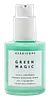
This calming serum is formulated around Centella Asiatica Leaf Extract and Ceramide NP to calm redness and strengthen the skin barrier.
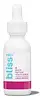
This anti-aging serum is formulated around Palmitoyl Tripeptide-1 and Palmitoyl Tetrapeptide-7 to soften the look of wrinkles and refine skin texture.

What's inside
What's inside
 Key Ingredients
Benefits
Concerns
Ingredients Side-by-side
Water
Skin ConditioningPropanediol
Solvent

Caprylic/Capric Triglyceride
Masking
Simmondsia Chinensis Seed Oil
Emollient



Coco-Caprylate/Caprate
Emollient
Cetyl Stearate
Emollient
Centella Asiatica Leaf Extract
Skin Conditioning


Rosmarinus Officinalis Leaf Oil
Masking
PCA
Humectant
Glycine
Buffering
Alanine
Masking
Serine
Masking
Arginine
Masking
Glutamic Acid
Humectant
Lysine Hcl
Skin Conditioning
Threonine
Sodium PCA
Humectant
Sodium Lactate
Buffering
Proline
Skin Conditioning
Betaine
Humectant
Ceramide NP
Skin Conditioning
Ceramide AP
Skin Conditioning
Glycosphingolipids
EmollientTetraacetylphytosphingosine
Skin ConditioningCholesterol
Emollient
Pinus Cembra Wood Extract
Skin ConditioningPhaeodactylum Tricornutum Extract
HumectantAllantoin
Skin Conditioning
Hydrogenated Lecithin
Emulsifying
Salvia Hispanica Seed Oil
Emollient
Cannabis Sativa Seed Oil
Emollient
Borago Officinalis Seed Oil
Emollient

Eucalyptus Globulus Leaf Oil
Perfuming



Squalane
Emollient
Cetearyl Alcohol
Emollient

Coco-Glucoside
Cleansing
1,2-Hexanediol
Skin Conditioning
Polyacrylate Crosspolymer-6
Emulsion StabilisingMelia Azadirachta Leaf Extract
Skin ConditioningC9-12 Alkane
SolventTrisodium Ethylenediamine Disuccinate
ChelatingCaprylhydroxamic Acid
ChelatingTocopheryl Acetate
Antioxidant


Melia Azadirachta Flower Extract
Skin ConditioningAloe Barbadensis Leaf Juice
Skin Conditioning
Hyaluronic Acid
Humectant
Linoleic Acid
Cleansing
Linolenic Acid
Cleansing
Lecithin
Emollient
Glycerin
Humectant
Phenoxyethanol
Preservative
Glyceryl Stearate
Emollient
Sodium Ascorbate
Antioxidant


Stearic Acid
Cleansing
Tocopherol
Antioxidant
Pentylene Glycol
Skin Conditioning
Xanthan Gum
EmulsifyingAlcohol
Antimicrobial

Water, Propanediol, Caprylic/Capric Triglyceride, Simmondsia Chinensis Seed Oil, Coco-Caprylate/Caprate, Cetyl Stearate, Centella Asiatica Leaf Extract, Rosmarinus Officinalis Leaf Oil, PCA, Glycine, Alanine, Serine, Arginine, Glutamic Acid, Lysine Hcl, Threonine, Sodium PCA, Sodium Lactate, Proline, Betaine, Ceramide NP, Ceramide AP, Glycosphingolipids, Tetraacetylphytosphingosine, Cholesterol, Pinus Cembra Wood Extract, Phaeodactylum Tricornutum Extract, Allantoin, Hydrogenated Lecithin, Salvia Hispanica Seed Oil, Cannabis Sativa Seed Oil, Borago Officinalis Seed Oil, Eucalyptus Globulus Leaf Oil, Squalane, Cetearyl Alcohol, Coco-Glucoside, 1,2-Hexanediol, Polyacrylate Crosspolymer-6, Melia Azadirachta Leaf Extract, C9-12 Alkane, Trisodium Ethylenediamine Disuccinate, Caprylhydroxamic Acid, Tocopheryl Acetate, Melia Azadirachta Flower Extract, Aloe Barbadensis Leaf Juice, Hyaluronic Acid, Linoleic Acid, Linolenic Acid, Lecithin, Glycerin, Phenoxyethanol, Glyceryl Stearate, Sodium Ascorbate, Stearic Acid, Tocopherol, Pentylene Glycol, Xanthan Gum, Alcohol
Water
Skin ConditioningPropanediol
Solvent
Glycerin
Humectant
Polysilicone-11


Palmitoyl Tripeptide-1
Skin Conditioning
Palmitoyl Tripeptide-5
Skin Conditioning
Palmitoyl Tetrapeptide-7
Skin Conditioning
Palmitoyl Tripeptide-38
Skin Conditioning
Acetyl Hexapeptide-8
Humectant
Hexapeptide-9
Skin Conditioning
Panthenol
Skin Conditioning
Tocopherol
Antioxidant
Tocopheryl Acetate
Antioxidant
Plankton Extract
Skin ConditioningHippophae Rhamnoides Fruit Extract
Skin Conditioning
Lycium Barbarum Fruit Extract
Astringent
Helianthus Annuus Seed Oil
Emollient
Arginine Ferulate
Skin ConditioningSodium Hyaluronate
Humectant
Raspberry Ketone
Masking
Cetearyl Olivate
Ubiquinone
Antioxidant
Diglycerin
Humectant
Saccharide Isomerate
Humectant
Caprylyl Glycol
Emollient
Hydroxypropyl Cyclodextrin
MaskingC12-15 Alkyl Benzoate
AntimicrobialPolyacrylate Crosspolymer-6
Emulsion StabilisingPolyglyceryl-4 Laurate/Succinate
Sorbitan Olivate
Emulsifying
Carbomer
Emulsion StabilisingPolysorbate 20
Emulsifying
Laureth-12
EmulsifyingButylene Glycol
Humectant
Sodium Citrate
BufferingPhenoxyethanol
Preservative
Ethylhexylglycerin
Skin ConditioningPotassium Sorbate
Preservative
Citric Acid
Buffering
Water, Propanediol, Glycerin, Polysilicone-11, Palmitoyl Tripeptide-1, Palmitoyl Tripeptide-5, Palmitoyl Tetrapeptide-7, Palmitoyl Tripeptide-38, Acetyl Hexapeptide-8, Hexapeptide-9, Panthenol, Tocopherol, Tocopheryl Acetate, Plankton Extract, Hippophae Rhamnoides Fruit Extract, Lycium Barbarum Fruit Extract, Helianthus Annuus Seed Oil, Arginine Ferulate, Sodium Hyaluronate, Raspberry Ketone, Cetearyl Olivate, Ubiquinone, Diglycerin, Saccharide Isomerate, Caprylyl Glycol, Hydroxypropyl Cyclodextrin, C12-15 Alkyl Benzoate, Polyacrylate Crosspolymer-6, Polyglyceryl-4 Laurate/Succinate, Sorbitan Olivate, Carbomer, Polysorbate 20, Laureth-12, Butylene Glycol, Sodium Citrate, Phenoxyethanol, Ethylhexylglycerin, Potassium Sorbate, Citric Acid
Ingredients Explained
These ingredients are found in both products.
Ingredients higher up in an ingredient list are typically present in a larger amount.
Glycerin (or glycerol) is a compound naturally found in your skin. It's a powerhouse humectant that pulls water into the stratum corneum.
Topically, glycerin does several things at once:
Your skin makes glycerin on its own (mostly from sebaceous oil breakdown) and shuttles it to your outermost layer of skin, or your epidermis, via aquaporin-3.
Aquaporin-3 is a transporter that is essential for normal skin hydration, elasticity, and repair. Interestingly, mice lacking in AQP3 have dry and less elastic skin that can be fully corrected with glycerin.
This ingredient is non-irritating, plays well with almost every ingredient, and works across all skin types. Typical use is anywhere between 3-10% but can go up to 79% in some leave-on products.
Just know very high concentrations (>40%) can feel tacky in low humidity.
Glycerin is the name for this ingredient in American English. British English uses Glycerol/Glycerine.
Learn more about GlycerinPhenoxyethanol is one of the most widely used preservatives in skincare (and for good reason!).
It has a large spectrum of antimicrobial activity and especially effective bacteria, yeast, and mold while only having a weak effect on your skin's natural microbiome.
On a cellular level, it disrupts the cell membranes of microbes by poking holes that make the cell leak. This shuts down the chemical reactions the microbe needs to make energy so it can no longer survive.
Another perk of this ingredient is that it stays functional across a wide pH range (3-10).
You'll often see it paired with boosters like Ethylhexylglycerin; one study showed that a 1:9 ratio of Ethylhexylglycerin to Phenoxyethanol damages bacterial membranes as effectively as doubling the Phenoxyethanol concentration on its own.
Typical use concentrations range from 0.3-1% depending on the formula, and this ingredient is capped at 1% int the EU.
Safety-wise, the fear mongering does not hold up to the evidence. The EU's Scientific Committee on Consumer Safety and FDA consider it safe as a preservative at up to 1%, including for children of all ages.
Adverse systemic effects only showed up in animal studies at exposures roughly 200x higher than what people get from cosmetics. And despite its very widespread use, this ingredient is a rare sensitizer and allergic reactions are uncommon.
Learn more about PhenoxyethanolPolyacrylate Crosspolymer-6 is a texture enhancer and pH adjuster.
It is be used to thicken water-based products and create a gel-texture with a velvet feel.
One manufacturer claims this ingredient to have a pH range of 2-8 and to be biodegradable.
This ingredient is also known as Sepimax Zen.
Learn more about Polyacrylate Crosspolymer-6Propanediol is an all-star ingredient. It softens, hydrates, and smooths the skin.
It’s often used to:
Propanediol is not likely to cause sensitivity and considered safe to use. It is derived from corn or petroleum with a clear color and no scent.
Learn more about PropanediolTocopherol is a fat-soluble antioxidant known as Vitamin E.
You'll find this ingredient in the vast majority of skincare (for good reason). It works to neutralize free radicals, or unstable molecules generated by UV exposure, pollution, and other environmental stressors, before they can cause oxidative damage to your skin cells.
Topically applied tocopherol has been shown to protect against UV damage by ramping up the skin's own natural defense enzymes.
It also acts as a skin conditioning agent; some studies show that regular topical use can improve the skin's water-binding capacity over 2-4 weeks.
This ingredient is especially loved for being a team player. When combined with Vitamin C, the photoprotective effect of both ingredients roughly doubles and the combo also helps reduce UV-induced DNA damage.
This ingredient has some brightening potential but it's more of a prevention ingredient than spot-fader. Cell studies show it can slow down melanin production but it's worth noting that it's not the most powerful brightener out there.
In formulations, it also serves as a stabilizer that helps protect other oxidation-prone ingredients from degrading.
Concentrations usually range from 0.1-1% in most leave-on products.
Learn more about TocopherolTocopheryl Acetate is a stable, shelf-friendly form of vitamin E.
Formulators love it because plain vitamin E oxidizes quickly once it hits air. This acetate version stays stable and resists going off, helping to extend a product's shelf life.
It's actually inactive on its own and works like a slow-release "storage" form; the enzymes in your skin called esterases gradually convert it into active vitamin E over time.
One in vivo study showed 5% of the acetate in the living layer of the epidermis converted to vitamin E after 5 days of application. This study also found the skin gained protection against UV damage even though the conversion was slow and small.
Once converted, vitamin E acts as a skin's main fat-soluble antioxidant that fights free radicals to protect skin from damage.
Topical vitamin E generally boosts the skin's photoprotection, and it reduced UV-damage in animal models.
This ingredient has some brightening potential but it's more of a prevention ingredient than spot-fader. Cell studies show it can slow down melanin production but it's worth noting that it's not the most powerful brightener out there.
Overall, it has a pretty solid safety profile and has been found to be non-irritating and non-comedogenic. Allergic reactions may happen but stay rare due to how widely the ingredient gets used.
The concentration will vary depending on the formula; industry data shows 0.1% in baby lotions, 3% in lipsticks, and 5% in foot powders. You can also find this ingredient at 100% in a pure vitamin E oil.
Most leave-on skincare keeps it at the lower end, often between 0.5-1%.
Learn more about Tocopheryl AcetateWater. It's the most common cosmetic ingredient of all. You'll usually see it at the top of ingredient lists, meaning that it makes up the largest part of the product.
So why is it so popular? Water most often acts as a solvent - this means that it helps dissolve other ingredients into the formulation.
You'll also recognize water as that liquid we all need to stay alive. If you see this, drink a glass of water. Remember to stay hydrated!
Learn more about Water

