Glow Recipe Avocado Ceramide Recovery Serum Versus U beauty The Barrier Bioactive Treatment Overnight Moisturizer
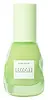
This barrier-repair serum is formulated around Persea Gratissima Oil and Niacinamide to strengthen the skin barrier and calm redness.
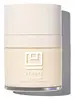
This barrier-repair night moisturizer is formulated around Urea and Butyrospermum Parkii Butter to strengthen the skin barrier and hydrate skin.

What's inside
What's inside
 Key Ingredients
Benefits
Concerns
Ingredients Side-by-side
Water
Skin ConditioningGlycerin
Humectant


Jojoba Esters
Emollient

Persea Gratissima Oil
Skin Conditioning


Persea Gratissima Fruit Extract
EmollientNiacinamide
Smoothing









Ceramide NP
Skin Conditioning
Ceramide Ns
Skin Conditioning
Ceramide AP
Skin Conditioning
Ceramide EOP
Skin Conditioning
Ceramide Eos
Skin Conditioning
Hydrolyzed Rice Protein
Skin ConditioningAllantoin
Skin Conditioning
Oryza Sativa Bran Oil
Emollient
Bisabolol
Antioxidant
Zingiber Officinale Root Extract
Masking
Curcuma Longa Root Extract
Antioxidant
Tocopherol
Antioxidant
Palmitoyl Tripeptide-8
Skin Conditioning
Vitis Vinifera Fruit Extract
Skin ConditioningPotassium Palmitoyl Hydrolyzed Wheat Protein
CleansingBoswellia Serrata Extract
Skin Conditioning
Populus Tremuloides Bark Extract
AntiseborrhoeicCaprylic/Capric Triglyceride
Masking
Sodium Phytate
Cetyl Alcohol
Emollient
Melia Azadirachta Flower Extract
Skin ConditioningMelia Azadirachta Leaf Extract
Skin ConditioningOcimum Sanctum Leaf Extract
Skin ConditioningBehenic Acid
Cleansing
Cholesterol
Emollient
Ethylhexylglycerin
Skin ConditioningOcimum Basilicum Flower/Leaf Extract
TonicElettaria Cardamomum Seed Extract
Perfuming
Jasminum Officinale Flower/Leaf Extract
Masking
Corallina Officinalis Extract
Skin Conditioning
Sodium Carbonate
BufferingSodium Chloride
MaskingCI 75810
Cosmetic ColorantCamellia Sinensis Leaf Extract
Antimicrobial
Cananga Odorata Flower Extract
Perfuming

Caprooyl Phytosphingosine
Skin Conditioning
Caprooyl Sphingosine
Skin ConditioningCucumis Melo Fruit Extract
Skin ConditioningCucumis Sativus Fruit Extract
Emollient
Pyrus Malus Fruit Extract
Skin Conditioning
Rose Extract
Skin ConditioningRubus Idaeus Leaf Extract
Skin ConditioningAscorbyl Palmitate
Antioxidant
Dextran
Hydroxyacetophenone
Antioxidant
Xanthan Gum
EmulsifyingButylene Glycol
Humectant
Carbomer
Emulsion StabilisingCetearyl Olivate
Sorbitan Olivate
Emulsifying
1,2-Hexanediol
Skin Conditioning
Caprylyl Glycol
Emollient
Hydrogenated Vegetable Oil
Emollient
Lavandula Angustifolia Flower/Leaf/Stem Extract
Masking
Santalum Album Wood Extract
Perfuming
Tocopheryl Acetate
Antioxidant
Ceteareth-25
CleansingSodium Hydroxide
BufferingPhenoxyethanol
Preservative
Sodium Benzoate
Masking
Water, Glycerin, Jojoba Esters, Persea Gratissima Oil, Persea Gratissima Fruit Extract, Niacinamide, Ceramide NP, Ceramide Ns, Ceramide AP, Ceramide EOP, Ceramide Eos, Hydrolyzed Rice Protein, Allantoin, Oryza Sativa Bran Oil, Bisabolol, Zingiber Officinale Root Extract, Curcuma Longa Root Extract, Tocopherol, Palmitoyl Tripeptide-8, Vitis Vinifera Fruit Extract, Potassium Palmitoyl Hydrolyzed Wheat Protein, Boswellia Serrata Extract, Populus Tremuloides Bark Extract, Caprylic/Capric Triglyceride, Sodium Phytate, Cetyl Alcohol, Melia Azadirachta Flower Extract, Melia Azadirachta Leaf Extract, Ocimum Sanctum Leaf Extract, Behenic Acid, Cholesterol, Ethylhexylglycerin, Ocimum Basilicum Flower/Leaf Extract, Elettaria Cardamomum Seed Extract, Jasminum Officinale Flower/Leaf Extract, Corallina Officinalis Extract, Sodium Carbonate, Sodium Chloride, CI 75810, Camellia Sinensis Leaf Extract, Cananga Odorata Flower Extract, Caprooyl Phytosphingosine, Caprooyl Sphingosine, Cucumis Melo Fruit Extract, Cucumis Sativus Fruit Extract, Pyrus Malus Fruit Extract, Rose Extract, Rubus Idaeus Leaf Extract, Ascorbyl Palmitate, Dextran, Hydroxyacetophenone, Xanthan Gum, Butylene Glycol, Carbomer, Cetearyl Olivate, Sorbitan Olivate, 1,2-Hexanediol, Caprylyl Glycol, Hydrogenated Vegetable Oil, Lavandula Angustifolia Flower/Leaf/Stem Extract, Santalum Album Wood Extract, Tocopheryl Acetate, Ceteareth-25, Sodium Hydroxide, Phenoxyethanol, Sodium Benzoate
Water
Skin ConditioningUrea
Buffering
Butyrospermum Parkii Butter
Skin Conditioning
Butylene Glycol
Humectant
Octyldodecanol
Emollient
Cetearyl Ethylhexanoate
Emollient
Glycerin
Humectant
Isododecane
EmollientPentylene Glycol
Skin Conditioning
Methyldihydrojasmonate
MaskingPolymethyl Methacrylate
Vaccinium Myrtillus Fruit Extract
Skin ConditioningAvena Sativa Kernel Extract
Abrasive
Saccharum Officinarum Extract
MoisturisingCitrus Aurantium Dulcis Fruit Extract
MaskingCitrus Limon Fruit Extract
Masking
Acer Saccharum Extract
Skin ConditioningLaminaria Saccharina Extract
Skin Protecting
Macrocystis Pyrifera Extract
Skin Conditioning
Tocopherol
Antioxidant
Ascorbyl Palmitate
Antioxidant
Salicylic Acid
Masking

Alpha-Glucan Oligosaccharide
Cleansing
Beta-Glucan
Skin Conditioning
Sodium Ascorbyl Phosphate
Antioxidant
Linoleic Acid
Cleansing
Oleic Acid
Emollient
Palmitic Acid
Emollient
Simmondsia Chinensis Seed Oil
Emollient
Stearic Acid
Cleansing
Glutathione
Lactobionic Acid
Buffering
Superoxide Dismutase
Antioxidant
Hydrolyzed Hyaluronic Acid
Humectant
Glycolic Acid
Buffering
Sodium Hyaluronate
Humectant
Mandelic Acid
Antimicrobial
Linolenic Acid
Cleansing
Hydrolyzed Yeast Extract
Skin ConditioningArginine
Masking
N-Prolyl Palmitoyl Tripeptide-56 Acetate
Skin Conditioning
Octyldodecyl Xyloside
EmulsifyingPEG-30 Dipolyhydroxystearate
Emulsifying
Isopropyl Myristate
Emollient
Sodium DNA
Skin Conditioning
Hydroxyphenyl Propamidobenzoic Acid
Skin ConditioningPyridoxine Hcl
Skin ConditioningCaprylyl Glycol
Emollient
Xylose
HumectantPolysorbate 20
Emulsifying
Xanthan Gum
EmulsifyingSodium Hydroxide
BufferingDisodium EDTA
Sodium Benzoate
Masking
Potassium Sorbate
Preservative
Water, Urea, Butyrospermum Parkii Butter, Butylene Glycol, Octyldodecanol, Cetearyl Ethylhexanoate, Glycerin, Isododecane, Pentylene Glycol, Methyldihydrojasmonate, Polymethyl Methacrylate, Vaccinium Myrtillus Fruit Extract, Avena Sativa Kernel Extract, Saccharum Officinarum Extract, Citrus Aurantium Dulcis Fruit Extract, Citrus Limon Fruit Extract, Acer Saccharum Extract, Laminaria Saccharina Extract, Macrocystis Pyrifera Extract, Tocopherol, Ascorbyl Palmitate, Salicylic Acid, Alpha-Glucan Oligosaccharide, Beta-Glucan, Sodium Ascorbyl Phosphate, Linoleic Acid, Oleic Acid, Palmitic Acid, Simmondsia Chinensis Seed Oil, Stearic Acid, Glutathione, Lactobionic Acid, Superoxide Dismutase, Hydrolyzed Hyaluronic Acid, Glycolic Acid, Sodium Hyaluronate, Mandelic Acid, Linolenic Acid, Hydrolyzed Yeast Extract, Arginine, N-Prolyl Palmitoyl Tripeptide-56 Acetate, Octyldodecyl Xyloside, PEG-30 Dipolyhydroxystearate, Isopropyl Myristate, Sodium DNA, Hydroxyphenyl Propamidobenzoic Acid, Pyridoxine Hcl, Caprylyl Glycol, Xylose, Polysorbate 20, Xanthan Gum, Sodium Hydroxide, Disodium EDTA, Sodium Benzoate, Potassium Sorbate
Reviews
Alternatives
Ingredients Explained
These ingredients are found in both products.
Ingredients higher up in an ingredient list are typically present in a larger amount.
Ascorbyl Palmitate is a fat-soluble form of vitamin C (Ascorbic Acid) made by combining it with palmitic acid.
It is able to blend easily into creams and oil-based formulas because it dissolves in oils rather than water.
As you may know, regular vitamin C is notorious for breaking down when exposed to sunlight and air. Ascorbyl Palmitate is more stable and degrades at a slower rate.
Research on whether it converts efficiently into active vitamin C once it's applied on your skin is still limited.
Some in-vitro studies suggest it may support collagen production, but it is not considered one of the stronger vitamin C derivatives, like:
Due to the palmitic acid base, this ingredient may not be fungal acne safe. Comedogenic studies have also shown this ingredient to have a rating of 2.
It's also worth keeping in mind that comedogenic and irritancy ratings are tested on individual ingredients, not finished formulas. The final product's formulation, concentration, and other ingredients all play a role in how something actually behaves on your skin.
Learn more about Ascorbyl PalmitateButylene Glycol (or BG) is used within cosmetic products for a few different reasons:
Overall, Butylene Glycol is a safe and well-rounded ingredient that works well with other ingredients.
Though this ingredient works well with most skin types, some people with sensitive skin may experience a reaction such as allergic rashes, closed comedones, or itchiness.
Learn more about Butylene GlycolCaprylyl Glycol is a humectant, skin conditioner, emollient, and preservative booster derived from either caprylic acid or synthetically created.
Typical use levels vary from 0.3-1% as a preservative booster and go up to 2% to condition skin.
Because it is not a free-fatty acid, this ingredient is fungal acne safe (there's nothing for Malassezia to feed on).
Learn more about Caprylyl GlycolGlycerin (or glycerol) is a compound naturally found in your skin. It's a powerhouse humectant that pulls water into the stratum corneum.
Topically, glycerin does several things at once:
Your skin makes glycerin on its own (mostly from sebaceous oil breakdown) and shuttles it to your outermost layer of skin, or your epidermis, via aquaporin-3.
Aquaporin-3 is a transporter that is essential for normal skin hydration, elasticity, and repair. Interestingly, mice lacking in AQP3 have dry and less elastic skin that can be fully corrected with glycerin.
This ingredient is non-irritating, plays well with almost every ingredient, and works across all skin types. Typical use is anywhere between 3-10% but can go up to 79% in some leave-on products.
Just know very high concentrations (>40%) can feel tacky in low humidity.
Glycerin is the name for this ingredient in American English. British English uses Glycerol/Glycerine.
Learn more about GlycerinSodium Benzoate is a preservative. It's used in both cosmetic and food products to inhibit the growth of mold and bacteria. It is typically produced synthetically.
Both the US FDA and EU Health Committee have approved the use of sodium benzoate. In the US, levels of 0.1% (of the total product) are allowed.
Sodium benzoate works as a preservative by inhibiting the growth of bacteria inside of cells. It prevents the cell from fermenting a type of sugar using an enzyme called phosphofructokinase.
It is the salt of benzoic acid. Foods containing sodium benzoate include soda, salad dressings, condiments, fruit juices, wines, and snack foods.
Studies for using ascorbic acid and sodium benzoate in cosmetics are lacking, especially in skincare routines with multiple steps.
We always recommend speaking with a professional, such as a dermatologist, if you have any concerns.
Learn more about Sodium BenzoateSodium Hydroxide is also known as lye or caustic soda. It is used to adjust the pH of products; many ingredients require a specific pH to be effective.
In small amounts, sodium hydroxide is considered safe to use. However, large amounts may cause chemical burns due to its high alkaline.
Your skin has a natural pH and acid mantle. This acid mantle helps prevent harmful bacteria from breaking through. The acid mantle also helps keep your skin hydrated.
"Alkaline" refers to a high pH level. A low pH level would be considered acidic.
Learn more about Sodium HydroxideTocopherol is a fat-soluble antioxidant known as Vitamin E.
You'll find this ingredient in the vast majority of skincare (for good reason). It works to neutralize free radicals, or unstable molecules generated by UV exposure, pollution, and other environmental stressors, before they can cause oxidative damage to your skin cells.
Topically applied tocopherol has been shown to protect against UV damage by ramping up the skin's own natural defense enzymes.
It also acts as a skin conditioning agent; some studies show that regular topical use can improve the skin's water-binding capacity over 2-4 weeks.
This ingredient is especially loved for being a team player. When combined with Vitamin C, the photoprotective effect of both ingredients roughly doubles and the combo also helps reduce UV-induced DNA damage.
This ingredient has some brightening potential but it's more of a prevention ingredient than spot-fader. Cell studies show it can slow down melanin production but it's worth noting that it's not the most powerful brightener out there.
In formulations, it also serves as a stabilizer that helps protect other oxidation-prone ingredients from degrading.
Concentrations usually range from 0.1-1% in most leave-on products.
Learn more about TocopherolWater. It's the most common cosmetic ingredient of all. You'll usually see it at the top of ingredient lists, meaning that it makes up the largest part of the product.
So why is it so popular? Water most often acts as a solvent - this means that it helps dissolve other ingredients into the formulation.
You'll also recognize water as that liquid we all need to stay alive. If you see this, drink a glass of water. Remember to stay hydrated!
Learn more about WaterXanthan gum is used as a stabilizer and thickener within cosmetic products. It helps give products a sticky, thick feeling - preventing them from being too runny.
On the technical side of things, xanthan gum is a polysaccharide - a combination consisting of multiple sugar molecules bonded together.
Xanthan gum is a pretty common and great ingredient. It is a natural, non-toxic, non-irritating ingredient that is also commonly used in food products.
Learn more about Xanthan Gum

