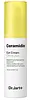
This barrier-repair eye moisturizer is formulated around Niacinamide and Ceramide NP to strengthen the skin barrier and soften the look of wrinkles.
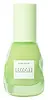
This barrier-repair serum is formulated around Persea Gratissima Oil and Niacinamide to strengthen the skin barrier and calm redness.


What's inside
What's inside
 Key Ingredients
Benefits
Concerns
Ingredients Side-by-side
Water
Skin ConditioningGlycerin
Humectant


Betaine
Humectant
Cyclohexasiloxane
Emollient
Squalane
Emollient
Pentaerythrityl Distearate
Emulsifying

Methylpropanediol
SolventNiacinamide
Smoothing







Dicaprylyl Ether
Emollient
Ammonium Acryloyldimethyltaurate/Vp Copolymer
Cetearyl Glucoside
Emulsifying
Cetearyl Alcohol
Emollient




Panthenol
Skin Conditioning
1,2-Hexanediol
Skin Conditioning
Sodium Stearoyl Glutamate
CleansingCeramide NP
Skin Conditioning
Dipropylene Glycol
HumectantHydroxyacetophenone
Antioxidant
Mannitol
Humectant
Zea Mays Starch
Absorbent
Microcrystalline Cellulose
AbsorbentEthylhexylglycerin
Skin ConditioningPelargonium Graveolens Flower Oil
Masking




Hydrogenated Lecithin
Emulsifying
Allantoin
Skin Conditioning
Adenosine
Skin Conditioning
Dextrin
AbsorbentTheobroma Cacao Seed Extract
Antioxidant
Disodium EDTA
ChelatingPyrus Malus Fruit Extract
Skin Conditioning
Salvia Officinalis Oil
Masking
Gardenia Florida Fruit Extract
Skin ConditioningPogostemon Cablin Leaf Oil
Masking
Citrus Aurantium Bergamia Fruit Oil
Masking
Tocopherol
Antioxidant
Glyceryl Stearate
Emollient
Ceramide AP
Skin Conditioning
Cholesterol
Emollient
Ceramide As
Skin Conditioning
Ceramide Ns
Skin Conditioning
Ceramide EOP
Skin Conditioning
Water, Glycerin, Betaine, Cyclohexasiloxane, Squalane, Pentaerythrityl Distearate, Methylpropanediol, Niacinamide, Dicaprylyl Ether, Ammonium Acryloyldimethyltaurate/Vp Copolymer, Cetearyl Glucoside, Cetearyl Alcohol, Panthenol, 1,2-Hexanediol, Sodium Stearoyl Glutamate, Ceramide NP, Dipropylene Glycol, Hydroxyacetophenone, Mannitol, Zea Mays Starch, Microcrystalline Cellulose, Ethylhexylglycerin, Pelargonium Graveolens Flower Oil, Hydrogenated Lecithin, Allantoin, Adenosine, Dextrin, Theobroma Cacao Seed Extract, Disodium EDTA, Pyrus Malus Fruit Extract, Salvia Officinalis Oil, Gardenia Florida Fruit Extract, Pogostemon Cablin Leaf Oil, Citrus Aurantium Bergamia Fruit Oil, Tocopherol, Glyceryl Stearate, Ceramide AP, Cholesterol, Ceramide As, Ceramide Ns, Ceramide EOP
Water
Skin ConditioningGlycerin
Humectant
Jojoba Esters
Emollient
Persea Gratissima Oil
Skin Conditioning
Persea Gratissima Fruit Extract
EmollientNiacinamide
Smoothing
Ceramide NP
Skin Conditioning
Ceramide Ns
Skin Conditioning
Ceramide AP
Skin Conditioning
Ceramide EOP
Skin Conditioning
Ceramide Eos
Skin Conditioning
Hydrolyzed Rice Protein
Skin ConditioningAllantoin
Skin Conditioning
Oryza Sativa Bran Oil
Emollient
Bisabolol
Antioxidant
Zingiber Officinale Root Extract
Masking
Curcuma Longa Root Extract
Antioxidant
Tocopherol
Antioxidant
Palmitoyl Tripeptide-8
Skin Conditioning
Vitis Vinifera Fruit Extract
Skin ConditioningPotassium Palmitoyl Hydrolyzed Wheat Protein
CleansingBoswellia Serrata Extract
Skin Conditioning
Populus Tremuloides Bark Extract
AntiseborrhoeicCaprylic/Capric Triglyceride
Masking
Sodium Phytate
ChelatingCetyl Alcohol
Emollient
Melia Azadirachta Flower Extract
Skin ConditioningMelia Azadirachta Leaf Extract
Skin ConditioningOcimum Sanctum Leaf Extract
Skin ConditioningBehenic Acid
Cleansing
Cholesterol
Emollient
Ethylhexylglycerin
Skin ConditioningOcimum Basilicum Flower/Leaf Extract
TonicElettaria Cardamomum Seed Extract
Perfuming
Jasminum Officinale Flower/Leaf Extract
Masking
Corallina Officinalis Extract
Skin Conditioning
Sodium Carbonate
BufferingSodium Chloride
MaskingCI 75810
Cosmetic ColorantCamellia Sinensis Leaf Extract
Antimicrobial
Cananga Odorata Flower Extract
Perfuming
Caprooyl Phytosphingosine
Skin Conditioning
Caprooyl Sphingosine
Skin ConditioningCucumis Melo Fruit Extract
Skin ConditioningCucumis Sativus Fruit Extract
Emollient
Pyrus Malus Fruit Extract
Skin Conditioning
Rose Extract
Skin ConditioningRubus Idaeus Leaf Extract
Skin ConditioningAscorbyl Palmitate
Antioxidant
Dextran
Hydroxyacetophenone
Antioxidant
Xanthan Gum
EmulsifyingButylene Glycol
Humectant
Carbomer
Emulsion StabilisingCetearyl Olivate
Sorbitan Olivate
Emulsifying
1,2-Hexanediol
Skin Conditioning
Caprylyl Glycol
Emollient
Hydrogenated Vegetable Oil
Emollient
Lavandula Angustifolia Flower/Leaf/Stem Extract
Masking
Santalum Album Wood Extract
Perfuming
Tocopheryl Acetate
Antioxidant
Ceteareth-25
CleansingSodium Hydroxide
BufferingPhenoxyethanol
Preservative
Sodium Benzoate
Masking
Water, Glycerin, Jojoba Esters, Persea Gratissima Oil, Persea Gratissima Fruit Extract, Niacinamide, Ceramide NP, Ceramide Ns, Ceramide AP, Ceramide EOP, Ceramide Eos, Hydrolyzed Rice Protein, Allantoin, Oryza Sativa Bran Oil, Bisabolol, Zingiber Officinale Root Extract, Curcuma Longa Root Extract, Tocopherol, Palmitoyl Tripeptide-8, Vitis Vinifera Fruit Extract, Potassium Palmitoyl Hydrolyzed Wheat Protein, Boswellia Serrata Extract, Populus Tremuloides Bark Extract, Caprylic/Capric Triglyceride, Sodium Phytate, Cetyl Alcohol, Melia Azadirachta Flower Extract, Melia Azadirachta Leaf Extract, Ocimum Sanctum Leaf Extract, Behenic Acid, Cholesterol, Ethylhexylglycerin, Ocimum Basilicum Flower/Leaf Extract, Elettaria Cardamomum Seed Extract, Jasminum Officinale Flower/Leaf Extract, Corallina Officinalis Extract, Sodium Carbonate, Sodium Chloride, CI 75810, Camellia Sinensis Leaf Extract, Cananga Odorata Flower Extract, Caprooyl Phytosphingosine, Caprooyl Sphingosine, Cucumis Melo Fruit Extract, Cucumis Sativus Fruit Extract, Pyrus Malus Fruit Extract, Rose Extract, Rubus Idaeus Leaf Extract, Ascorbyl Palmitate, Dextran, Hydroxyacetophenone, Xanthan Gum, Butylene Glycol, Carbomer, Cetearyl Olivate, Sorbitan Olivate, 1,2-Hexanediol, Caprylyl Glycol, Hydrogenated Vegetable Oil, Lavandula Angustifolia Flower/Leaf/Stem Extract, Santalum Album Wood Extract, Tocopheryl Acetate, Ceteareth-25, Sodium Hydroxide, Phenoxyethanol, Sodium Benzoate
Reviews
Ingredients Explained
These ingredients are found in both products.
Ingredients higher up in an ingredient list are typically present in a larger amount.
1,2-Hexanediol is a synthetic liquid and another multi-functional powerhouse.
It is a:
- Humectant, drawing moisture into the skin
- Emollient, helping to soften skin
- Solvent, dispersing and stabilizing formulas
- Preservative booster, enhancing the antimicrobial activity of other preservatives
Allantoin is a soothing ingredient known for its protective and moisturizing properties; it's basically a quiet workhorse ingredient you can find in a huge range of cosmetics.
Though it can be derived from the comfrey plant, allantoin is produced synthetically for cosmetic products to ensure purity.
Research shows it can encourage your skin cells to turn over and renew by stimulating keratinocyte and fibroblast proliferation.
It also has mild keratolytic properties to help loosen and shed dead skin cells without being harsh.
Studies also suggest allantoin can help calm inflammation by dialing down some of the chemical signals your skin sends out when it is irritated.
This ingredient is typically used in the 0.1-0.5% range, and the FDA recognizes it as a skin protectant in OTC products up to 2%.
Overall, allantoin is a wonderful addition to most routines; it is stable across a wide pH range (~4-8), works well with other ingredients, and is considered non-sensitizing/non-irritating.
Fun fact: Allantoin is naturally occurring in comfrey root, beets, chamomile, and wheat sprouts. Our bodies even produce it as a byproduct of uric acid metabolism.
Learn more about AllantoinCeramide AP is is a skin-identical lipid that mimics what your skin already makes naturally. Ceramides help maintain epidermal integrity and barrier function.
You'll often see this ingredient paired with other ceramides (like ceramide NP), cholesterol, or fatty acids because this combination best mimics the natural lipid mix your skin already has.
The skin's ability to produce ceramides gets disrupted in skin conditions like eczema. This in turn weakens the skin barrier and applying ceramides topically has been shown to replenish what's been lost to restore barrier function.
Most of the studies with Ceramide AP test it as part of a multi-ceramide complex; studies reinforce ceramide AP's role in rebalancing ceramides in skin and improving skin hydration.
Learn more about Ceramide APCeramide EOP is formally known as Ceramide 1.
It is naturally found in skin and part of the intercellular "mortar" holding everything together in your outermost layer.
EOP stands for a linked Ester fatty acid, a linked Omega hydroxy fatty acid, and the Phytosphingosine base.
What makes Ceramide EOP special is its ultra-long fatty acid chain; this unique structure allows it to bridge the lipid layers in your skin barrier to prevent water loss (something no other ceramide can do).
Low levels of Ceramide EOP have been found in people with eczema and psoriasis.
Using it together with other ceramides, cholesterol, and linoleic acid have been shown to meaningfully improve hydration and reduce water loss.
In one clinical study, a regimen using Ceramide EOP, NP, and AP led to significant symptom improvements in patients with eczema, psoriasis, and dry skin in just 4 weeks.
You'll usually see concentrations between 0.1-0.5% in formulations. Overall, this is a well-tolerated and safe ingredient for cosmetic use.
Learn more about Ceramide EOPCeramide NP (formerly known as Ceramide 3) is one of the skin's naturally occurring lipids.
Since ceramides are the major lipid components of the skin, they are crucial for maintaining skin barrier and hydration. Ceramide NP most closely mirrors the dominant kind in human skin amongst ceramide subtypes.
This ceramide works by slotting into gaps within the stratum corneum's lipid matrix to limit trans-epidermal water loss (TEWL) and shield the skin against external irritants.
A study with 312 patients found that using a ceramide-containing routine for 4 weeks reduced the severity of atopic dermatitis by over 61%.
Another clinical study in subjects aged 60 and older found that a ceramide body wash and moisturizer improved skin dryness and itchy skin in 15 days.
Overall, ceramides are considered non-irritating and safety tests have found little to no observable adverse effects from using this ingredient.
Ceramide NP is usually sourced from plants (like soybean or rice bran), or produced synthetically.
Learn more about Ceramide NPCeramide NS is formally known as Ceramide 2. It is one of the major ceramides in the stratum corneum (outermost layer of skin) plays a role in forming a protective barrier.
Due to its structure, skin lipids can be packed tightly and in turn, this strengthens the barrier and reduces water loss.
Studies show conditions like atopic dermatitis can worsen when ceramide NS levels are low.
Learn more about Ceramide NsCholesterol is a lipid that is naturally found in human skin and is one of the three key components of your skin barrier. In skincare, it is an emollient and barrier-repairing ingredient.
It works by fitting directly into the lipid layers of skin to help restore structure and reduce transepidermal water loss (TEWL).
This is a great ingredient for dry, compromised, or aging skin; our skin starts to produce less cholesterol with age.
Research shows cholesterol works best in combination with ceramides and fatty acids, the other two major components in your skin barrier.
Cholesterol is also a well-establish penetration enhancer and can help other actives absorb more effectively.
Cosmetic-grade cholesterol is usually derived from lanolin but plant and synthetic options also exist. We recommend reaching out to the brand if you have questions about their source of cholesterol.
Learn more about CholesterolEthylhexylglycerin is created from glycerin. It is a multitasker ingredient that:
The CIR Expert Panel found minimal skin absorption or sensitization of any kind in a safety assessment. Though this ingredient is considered well-tolerated, a small number of cases of allergic dermatitis have been published since 2002. Just be sure to patch test if you are unsure.
Industry-reported use ranges from 8% in rinse-off products and 2% in leave-on formulations.
Learn more about EthylhexylglycerinGlycerin (or glycerol) is a compound naturally found in your skin. It's a powerhouse humectant that pulls water into the stratum corneum.
Topically, glycerin does several things at once:
Your skin makes glycerin on its own (mostly from sebaceous oil breakdown) and shuttles it to your outermost layer of skin, or your epidermis, via aquaporin-3.
Aquaporin-3 is a transporter that is essential for normal skin hydration, elasticity, and repair. Interestingly, mice lacking in AQP3 have dry and less elastic skin that can be fully corrected with glycerin.
This ingredient is non-irritating, plays well with almost every ingredient, and works across all skin types. Typical use is anywhere between 3-10% but can go up to 79% in some leave-on products.
Just know very high concentrations (>40%) can feel tacky in low humidity.
Glycerin is the name for this ingredient in American English. British English uses Glycerol/Glycerine.
Learn more about GlycerinHydroxyacetophenone is a small phenolic molecule that earns its place in a formulas as an antioxidant and preservative booster.
As a phenol, it is able to neutralize free radicals to protect both the product and the skin from oxidative stress.
Though it can't kill microbes on its own, it works as a good supporting agent when combined with other preservatives like Phenoxyethanol or 1,2-Hexanediol.
This ingredient naturally occurs as piceol in Norwegian spruce needles (~0.4-1.1% dry weight and in cloudberries). Though the cosmetic-grade material is synthesized for purity and consistency.
You'll usually see it used at low levels and suppliers recommend up to 1% added to a water phase.
Safety testing was done at concentrations like 0.05% in SPF products and 0.5% in a Human Repeated Insult Patch Test. The safety evidence is assuring; this ingredient is safe for cosmetics in current use and also holds safety status as a food flavoring as well.
An honest caveat: the "soothing" and "anti-inflammatory" claims come mostly from supplier marketing rather than published clinical trials. The Cosmetic Ingredient Review's own literature search found no useful efficacy studies on this ingredient.
So the antioxidant and preservative-boosting roles are the well supported ones while the calming benefit is plausible but thinly evidenced.
Overall, this is a well-tolerated, low-irritation multitasker that quietly helps a formula stay fresh and stable.
Learn more about HydroxyacetophenoneNiacinamide is a multitasking form of vitamin B3 that strengthens the skin barrier, reduces pores and dark spots, regulates oil, and improves signs of aging.
And the best part? It's gentle and well-tolerated by most skin types, including sensitive and reactive skin.
You might have heard of "niacin flush", or the reddening of skin that causes itchiness. Niacinamide has not been found to cause this.
In very rare cases, some individuals may not be able to tolerate niacinamide at all or experience an allergic reaction to it.
If you are experiencing flaking, irritation, and dryness with this ingredient, be sure to double check all your products as this ingredient can be found in all categories of skincare.
When incorporating niacinamide into your routine, look out for concentration amounts. Typically, 5% niacinamide provides benefits such as fading dark spots. However, if you have sensitive skin, it is better to begin with a smaller concentration.
When you apply niacinamide to your skin, your body converts it into nicotinamide adenine dinucleotide (NAD). NAD is an essential coenzyme that is already found in your cells as "fuel" and powers countless biological processes.
In your skin, NAD helps repair cell damage, produce new healthy cells, support collagen production, strengthen the skin barrier, and fight environmental stressors (like UV and pollution).
Our natural NAD levels start to decline with age, leading to slower skin repair, visible aging, and a weaker skin barrier. By providing your skin niacinamide, you're recharging your skin's NAD levels. This leads to stronger, healthier, and younger looking skin.
Another name for vitamin B3 is nicotinamide. This vitamin is water-soluble and our bodies don't store it. We obtain Vitamin B3 from either food or skincare. Meat, fish, wheat, yeast, and leafy greens contain vitamin B3.
The type of niacinamide used in skincare is synthetically created.
Learn more about NiacinamidePyrus Malus Fruit Extract is extract from Apples. Apples are rich in Vitamin C, sugars, and antioxidants.
The sugar in Apples are humectants and help hydrate the skin. On top of that, apples also contain some acids, such as malic acid. These acids may have a mild exfoliating effect.
Last, the phytochemicals found in apples are strong antioxidants. These antioxidants help with anti-aging as they protect your skin cells against oxidative damage.
Learn more about Pyrus Malus Fruit ExtractTocopherol is a fat-soluble antioxidant known as Vitamin E.
You'll find this ingredient in the vast majority of skincare (for good reason). It works to neutralize free radicals, or unstable molecules generated by UV exposure, pollution, and other environmental stressors, before they can cause oxidative damage to your skin cells.
Topically applied tocopherol has been shown to protect against UV damage by ramping up the skin's own natural defense enzymes.
It also acts as a skin conditioning agent; some studies show that regular topical use can improve the skin's water-binding capacity over 2-4 weeks.
This ingredient is especially loved for being a team player. When combined with Vitamin C, the photoprotective effect of both ingredients roughly doubles and the combo also helps reduce UV-induced DNA damage.
This ingredient has some brightening potential but it's more of a prevention ingredient than spot-fader. Cell studies show it can slow down melanin production but it's worth noting that it's not the most powerful brightener out there.
In formulations, it also serves as a stabilizer that helps protect other oxidation-prone ingredients from degrading.
Concentrations usually range from 0.1-1% in most leave-on products.
Learn more about TocopherolWater. It's the most common cosmetic ingredient of all. You'll usually see it at the top of ingredient lists, meaning that it makes up the largest part of the product.
So why is it so popular? Water most often acts as a solvent - this means that it helps dissolve other ingredients into the formulation.
You'll also recognize water as that liquid we all need to stay alive. If you see this, drink a glass of water. Remember to stay hydrated!
Learn more about Water

